We seem to have seen a great deal of Victoria in the past week! Our search for a motorhome or bus has taken us up to the border at Wodonga, then to Echuca, and as I write this we are back at Moonambel with another drive to Melbourne set for tomorrow.
We were accompanied to Wodonga by Joan’s friend Peter (he’s actually the husband of a friend of Joan’s daughter, if I have it right….) and went for a test drive in a Hino Rainbow which had been beautifully fitted out …. but while the interior vastly appealed to me, the gearbox and general mechanical condition did not to Dave, and as it was also too big for me to drive on an ordinary car license, it was regretfully struck off the list. Particularly regretful as it towed a little Suzuki, which appealed as it would mean we could leave the bus in a camping area and scoot around to do shopping etc. We returned to Peter’s home some 2 hrs drive away where we had some wonderful conversations and were invited to stay the night. Many thanks, Sharon and Peter.
Next morning we were off again on the hunt for yet another bus, this time in Echuca further up the Murray River. I was happy as I have long wanted to visit the river, not only because I have never seen it or or the famed paddlewheel steamers (an essential item on any Australian’s wish list) but also because the river is involved in the early history of my d’Archy family.
In fact I have decided to start an occasional extra blog to cover all the places associated with the d’Archy family in the early days of Australia’s colonial history.
Echuca is a tourist town – very touristy! Rainbow koalas and kangaroos??


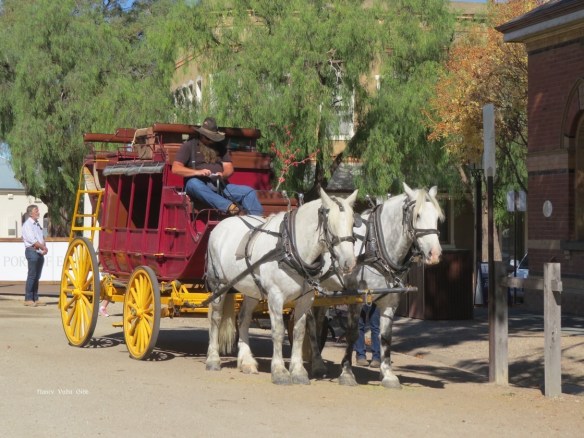


We had Devonshire Tea in an olde world house – but the scones were not up to Dave’s mother’s standards (nor mine either). Still, a pretty setting.
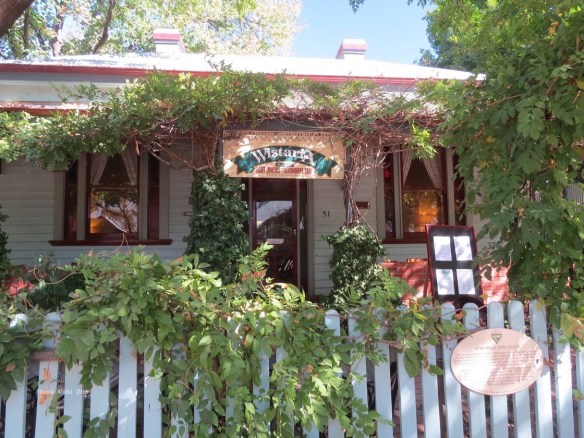
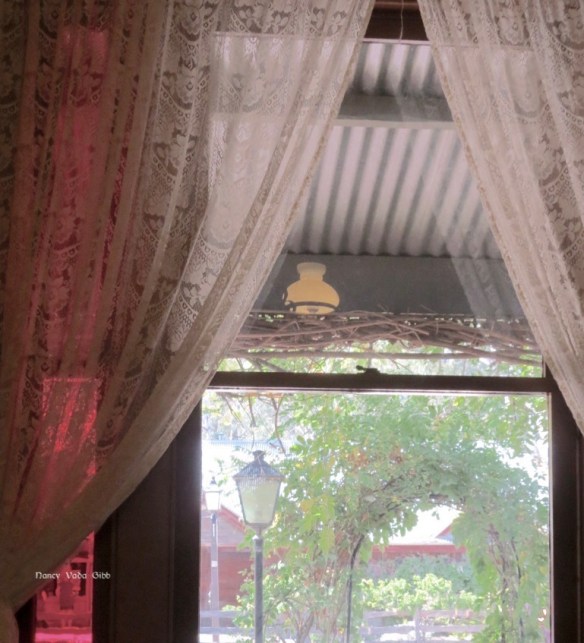
We enjoyed Echuca. As the owner of the bus we had come to see would not be in town till the next day, we booked into a motel. I made a mistake when using Trivago and set the wrong parameters so that what appeared to be one of the best deals in town was actually far from it!
With time to spare we went on an afternoon cruise up the river on the wood-fired “Pevensey” which was originally built in 1911, rebuilt several times, and once carried 2000 bales of wool.


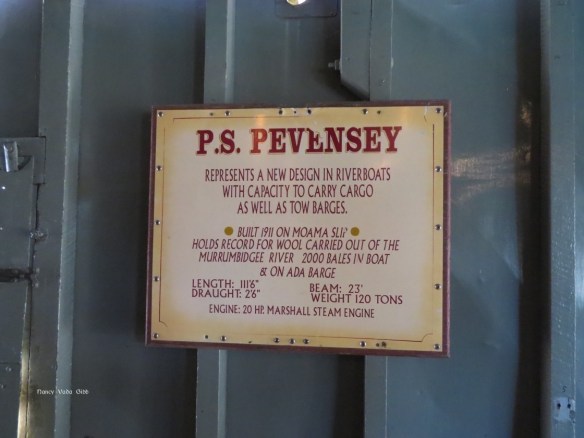
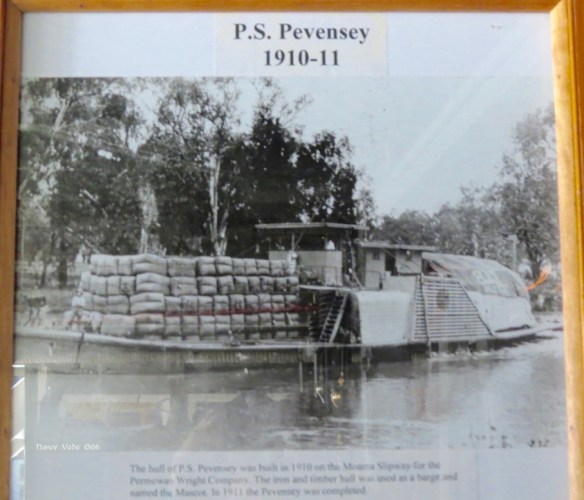


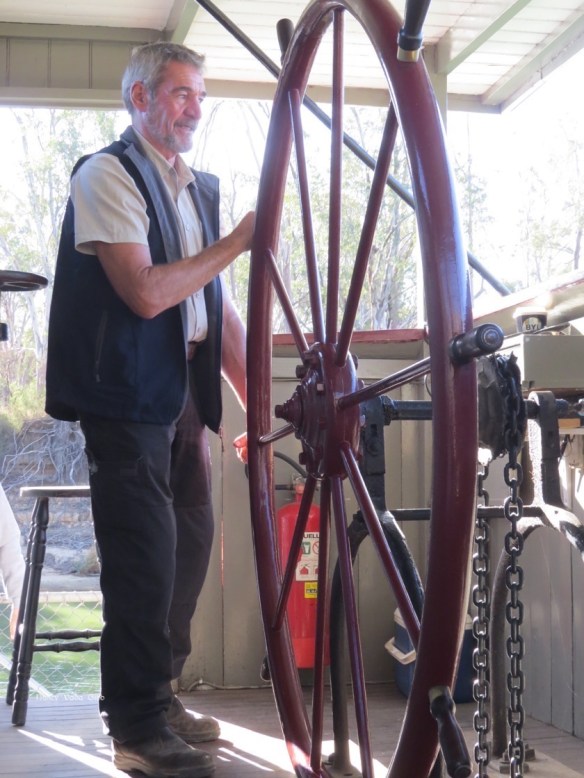
‘Course i had to have a go … that wheel was certainly heavy.


I wonder if some of that wool came from d’Archy properties, including the main one near Hay and several upriver at Wentworth, Pooncarrie and even further up the Darling at Wilcannia. Did one or more of my ancestors actually ride the “Pevensey” or one of the other old paddle wheelers? There was certainly quite a collection at Echuca.


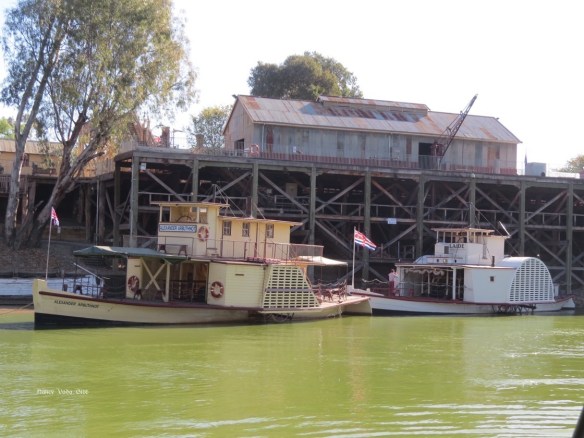
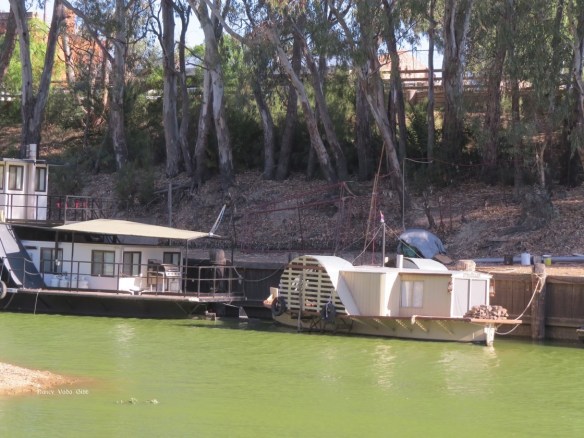


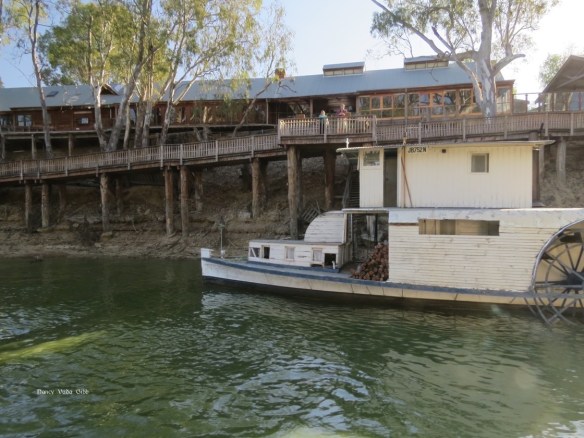

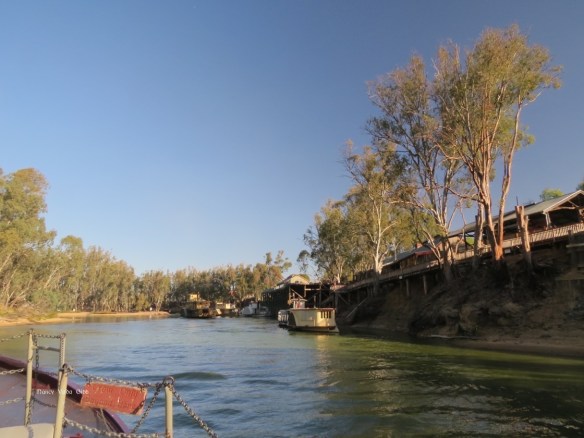
The river is obviously a shadow of its former self. The steep banks and many fallen trees (‘snags’) attest to past strong flows. Wikipedia tells me it is Australia’s longest river at 2,508 kilometres (1,558 miles), and as of 2010 the river system only receives 58% of its natural flow, being perhaps Australia’s most important irrigated region.
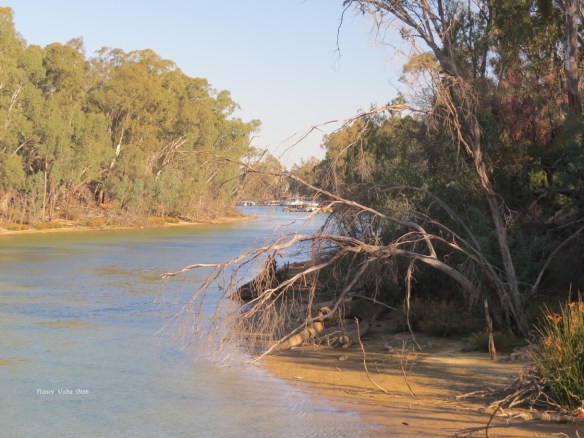


“The health of the Murray River has declined significantly since European settlement, particularly due to river regulation, and much of its aquatic life including native fish are now declining, rare or endangered. Recent extreme droughts (2000–07) have put significant stress on river red gum forests, with mounting concern over their long-term survival.”
“The first Europeans to encounter the (Murray) river were Hamilton Hume and William Hovell, who crossed the river where Albury now stands in 1824 ..…”
The significance of this to me is that my ancestor Thomas Darchy was said to have worked for Hamilton Hume before marrying and settling somewhere near the Lachlan-Murrumbidgee junction in about 1844. It was claimed that Thomas and Susan’s daughter Clara Maria was the first white child on the Lower Murrumbidgee.
The river itself its still flowing but is a murky green from toxic algae, so i wonder what all the houseboat owners and renters do now that swimming is not possible. There were so many houseboats! Mostly propelled by outboard engines, they ranged in size from quite small up to luxurious double-deckers.


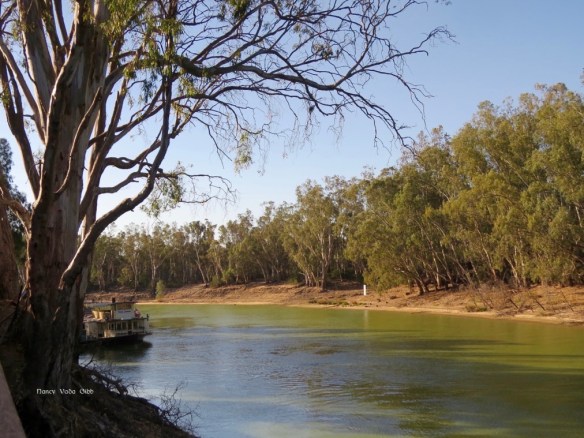
Our exploration of the Echuca area continued next day …..


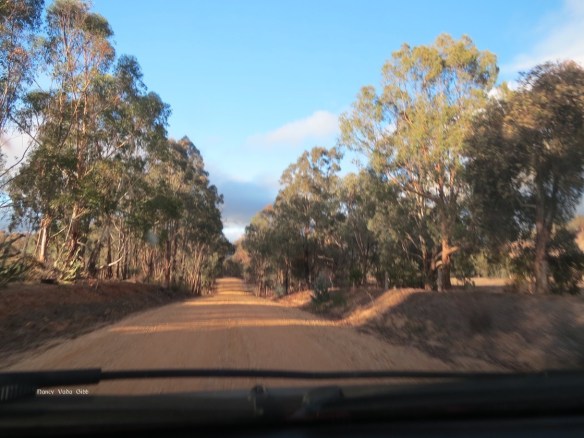
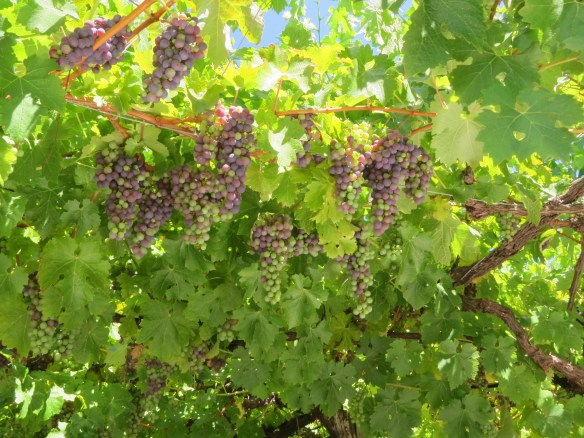
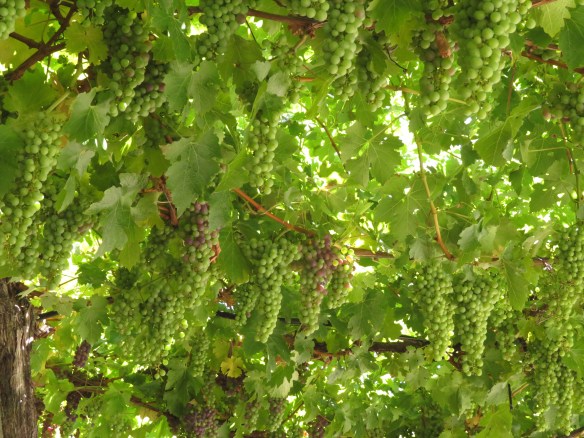
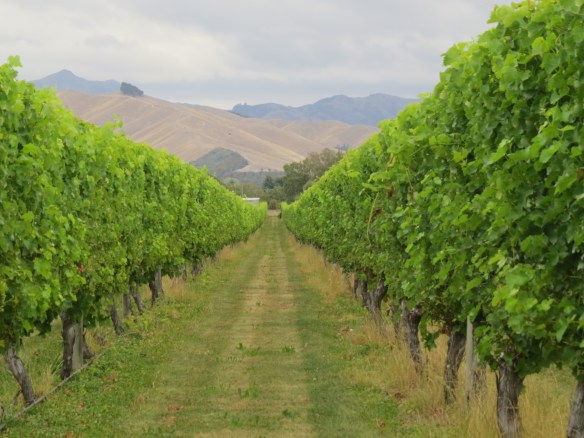
 There were several vehicles we wanted to see in Connemara and Geelong but the owners persistently refused to answer Dave’s emails/phone calls so in the end we did not see any of them that day but continued through Ballarat to beautiful little Moonambel in the Pyrenees just north of Avoca. Vineyard country! Although there were plenty of signs saying vineyards, cellar sales etc we only spotted a very few vineyards from the road and they were at first sight (and only from a moving car) poor imitations of the lush green-golden ones at Blenheim, even given that it’s now autumn. We hope to investigate them closer when we have more time.








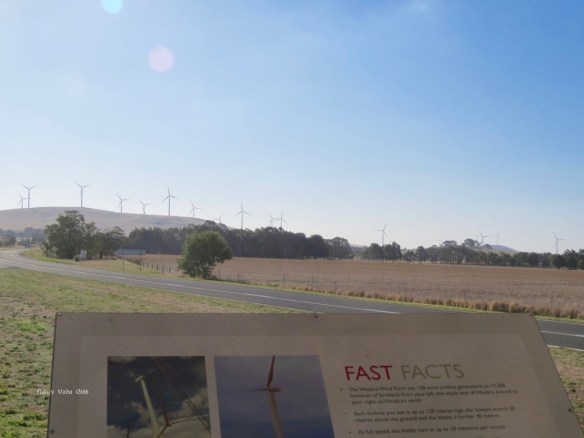
 Dave renewed our car hire for a few more days and we set off for Jen’s place in Melbourne, with a stop at a recommended RV dealer on the way. They had a showroom full of the most beautiful new motorhomes, with price tags to match of course, and we were looking for something considerably more downmarket – after all it’s only for 6 months.































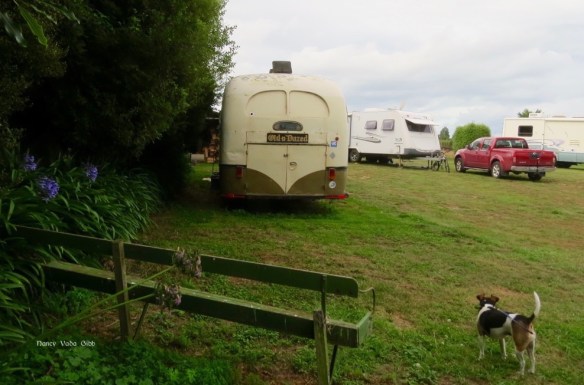 We shift to Robyn’s driveway tomorrow and start ten days of home sitting.
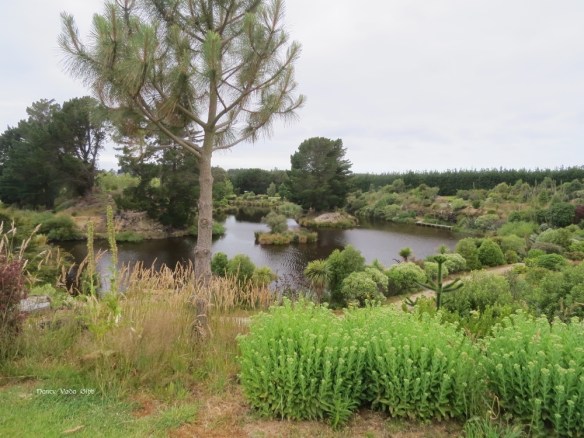
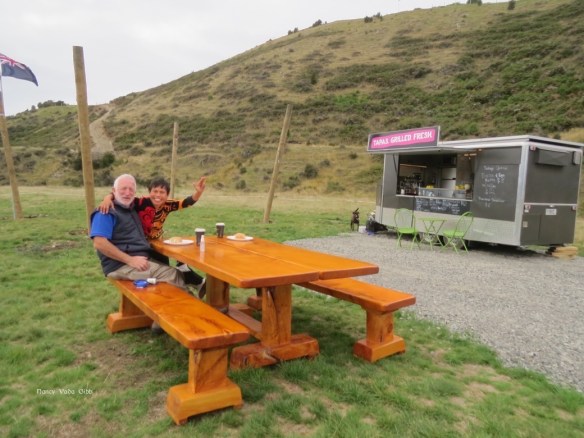
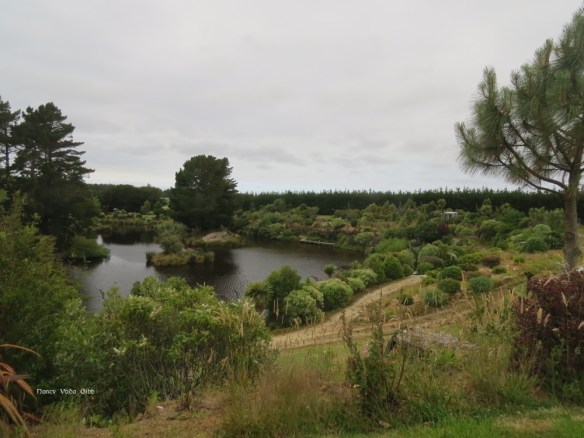 Although the cafe was not officially opened at that time we were warmly welcomed and coffee prepared.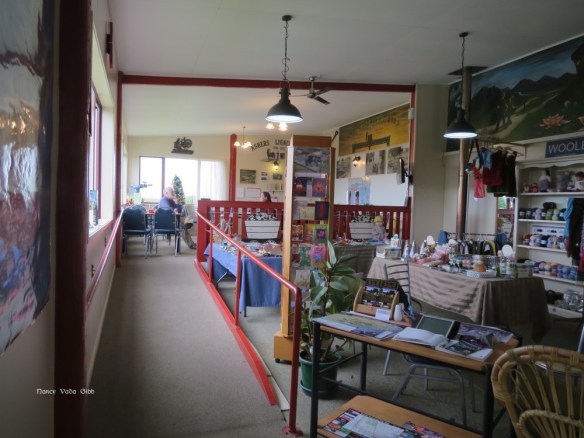


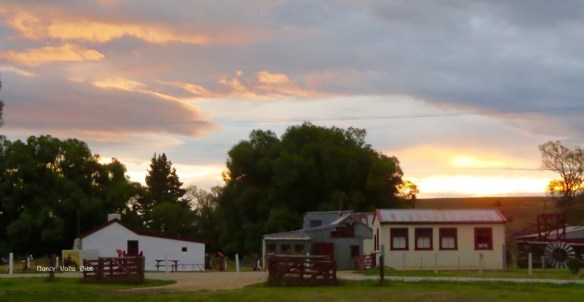





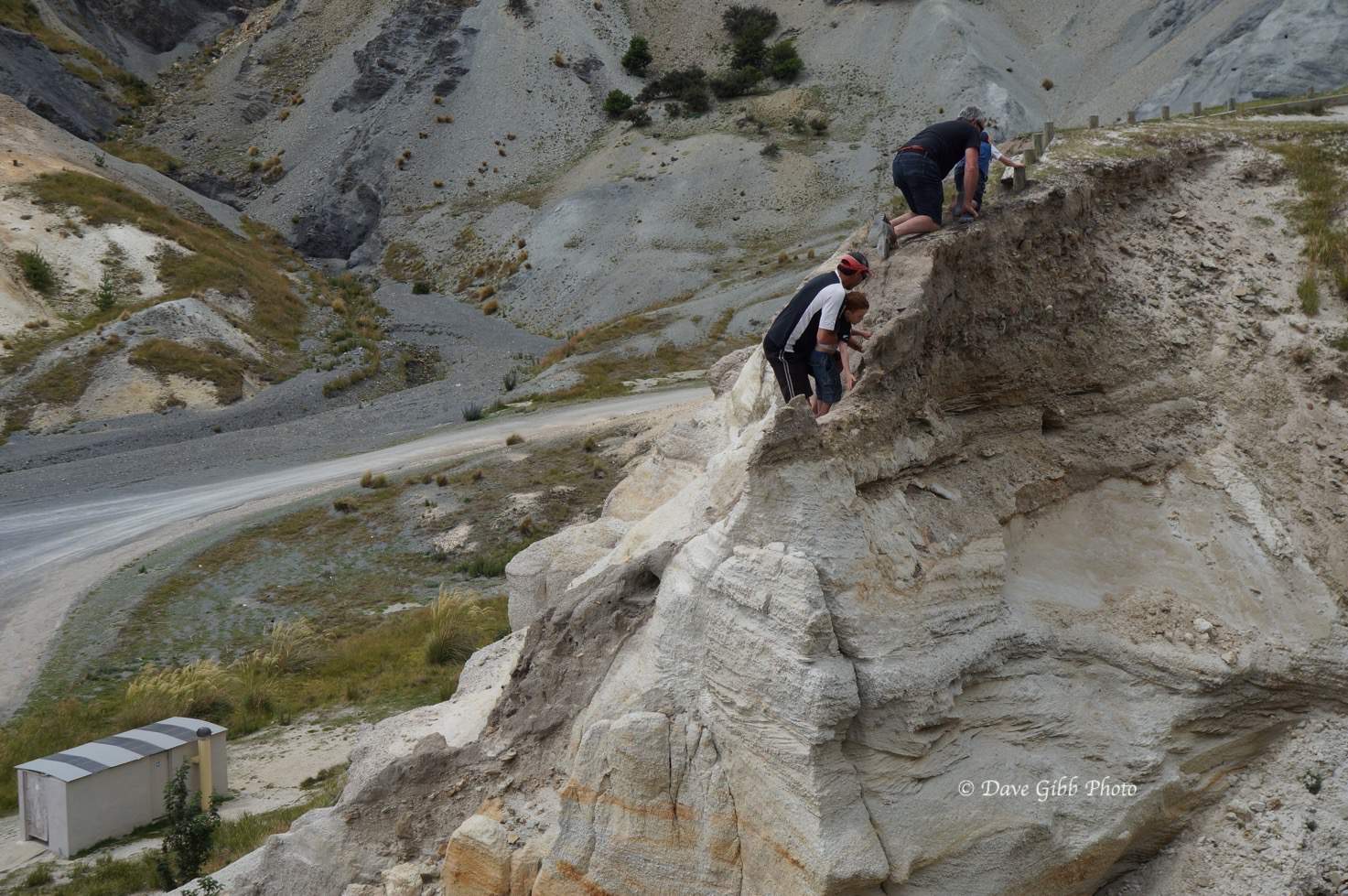
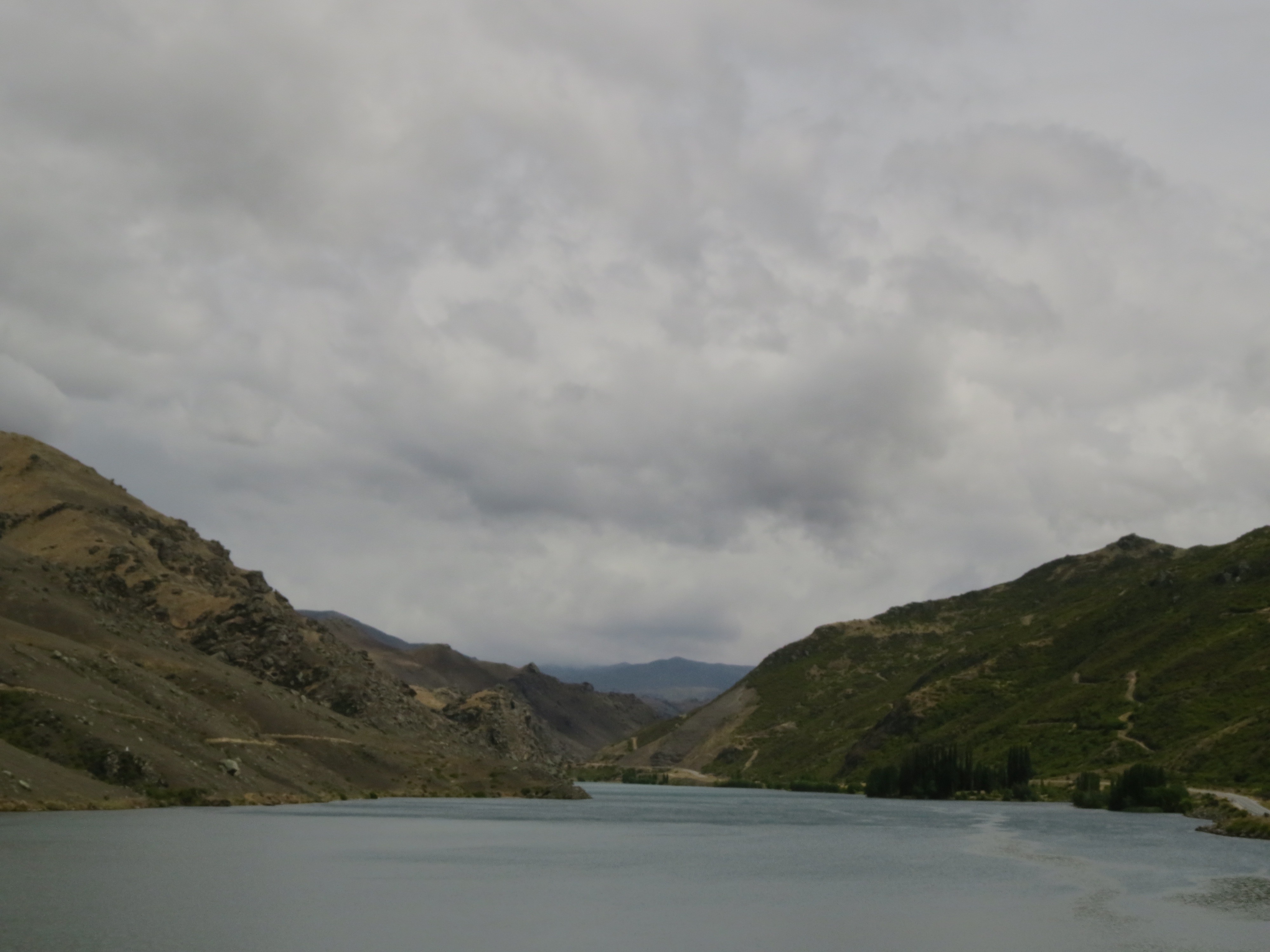
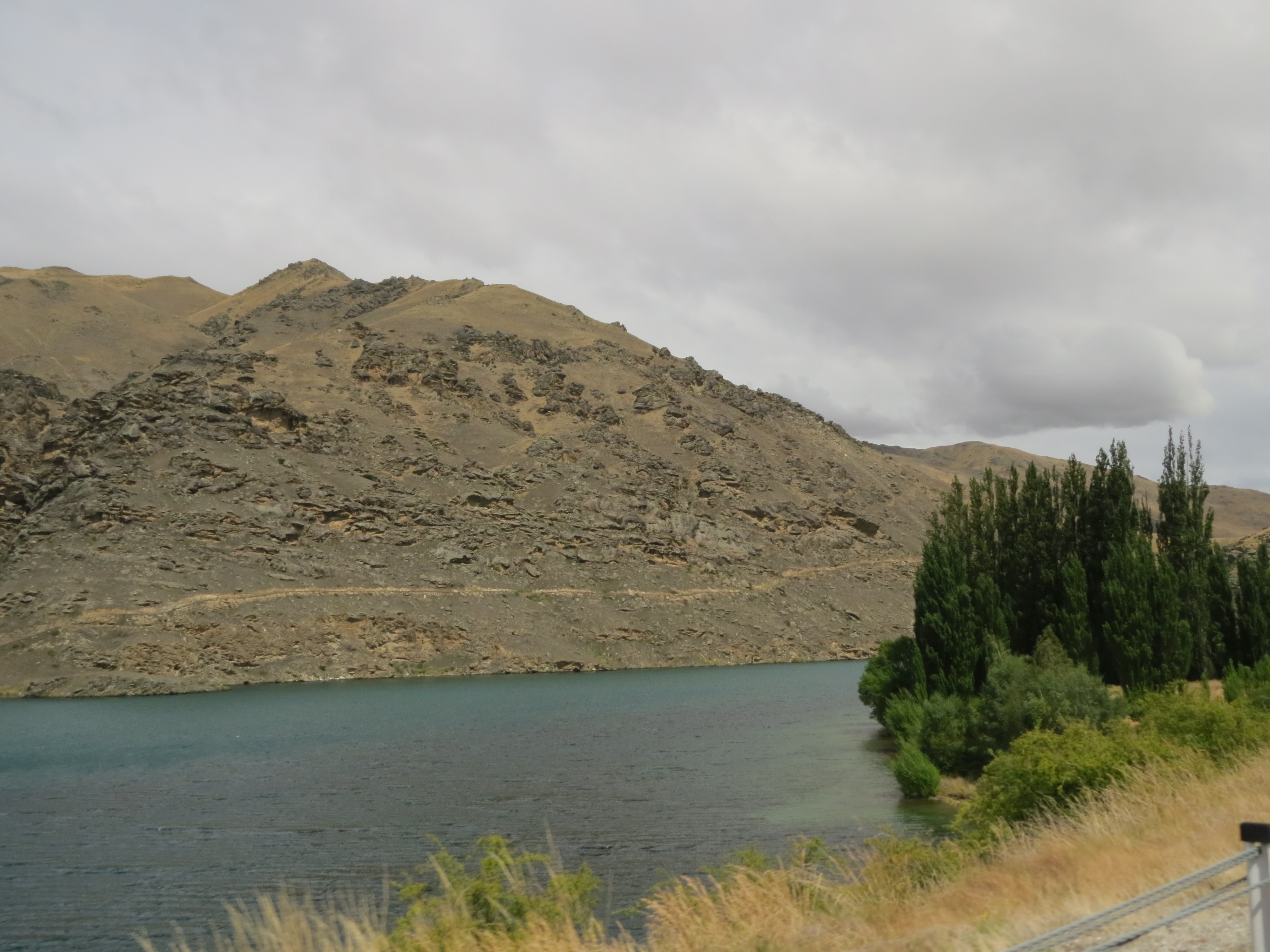
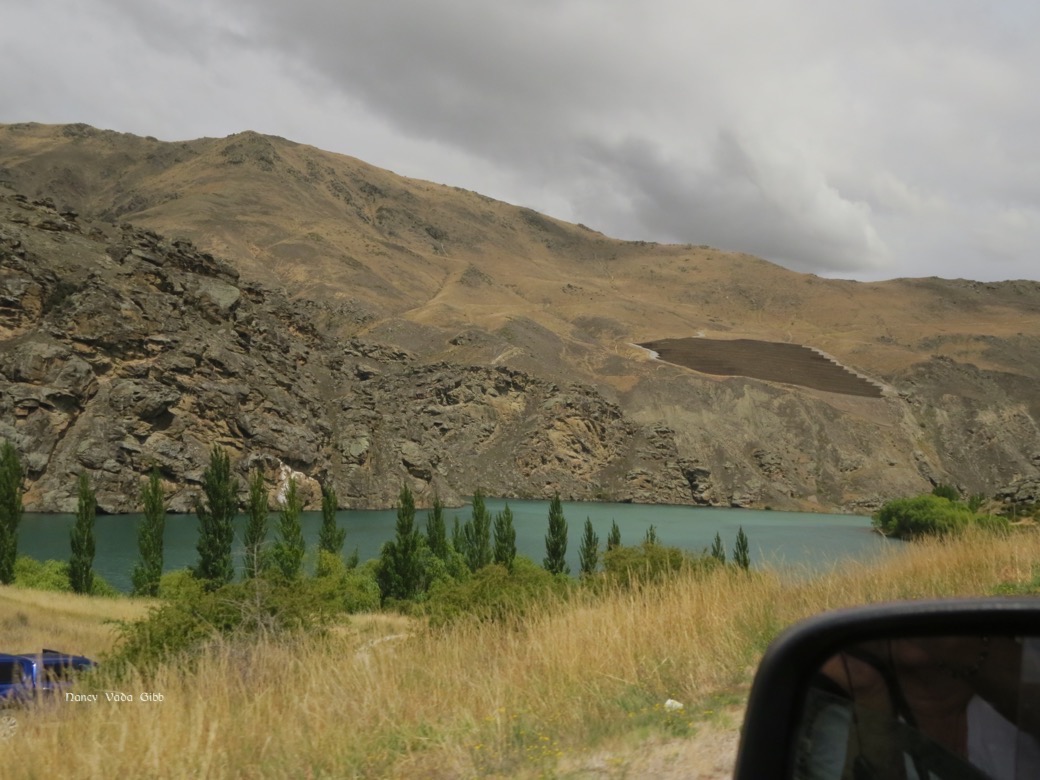






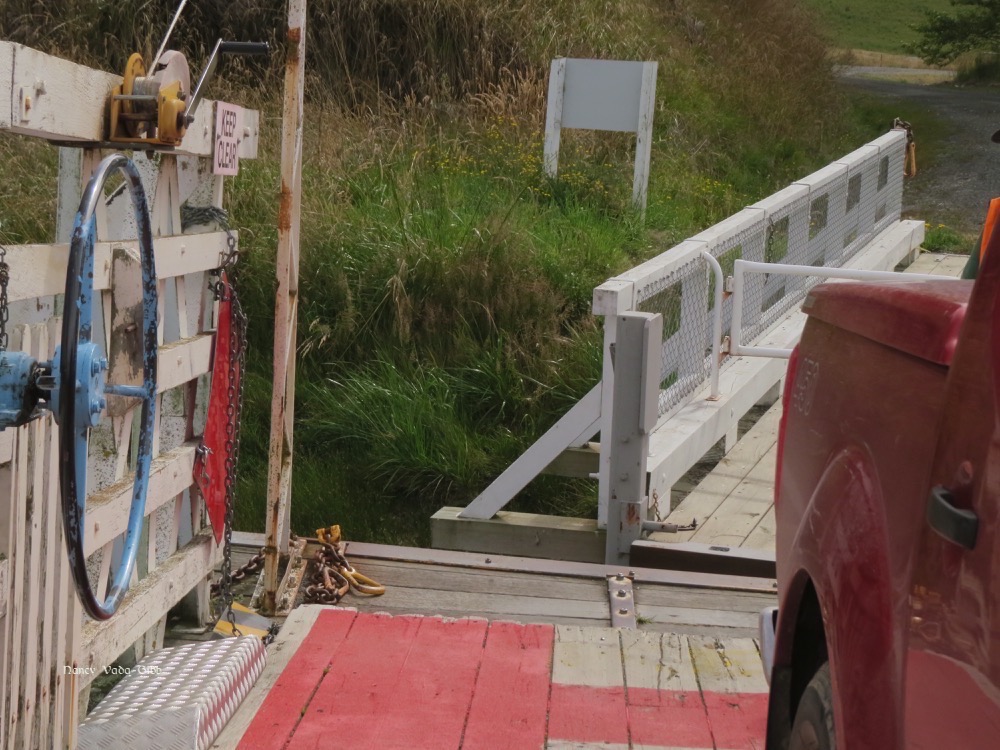
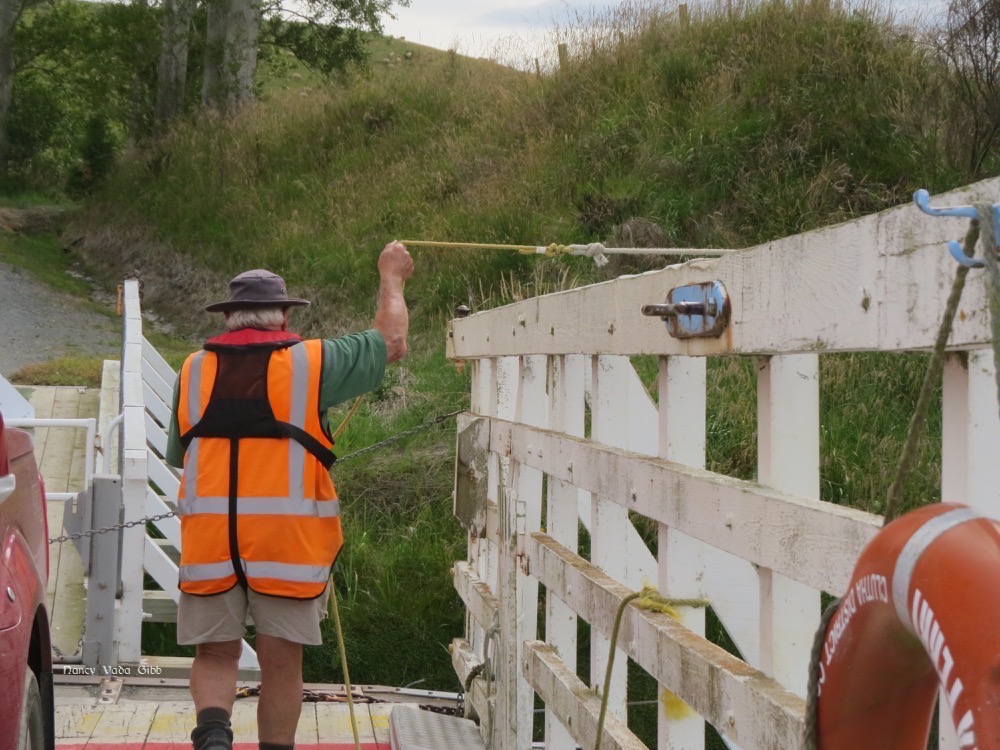
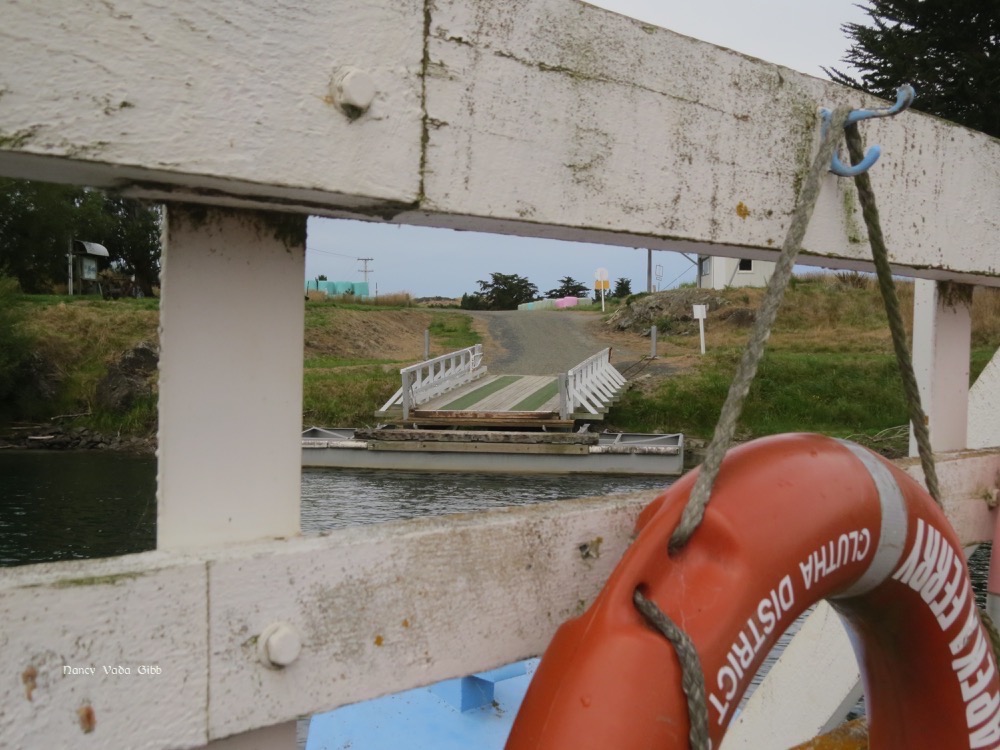
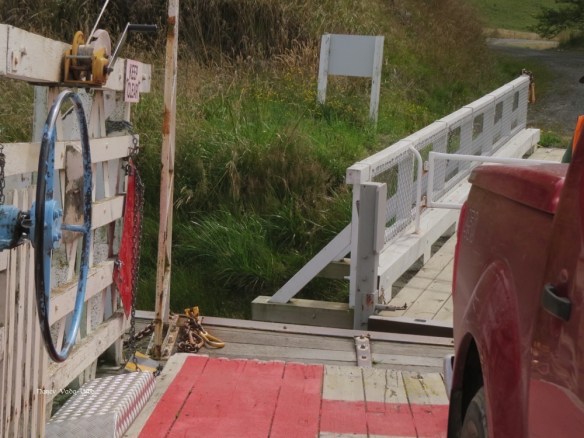
 A sign advised us that the punt only operated between the hours of 8-10am and 4-6pm river level permitting. As it was then about 11 am we determined to continue to Lawrence then return via the road on the other side of the river, cross over on the punt and continue ‘home’ to T5.

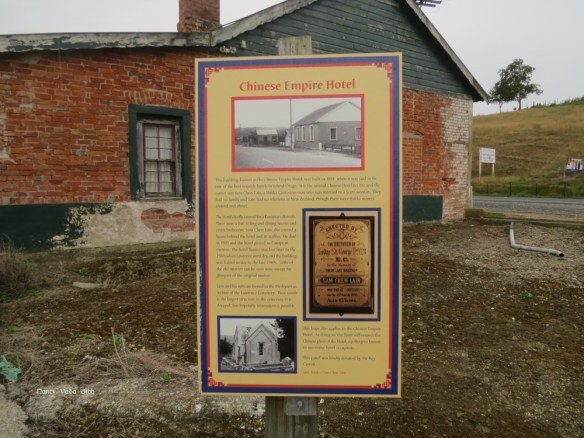
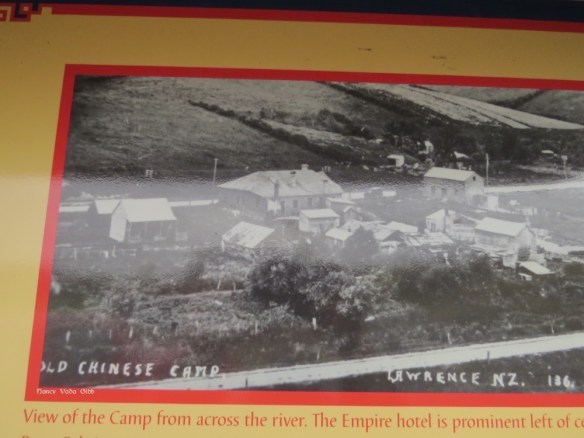


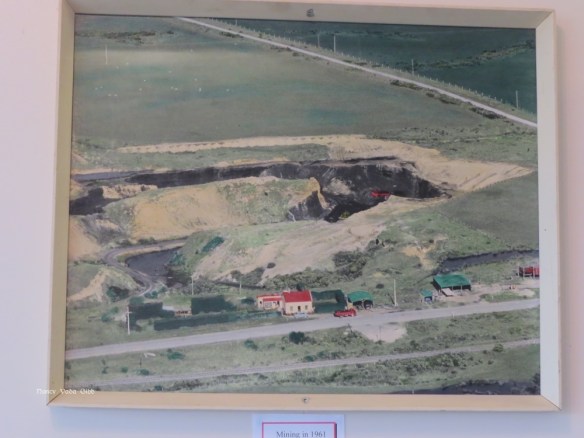
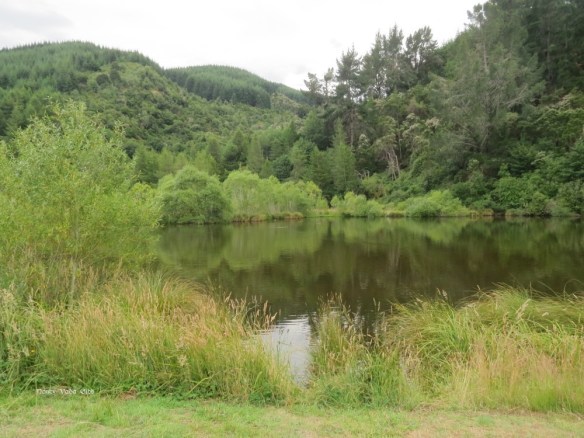 it was a little difficult, looking out over the green valley, to imagine it as it was in the gold rush heyday. Within a few months of the first discovery, thousands of mining holes chequered the valley as far as the eye can see.






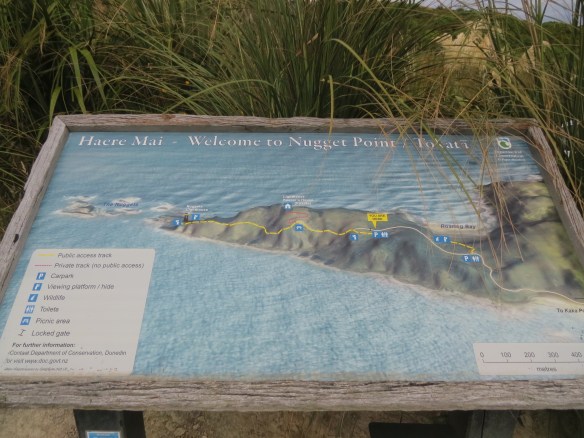

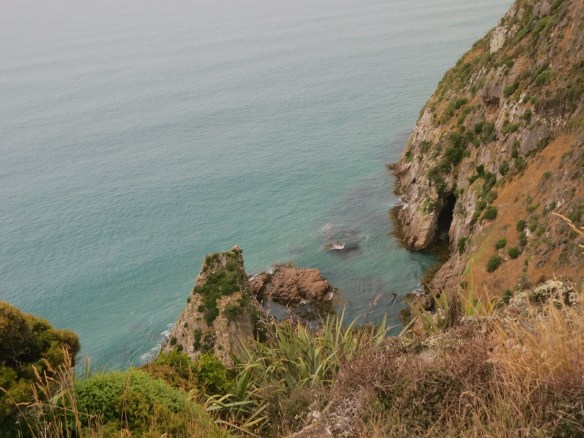


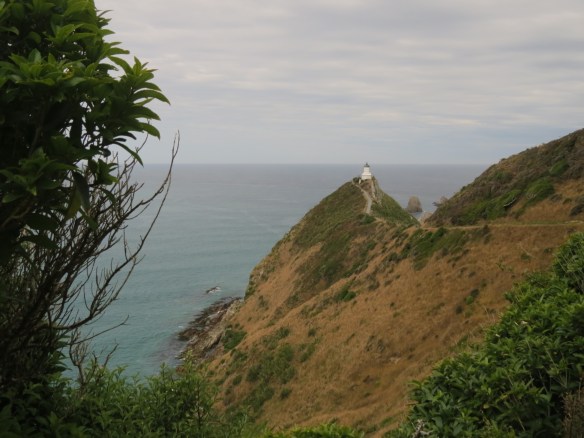
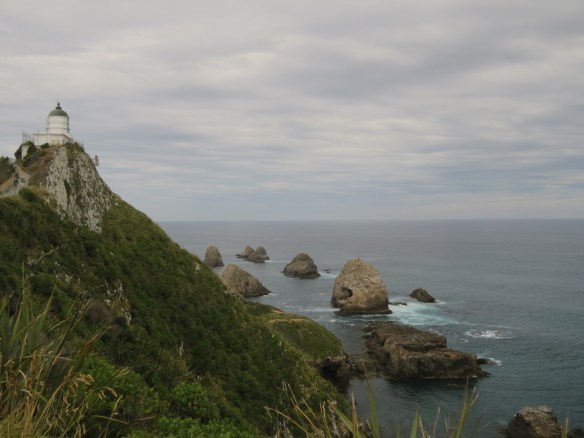
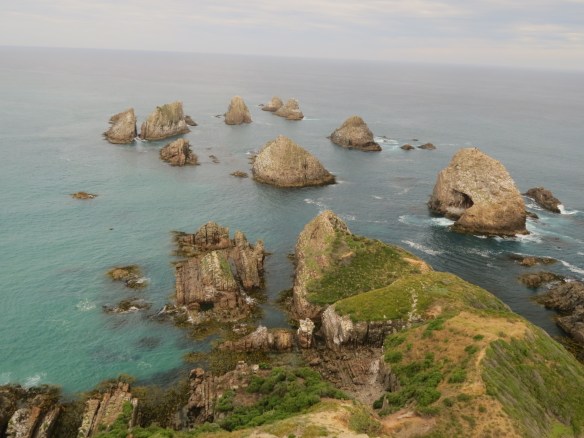


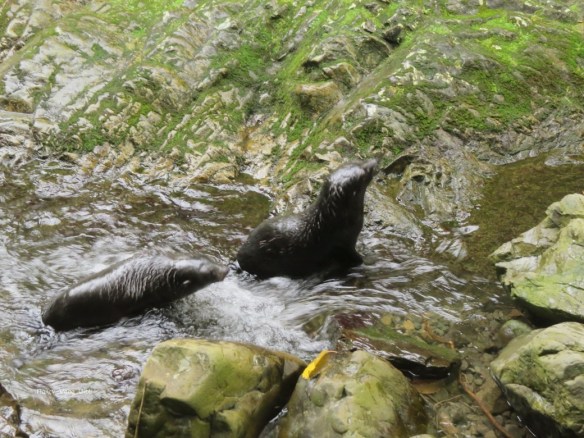
 We also visited Kaka Point itself, a small tourist village offering “excellent swimming and surfing” – when the sun in shining(!). Even though it was mid January the beach was practically deserted. Road signs cautioned drivers to watch for penguins and fur seals crossing but we didn’t see any.