Quote from a very helpful publication “This Month in Broken Hill”: “ Silverton is essentially an abandoned settlement. It was the largest township to exist in the Barrier Ranges before the discovery of the Broken Hill field in 1883…” Silver was first discovered in the area in 1876… but all early mines had ceased operation by 1896. By the end of 1884 there were 1,745 inhabitants with a district population of 4,000. But once Broken Hill was extablished, the population of Silverton declined.
Everyone said we MUST go and visit. So we did.
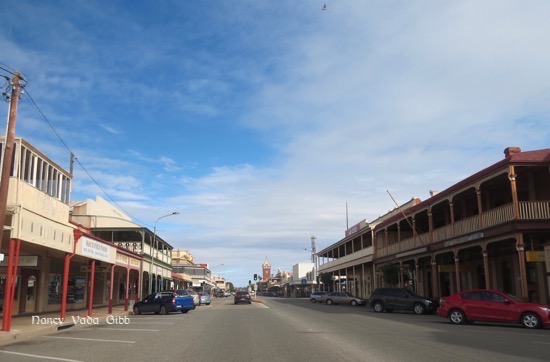
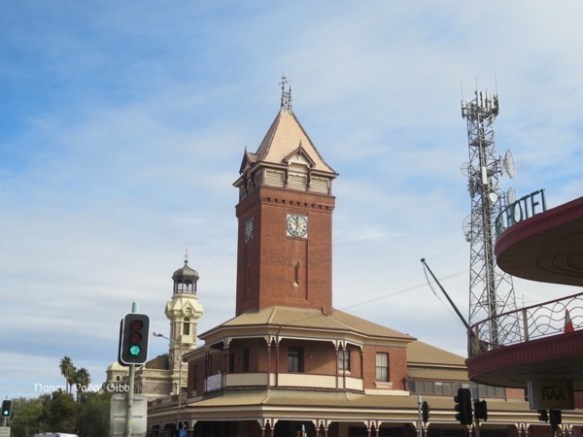
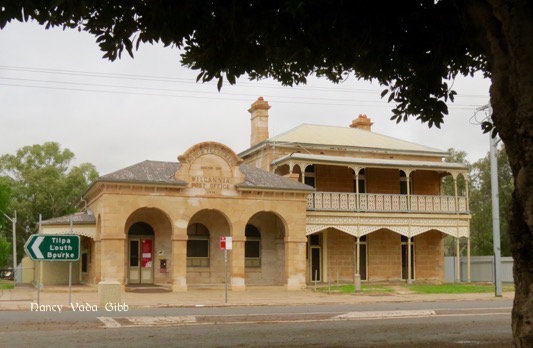
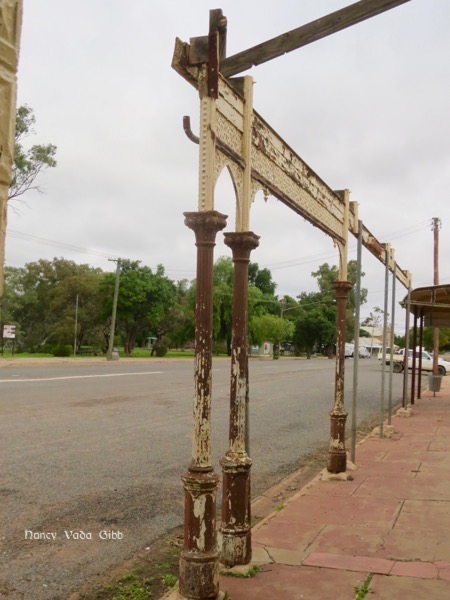
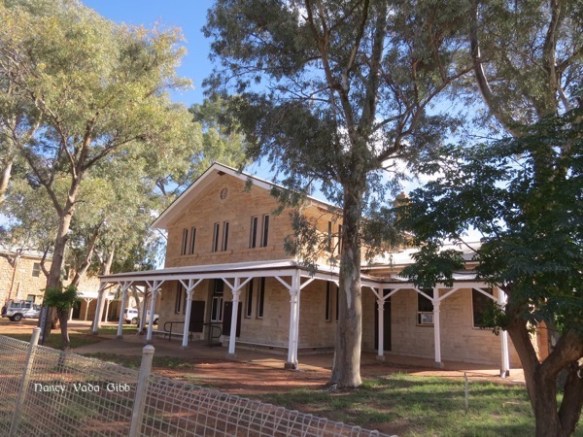
There are only a few houses left in the main street, Including a rather impressive if small “Municipal Council Chambers” ((formed in 1886) and a few private houses. The Council ceased operation in 1899.

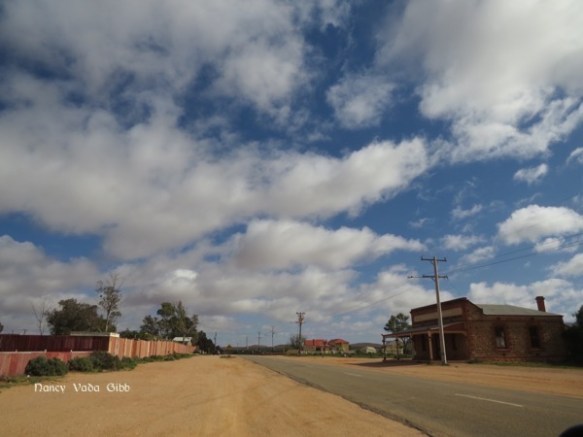
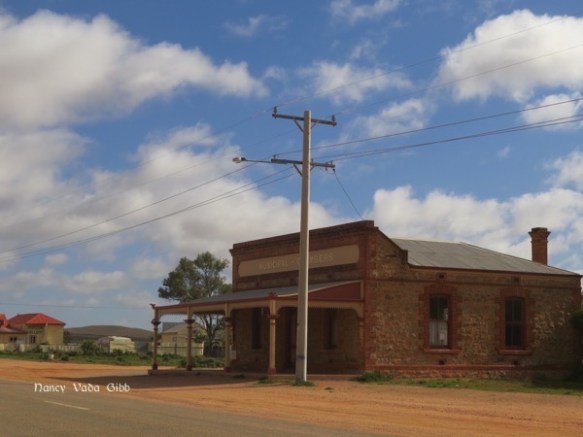
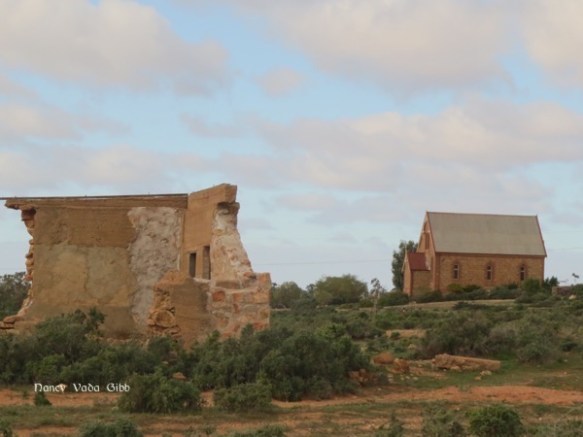
The ruins of other houses are visible here and there. The current population is about 60.

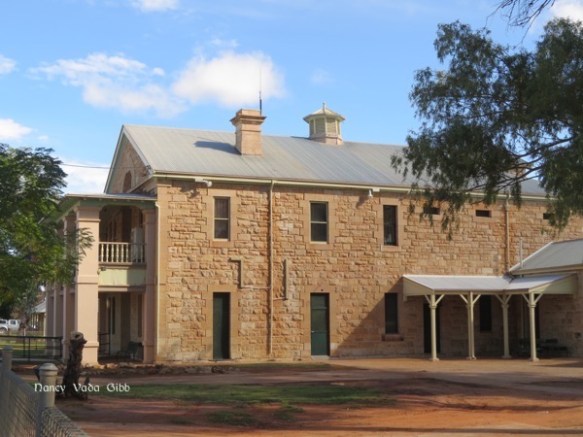
The Silverton Museum on the site of the old Silverton Gaol is chock-full of interesting local memorabilia.

Outside was a mine cage used for transporting men to the underground mine. A complex series of bells signalled at which shaft level the cage had arrived.


Quite a coincidence – the first police officer in Silverton had earlier been involved in hunting down Ned Kelly…. (see my fascination for Ned in earlier blogs).

There were some interesting early characters. Home-brew, anyone?

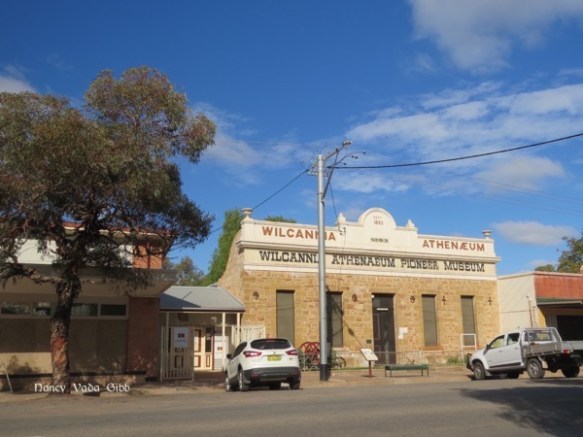
A nice photo of an early mail coach to Wilcannia.

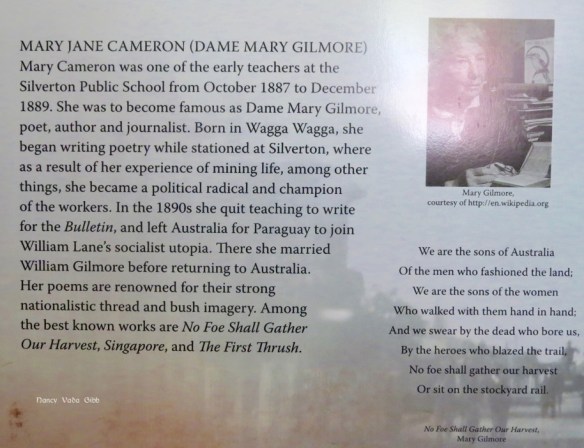
Dame Mary Gilmore (Mary Jane Cameron) was one of the early teachers at the Silverton Public School from October 1887 to December 1889. As an Australian schoolgirl I learned several of her poems, particularly “I love a sunburnt country…”
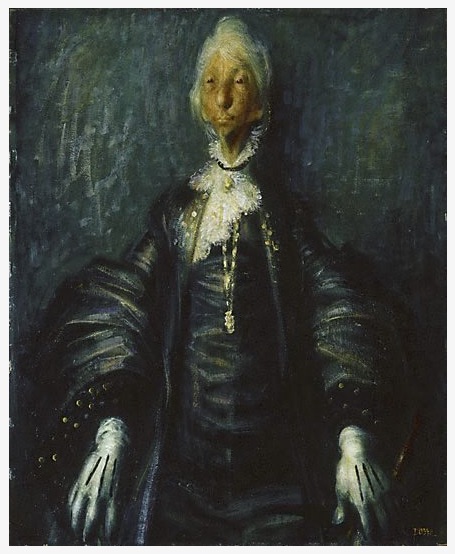
Her portrait by William Dobell was a very controversial entrant in the (Australian) Archibald Portrait Prize in 1957, so I was delighted to find this description/explanation of the portrait:

Here it is, from the NSW Art Gallery website. Certainly controversial at the time. I remember seeing it with my parents.
Various rooms in the old gaol were devoted to specific topics, for example family history. The stained glass window came from a church.

Other rooms notably the original holding cells had examples of clothing – i was most impressed by the light and delicate cotton clothing which looked like it had been starched and ironed only that morning.

This photo of five sisters caught my eye – think of dressing them all!

Part of a hairdressing establishment within the womens’ quarters of the old gaol.

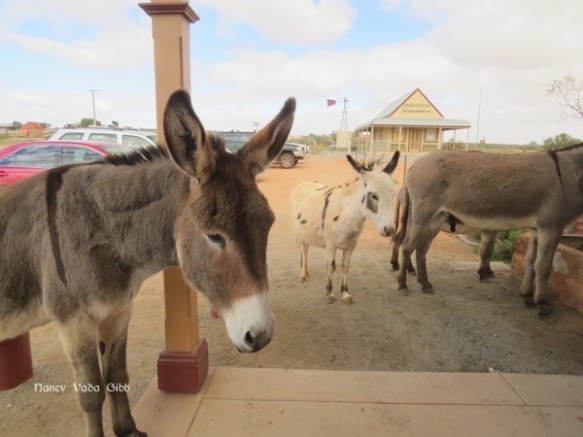
Around a corner was an old pub, the Silverton Hotel, where a couple of donkeys lazed around … inside was quite a collection of toilet humour notices, the sort that are funny seen individually but en masse are quite overwhelming. The same brochure I quoted earlier says “The town provides an intense cultural tourism experience for visitors” . Hmmm !

Just out of town we visited a photographic studio. Extremely good photos, a pleasure to view. The photographer also showed me around her garden, a real oasis. She was one of those rare people who I can immediately lipread almost 100%, so I didn’t want to leave! She also breeds horses. A lonely life but she seemed to flourish.
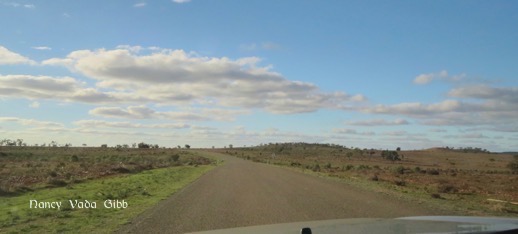
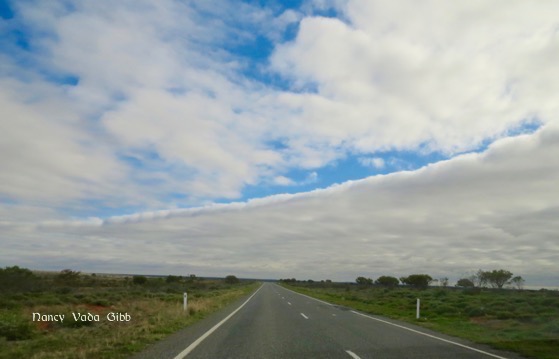
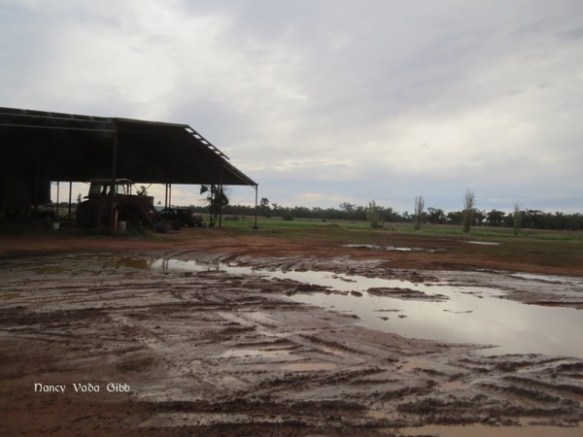
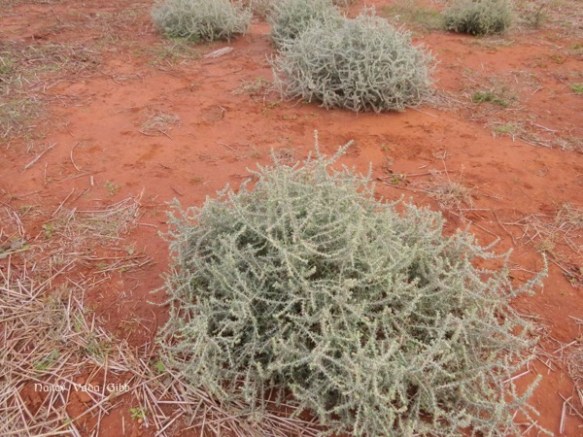
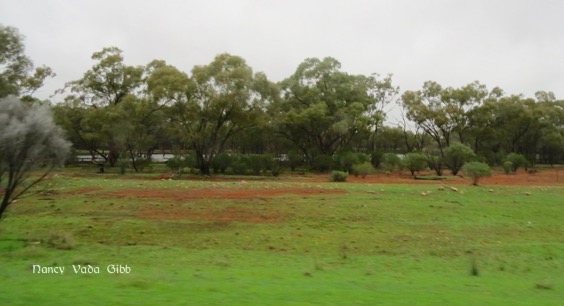
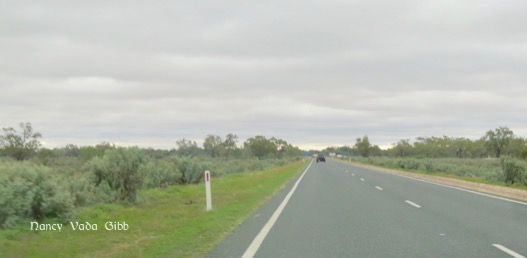
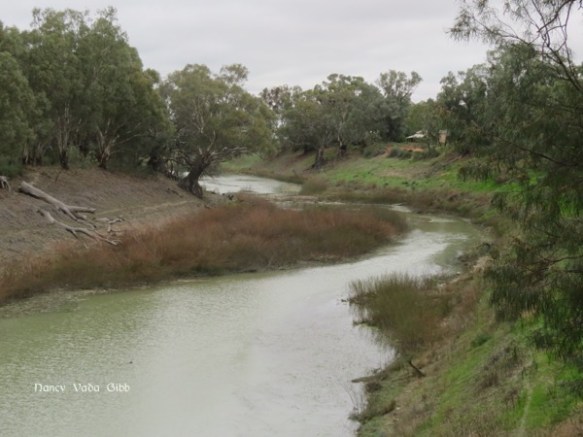
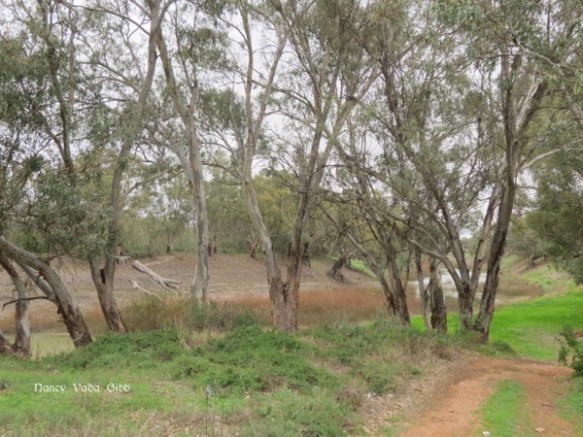
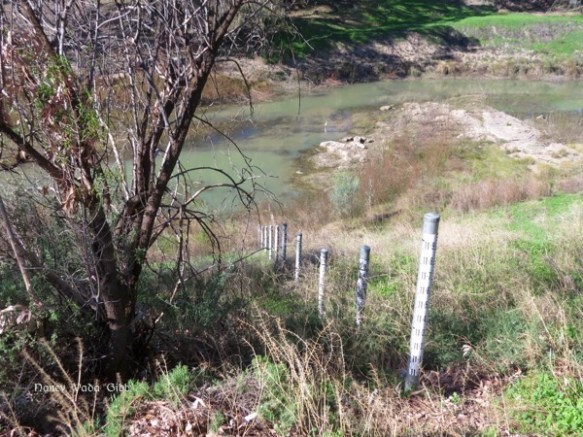
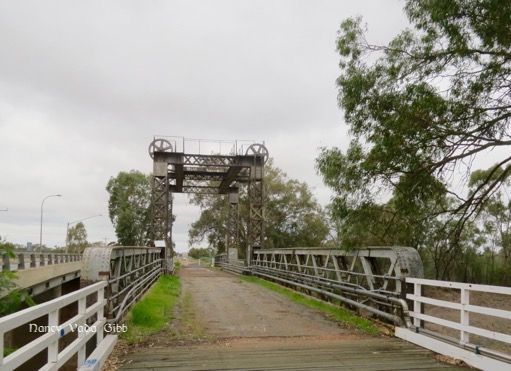
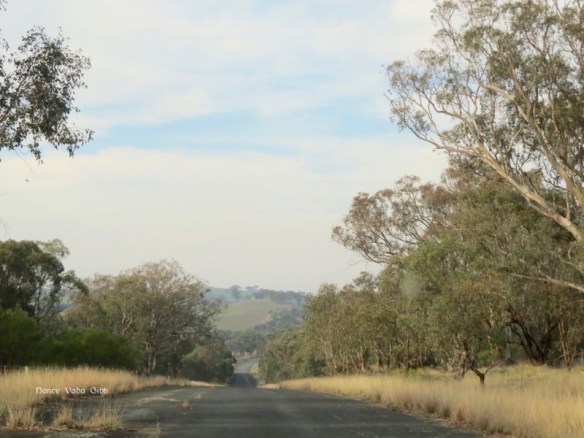
On the road back to Wilcannia we crossed a bone-dry river bed. Yet there had been rain recently, there was plenty of green grass along the roadsides.

We returned to our camp at Broken Hill and next day set off back to Cobar via Wilcannia, with a detour and overnight stay at White Cliffs.






























































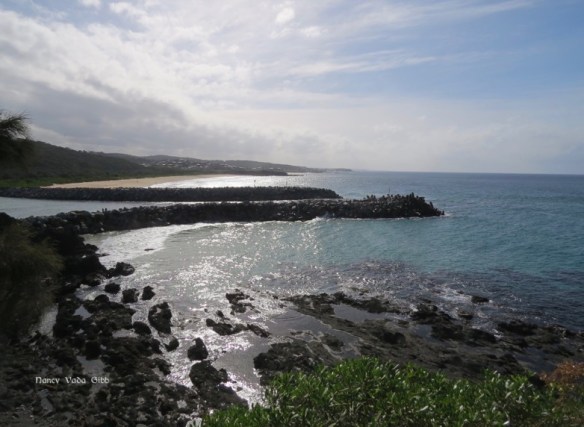
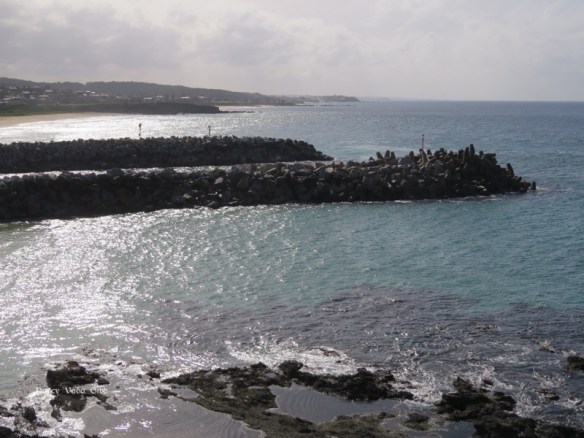


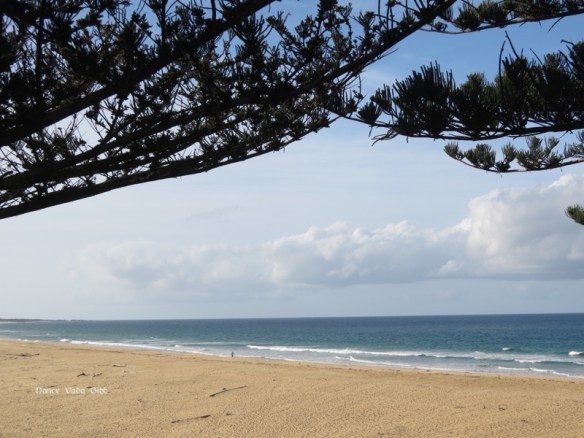
 A little further up the coast we stopped at Tuross Head to have some ultra-fresh bread rolls for lunch-with-a-view. A lone surfer kept us entertained, then a lone beach walker arrived. We met up with him a little later and he said he walks about 5 km on the beach every day.
 One night at Braidwood; we woke to see early-morning tai-chi on the nearby golf course.



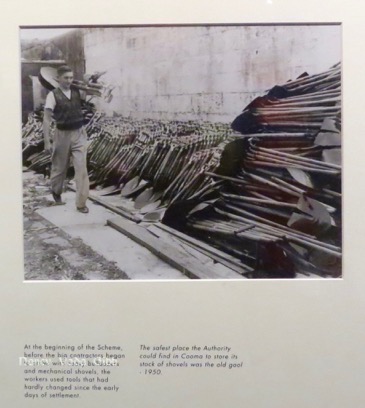
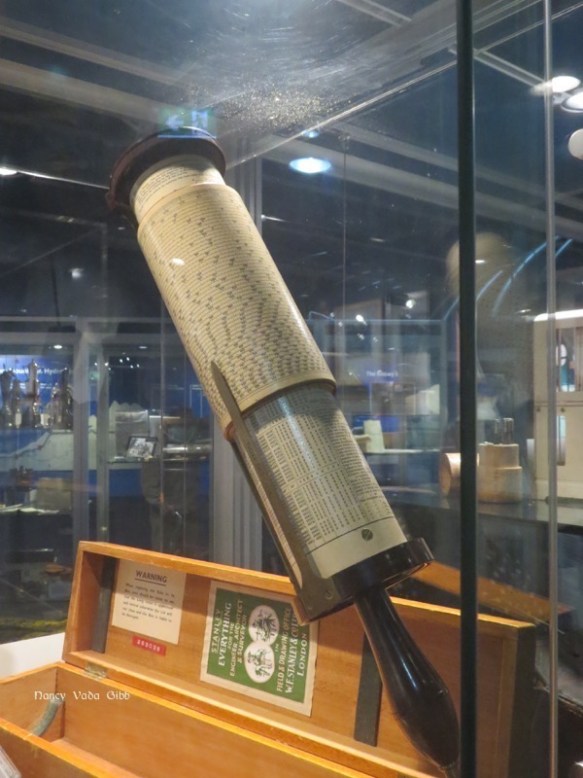
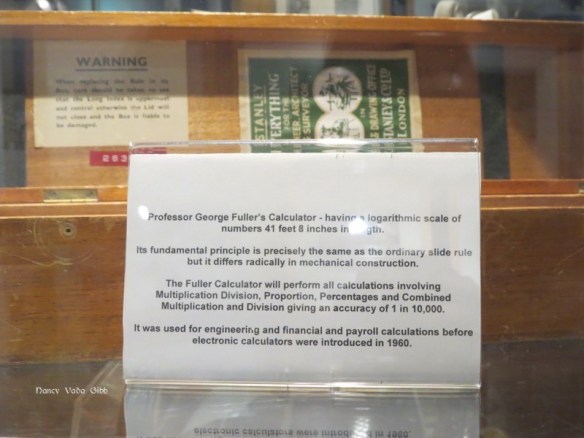
 One must-see was the Snowy Hydro-Discovery Centre just outside Cooma. Not only for the quality of the exhibits and the delicacy of the little cakes at the cafe but also the sight of a small group of “Lace Ladies” who invited me to view their work. Three were making incredibly delicate old-fashioned lace with numerous spindles, another was doing tatting and gave me a lesson (I still have a tatting bobbin somewhere at home).







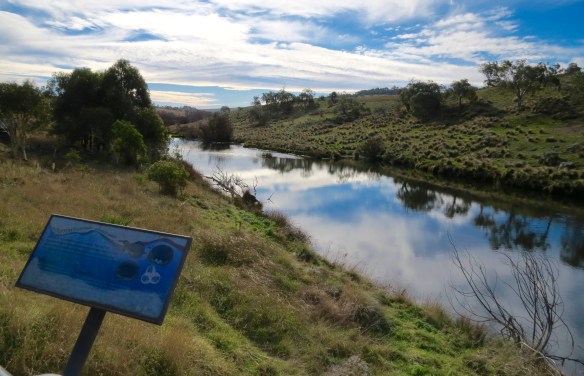 From Bombala it was a long twisty ride down and down and down the Darragh Mountain Road to Merimbula.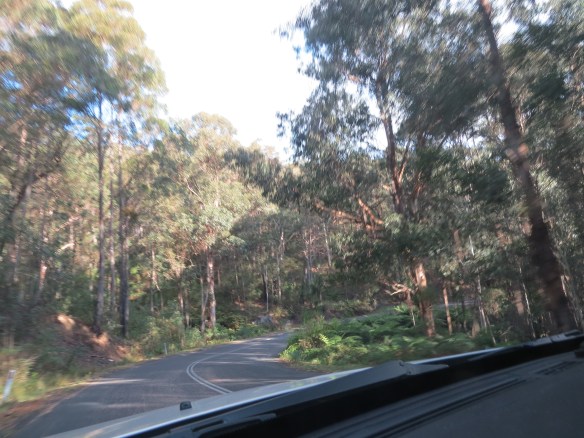
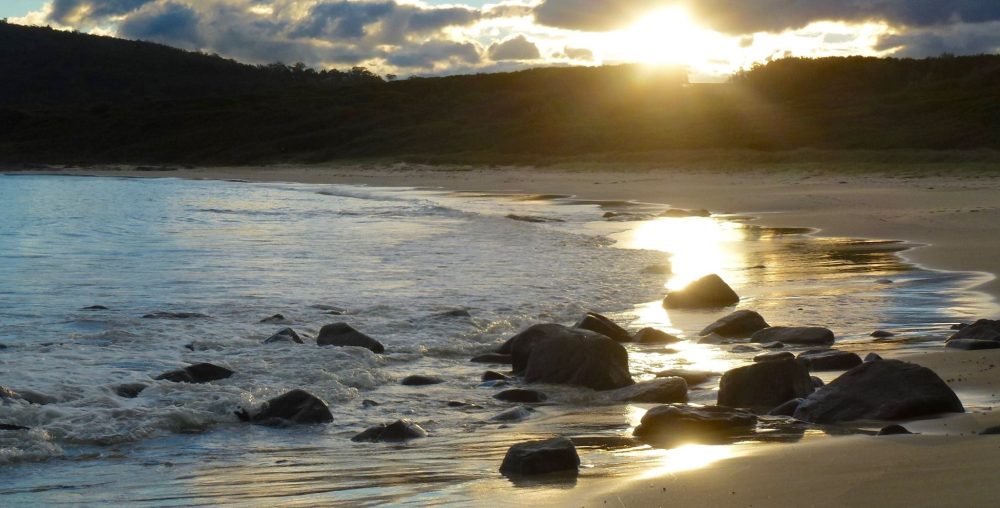
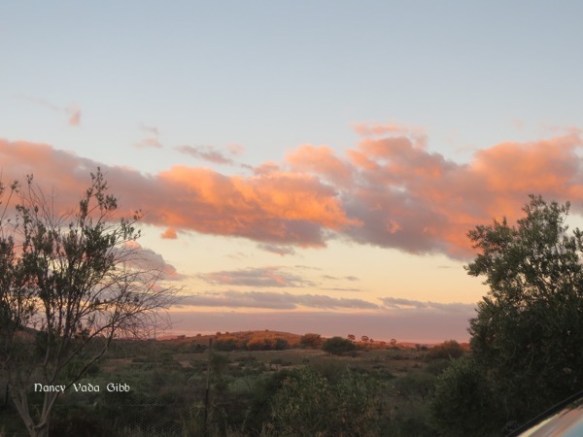
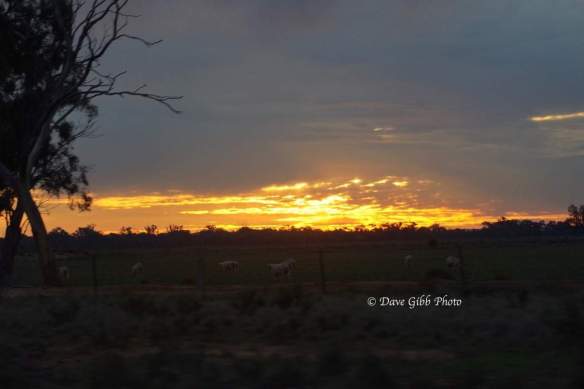
 We planned to stop over at an Australian Motorhome and Caravan Club POP at Pambula but several phone calls to the owner were unreturned (she did make contact next day, she was in Sydney). We went to the place anyway but found it deserted and on a narrow road with a difficult entrance, so continued to Merimbula where we were soon settled in a camp just as the sun was setting. Yes, another sunset shoot!

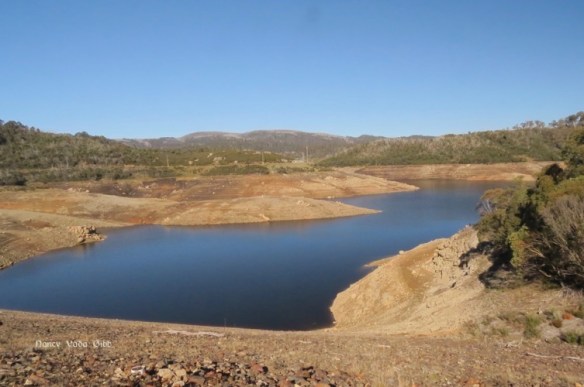
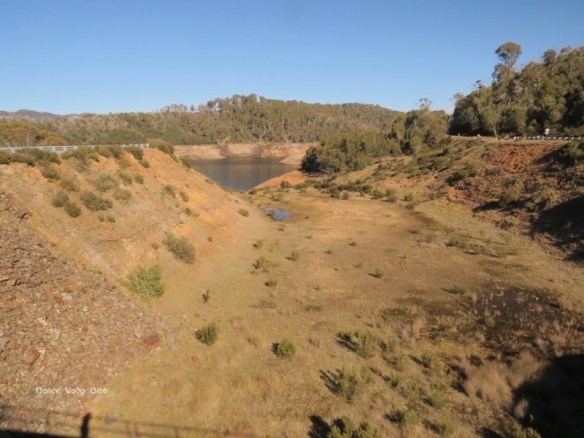
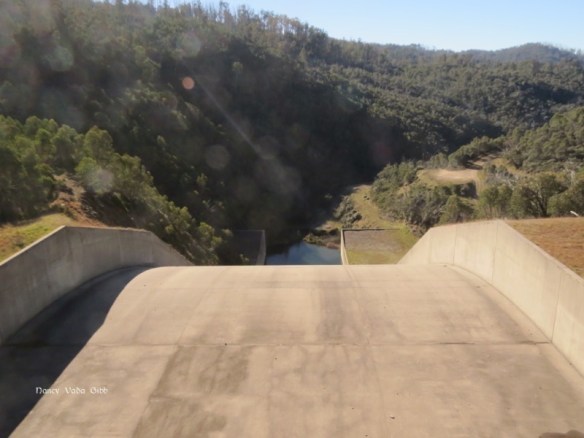
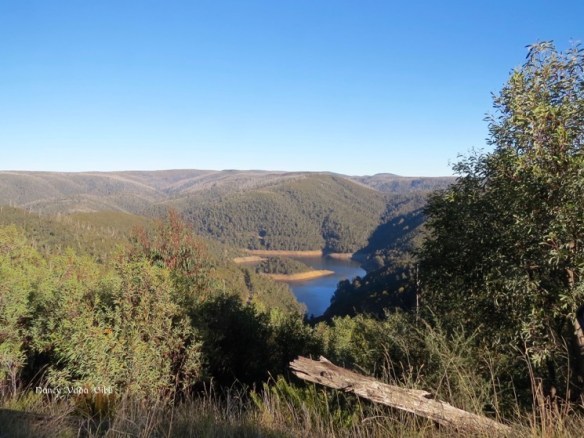
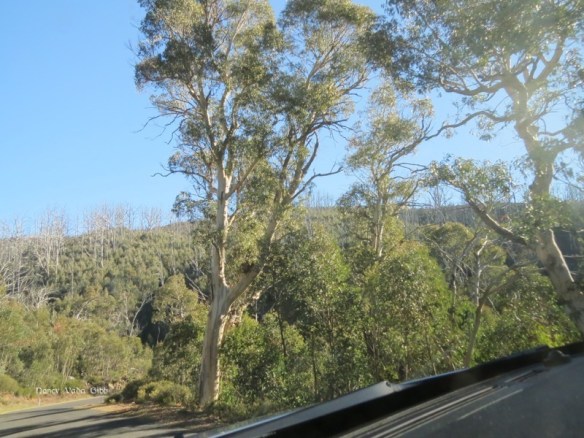
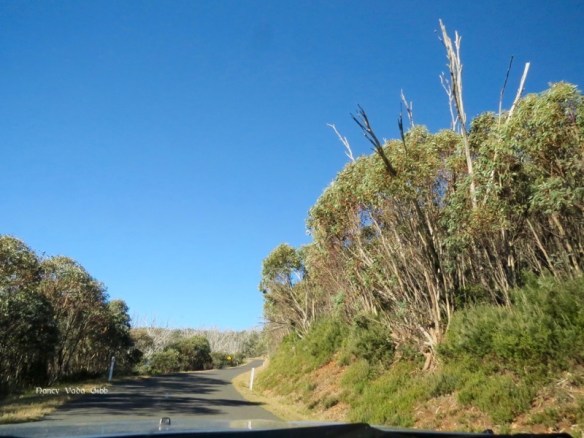
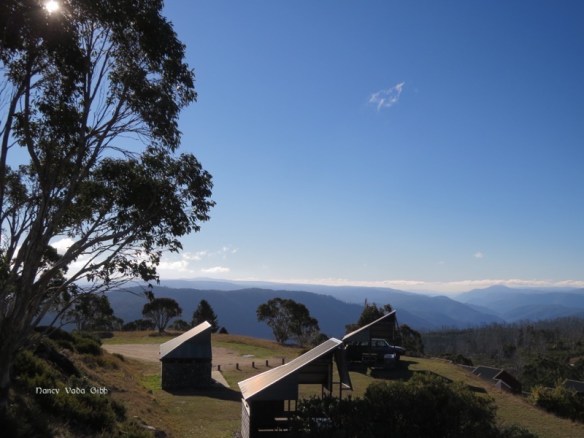
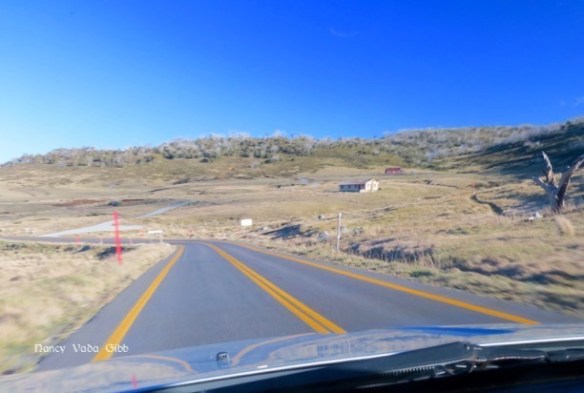
 We only met a few other vehicles the whole 60 km to Cabramurra. About half way we stopped to view the Tooma Dam. it was sad to see how markedly the level of water had dropped since the dam was first built.






 Nancy's Families