We stayed at Peski’s for four days, making sorties into Geraldine when the weather wasn’t too bad. We regretfully gave the 1882 Cafe a miss (“next time”) but did go to view an amazing recreation of the Bayeux Tapestry. Made from million tiny pieces of spring steel, the teeth of patterning discs from an industrial knitting machine, stuck to heavy duty sticky tape, polished with black boot polish – yes really – and then hand painted with the teeniest paintbrush, one tiny tile at a time, it is a real labour of love. Created by Michael Linton, it took 20 years plus a further five years for Michael and his daughter to research, design and create the ‘final section’ of the mosaic. Only eight colours of paint were used, as in the original tapestry, and the whole mosaic measures 42 metres. www.1066.co.nz
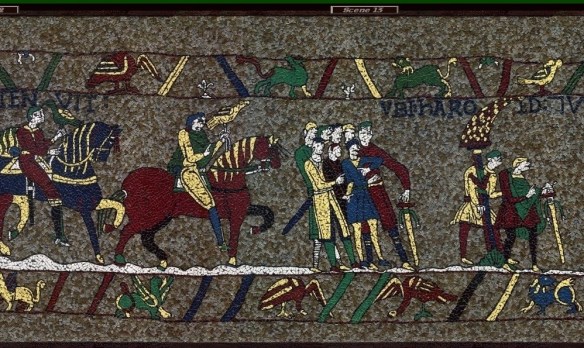
We bought an interactive DVD-ROM which describes the Bayeaux Tapestry in detail, plus it has many other features including lots of mind-bending puzzles. Have you ever really checked out all the figures and animals in the top and bottom borders, not to mention the main figures which tell the story? All are described minutely on the DVD-ROM. Here is a small sample, I hope I’m not breaching copyright posting this very small section – see the website for a photo of the whole. The central figure is Earl Harold of Wessex. Harold was King of England from January 1066 until his fall at the Battle of Senlac on October 14 1066. He is mounted on a palfrey, which is also described in detail.
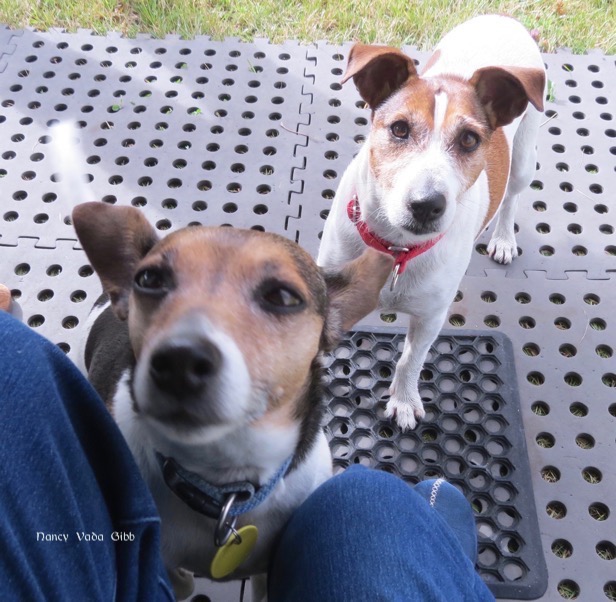
Back at Peski’s, Penny told us there was a dog in the mobile home which had recently arrived and set up near us. But it wasn’t just a dog – it was two glorious German short-haired pointers. what’s more they were dripping wet, not so much from the rain but from having a swim in the nearby creek! They reminded me so strongly of an old friend’s dogs which took me for a walk (not vice versa) in Melbourne some years ago. A great reminder that it was more than time to get in touch with my old friend again (which I did, and we’ve exchanged several emails since and REALLY caught up on news of our respective families).
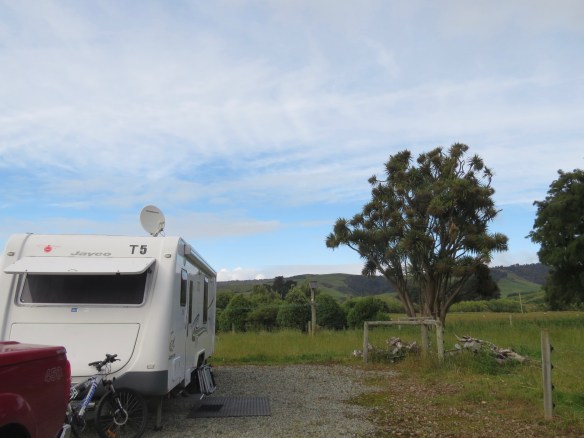
It was time to get back to Christchurch and do some gardening in preparation for yet another Open Home as we try to sell our home of five years. We stopped for coffee at Ashburton. For years we always stopped at the Blue Cafe at Tinwald but it has now closed. However the large Robert Harris cafe near the Christchurch end of the main street has proved very good, with wonderful pastries and usually space to park, even T5.
Back home we parked in our old driveway, the tenants have gone and the house is empty, so we could use the shower and also store some gardening equipment in the garage temporarily. There was quite a bit of gardening to do, all the rain had certainly had effect. It was very nice to be back in my garden for a while, I have missed it very much while on the road. A neighbour popped over to check out who were were, a gesture we appreciated.
Since writing the above we have decided to withdraw the house from the market, put the tenants back in for nine months while we take off to explore Australia, then after that we will move back in for several years while we do some renovations.
It was very pleasant catching up with old friends and renewing acquaintances with the neighbourhood. We were just in time to bid the long-time local chemists goodbye as they are retiring. Penny and I had a pleasant walk visiting our old haunts, how some of the trees have grown.
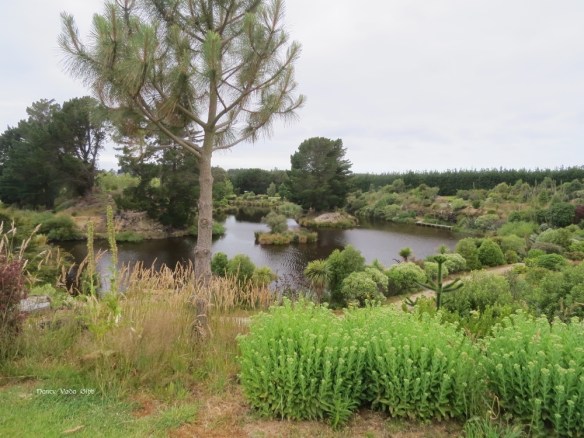
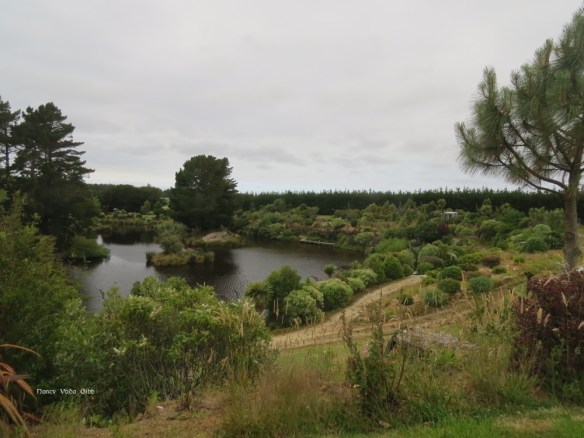 Although the cafe was not officially opened at that time we were warmly welcomed and coffee prepared.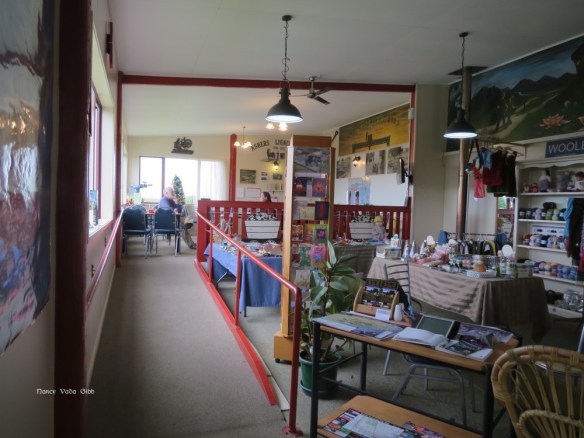


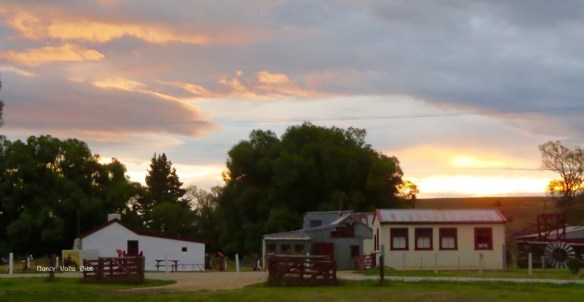





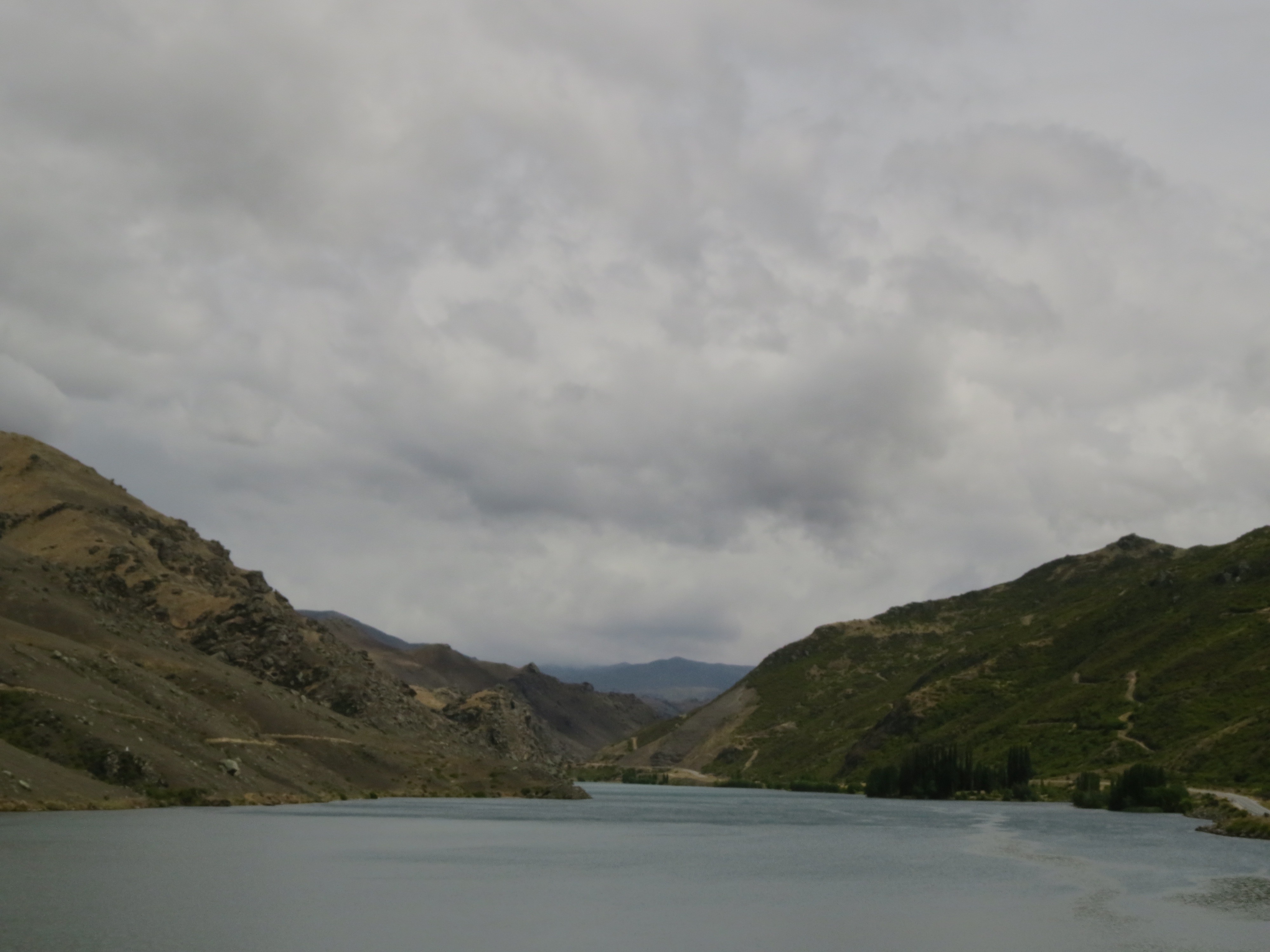
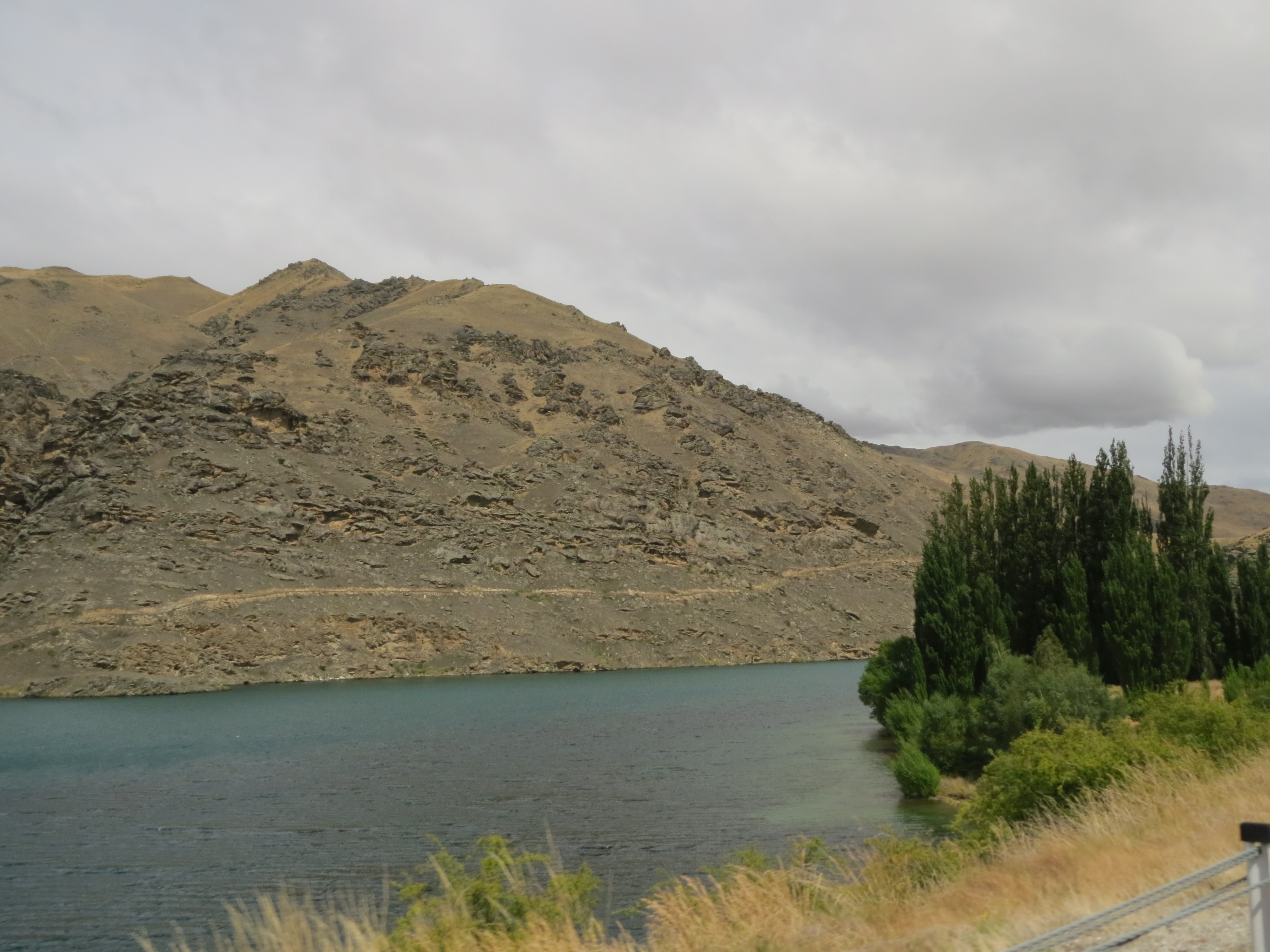
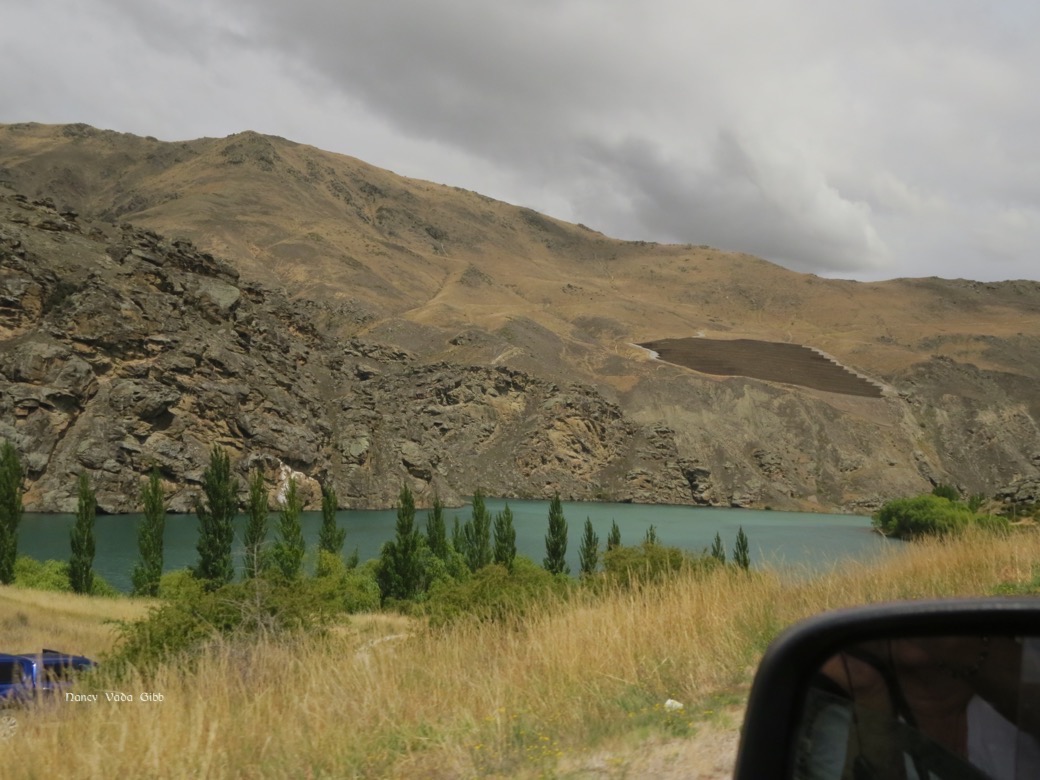
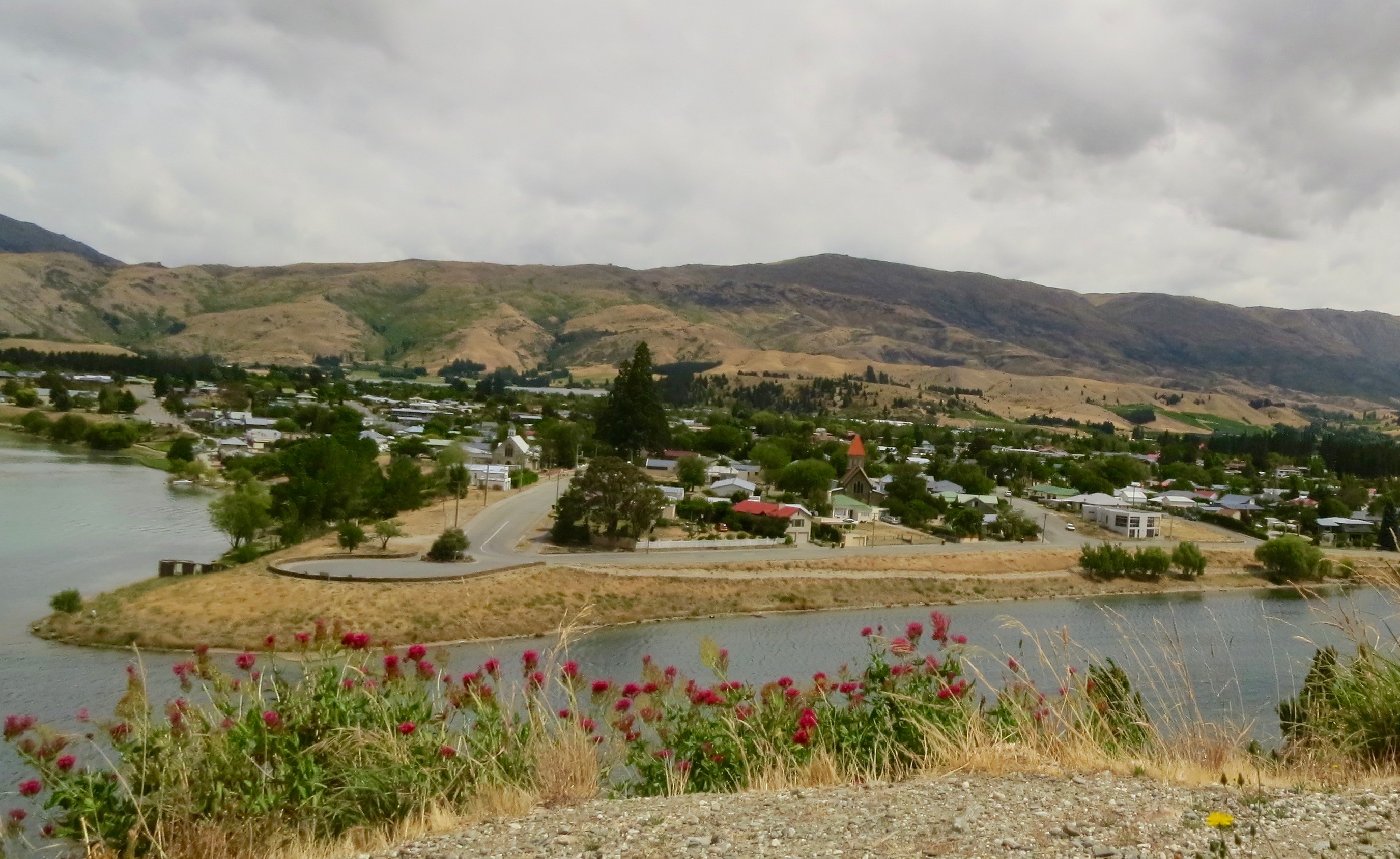






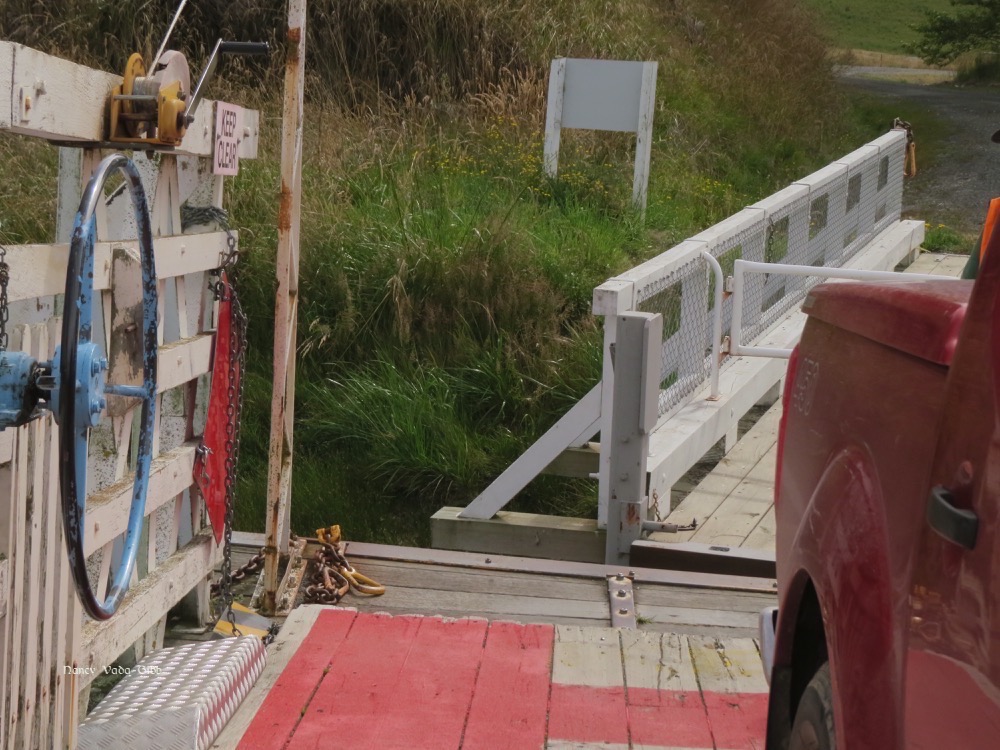
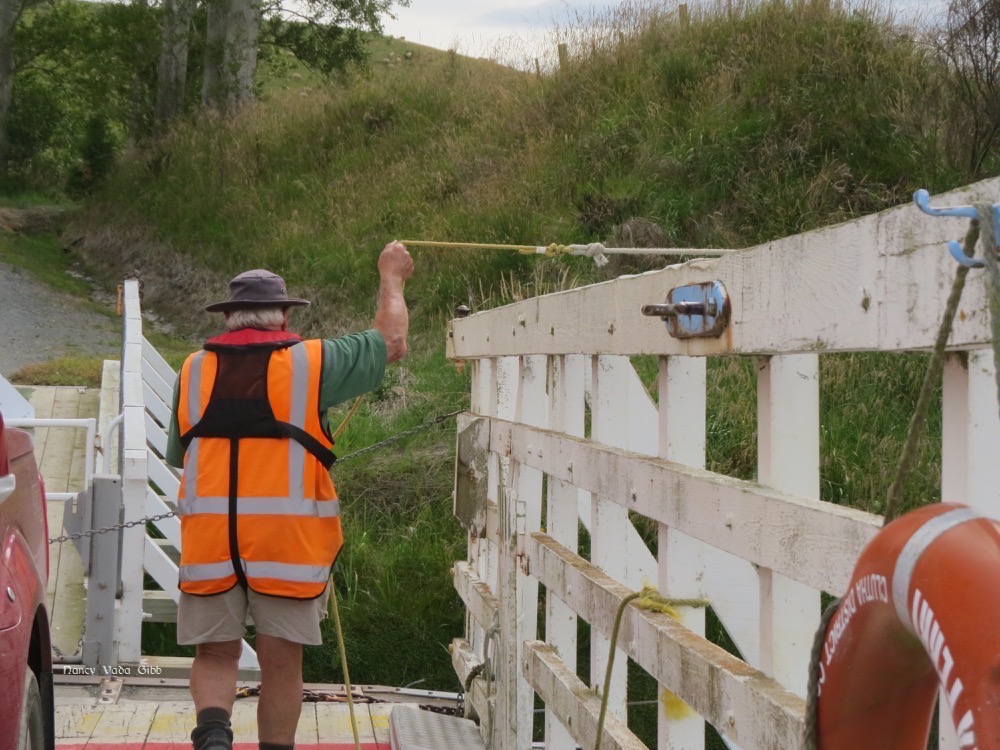
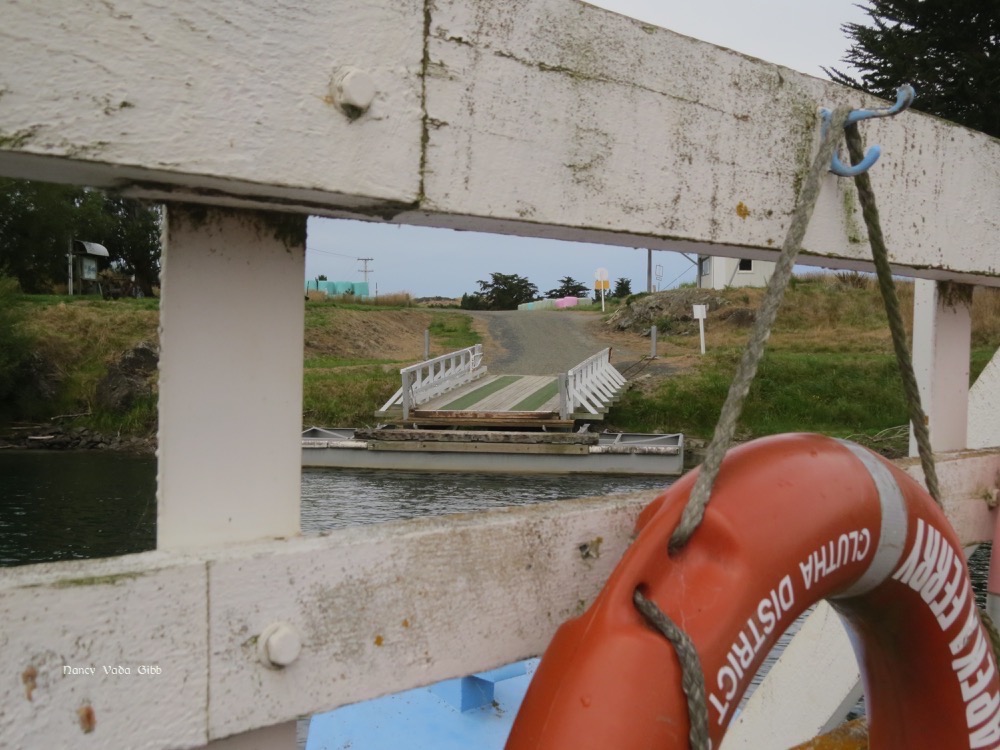
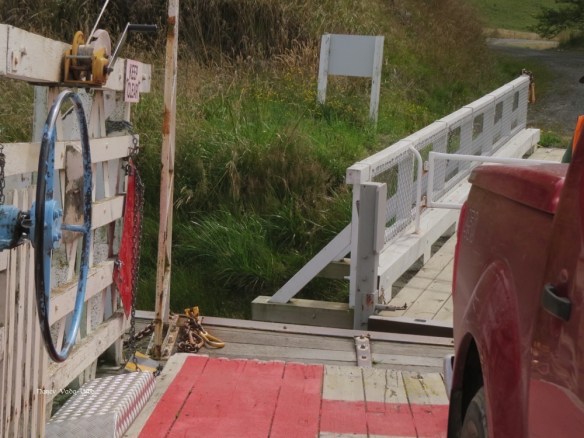
 A sign advised us that the punt only operated between the hours of 8-10am and 4-6pm river level permitting. As it was then about 11 am we determined to continue to Lawrence then return via the road on the other side of the river, cross over on the punt and continue ‘home’ to T5.

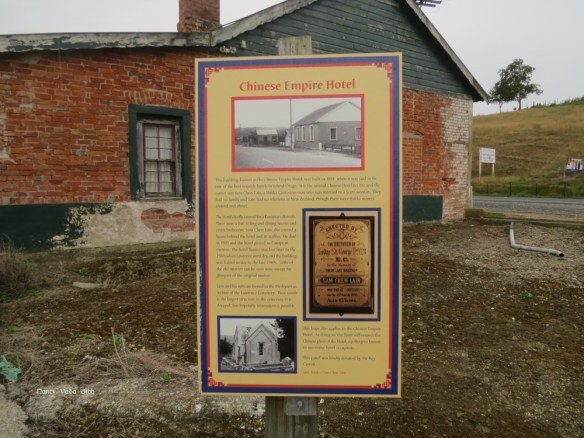
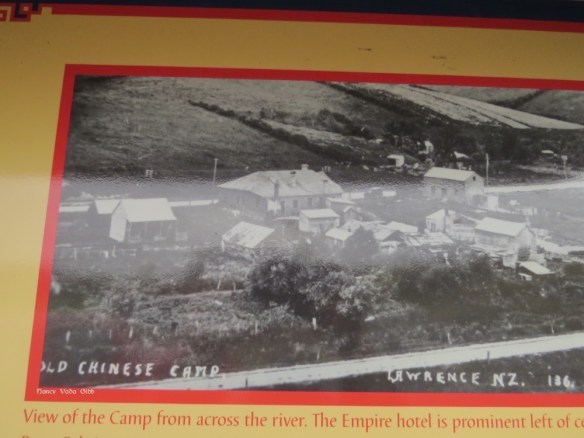


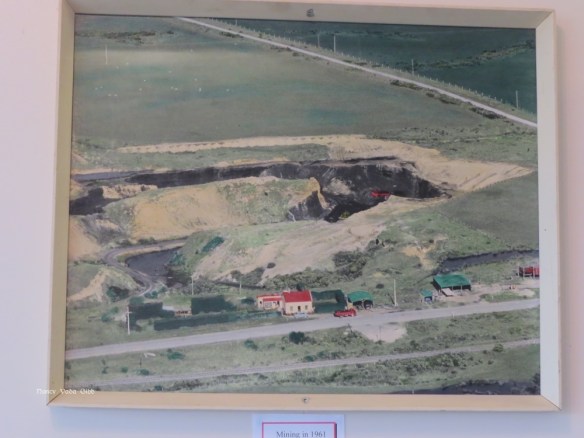
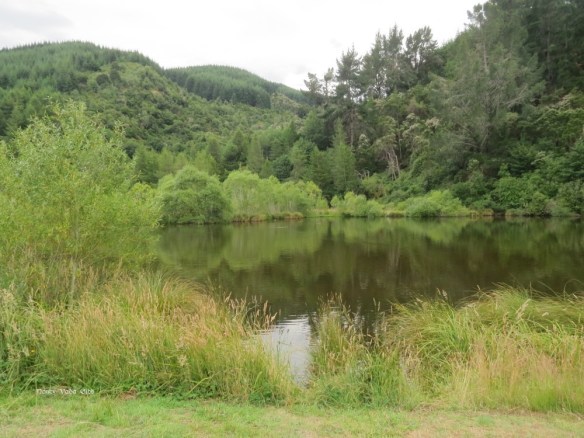 it was a little difficult, looking out over the green valley, to imagine it as it was in the gold rush heyday. Within a few months of the first discovery, thousands of mining holes chequered the valley as far as the eye can see.






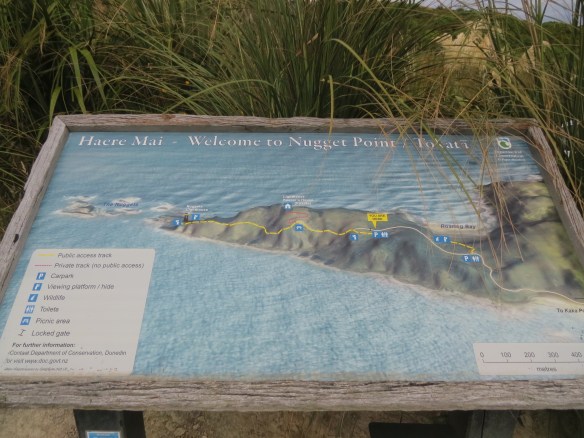

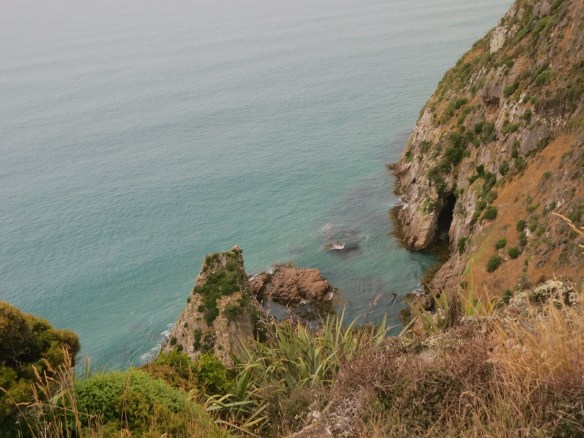


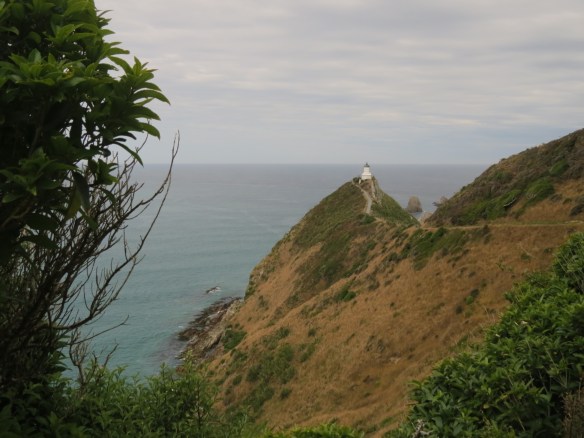
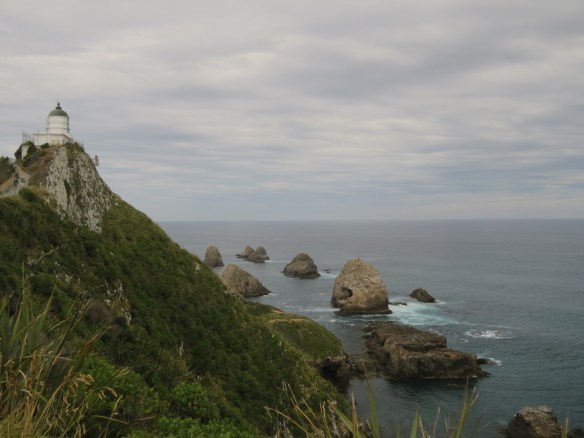
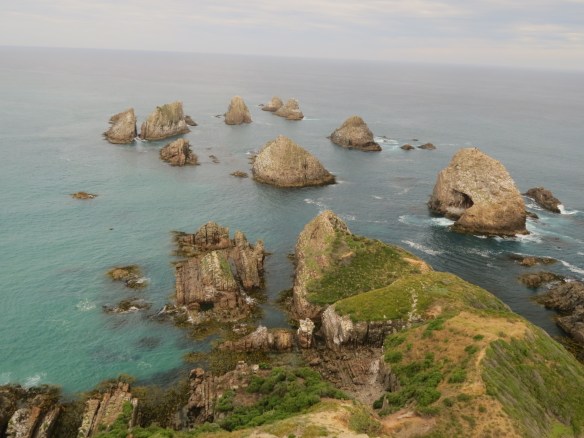


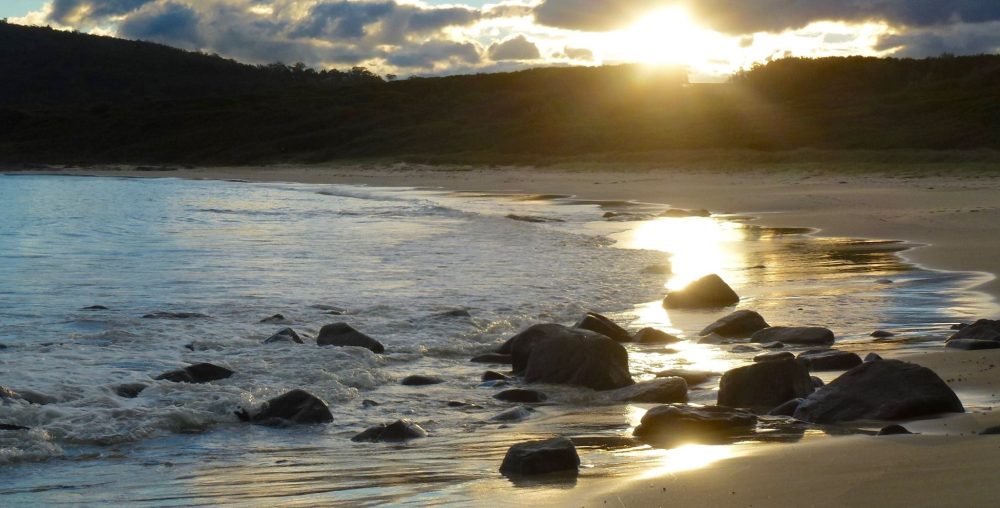
 We also visited Kaka Point itself, a small tourist village offering “excellent swimming and surfing” – when the sun in shining(!). Even though it was mid January the beach was practically deserted. Road signs cautioned drivers to watch for penguins and fur seals crossing but we didn’t see any.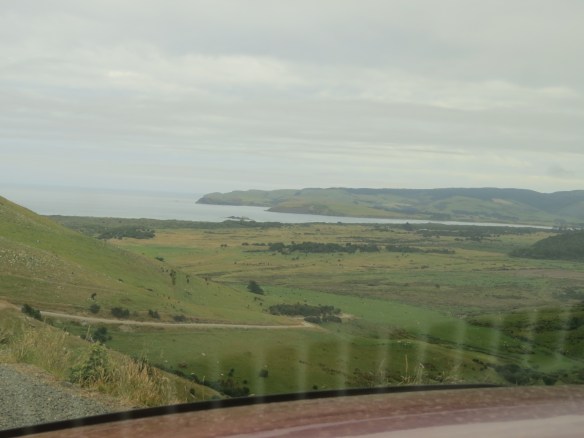

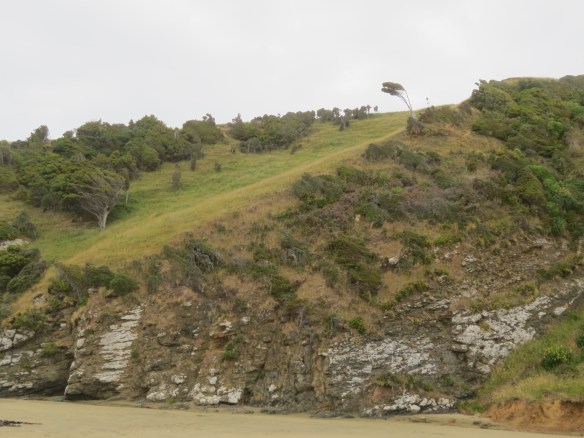
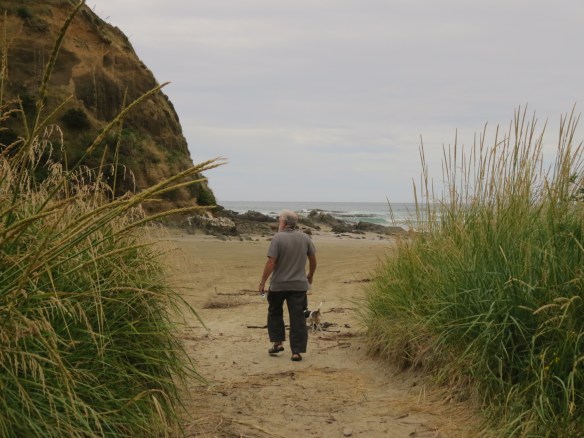
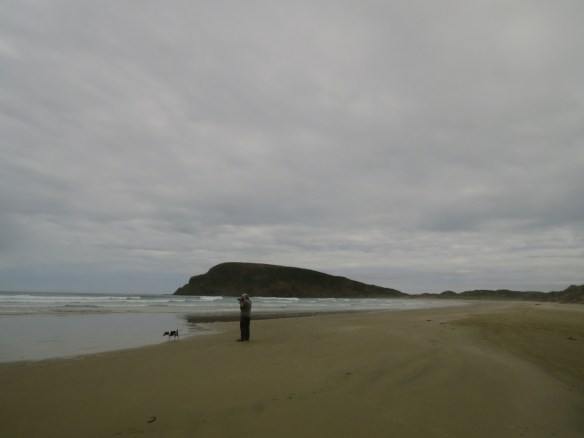
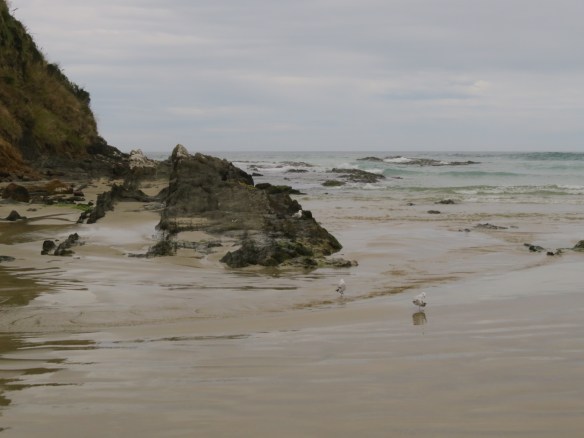




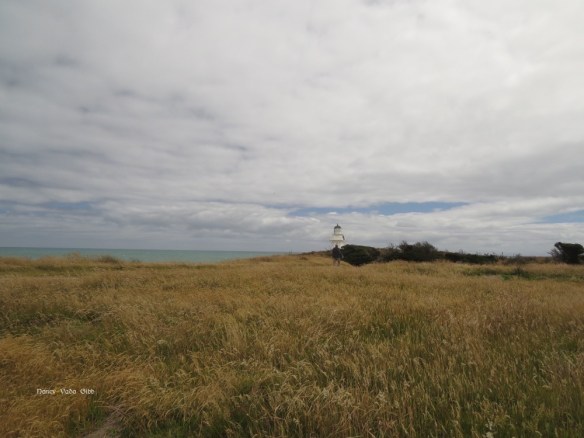
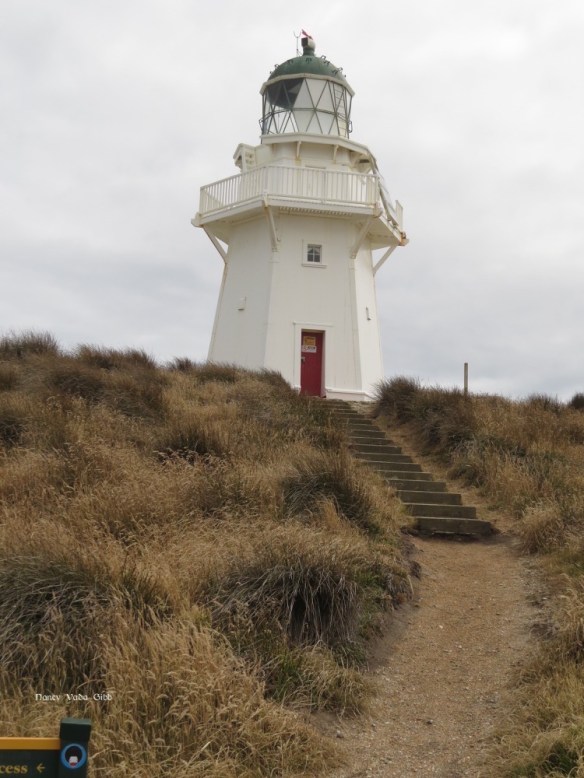


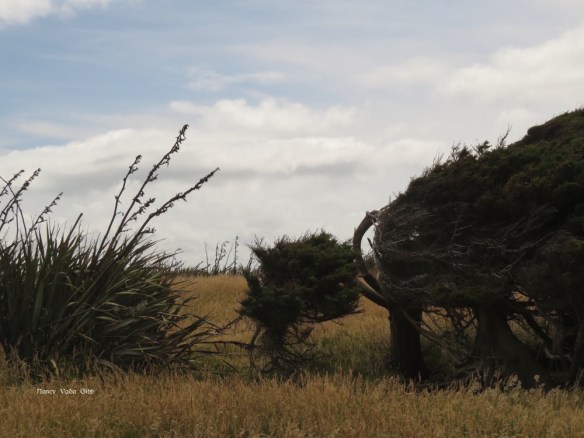
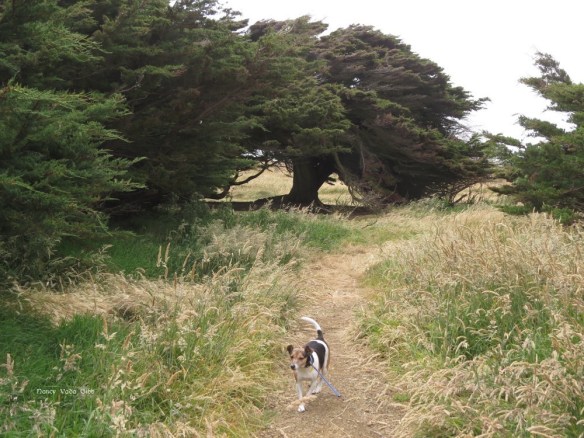

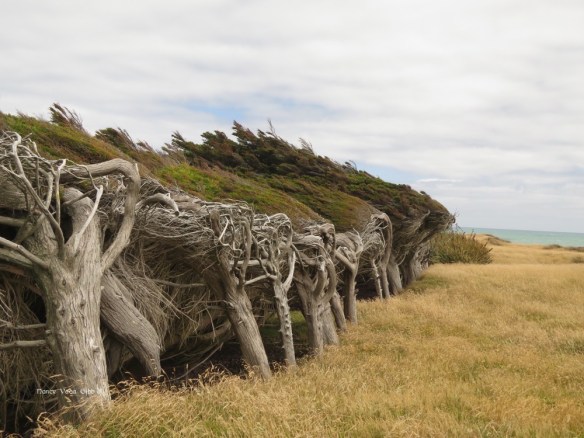


 Some days later, with T5 ensconced in Invercargill we ventured further afield to Riverton for lunch. It seemed much further away than either of us remembered! – actually about 36 km. Lunch was in an old building where Mrs. Clark’s Cafe has been going for over 100 years. Highly recommended.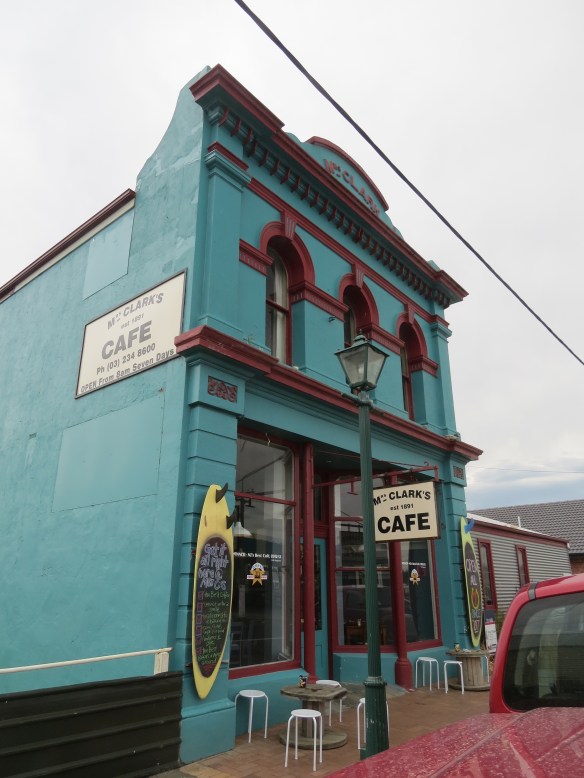

 We stopped at Hayes’ Engineering shop on the way back from Riverton. Besides an amazingly comprehensive stock of motorcycle parts etc plus old motorcycles and some cars, it had the best stock of gourmet kitchenware that I have ever seen. I wandered around for at least half an hour, a luxury I seldom enjoy on my own but this time Dave was engrossed with the motorcycles and the contents of Burt Munro’s shed(s) – “Offerings to the God of Speed”. Unfortunately caravans are not the best place to keep a stock of gourmet kitchenware so I contented myself with a two-ended teflon scrapper which I badly needed.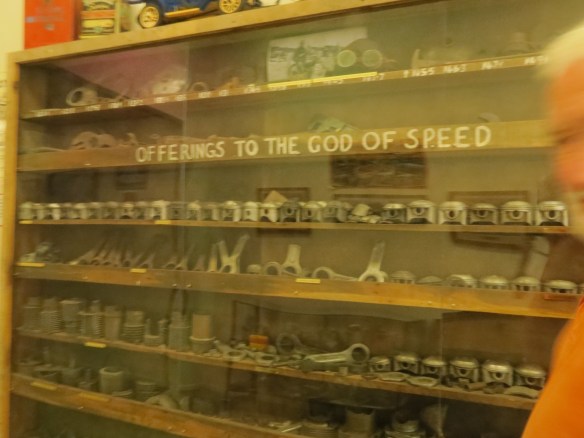

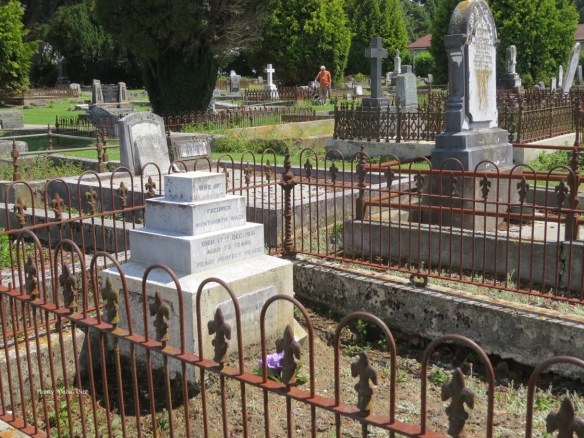
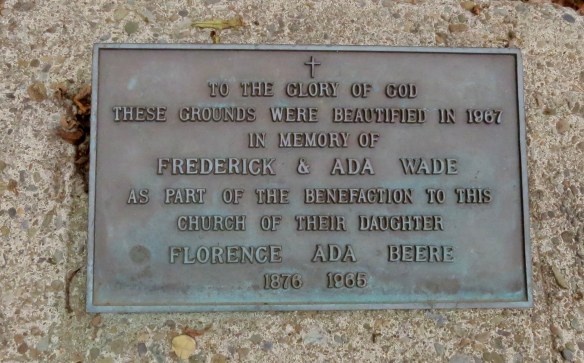
 A visit to Invercargill would not be complete without paying my respects to Great Grandfather Frederick Wentworth Wade (1838-1912) and his second wife Ada (Macloskey) (1858-1931) and also for the first time Ada’s sister Constance (Macloskey) Tothill (1862-1897) (I had not known until recently that she was buried in the same cemetery). GGFather Wade’s first wife Adela Macloskey died aged 26 on a visit to Melbourne with my grandmother aged 6 months, the youngest of six children all under 10; and Constance died aged 34 when her six children were also under ten years of age. The similarities do not stop there. Adela’s husband remarried two years later, to her niece Ada Macloskey; and Constance’s husband George Compton Tothill remarried one year after Constance’s death, to his cousin Henrietta Tothill.







 Niagara Falls in NZ, named by a surveyor with an obvious sense of humour, are a little different in size to their North American counterpart. The river was the early settlers’ river-highway and many built their houses along the banks. They took their wool by punt from Niagara Falls to be loaded onto ships at Waikawa. The Maori name for the falls is Mangai Piri referring to the manner in which migrating lamprey eels wriggle up the falls in a mass, using their suckers to hang onto the rocks.




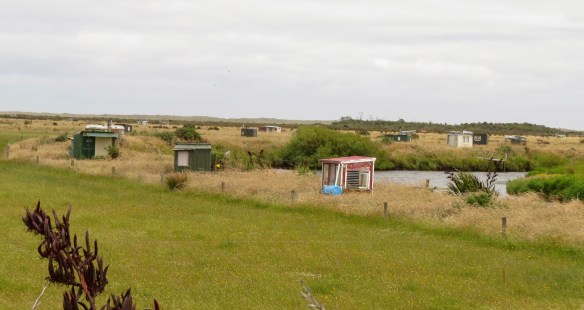


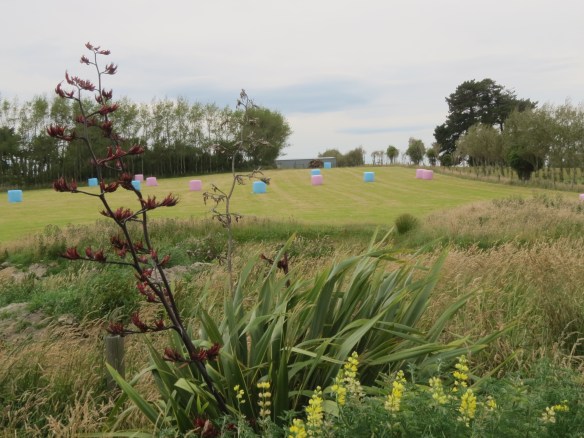
 On a day when the weather was more promising than usual, we headed back east on the main Kaka Point road, stopping off to visit McLean Falls some way before Papatowai. Named after Alexander McLean, grandson of an early Fencible recruit from Ireland who arrived in NZ in 1848. He was a farmer of considerable ability, never married, churned his own butter and made his own bread. He was also very artistic. he was very hospitable and always made visitors welcome, hence his name became attached to the Falls.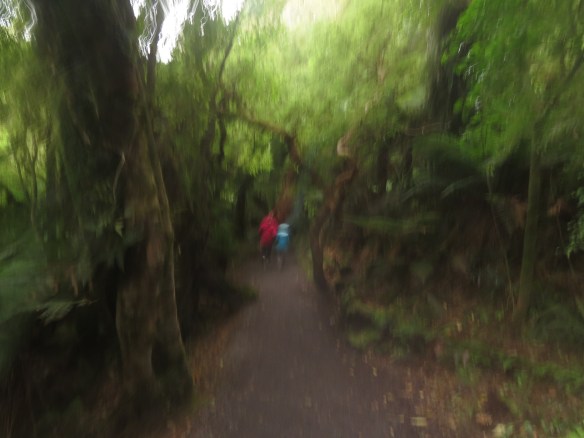
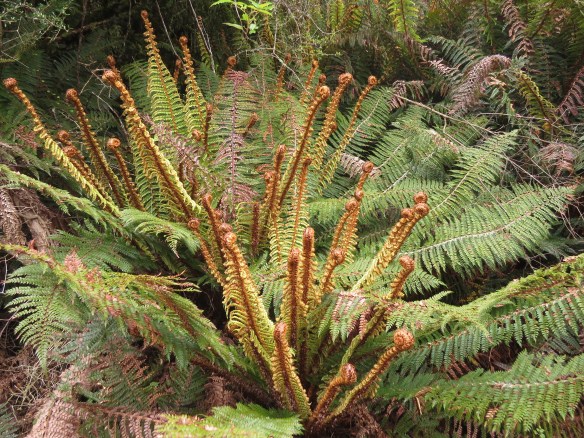 The track to the Falls would through beautiful bush (a blurred photo can give atmosphere, right?) to the lower part of the falls called the Chute, then upwards via a very narrow slippery track on which only Dave and Penny ventured.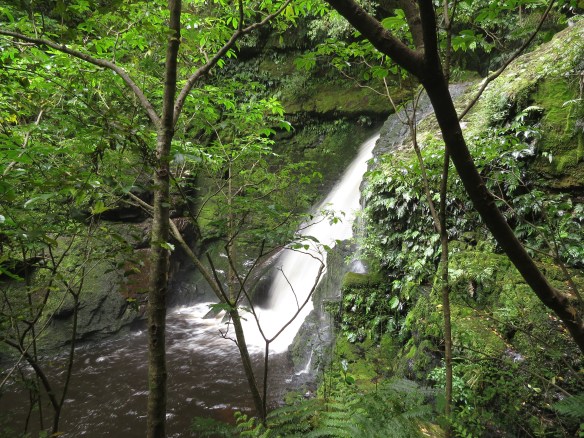


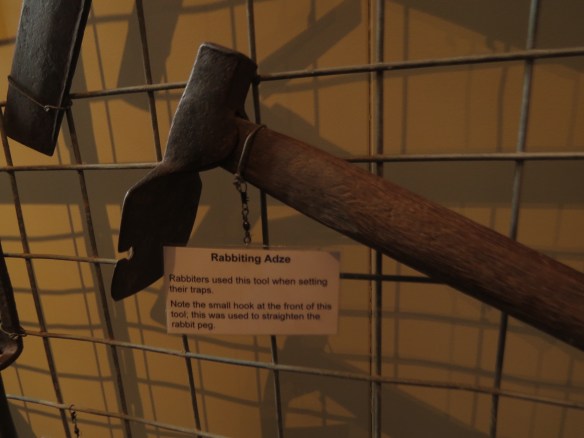
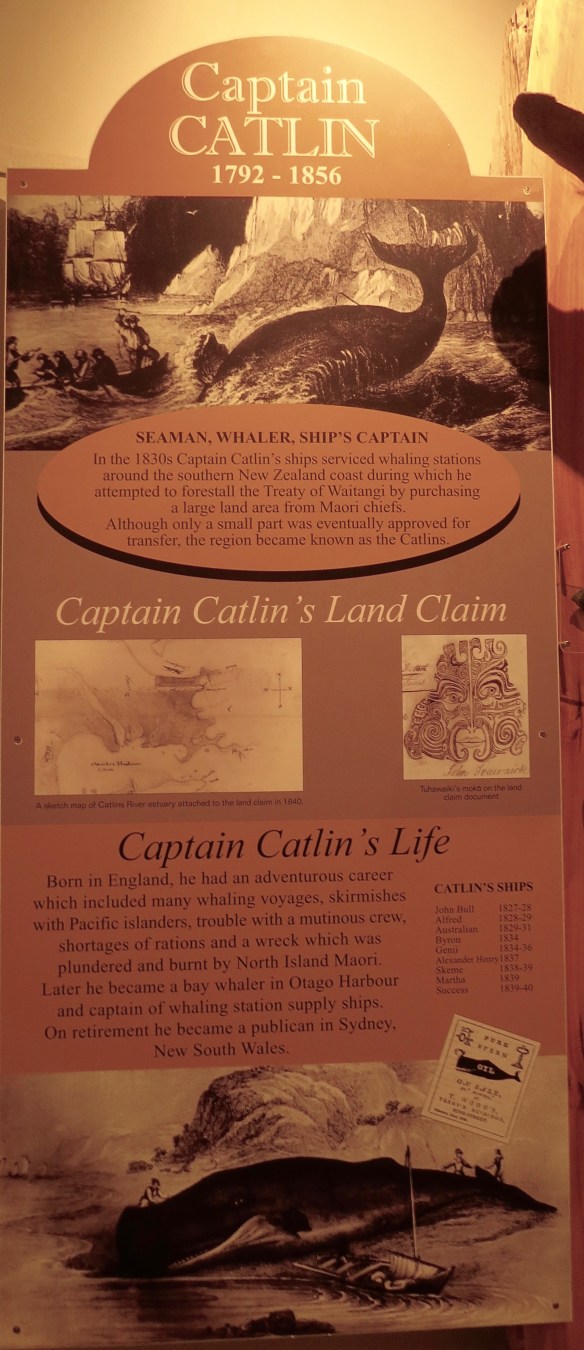

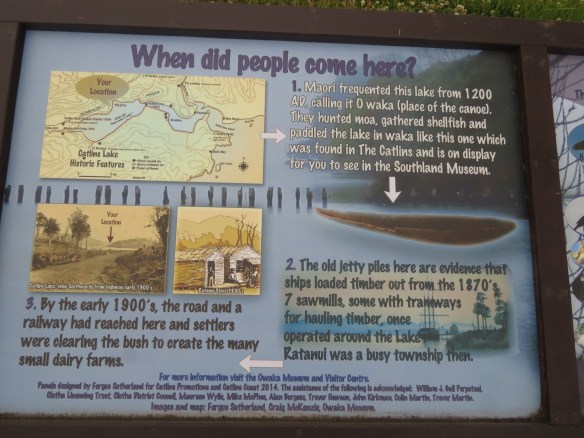
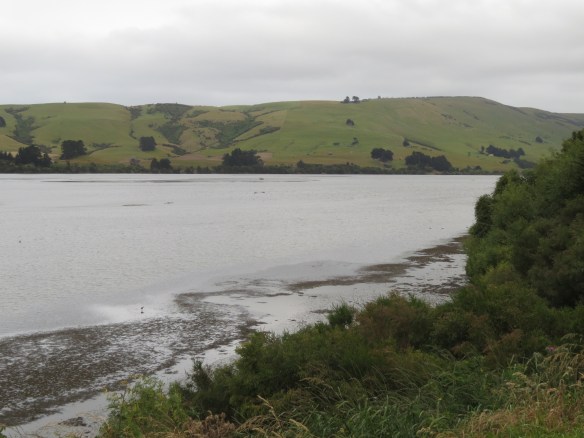
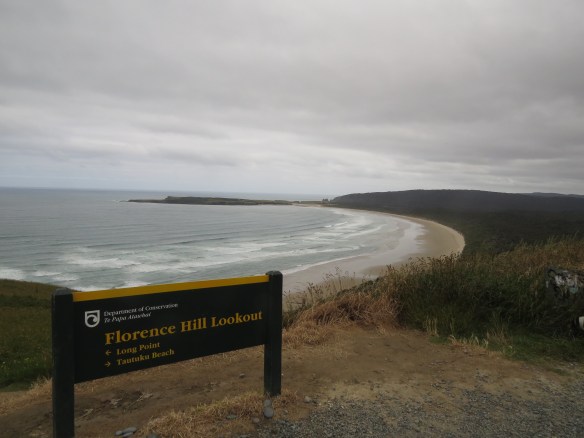
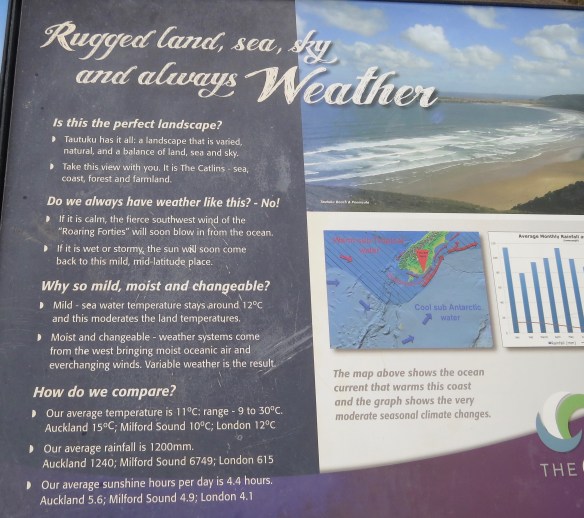


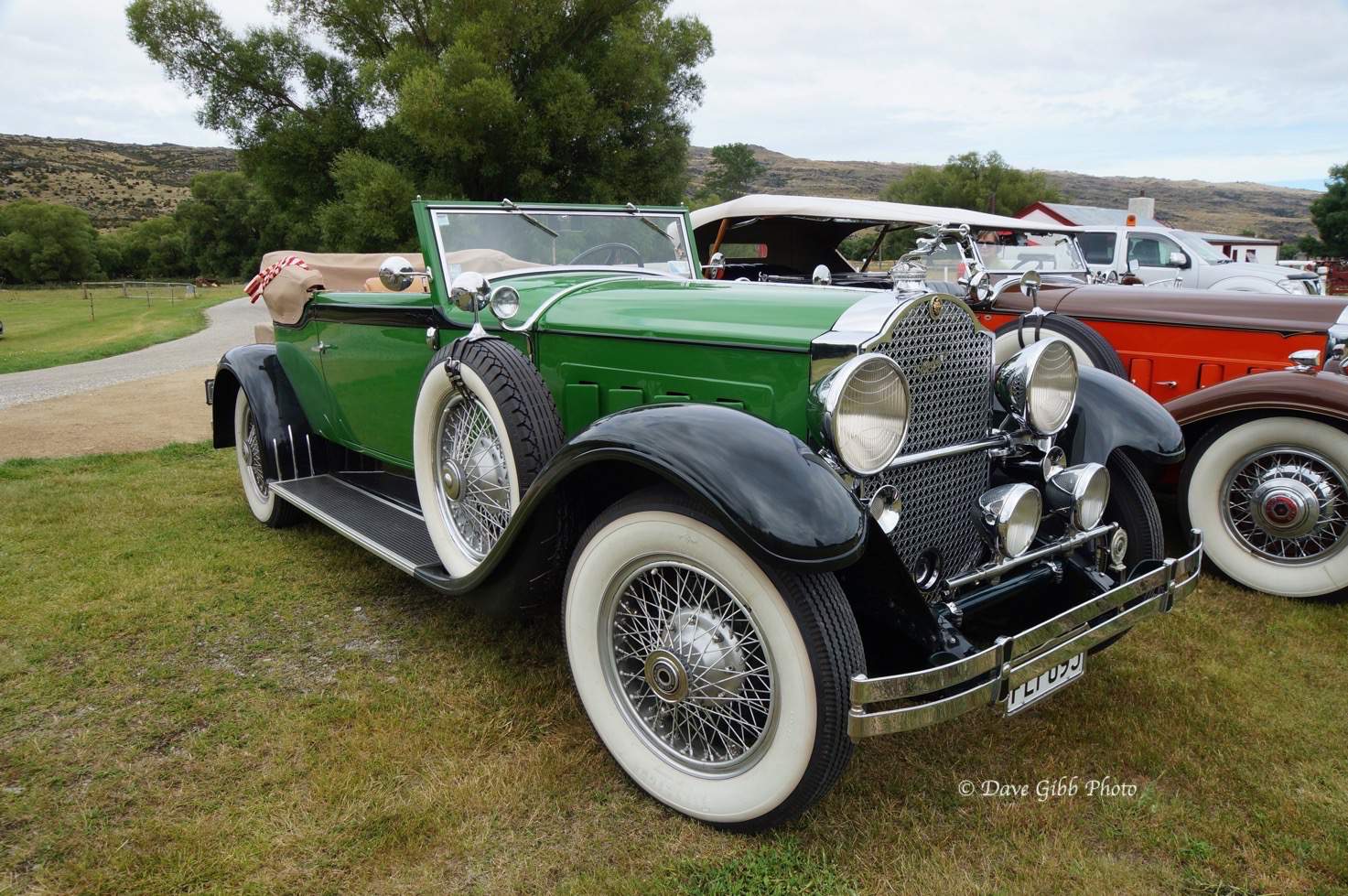
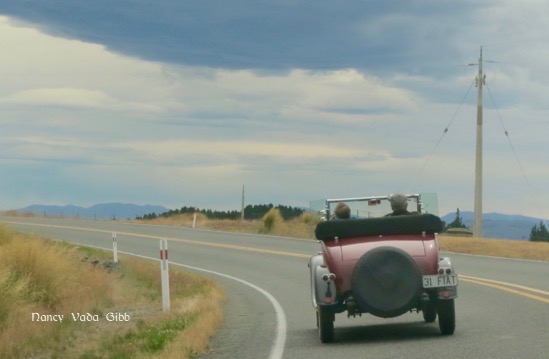
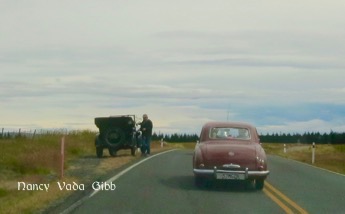
 We also had a brief look at the waterfront and discovered a number of veteran and vintage cars, which we later learnt were on their way to a big rally in Dunedin. Among them was a shiny black Chevrolet with whitewall tyres which had Dave in raptures as it was almost the same model his father had owned many years ago, except that this one was a coupe.


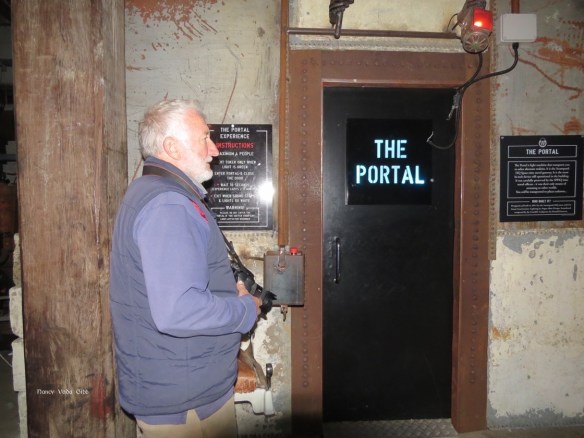




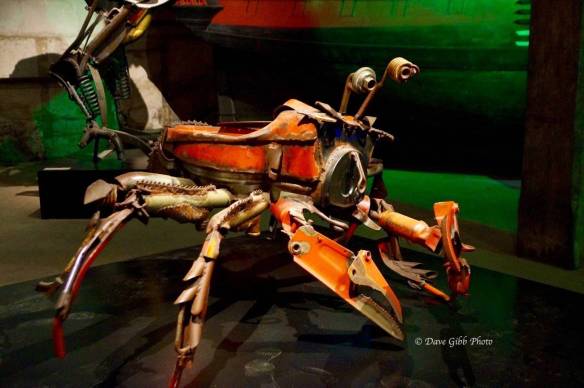

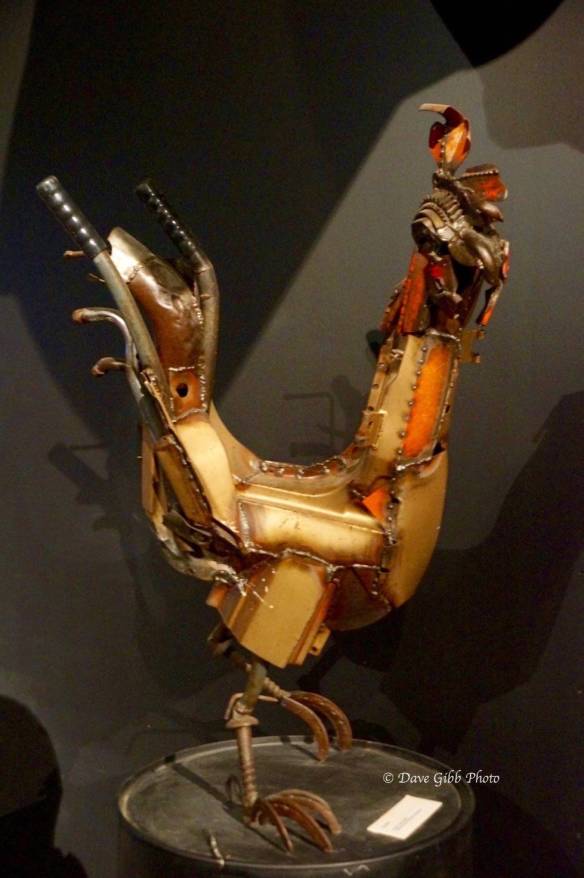


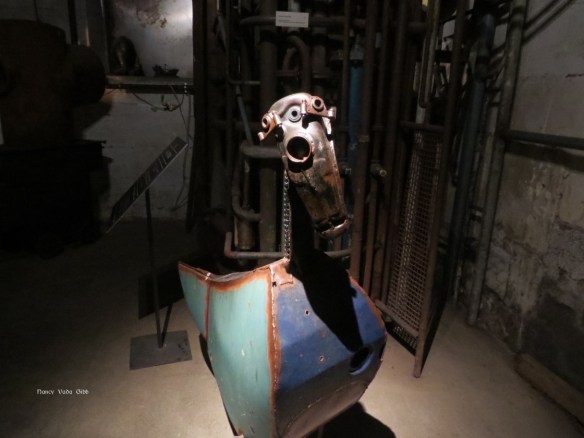
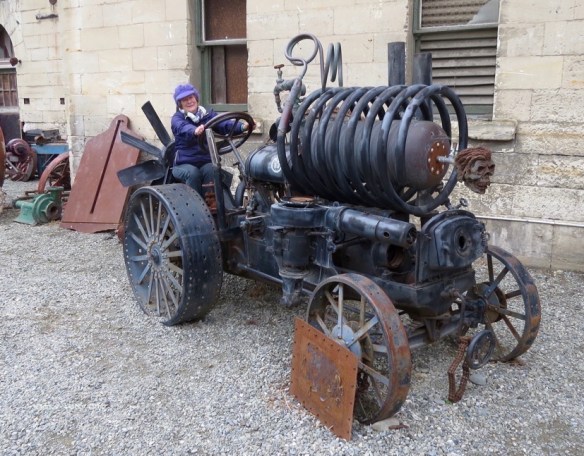




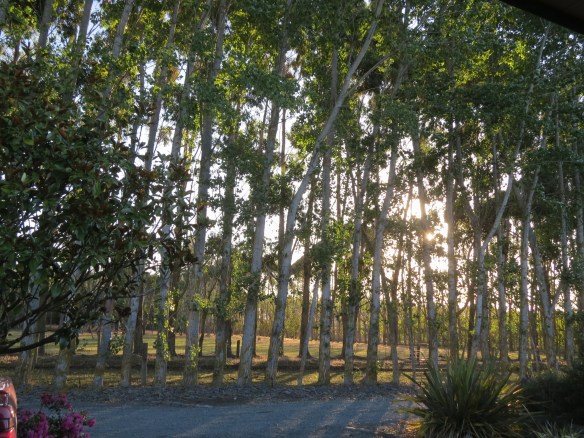


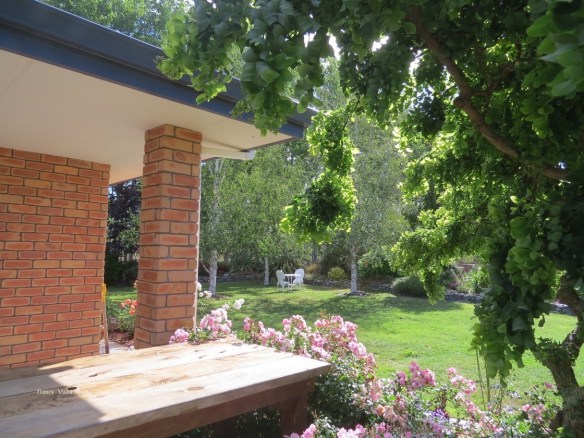
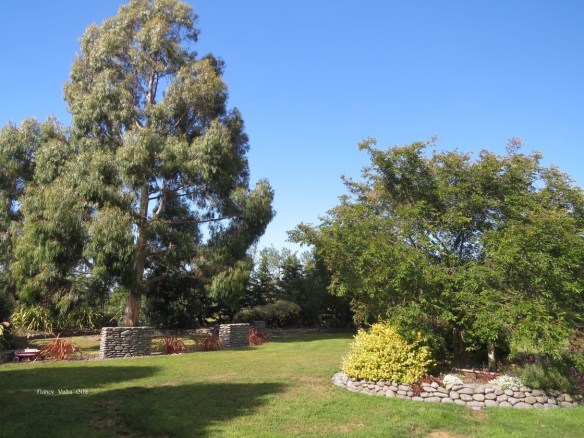
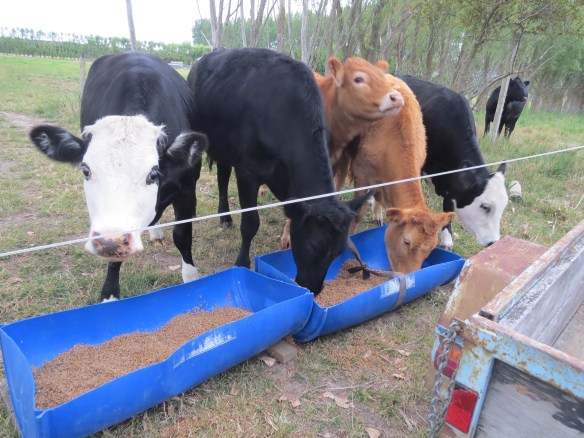
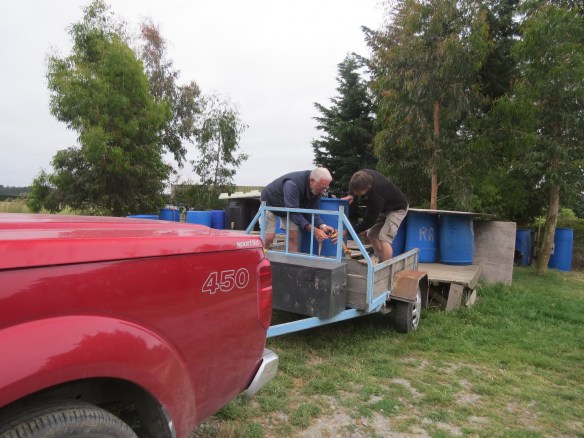
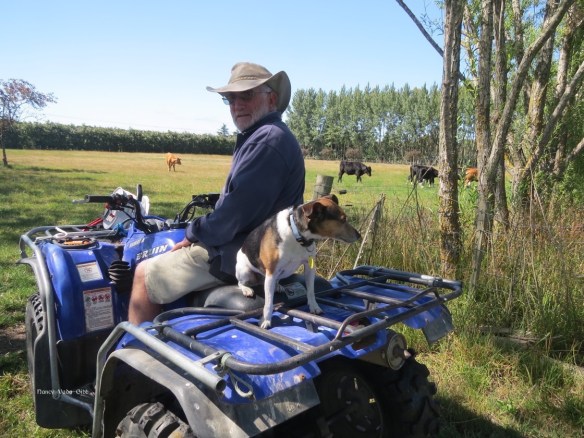


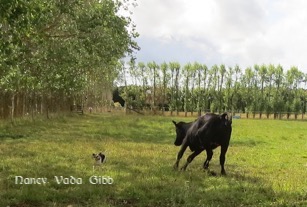






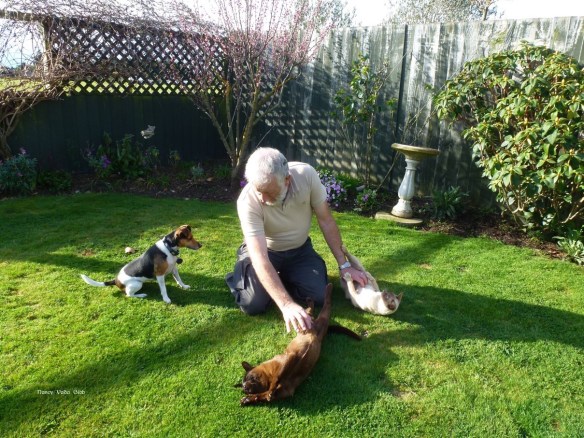
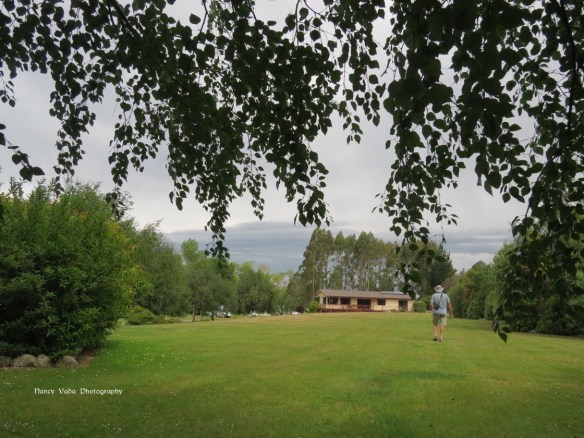
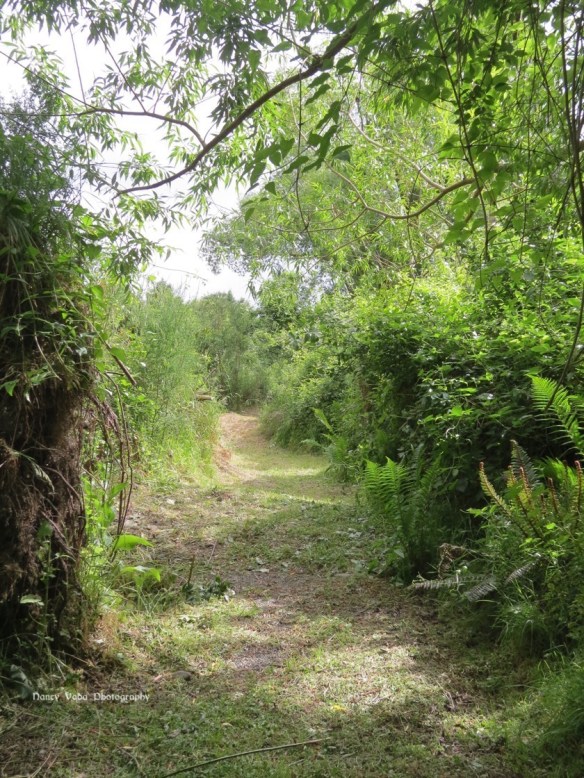
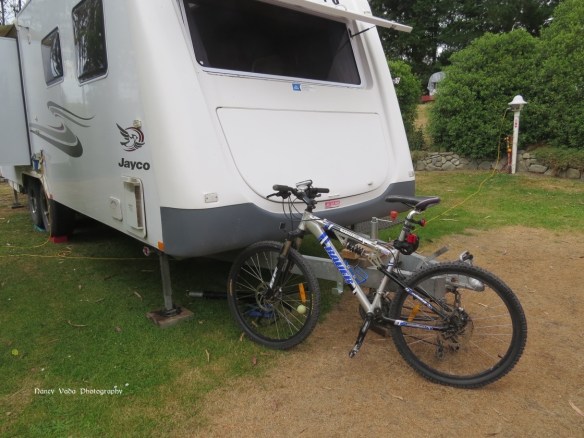
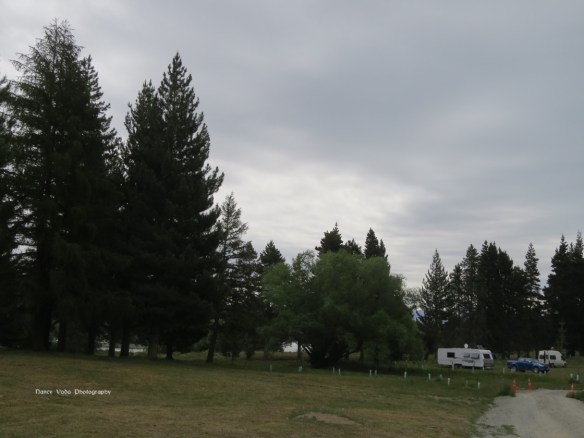
 We parked up beside a grove of gum trees (prophetic perhaps as we hope to tour Australia in 2016?) When playing with Penny’s ball it somehow became lodged between the spokes of Dave’s bicycle. Penny couldn’t find it for ages.






 We thought we’d go to the Observatory cafe for lunch but the sight of a newly introduced road toll for the steep climb deterred us. Fair enough, that road must need a great deal of maintenance, but the views on that particular day were not likely to be very extensive. An indifferent lunch at a newish cafe in Tekapo sufficed.









 Nancy's Families