Happy New Year!
It’s been a while since I wrote anything. Christmas has been and gone, a highlight the annual Secret Santa with all Dave’s family, and all the usual over-indulging which accompanies the season.
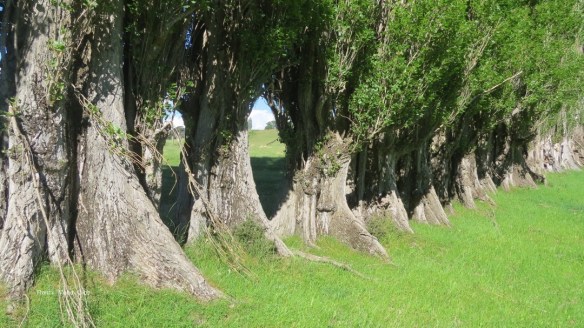
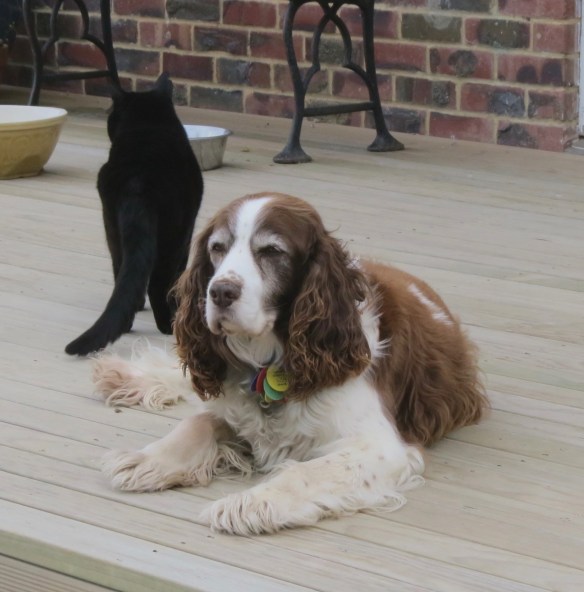
We moved from the Maniototo homesit to one at Swannanoa, about 25 km NNW of Christchurch, just before Christmas. What a contrast. There we were surrounded not by mountains but by towering runs of poplars – they could hardly be called hedges. We were in a comfortable farmhouse surrounded by a lovely extensive garden and our new charges were one placid old sheepdog, three heifers, two chooks and seven goldfish.


Going for a drive around the district meant kilometres along the straight Tram Road or similar roads with their multi-height hedges and rather luxurious houses. Cust, Rangiora, Oxford … they were our new destinations when not popping down to Christchurch.
Dave took the opportunity to give the caravan carpet a good clean with the water blaster. What a difference it made. Penny enjoyed helping him mow the grass. I enjoyed the freedom of a large kitchen and the time (and space!) to complete two large jigsaws.


This property boasted a magnificient cherry tree, absolutely dripping with bright red fruit.


 We picked some judiciously, waiting until the fruit was fully ripe. Just before New Years’ I picked a big bowlful, but by New Years’ Day we needed more. Full of anticipation I went out with a huge bowl, to be met by a large GREEN tree, not a hint of red to be seen. It had been utterly stripped! Holes in the netting indicated it was the work of a rat or rats rather than humans. It was amazing – not a single cherry to be seen, even unripe ones, and no fresh pips or bits of half-eaten fruit on the ground either. Nearby is a spa with a wooden surround and when Dave checked inside there were hundreds of dried pips. So that was the end of our cherry season.

But there were still raspberries, strawberries, even some boysenberries. (memo to self, if we ever grow raspberries, make sure the canes are in an elevated position). Plus zucchini, lettuce and some kale and other vegies.
All too soon it was time to leave, the family came back from their annual camp all suntanned and smiling and relaxed. Lovely people. That was the second year we’d homesat for them at Christmas.
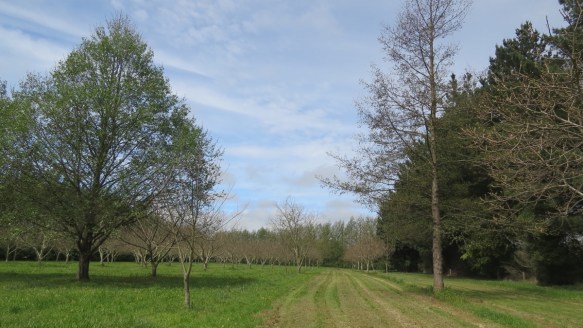
We returned to our usual haunt the chestnut orchard, where the flowering season was well under way. These are the catkins, the ground was littered with spent ones which were constantly fluttering down in any breeze.

Mrs. Google tells me that the same tree can bear both male and female catkins. Some catkins have both pollen-bearing flowers and small clusters of female or fruit-producing flowers. Two or three flowers together form a four-lobed prickly case (calybium) which ultimately grows completely together to form the brown hull. Another interesting fact is that the seeds do not become dormant as with most other plants but start to germinate upon falling to the ground in autumn. The seeds lack a coating or internal food supply so they lose viability soon after ripening and must be planted immediately. Another fact is that chestnuts have very little protein or fat and no gluten but plenty of carbohydrate which compares with that of wheat and rice. They are the only nuts that contain Vitamin C (which decreases by about 40% on heating).
We went for a walk along the Waimakairi River a short drive north of the orchard…..


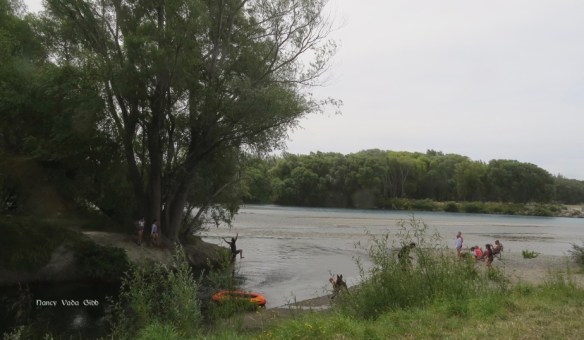
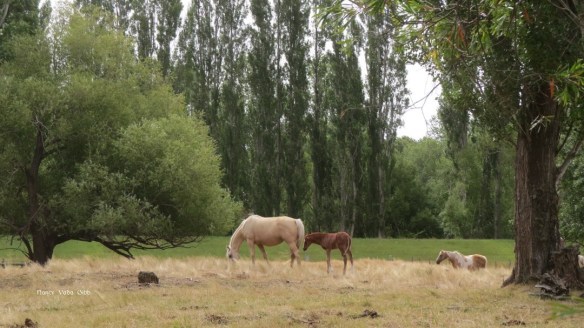
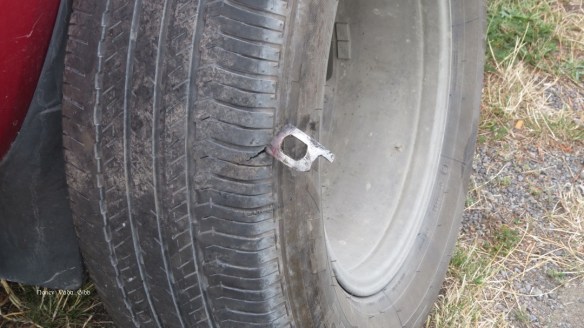
… then did a little off-roading while following the river towards the mouth. As we were leaving Dave thought he could hear something odd. He checked all the tyres – nothing. But a little further on, he stopped again and this time we discovered that one of the front tyres had been sliced and wrecked by a piece of metal, probably part of a bearing. A perfectly good tyre ruined.
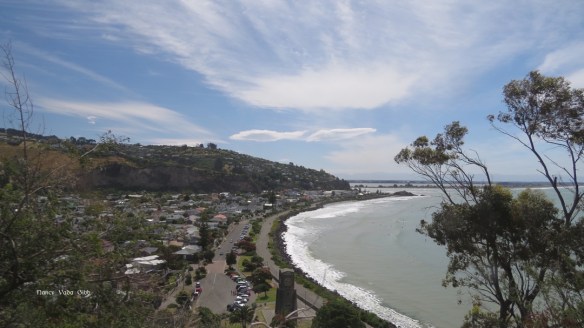
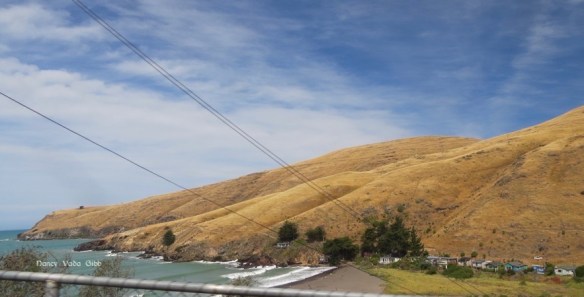
 Another day we drove to Sumner Beach and then Taylor’s Mistake, which we have not visited for some time. There is nowhere to stop to take proper photos on the very narrow twisty road down to the Mistake. The Port Hills were looking very dry.
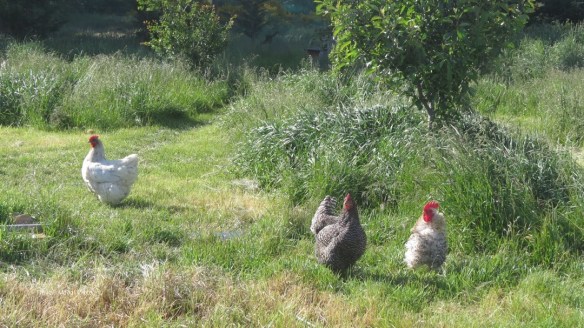
Then it was time to shift to the next homesit near Leeston. So different again. Our charges are one lovable young dog, a friendly horse with a penchant for carrots, an even friendlier sheep, and a number of peacocks, peahens and chooks. There is an extensive vegetable garden and a totally enclosed berry patch – strawberries, raspberries, blackcurrants – the latter two well-staked and trained so it is a joy to pick them without stooping over. (Another memo to self – grow them in a netted enclosure with a high ‘roof’.) The chooks produced ten eggs the morning after we arrrived – I don’t know what we are going to do with so many.
Homesitting is an absolute privilege. After a couple of email exchanges and sometimes but not always a preliminary visit, perfect strangers are willing to allow us to live in their private home, to a great extent literally living their (non-working) lives. All we have to do is care for their pets as if they were our own and, usually, do a little gardening, watering and/or lawnmowing. We have time to explore the surrounding district in a way not possible with a casual day visit. We always try to leave a property in a better state than we found it. At the Otago homesit, Dave reduced much of the waist-high jungle around the house to a far more manageable level. Here he has just taken off to tackle some Scotch thistles (!).


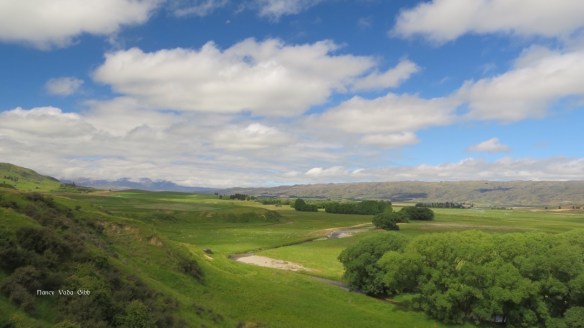
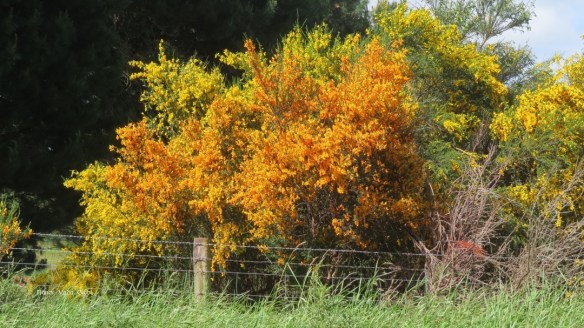


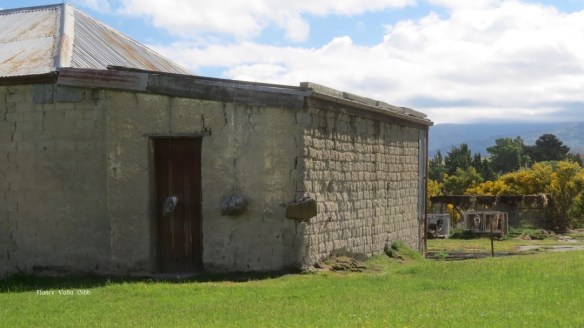

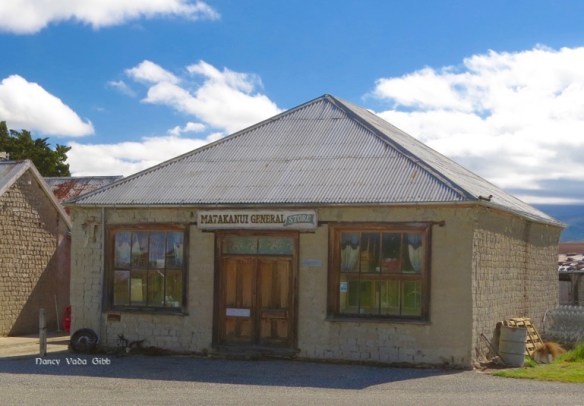


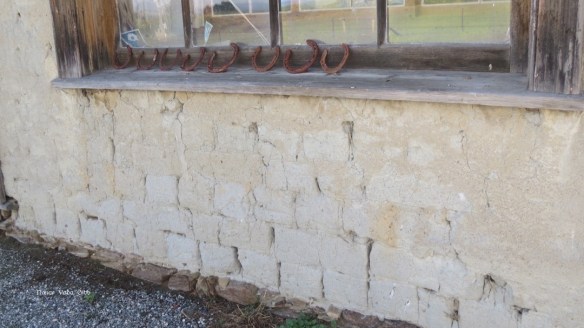


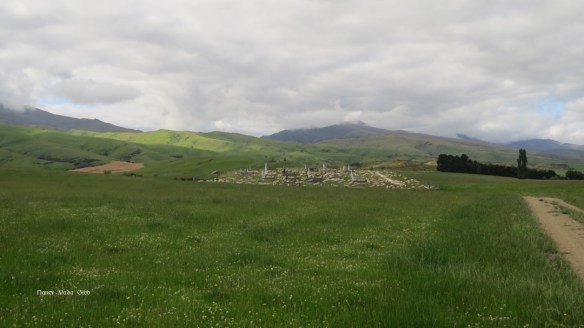


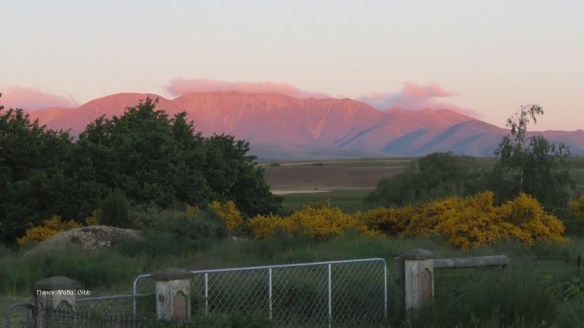
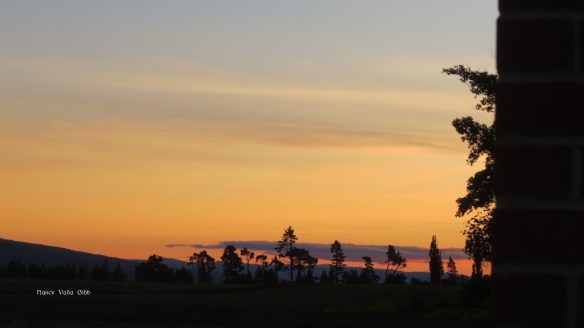


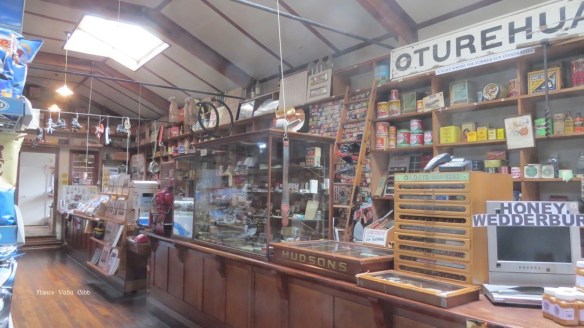


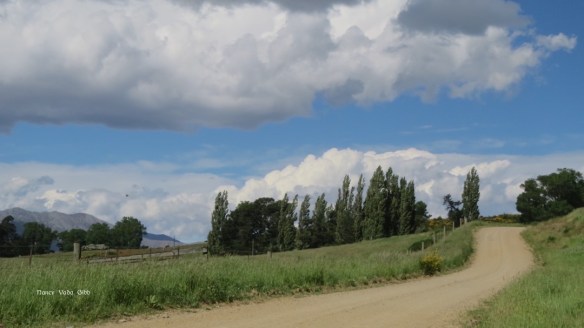



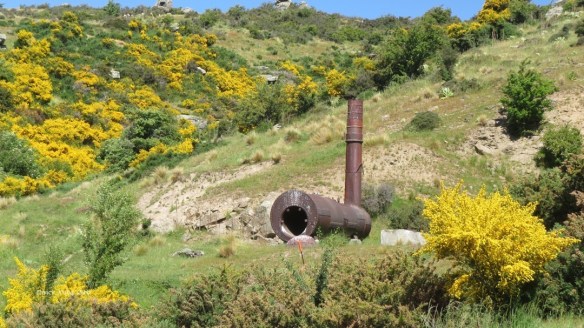


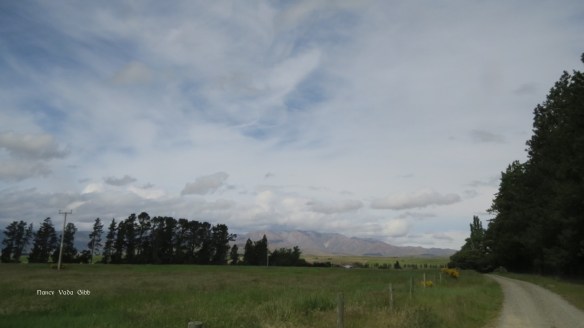

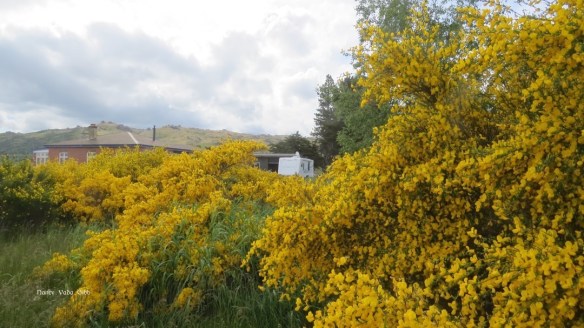
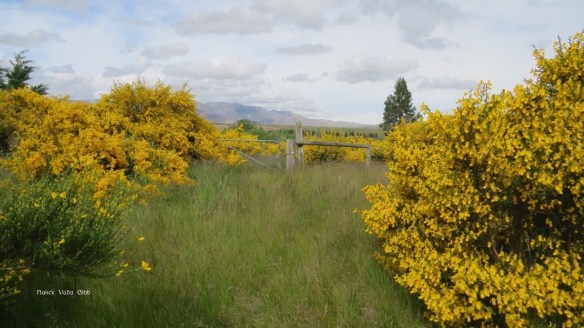

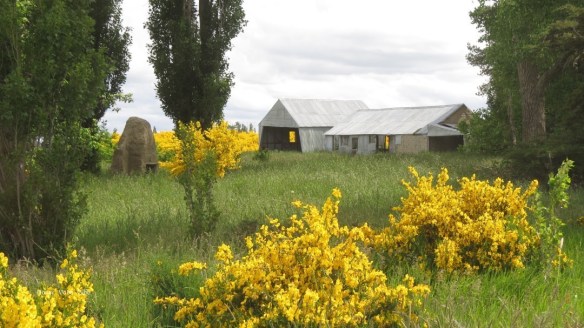






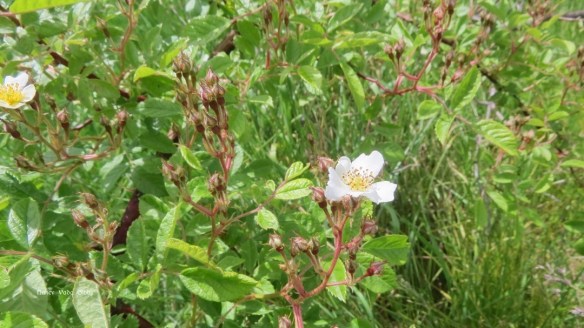

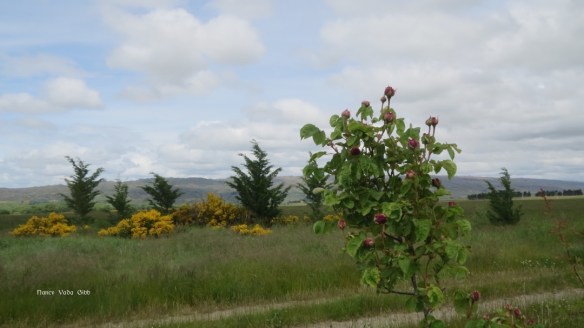
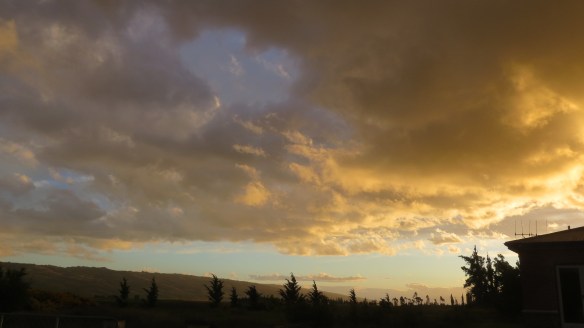
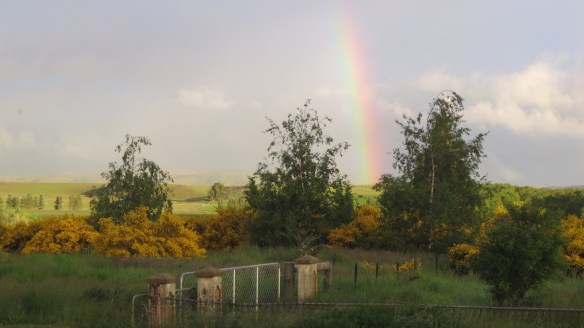
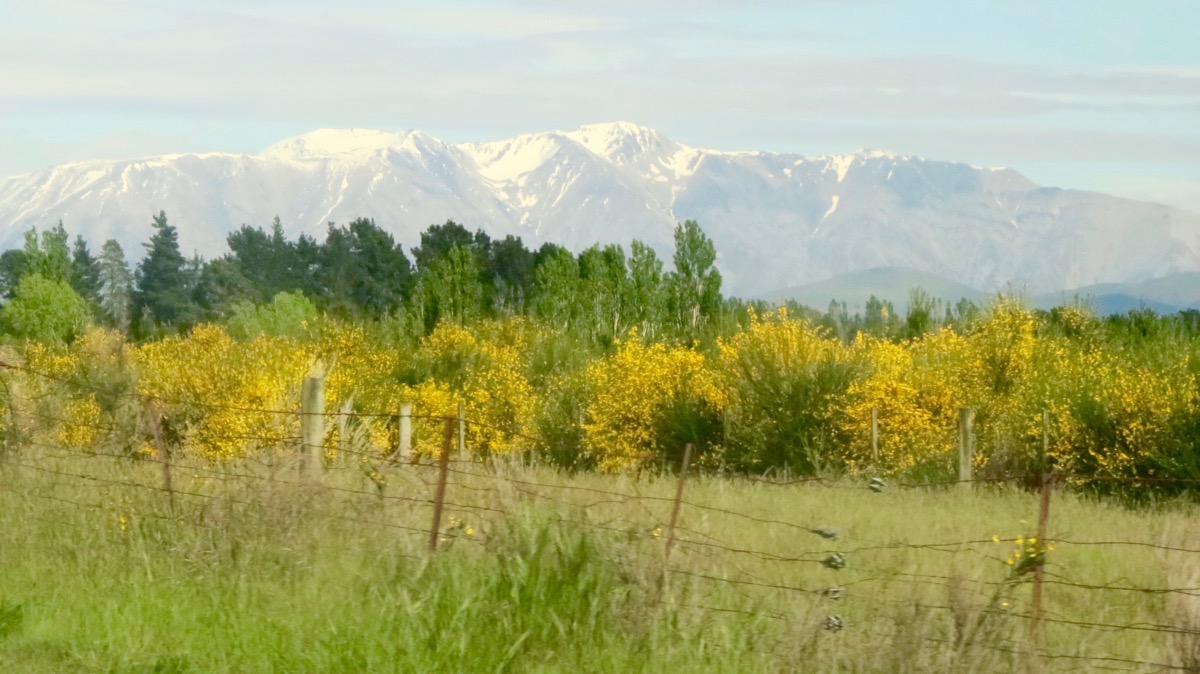
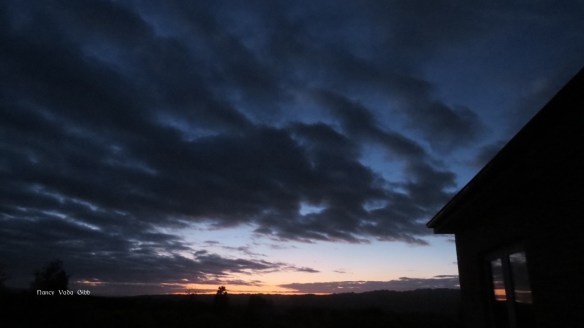 The sunrise promised a beautiful day and so it was, but with bad weather forecast it was time to go for a drive while the weather held. The Maniototo area of Central Otago is a wonderful place to explore, full of remnants of the old gold rush days. The landscape is claimed to be unique: “Nowhere is there such a wide sprawling plain surrounded by rugged majestic mountains with rocky tors and outcrops interlacing the tawny alpine tussocks that flow golden in the afternoon sun. Five mountain ranges encompass the region…” (The writer obviously hadn’t been here during the broom flowering season).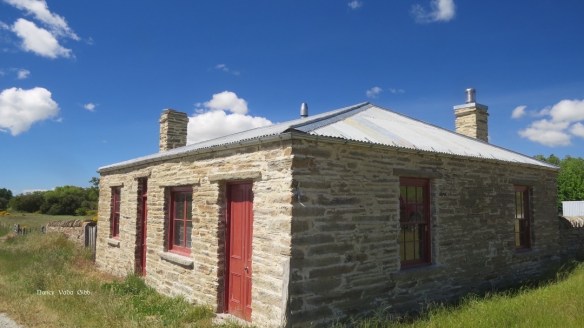


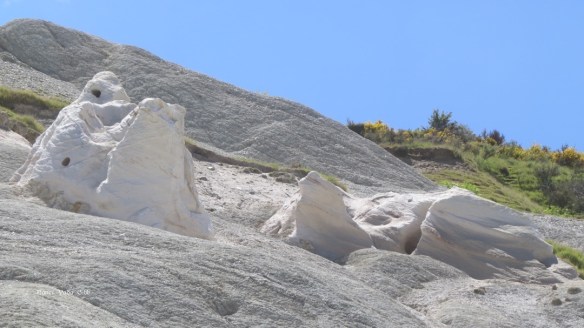
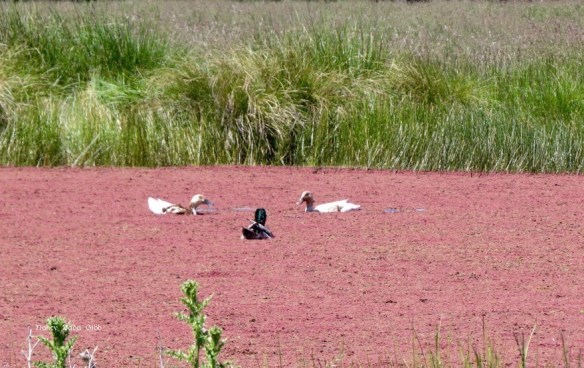
 St. Bathan’s with its famed Blue Lake and moonscape-like terrain. Gold was discovered here in 1863 and just under 3,000 kilos recovered. People still live here.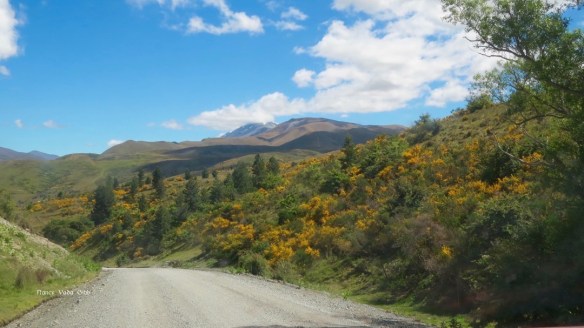


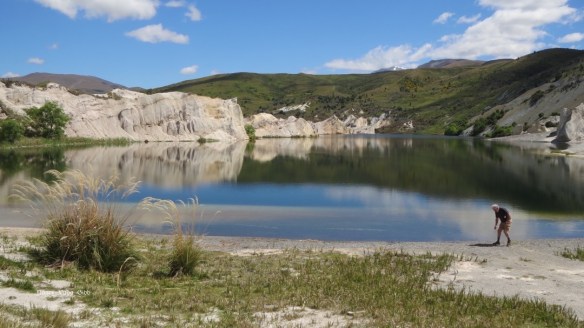
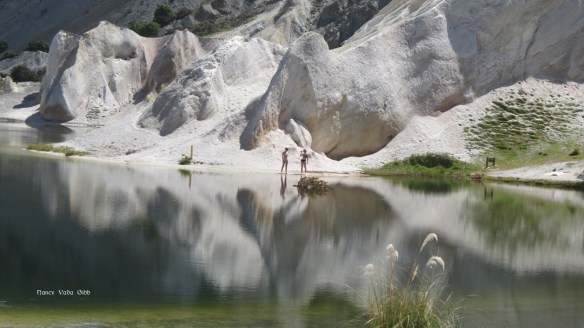


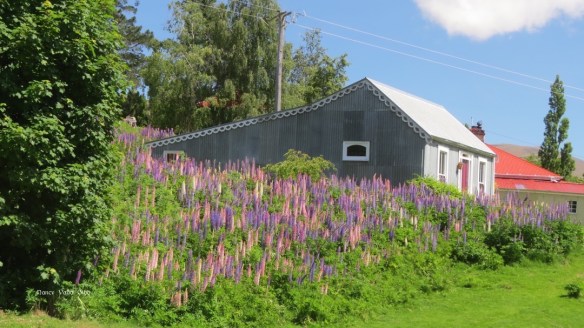
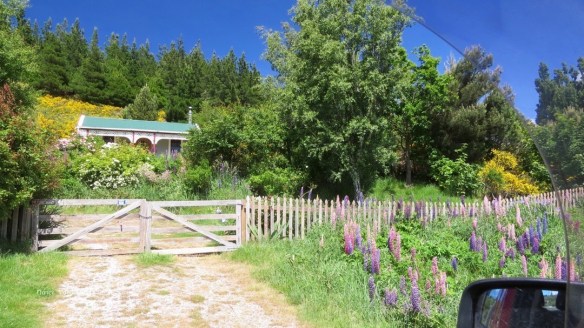
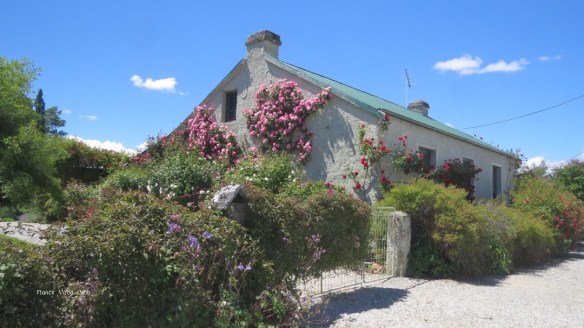
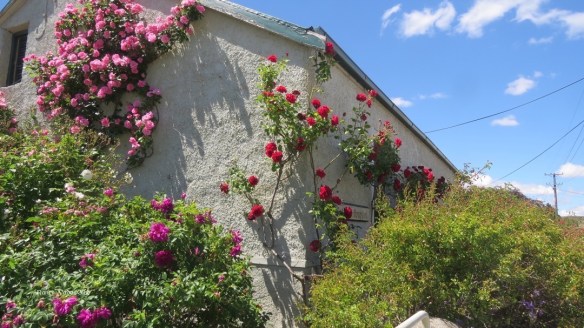
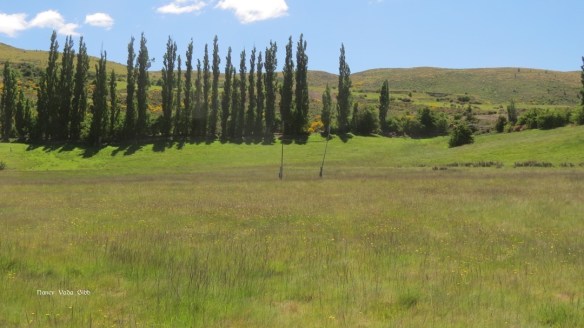 On the way back to the highway we paid a visit to Cambrians, a tiny village tucked into the mountains, with strong Welsh heritage. “The rivalry and sometimes bitter acrimony between the Protestant Welsh and their Catholic Irish counterparts in nearby St. Bathan’s was known as “the War of the Roses”.”

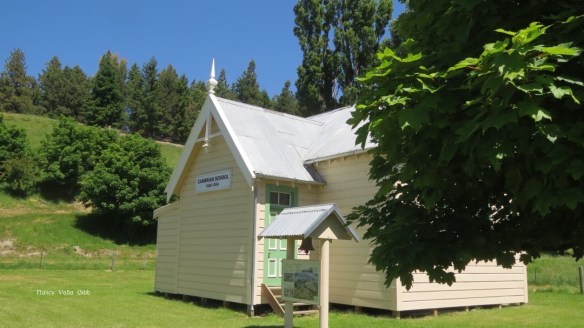
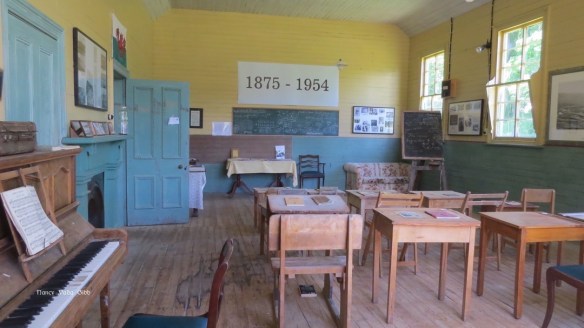




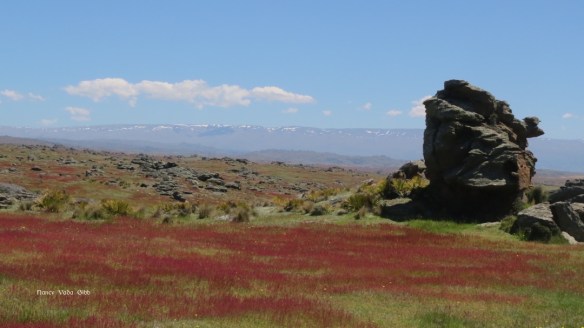

 It was quite different to how I remembered it when I first met Dave and we toured NZ mostly by motorbike but in the final week with his 4WD truck. We did the Dunstan Track and Thompson’s then and I will always remember feeling I was on top of the world, in brilliant sunshine, then suddenly descending through cloud to the dismal rainy lowland.

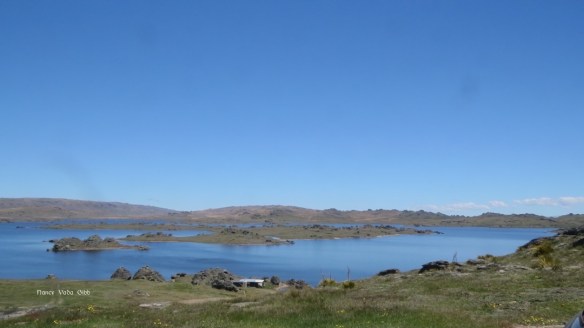
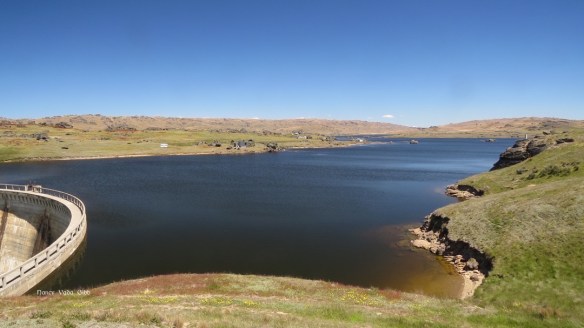
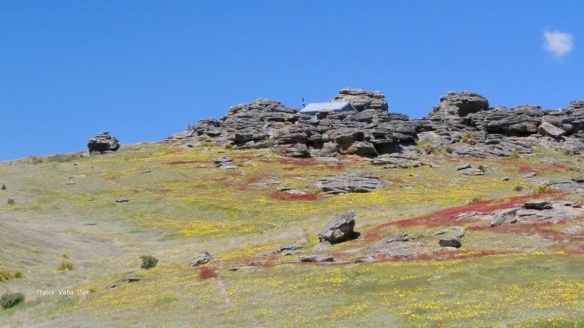


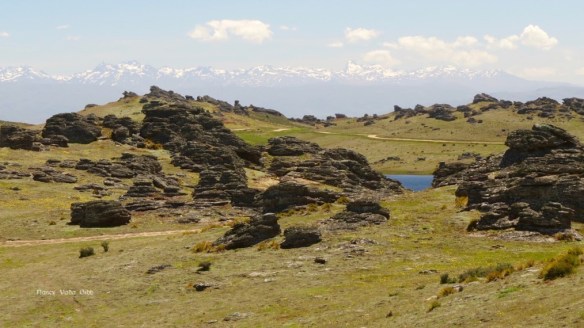 Returning home ….. we had a way to go.


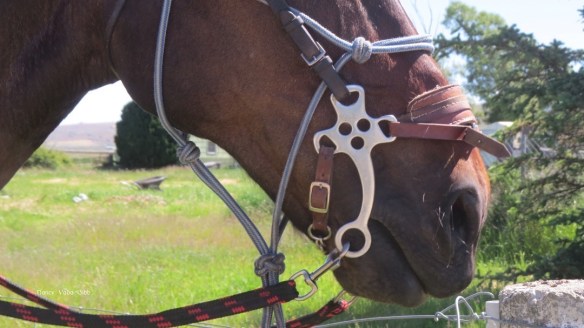




 Yes it’s a wee bit chilly particularly in the mornings!
 Arriving in Alexandra the first thing we saw was a Friday Street Market, so instead of going to the supermarket what did we do….?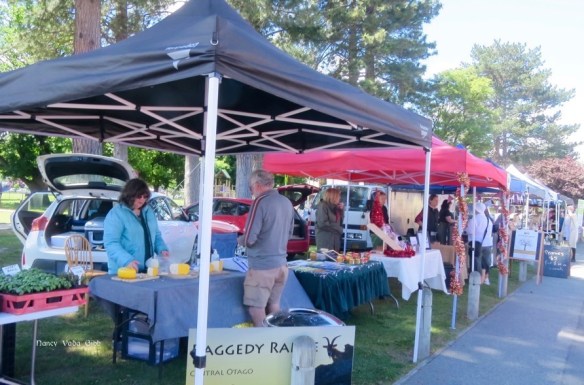



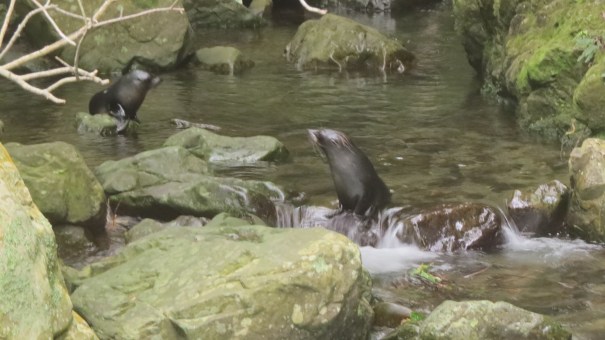

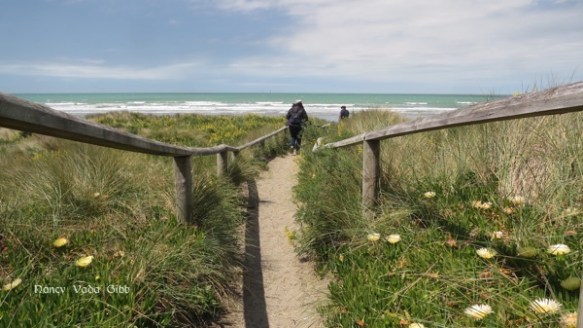

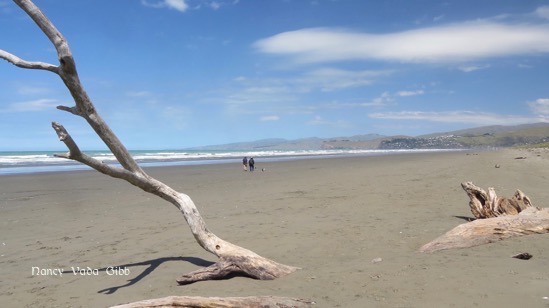


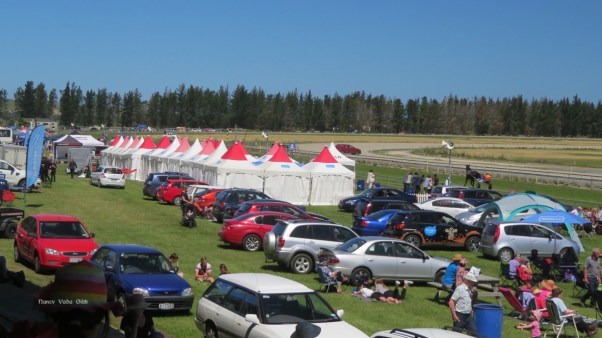
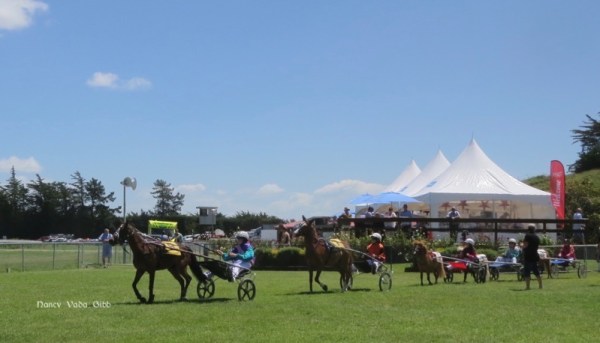




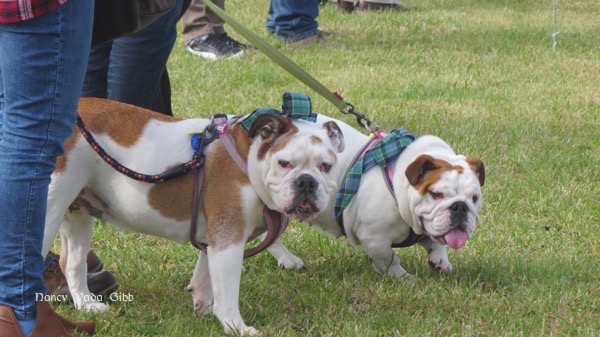


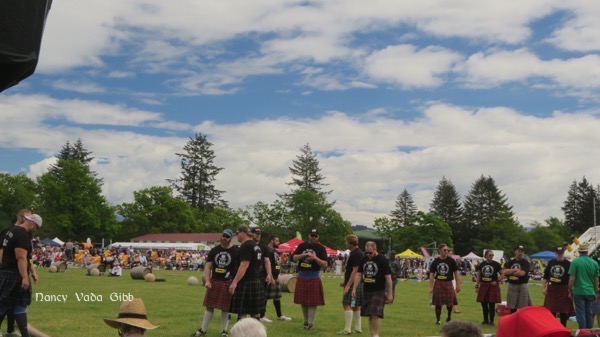
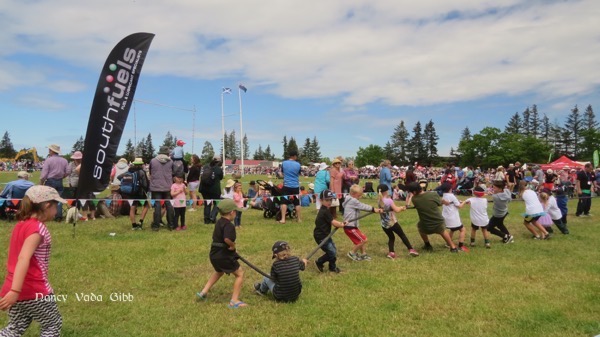



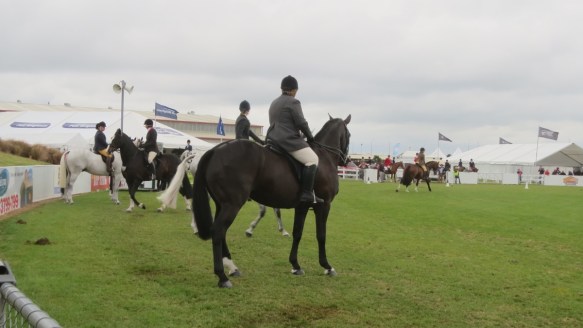

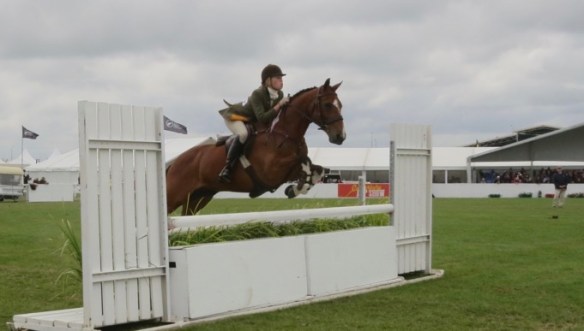
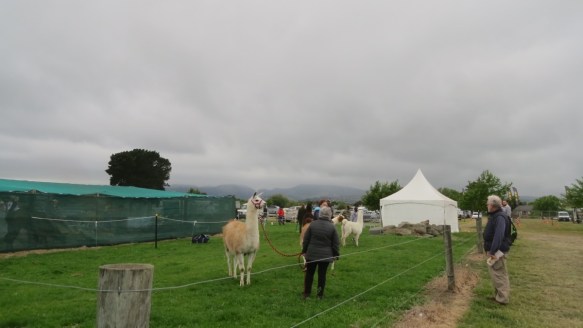


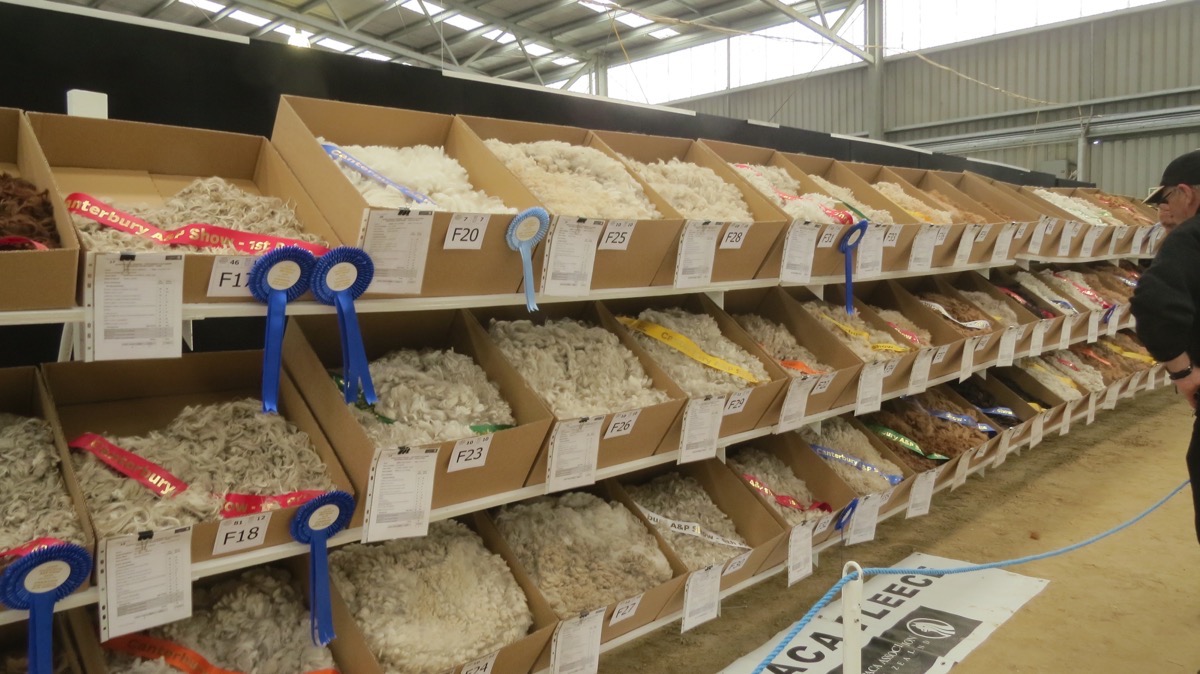
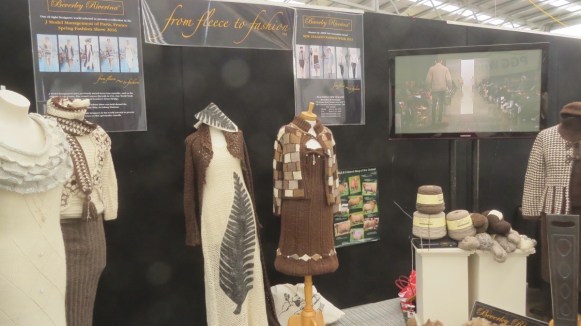


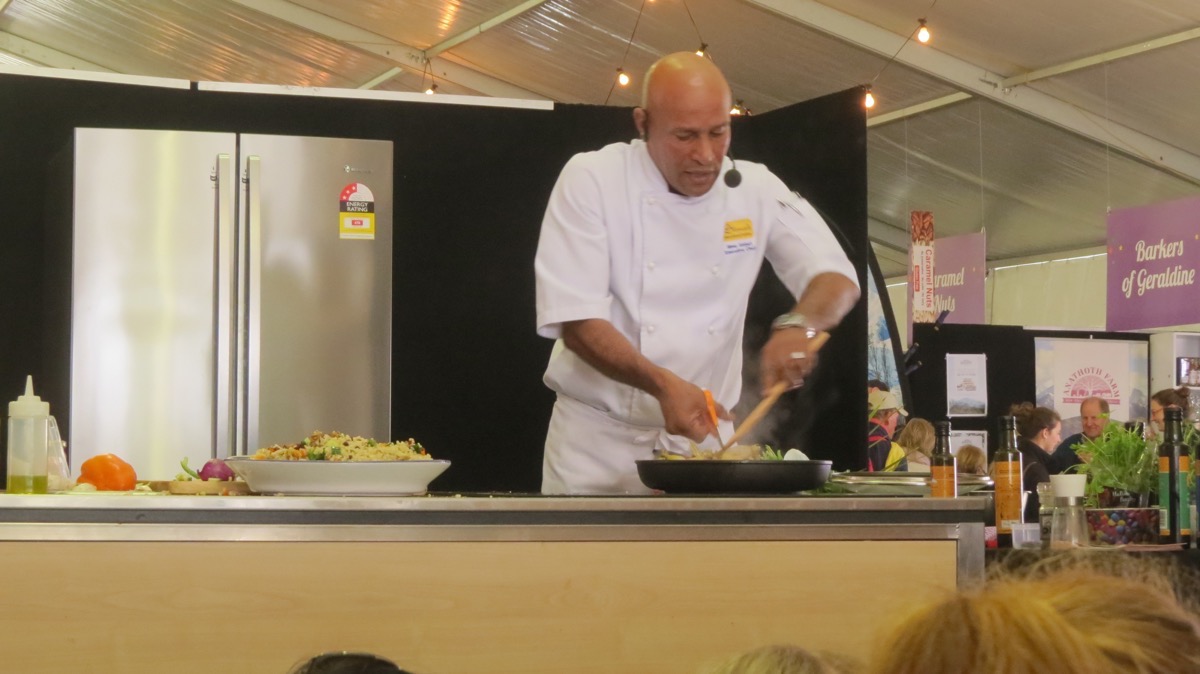


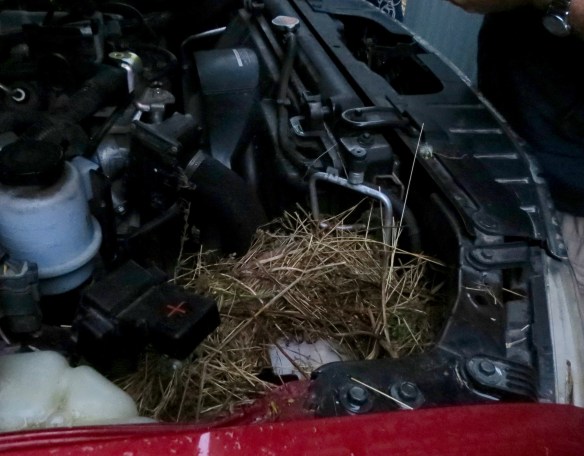


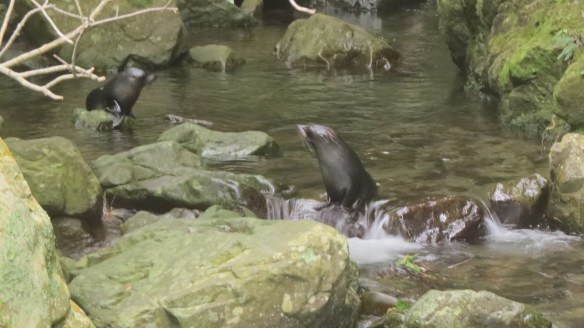
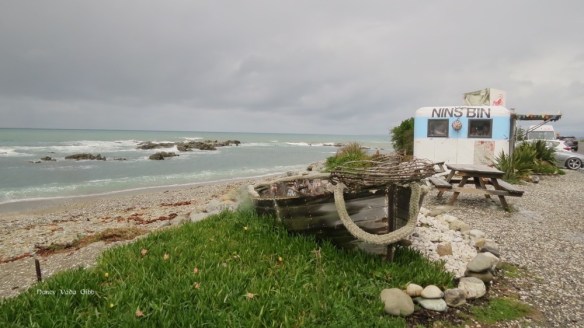
 …. and also visited the seal pups north of Kaikoura but it was too early in the (new) season for them and only a few older pups were around.
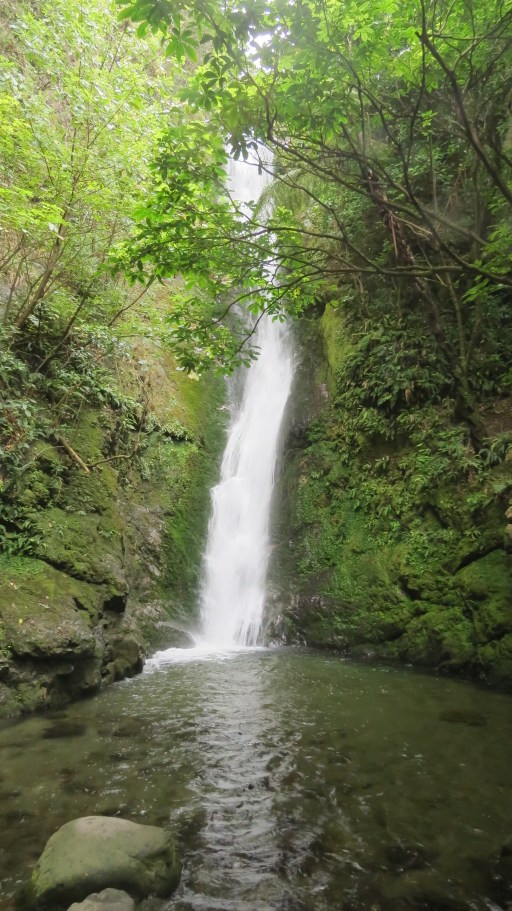
 Arriving in Blenheim we made the snap decision to try a new POP site near Picton, which turned out to be a rather nice huge green paddock.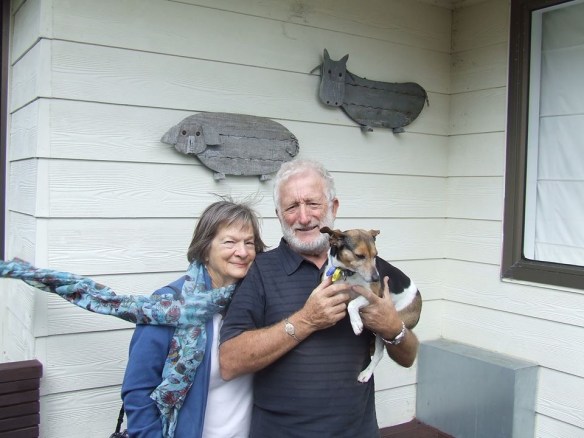


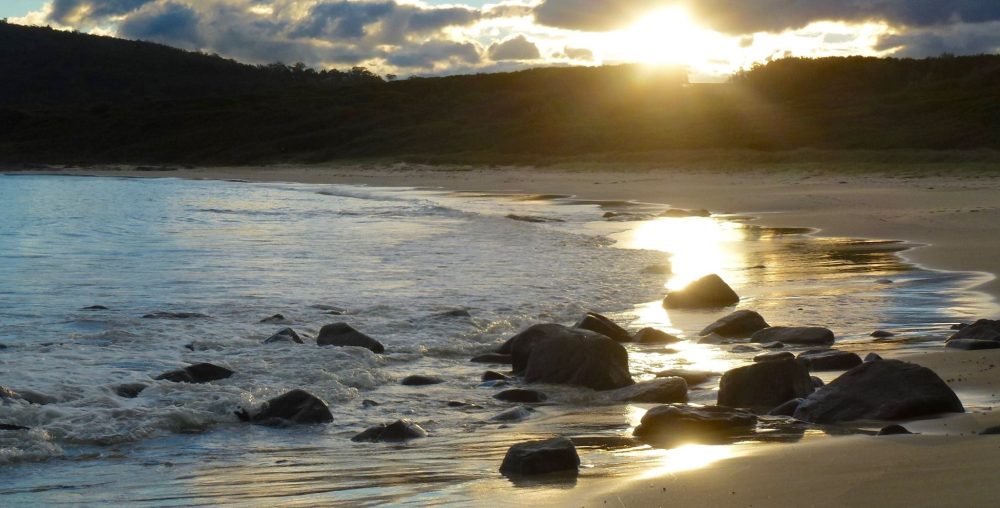
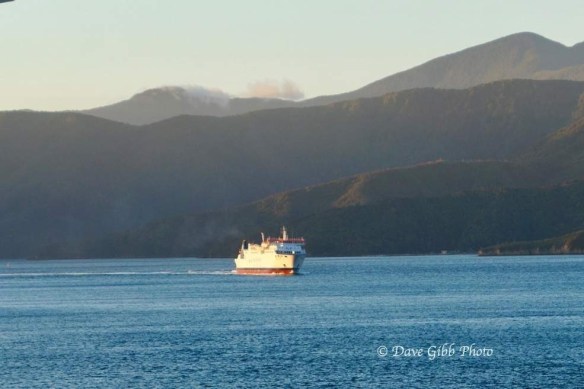
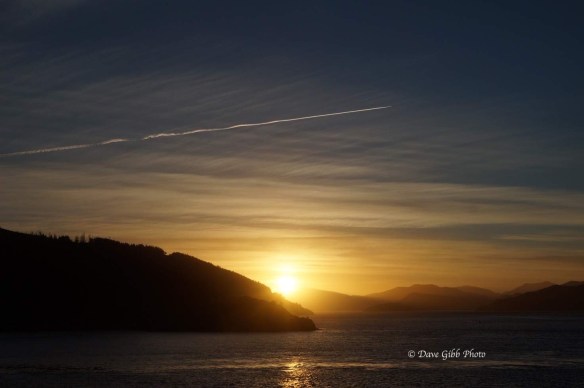
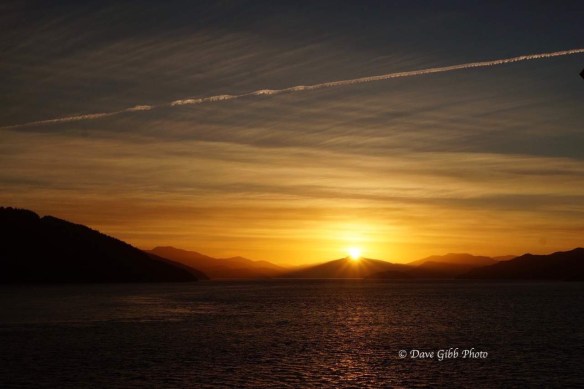
 But it was a smooth journey, with a beautiful sunset as we entered the Marlborough Sounds. An outgoing ferry was lit by golden light but by the time Dave had grabbed his camera and scooted outside the light had gone.
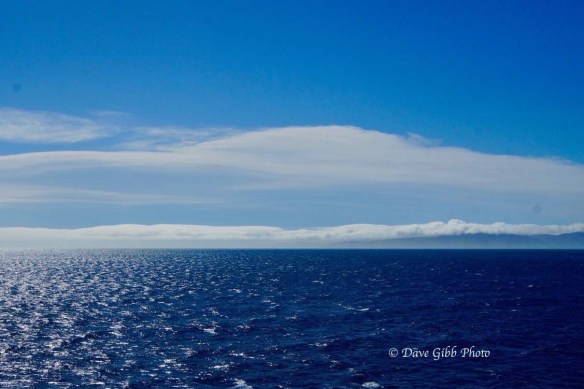









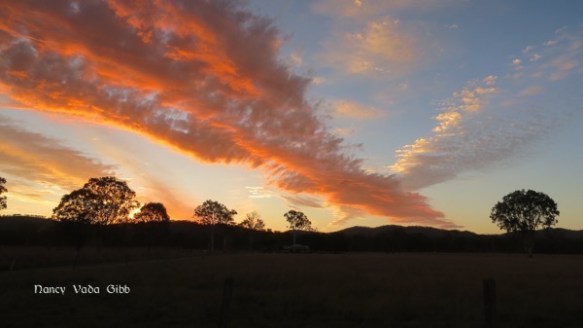

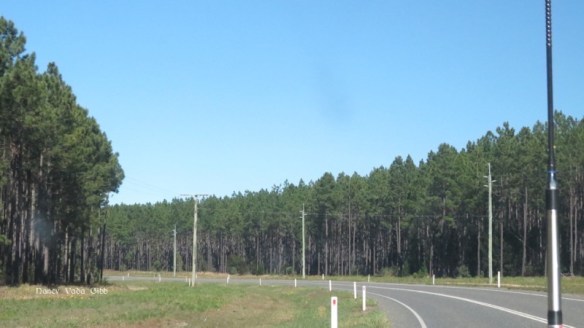 …. until finally we reached Gympie where we stopped for lunch and Dave explored the Gympie Gold Mining and Historical Museum. I decided some sudoku was more attractive. No photos from Dave – he had the wrong lens on his camera. No photos of the town either, I was too busy trying to navigate up and down the steep streets especially when we strayed off the highway.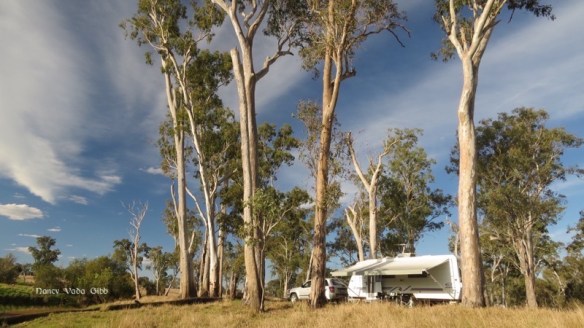













 Nancy's Families