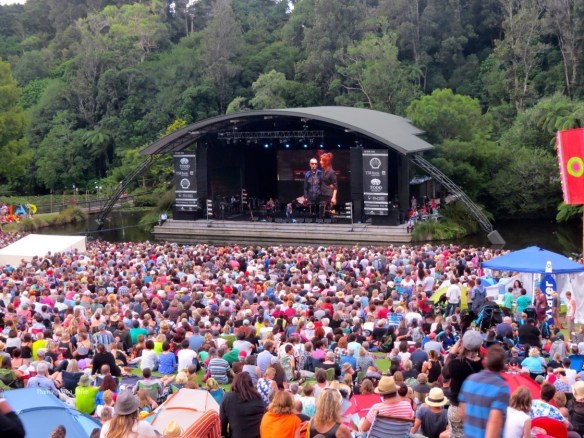
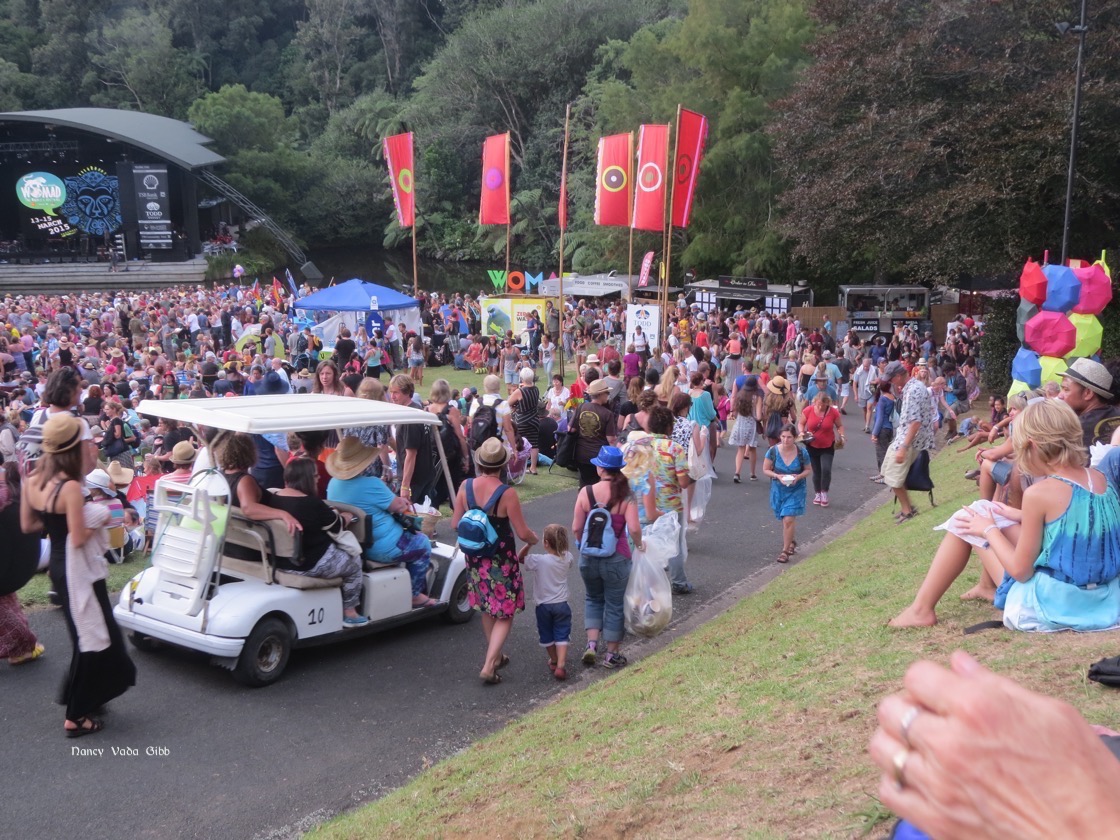
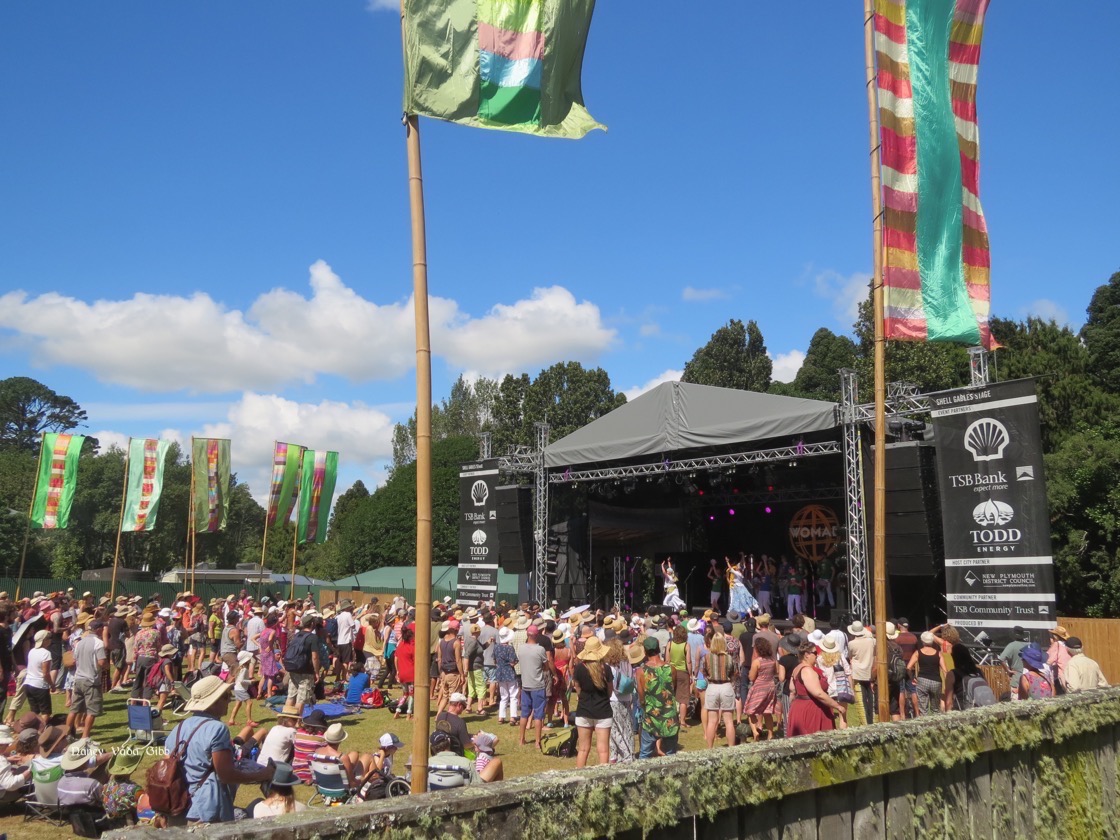
It was a wonderful sensuous swirling mix of music, colours, smells, smiles and sunshine. On Brooklands Hill next to the New Plymouth racecourse, the entrance was a very steep downhill then an equally steep uphill walk with some sidetracking along the way to view various art installations and an infinite array of delights along the ridge. A total of 6 stages ranged from the enormous TSB Bowl at the bottom of the huge natural amphitheatre to the tiny little Te Paepae Maori stage. A shuttle service up and down the hill was provided for artists and disabled people. On the last evening we noticed some older people being given lifts too – wish we had asked earlier!

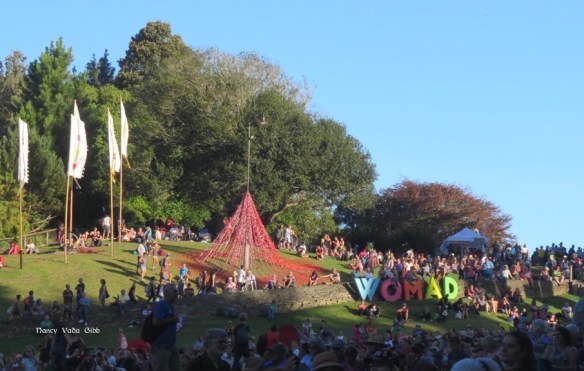


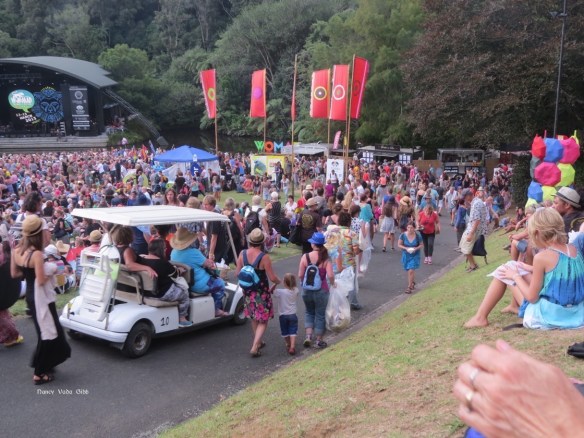

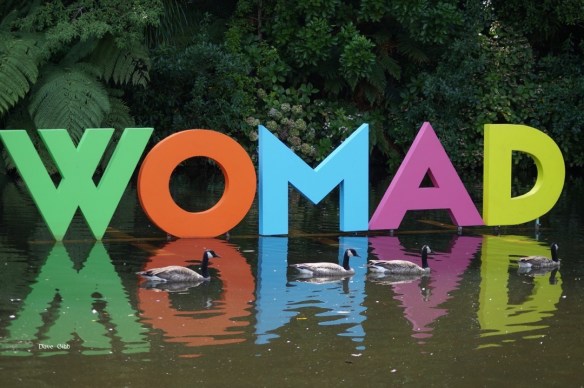 As we were representing the RV Lifestyle Travel magazine which had arranged for our free entry and camping tickets, we were issued with Media Passes. These meant that we could go right up to the stages at times, with certain restrictions, and also we had to supply some photos from each day to the Media Centre – or risk a hefty fine! Actually we never got near the stages for the big artists, the crowds were too great. Having the passes also meant that we were able to explore the whole area early on the first day (Friday) before the festival was officially open, which explains some of the “empty” photos below. It also meant that I slogged up and down that hill TWICE that first day. Sigh. Other days I limited myself to one visit but Dave was made of sterner stuff. Penny was happy to stay in the well-shaded and ventilated truck with food and water while we were both away but it did mean we could not spend all day at the festival unless at least one of us returned to give her a run and some TLC.
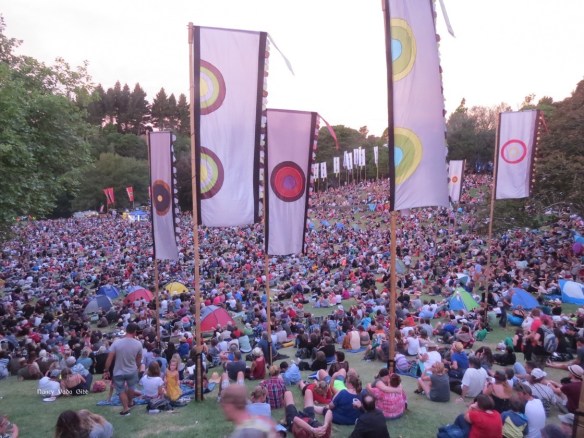
This shows the main bowl from near the top with the stage down at the bottom, pre-crowds and then when Sinead O’Connor was doing her stuff.

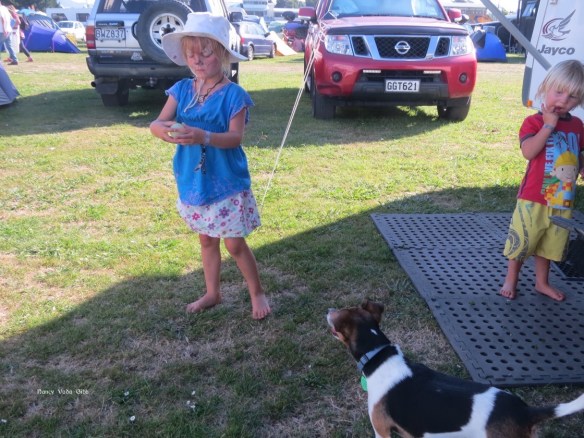
The main camping area was in the middle of the racecourse. We arrived early and set up close to the perimeter of the training track. Penny was happy with our choice of site as it meant she had room to play with her ball and the well behaved children from the next door caravan (“Can I have a look inside yours?”).
By early evening it was a sea of motorhomes, caravans and especially tents of all shapes and sizes (one looked just like a Combi van)……


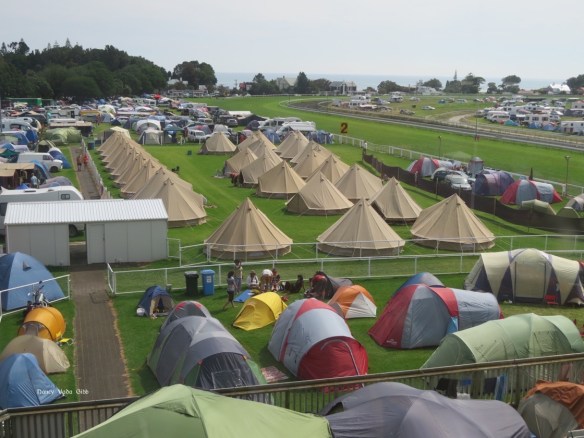
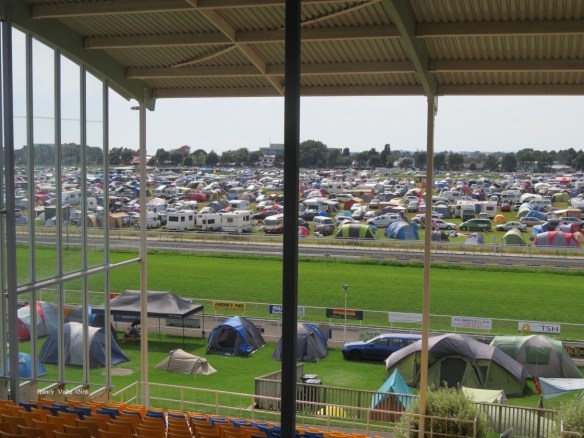
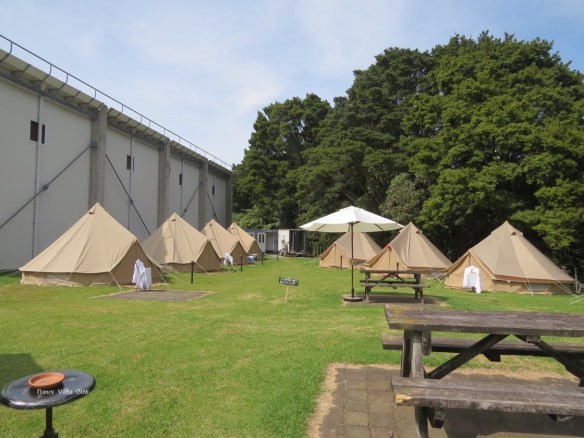
….. over 4,000 people according to the local newspaper. We couldn’t have moved. The overflow next evening invaded all other available racecourse space, apart from a special area set up for the glampers (my spellcheck changed this to gallopers!) where the camping-challenged paid $1,215 for large circular fully furnished 2 person tents for 3 nights; tickets to the festival were extra. A private ablutions block and cafe completed the glamping area.
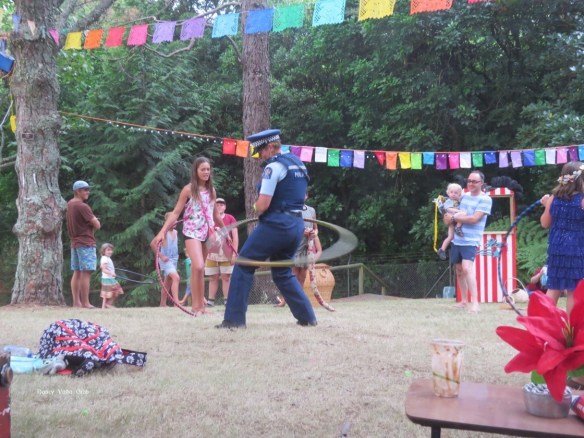
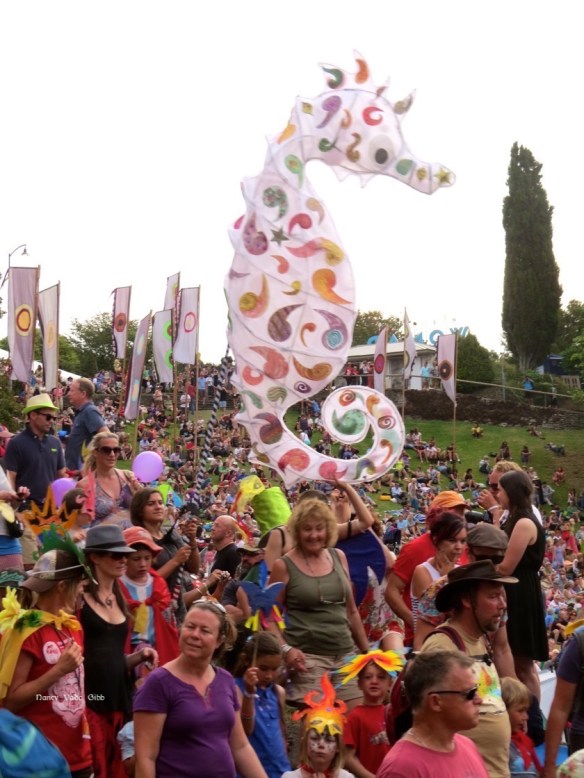
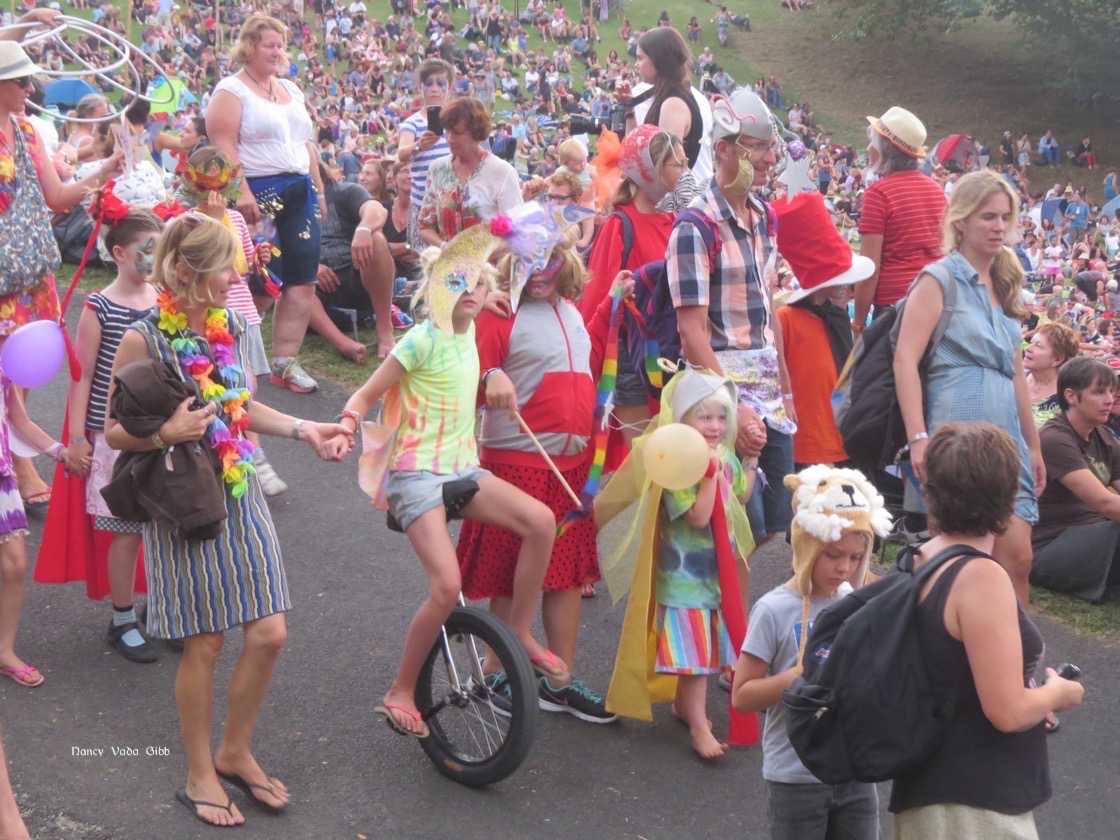
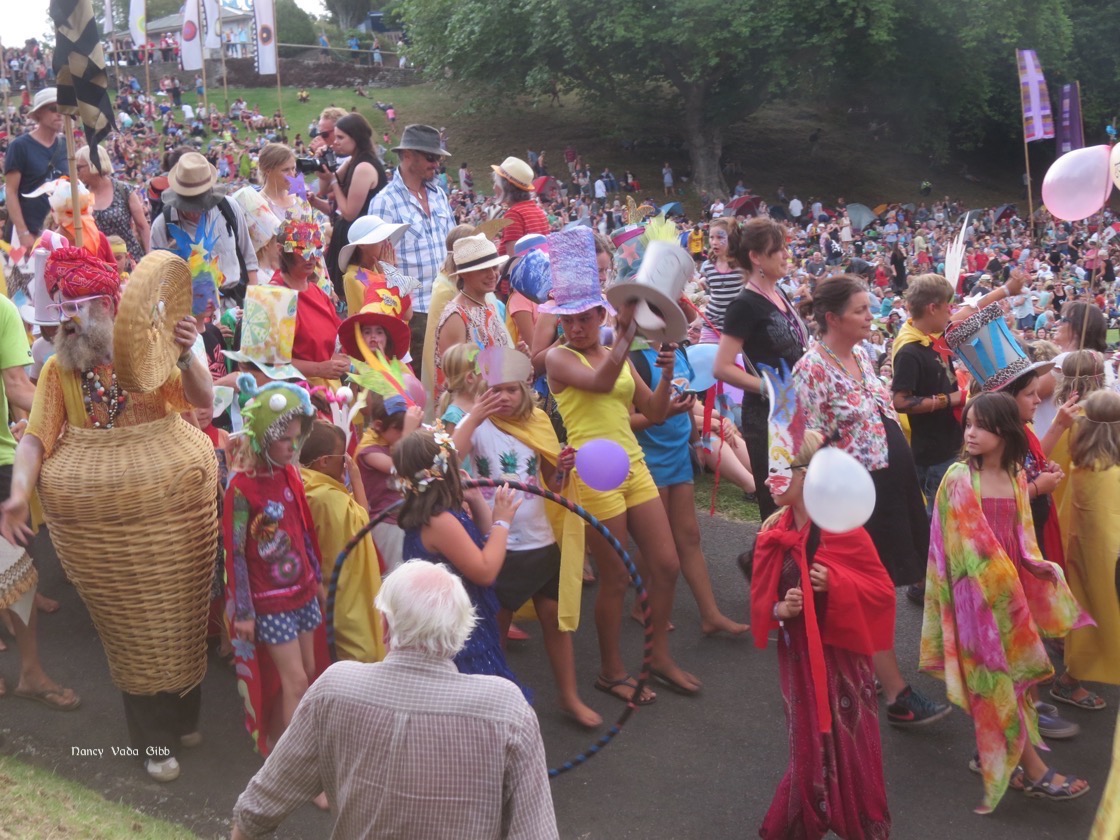
There was something for all age groups. The number of parents pushing buggies and prams up and down those steep slopes accompanied by happy little painted faces tearing around was phenomenal. There was a special Kidzone with face painting, parade costume making, wall climbing and much more. Not always just for kids ….
Over-65s were in theory catered for by a number of mini grandstands offering elevated seating and wheelchair platforms; they were always packed. (The photos shows empty ones before the crowds arrived). Standing space on the ramps, if available, was useful for shorties like me for seeing over the heads of the crowd. Many people were well prepared with rugs or beach chairs, many more simply stood and swayed. The warm air crackled with good humour.


 A few statistics: About 22,000 people watched 300 artists from 22 countries and ate food from almost as many. All 3 days were sold out for the first time since 2007, with a limit of 12,000 people per day. The queue waiting to go through the bag check on Saturday afternoon stretched from the bottom of the hill right up to the top.
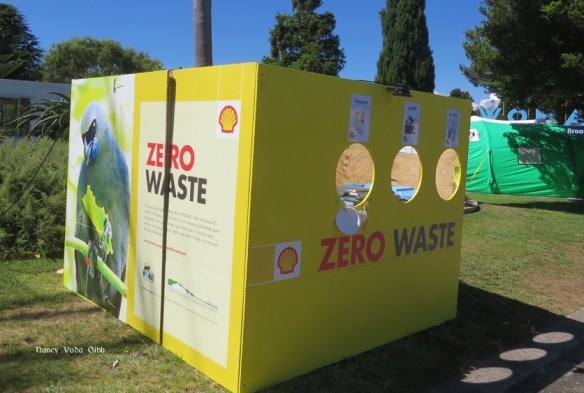
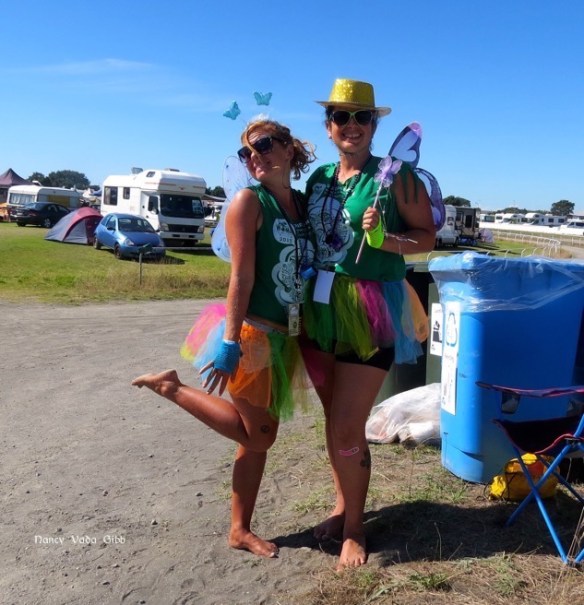
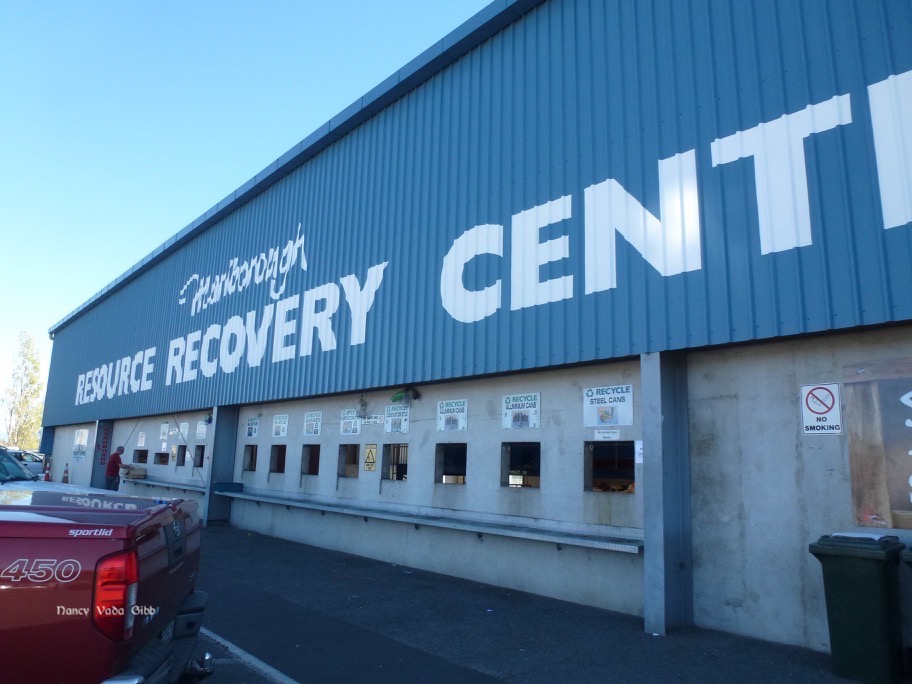
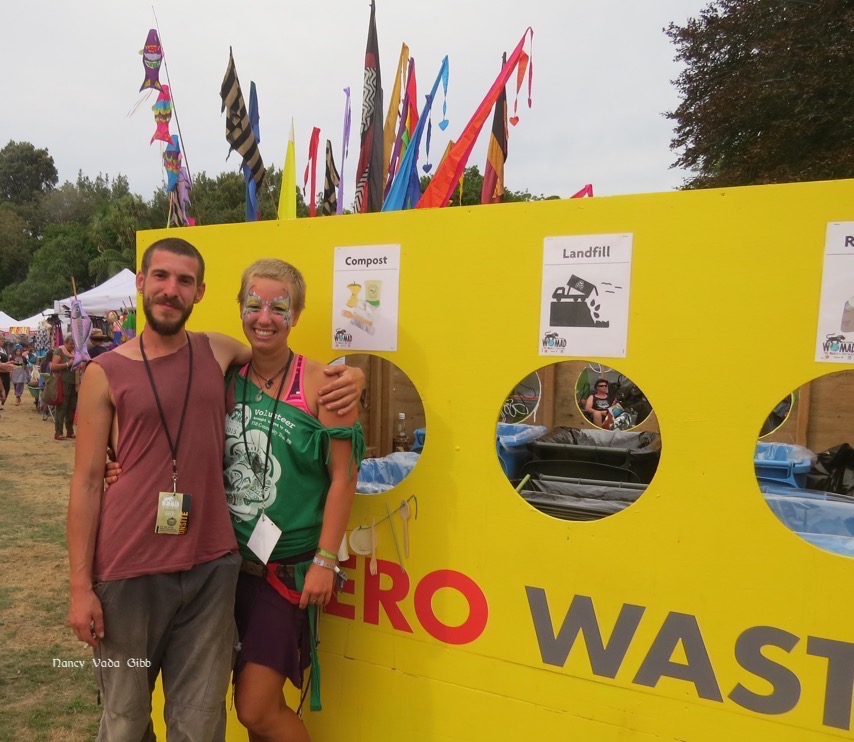
WOMAD has had a Zero-Waste programme since 2008. Volunteers stood by the multiple-choice refuse bins to assist, and all drinks were sold in washable, reusable Globelets (initial cost $2) which were estimated to eliminate over 50,000 disposable drink cups. There were well-marked points where water bottles could be filled. We’ve since read in the newspaper that over 80% of rubbish from the 3 days has been recycled or turned into compost. Shell NZ partnered with WOMAD to donate $1 for every kilo of recycling or compost at the festival to a local project to save the kokaho parrot. The recycling yielded 5,372 kilo.

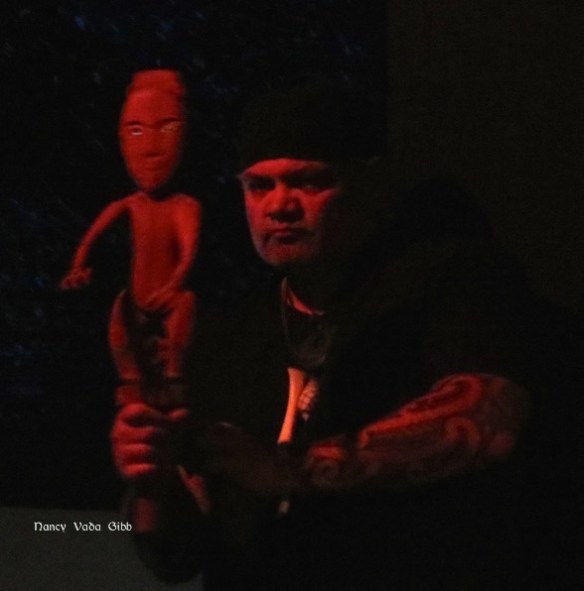
It was difficult to choose which artists to see but we managed a reasonable number between us. Special mention goes to the fantastic drumming group TaikOZ from Australia, Flavia Coelho from Brazil (“a distinctive meld of samba, bossa nova and ragamuffin”), Fanfare Ciocarlia (24-legged brass band from Romania) and Toumani & Sidiki Diabate (kora players from Mali). Sinead O’Connor of course drew a huge crowd. The Maori legend of how the world came into being was told beautifully by two singing Maori using wooden puppets and a variety of background sound effects. As both Dave and I are hearing impaired we preferred music, dancing and body language to pure singing. There were signing sessions at a huge CD shop and some artists gave workshops in the afternoons.




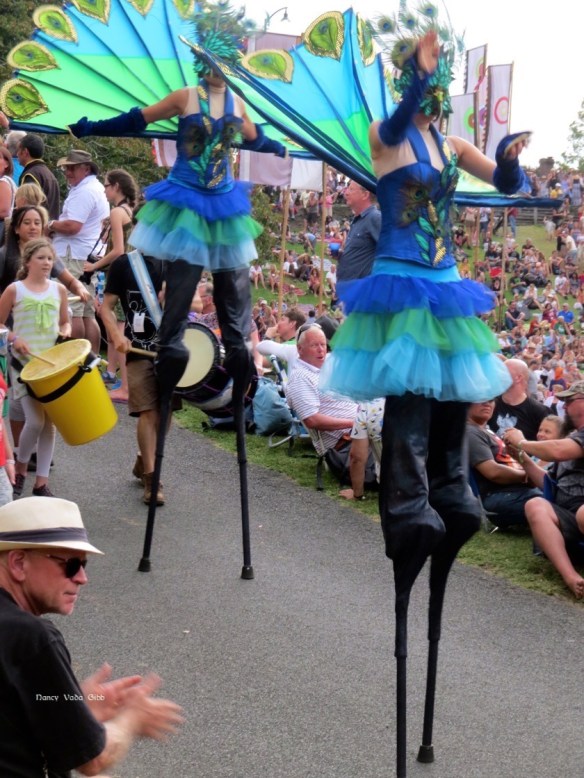
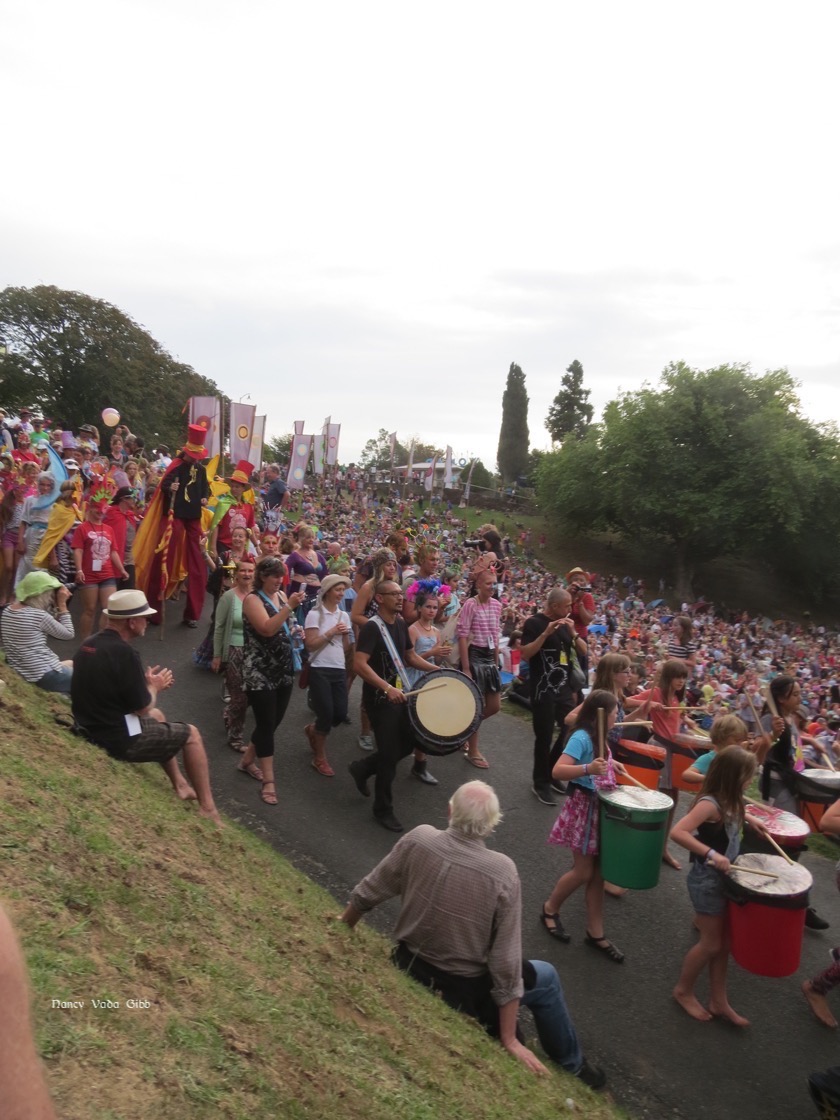
 The Peacock Ladies awed me not only with their gorgeous costumes but by walking down the steep hill on stilts during the final Parade, accompanied by children dressed in their own creations and playing home-made drums.


A trio from Tennessee played Appalachian folk music on dulcimers.

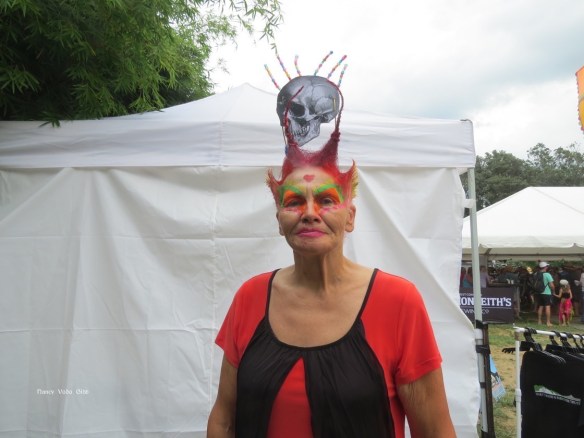
Osadia gave a “provocative exhibition of hair art” with some fantastic creations.

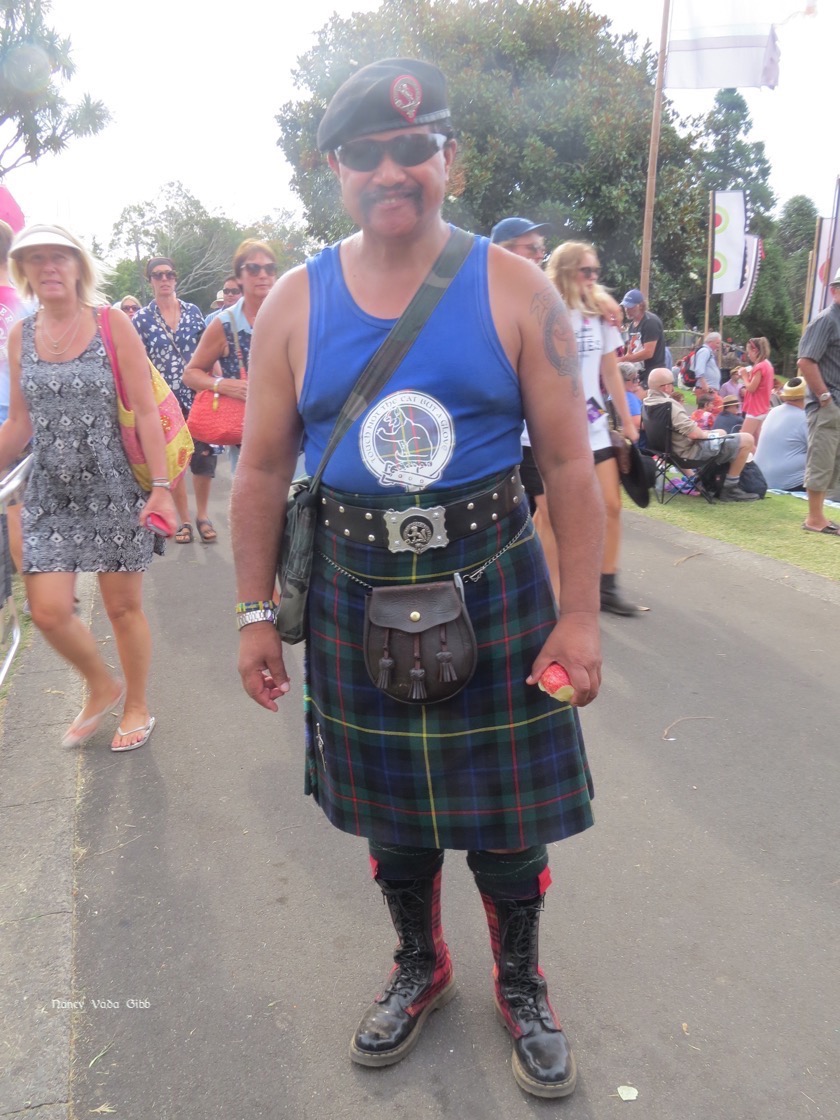
I told this guy I liked his kilt and got a hug in return. The T-shirt says “Touch not the cat but a glove” (should really be … bot a glove). The motto of the MacPhersons and Mackintoshes. I guess he really was one.
And the food! A huge mixed paella with mussels, calamari, chicken and chorizo, and the Hungarian bread puffs with tomatoes and feta were our favourites. Most food cost between $6 and $15.

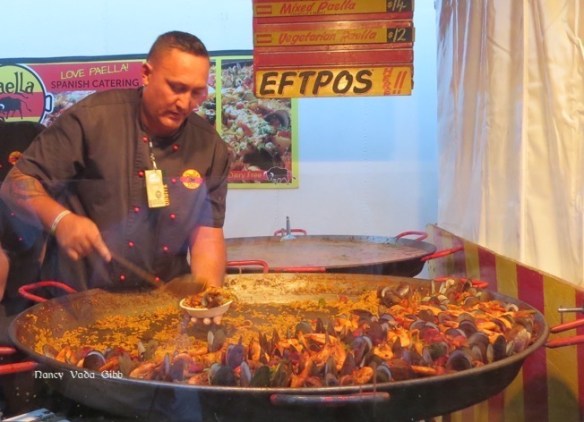
We cast longing but sated eyes at the many enticing curries, wood-fired pizza and other foods, and watched exotic cooking demonstrations.

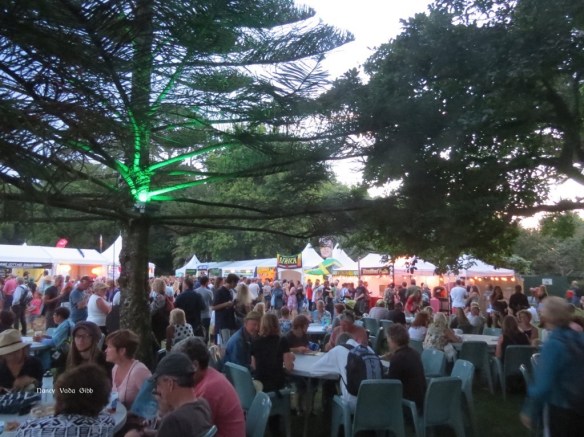
A large shady area nearly offered welcome seating, the tables kept cleared and spotless by volunteers who also roved the Festival grounds picking up every tiny scrap of waste. The local newspaper also provided some comfy sofas, coffee tables AND free newspapers.
The best mango yoghurt smoothie ever was served from a pretty little blue caravan.
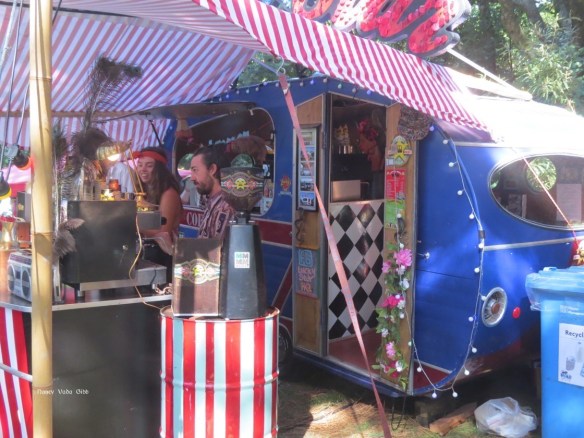
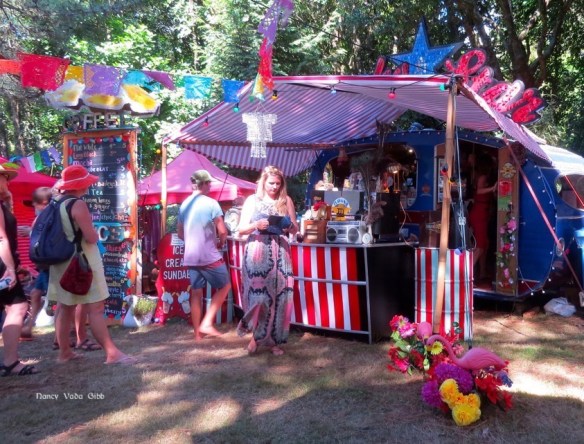
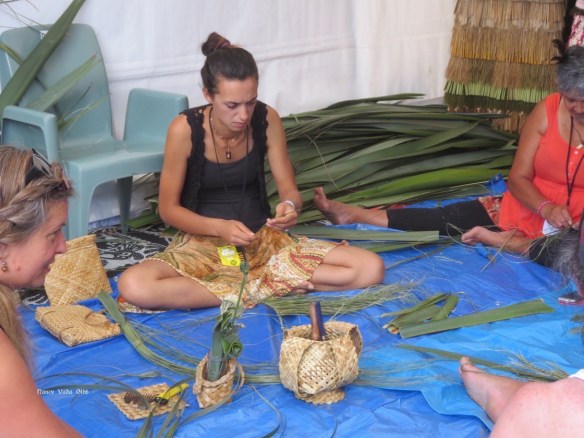
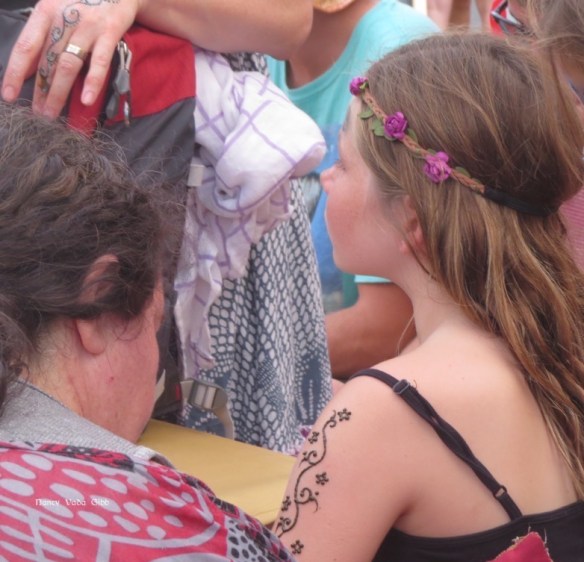
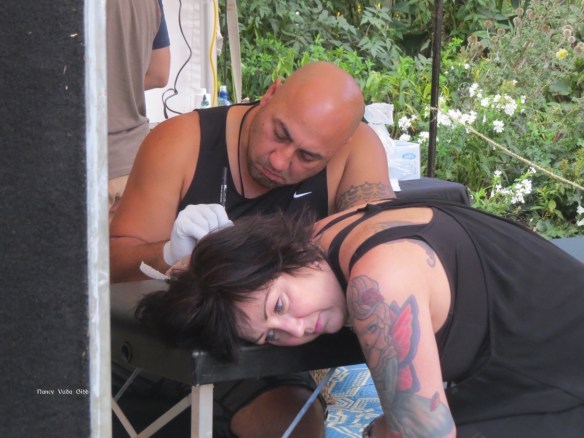
Colourful stalls sold the usual clothing and jewellery; at other stalls you could get your hand or arm hennaed or endure a real maori tattooing or have your hair braided.

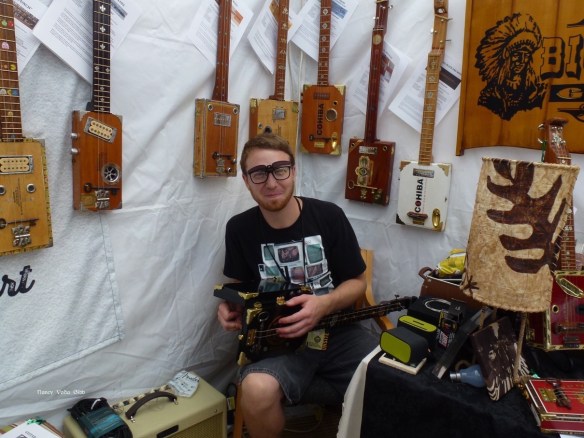
 More unusual were the cigar-box guitars and nifty carrier bags made of recycled truck ‘curtains’.



Health and wellness was well catered for. You could “borrow” one of 16 human books for half an hour from an impressive living library designed to “promote dialogue, reduce discrimination, encourage understanding and widen views on life”.
The Festival continued util 11 pm each night. On the last evening the tail end of cyclone Pam arrived with high winds which resulted in many tents being packed up extra early next morning. Mt. Taranaki, previously so clear, was covered with cloud. The Festival was over.

 A shortened form of the above is to be published in a future issue of RV Lifestyle magazine.








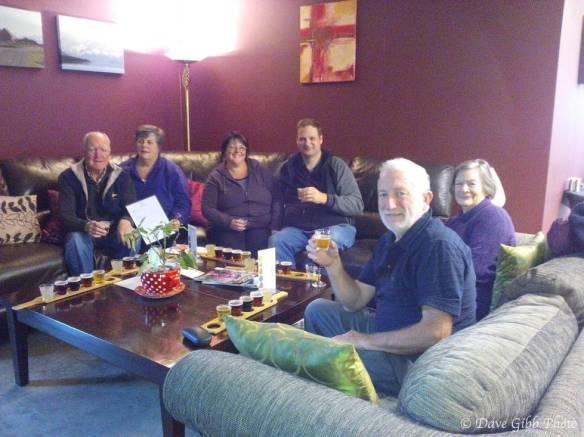 Next morning the endless comparisons and ‘tours’ of the three caravans from both male and female perspectives flowed on and on. In summary it was a very fruitful and enjoyable gathering and even Penny had fun with the miniature schauzer from one of the other caravans. We also met the owners of the brewery and learned something of the history.


 Th
Th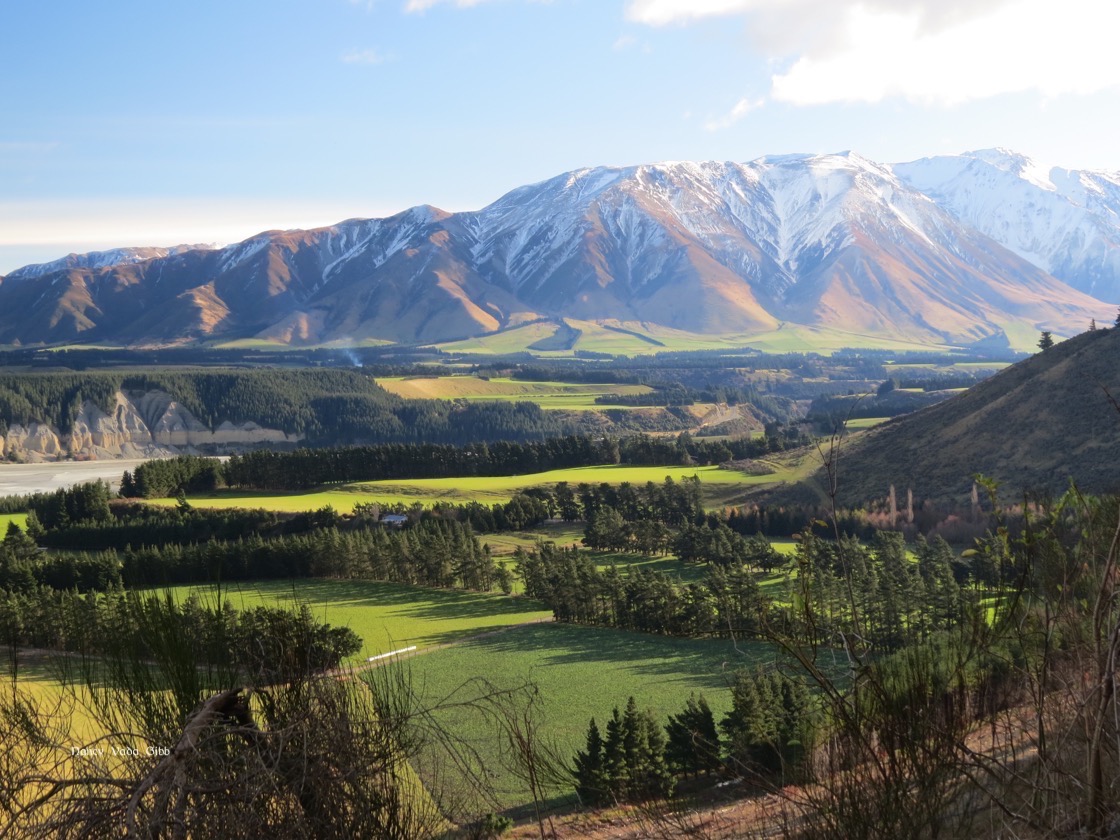





























 The stables and harness room were interesting, including the flooring of old river stone. There were once 120 working horses on the Estate.


 Next door is a recreation o



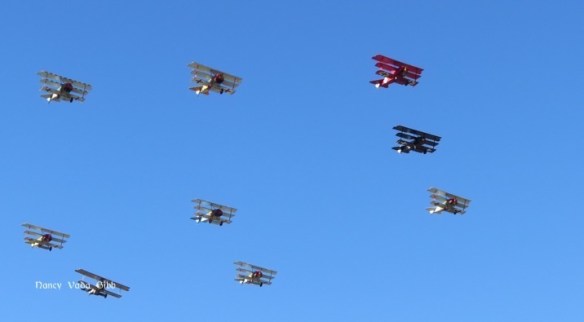

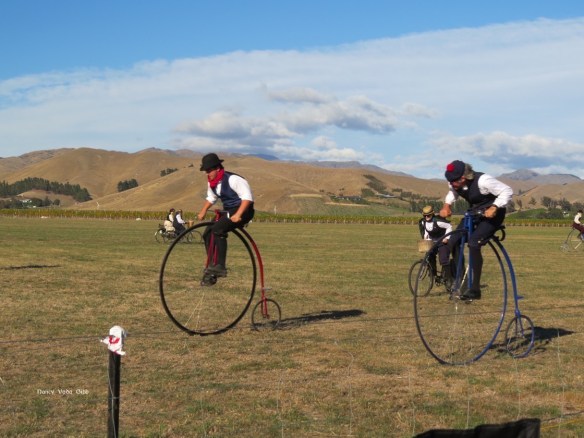
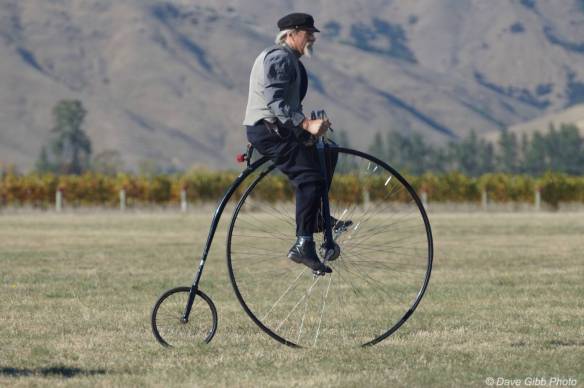


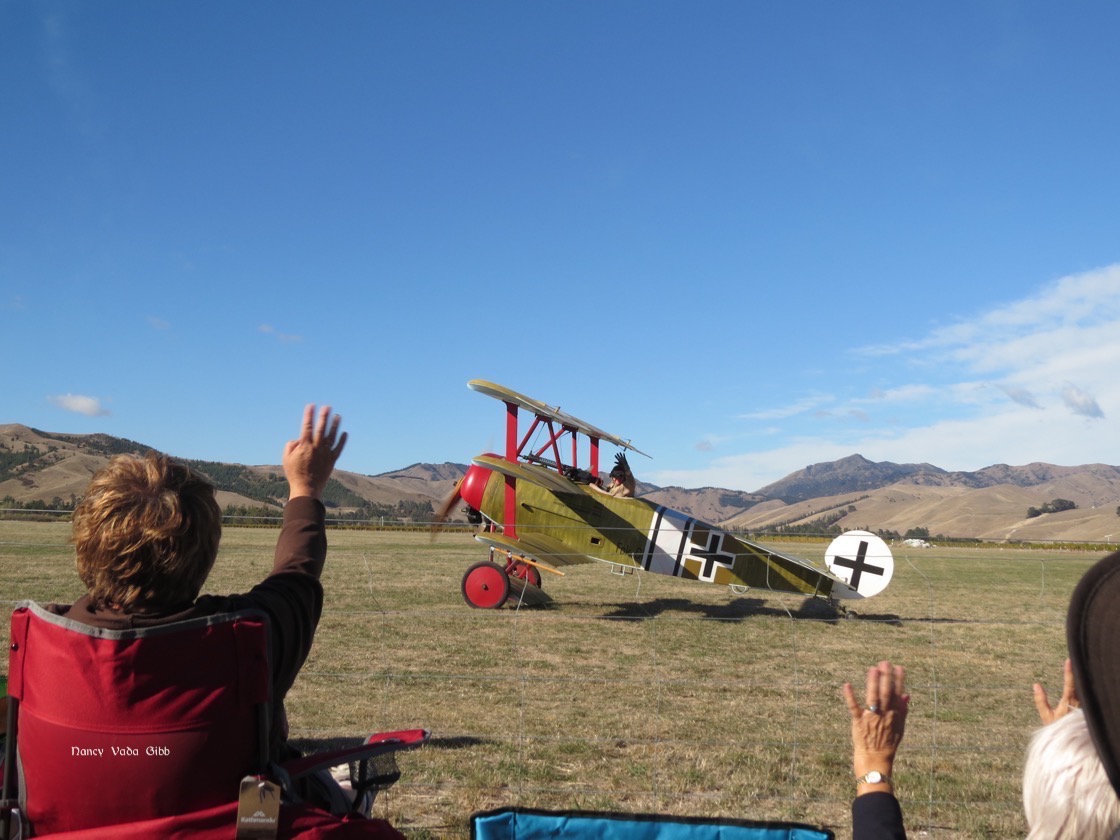


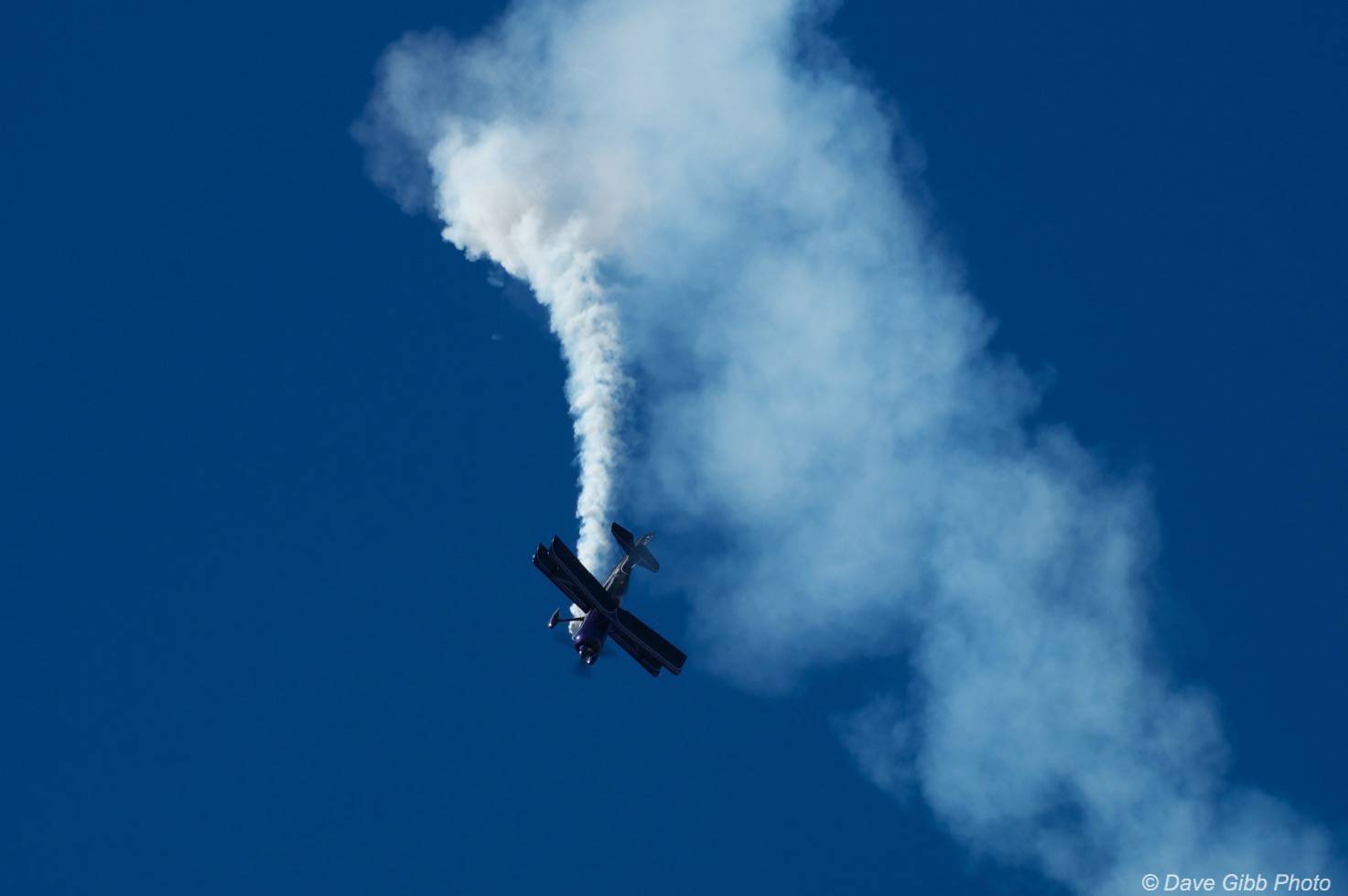


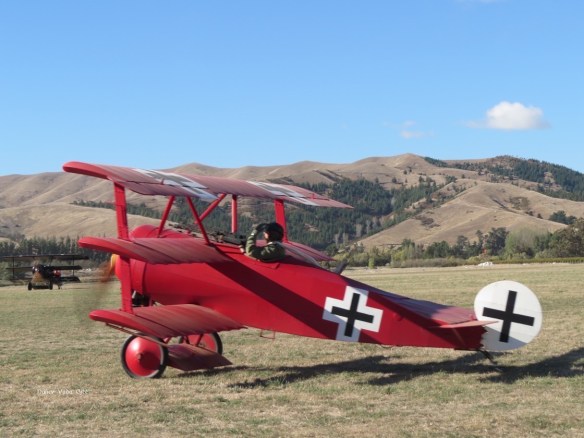


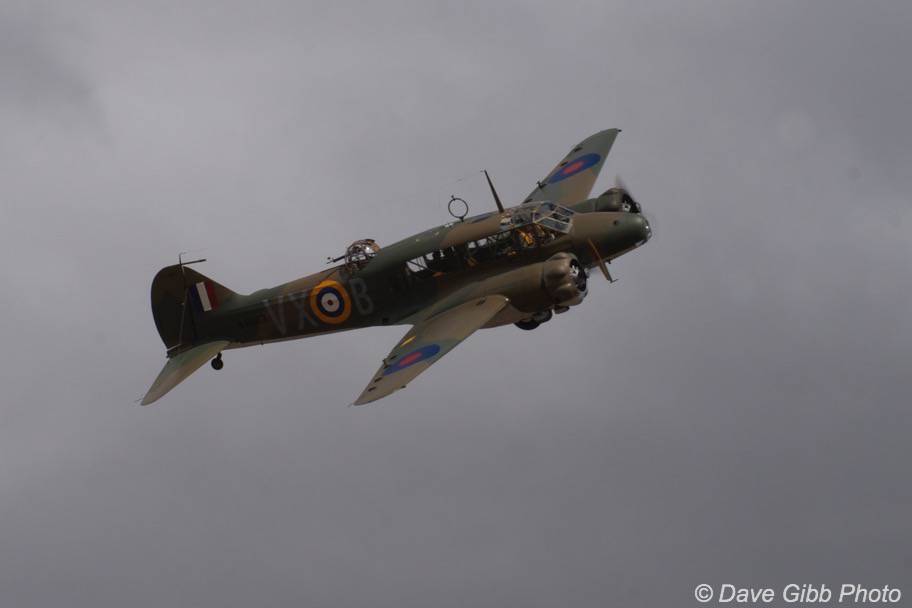

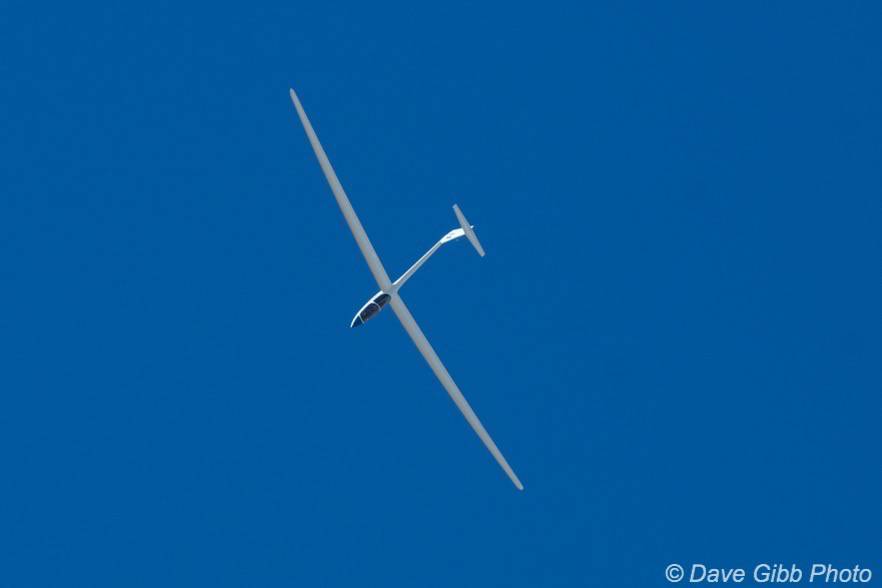



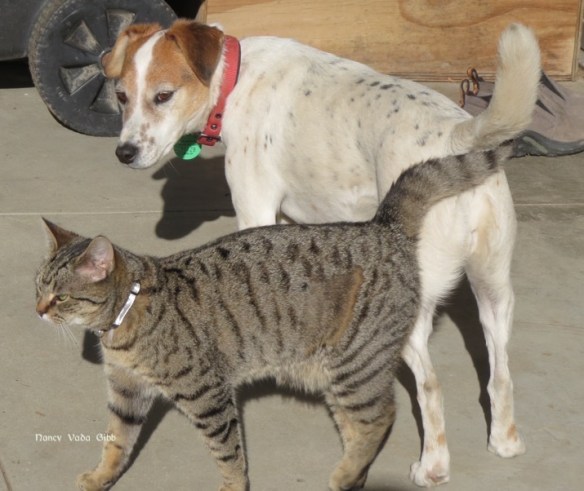
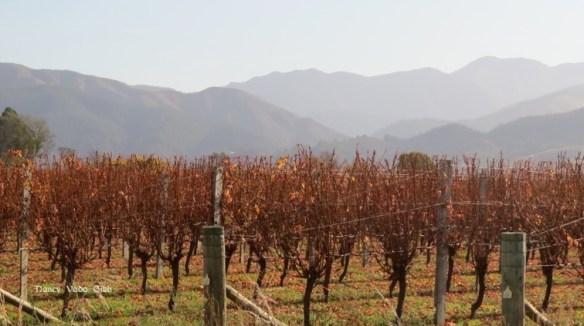
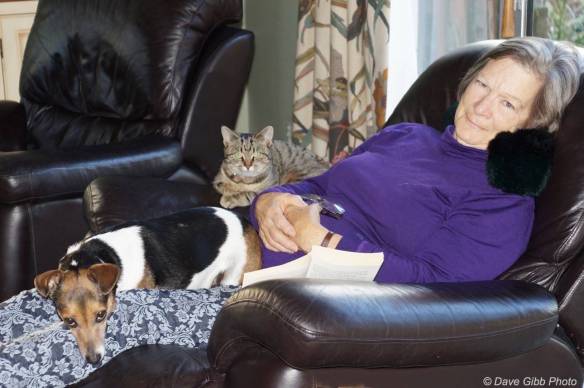
 Dave went back to the river bank with Robyn next morning for some more photos of the vintage planes but I stayed “at home” revelling in Robyn’s lovely warm comfortable home next door to a vineyard and the company of her little Burmese cat Kassia aged 16. Penny and Kassia got on well, they had met before and established a state of apparently unconcerned slight wariness (!). I think Penny’s upbringing by our two cats is largely responsible.


 A visiting photographer from Australia was the excuse we needed for a trip to Robyn’s favourite lake (where we spotted some huge fungi)…..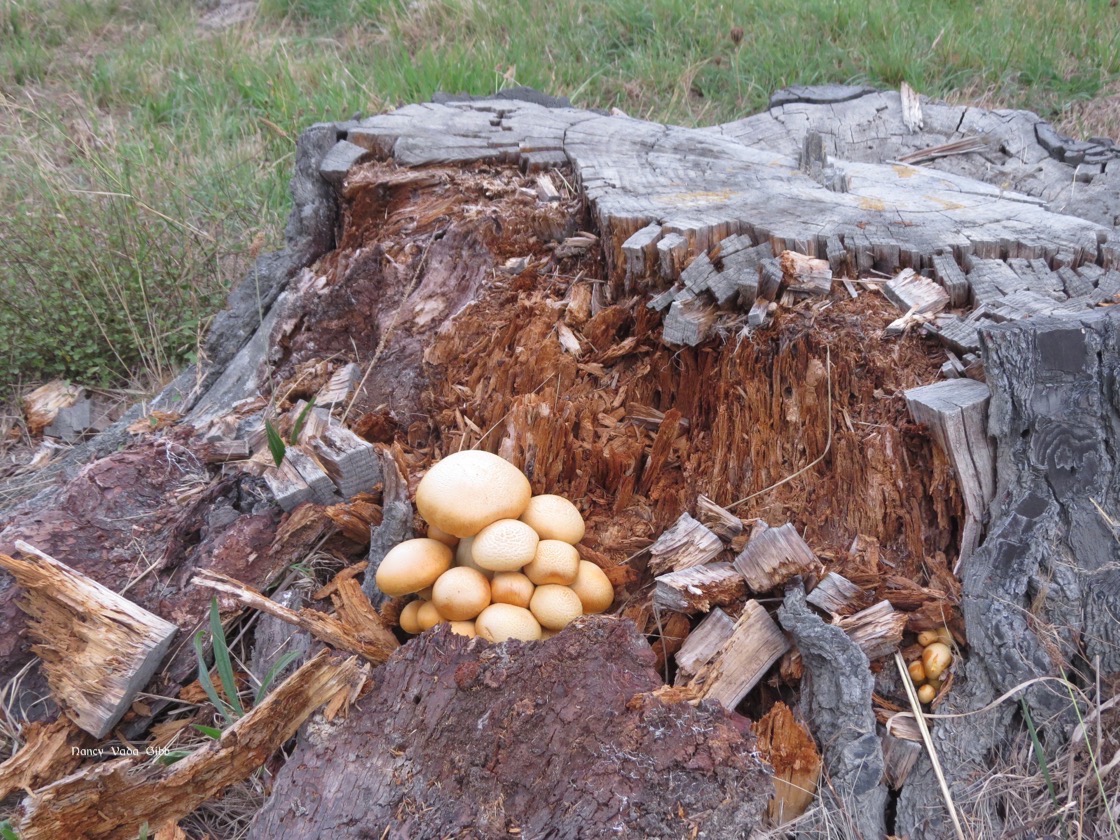


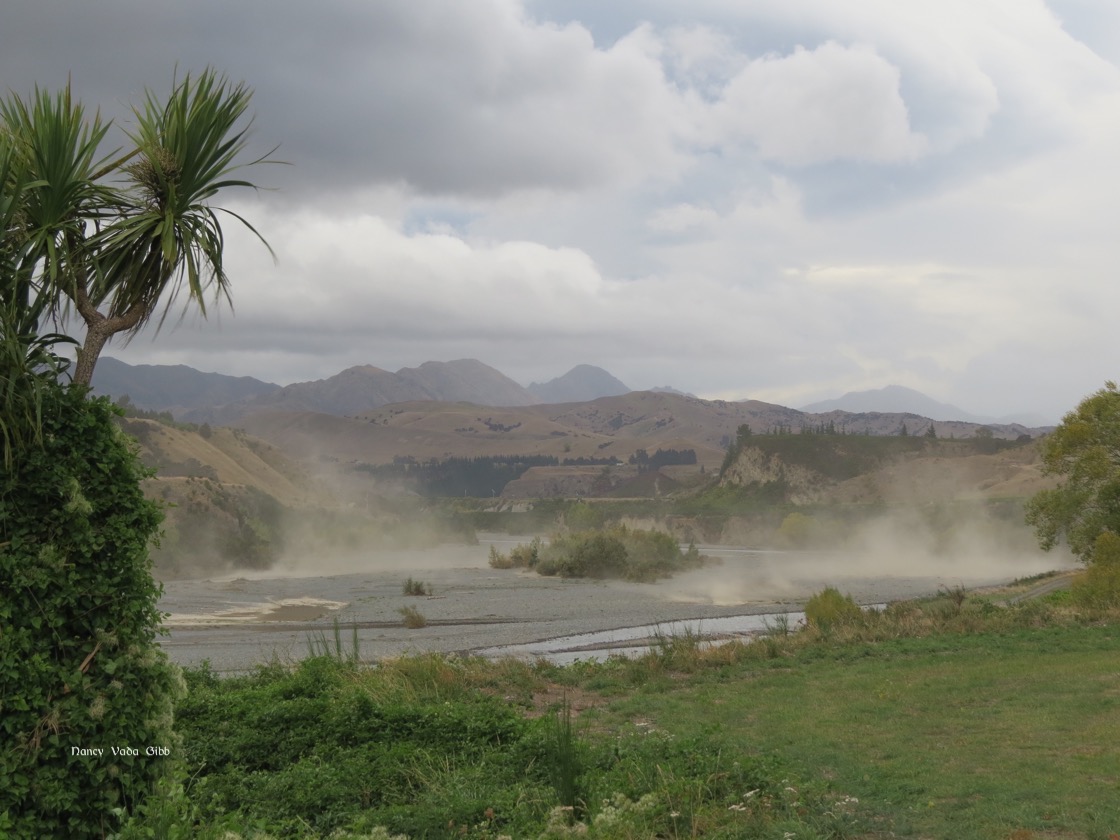
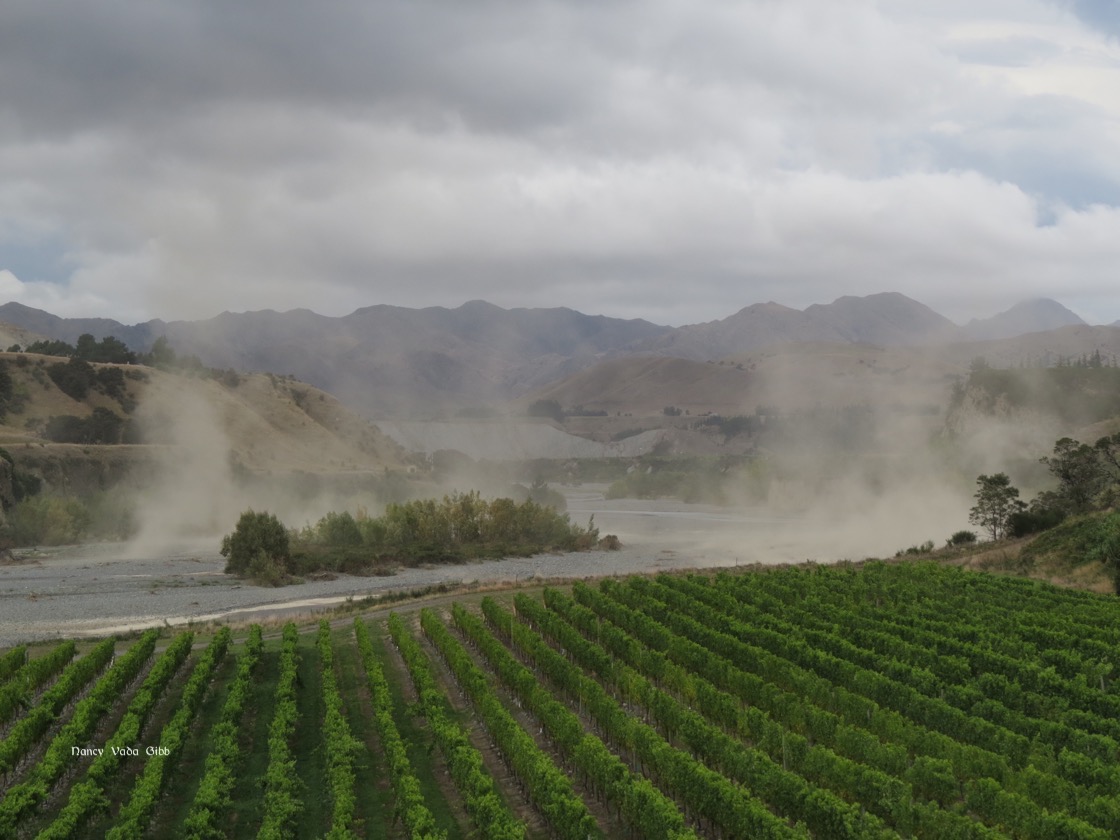


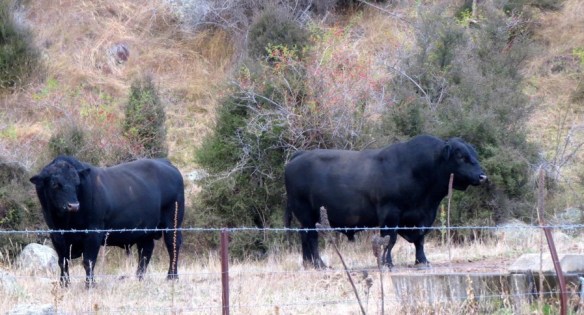 It was interesting to reflect that the whole area was once under the sea, as evidenced by the exposed faces of road cuttings.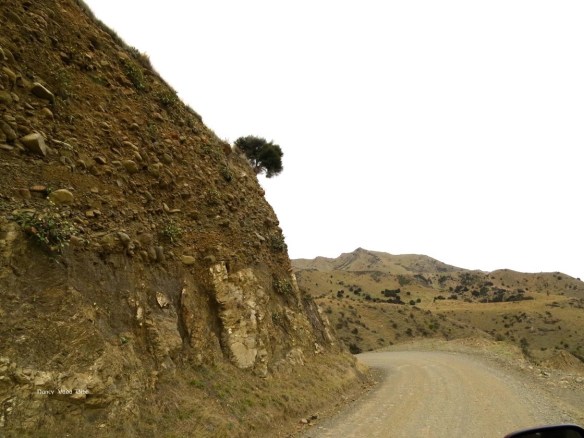
















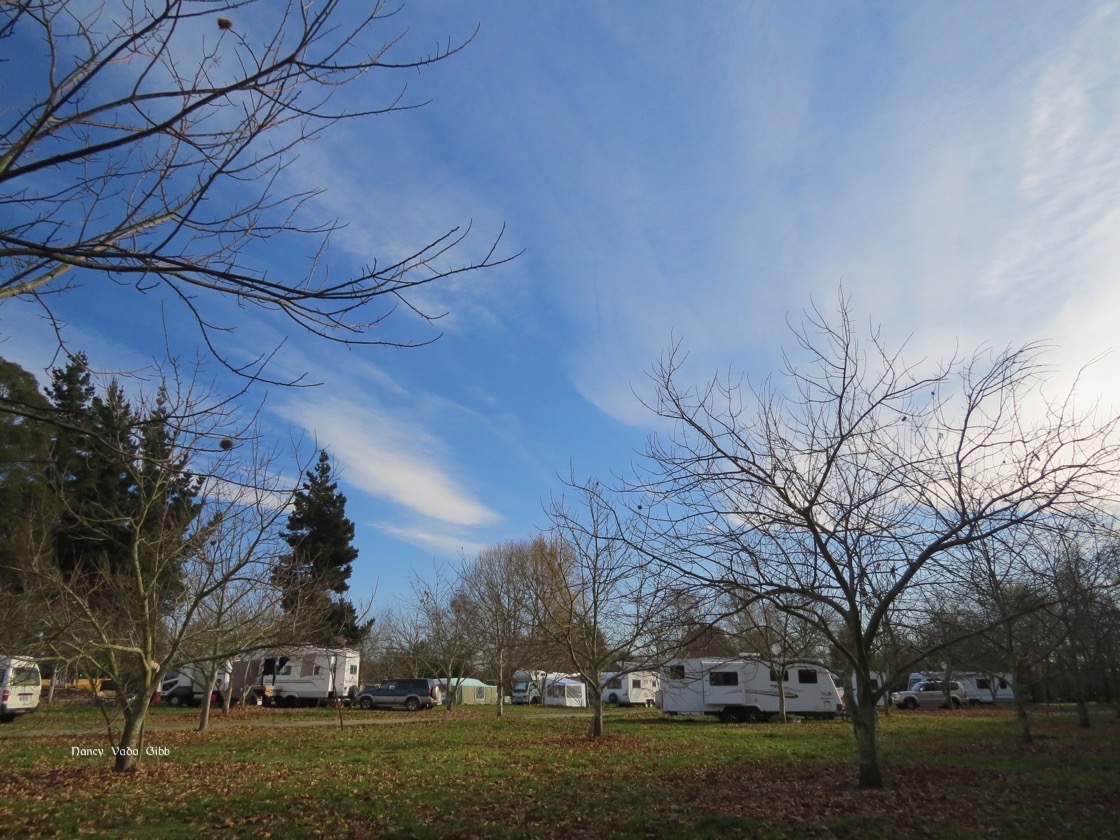
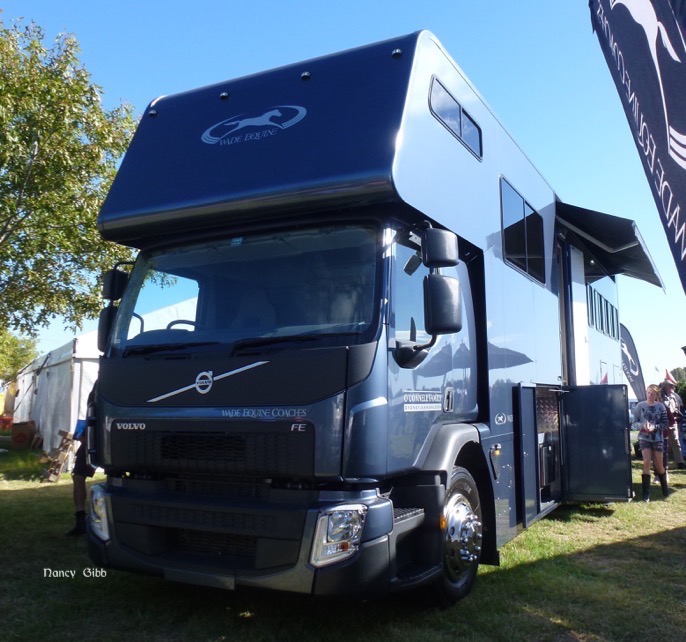
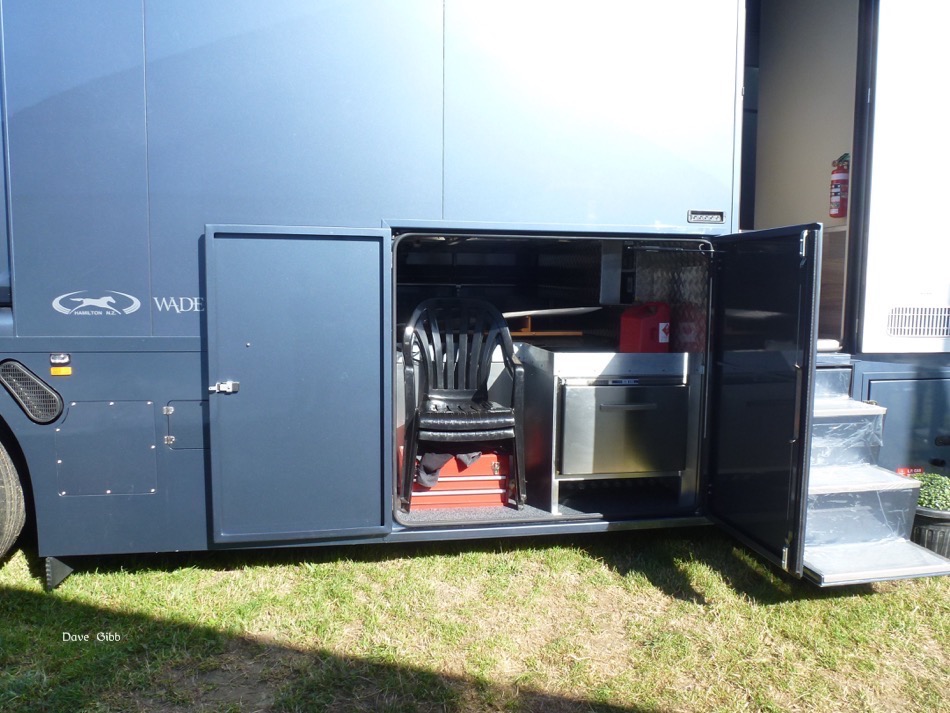
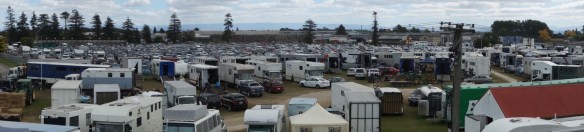 Besides hundreds of conventional caravans and motorhomes and horse transport vans of varying degrees of sophistication……. (this photo shows several ‘transport’ options)…..


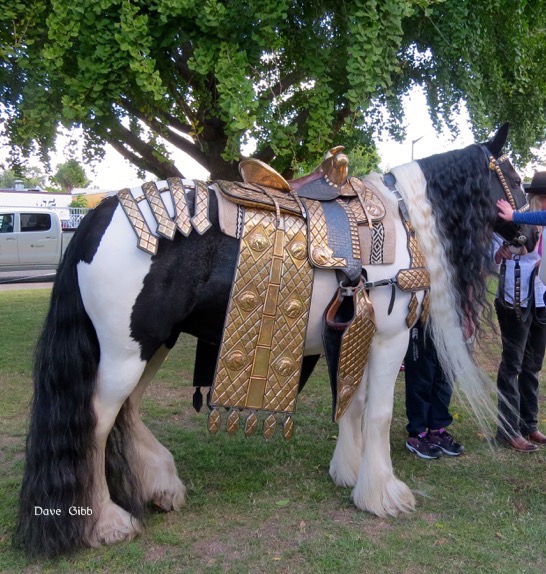
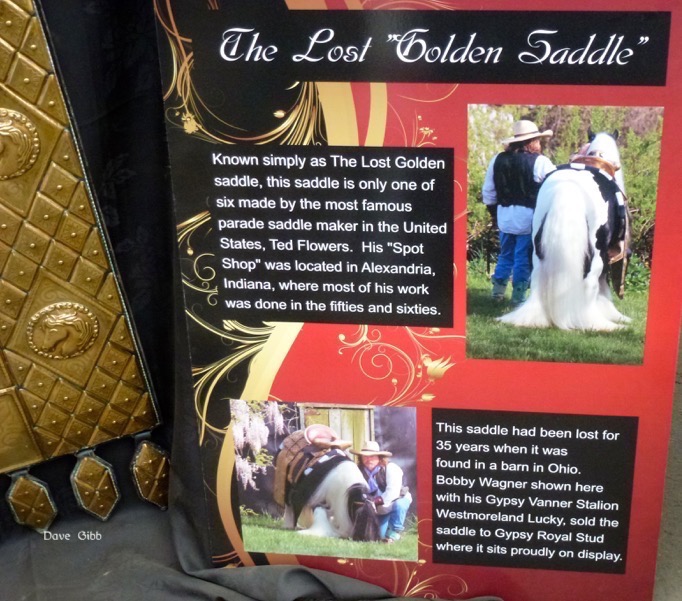




 Horse and rider are in training for Olympic selection so I felt it was a great privilege that such a valuable horse should be brought into a small noisy city space. Ali Baba remained imperturbable. We were fortunate to see him again next day competing impeccably in a dressage event.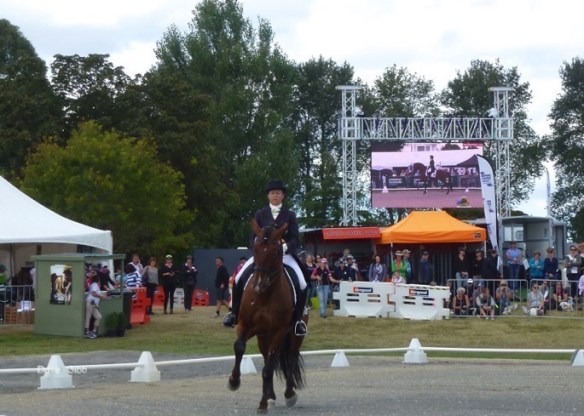




















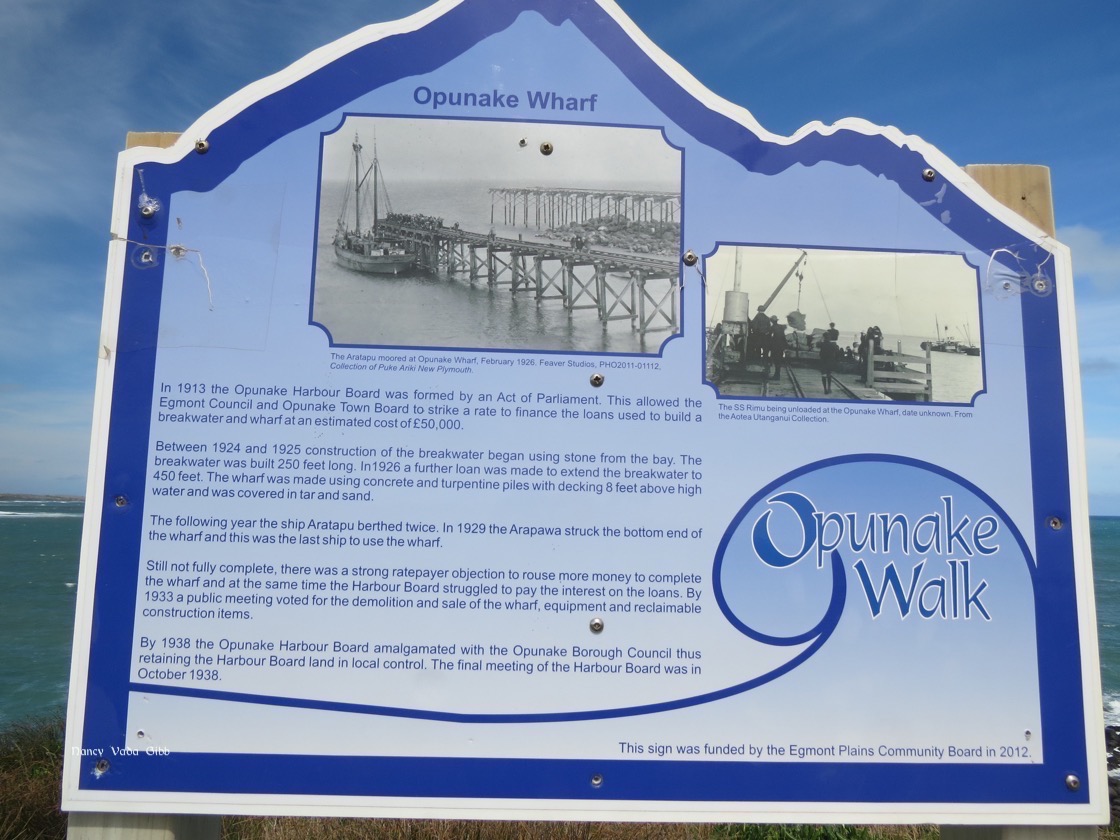


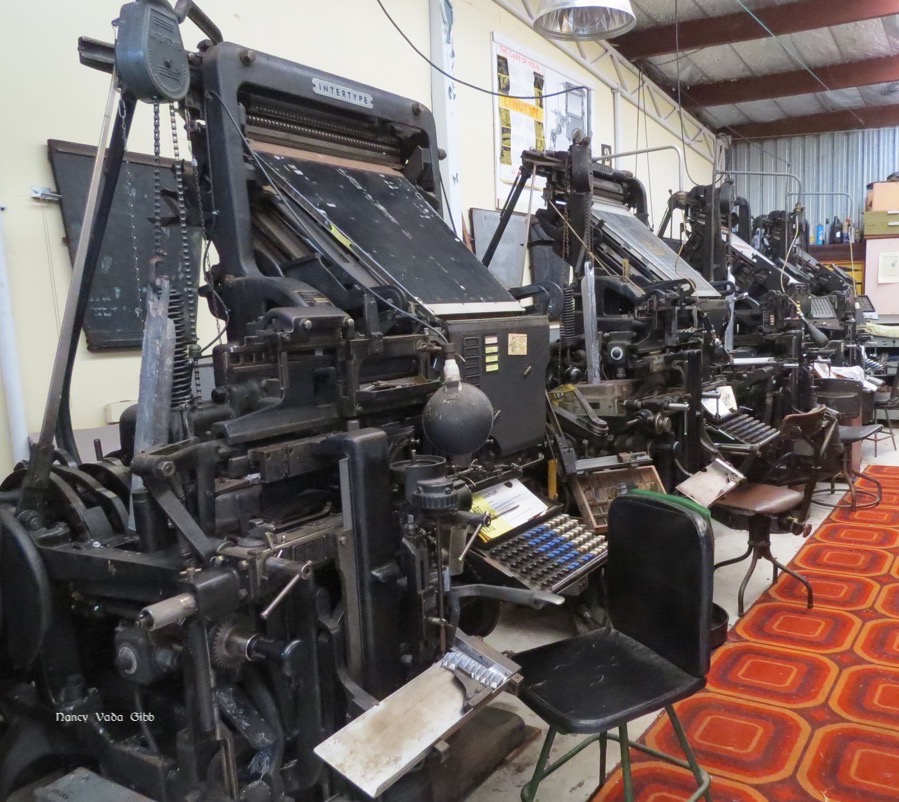


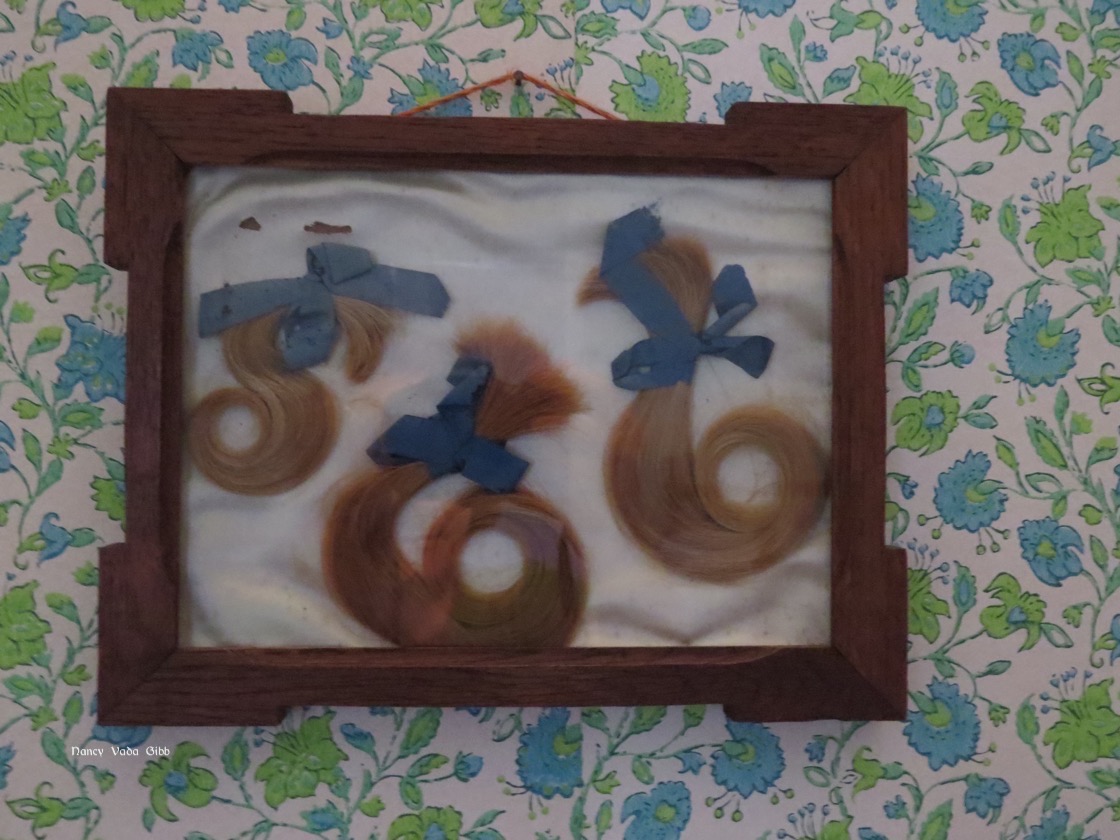


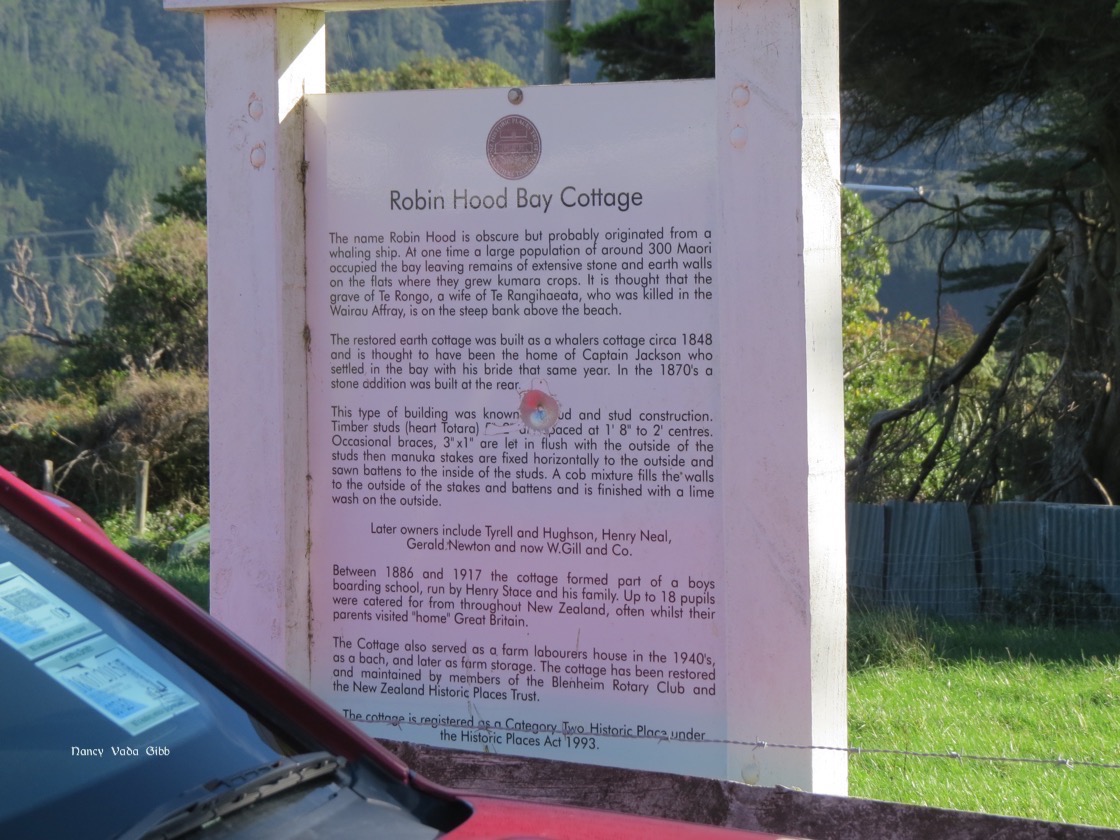
 There was some beautiful old crockery donated by various people and the caretaker/guide at the cottage told us the story of the families crockery being buried somewhere near when they fled to Wanganui when the land wars started and not recovered when the family returned as several of the cottages and the surrounding bush has been burned by the maoris who occupied the houses for a time. The crockery was found 70 years later:


