Leaving Hamilton we drove over one of the many bridges yet again, which reminded me of Dave’s wonderful story of when he was a school Army Cadet ….
When I went to Hamilton Tech we were put into the school cadets whether we wanted to be or not. Fortunately for me I was drafted into the REME (Royal Electrical and Mechanical Engineers) platoon so while all the other poor sods were out on the sports field square-bashing our platoon was squeezed into an Army 4 X 4 and a recovery vehicle and driven down to the then city dump on the banks of the Waikato River where we spent our days pushing an old Bren Gun carrier into the river and then working out how to recover it using the winches and blocks and tackle and ground anchors etc. And as soon as we had it back on dry land we would push it back in again. All under the relaxed supervision of a couple of regular army soldiers. Amazing fun on a beautiful summer’s day. Fortunately OSH hadn’t been invented back then!!!!!
Came ANZAC day and Dawn Parade. We were mustered at Garden Place and marched down the main street, left turned at Victoria Street and across the bridge. Large numbers of people marching in step can create extreme stresses which have been known to make bridges collapse in the past so just before we arrived at the bridge the NCO called “Break step!!!” So we all did a little shuffle and carried on….. still in step!!! About halfway across and the bridge was swaying alarmingly when a Regular NCO came racing up and screamed at us to “BREAK STEP!!!!!! HALT!!!!! NOW WALK!!! ONE RANK AT A TIME!!!! GO!!!” So we all shambled across the rest of the way and reformed ranks on the Riverside road for the rest of the Parade. My first ever Dawn Parade.
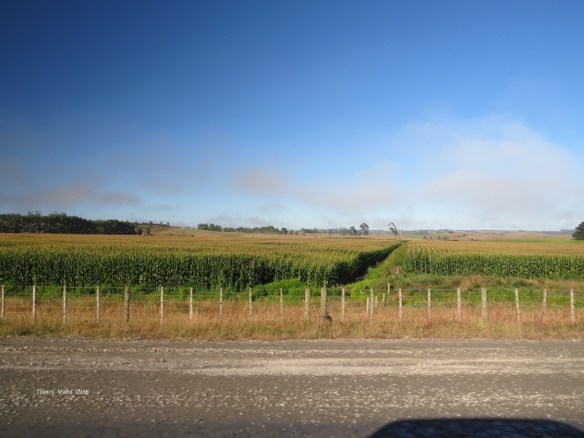
We were heading for Paeroa again but a phone call advising that a new seat cover would not be ready till the Friday caused us to divert to Tauranga, specifically the NZMCA camp at Tauriko on the outskirts where we have stayed before. It’s an ideal place from which to make sorties to various parts of Tauranga and points beyond without having to go through most of the city proper every time. Maximum length of stay 3 nights which suited us perfectly. On the way I admired yet again the contrast between the Kaimai mountain range and the Waitako plain, the latter covered with dairy cattle and cornfields. (And yet again there wasn’t time to go back to that wonderful Italian restaurant in Te Aroha!)


Along the way Dave suddenly said “fireworks ahead” which translates to a cop car with flashing lights – and a glass-laden lorry on its side in the ditch. The thought of the clean-up boggled me.

We went to Rotorua for the day so Dave could have lunch with his old boss from umpteen years ago. It was only 77 km through some diverse country, at first very hilly, all lumps and bumps and welcome patches of native forest plus the inevitable pine forests with the roadsides lined by waving toi-tois. I do love those native plants and the way the light shines through them. Then through Mangorewa Gorge, it must have been quite a feat cutting through all that rock and leaving serrated/ribbed patterns. Some especially steep faces are now covered with ferns peeping through the safety netting.


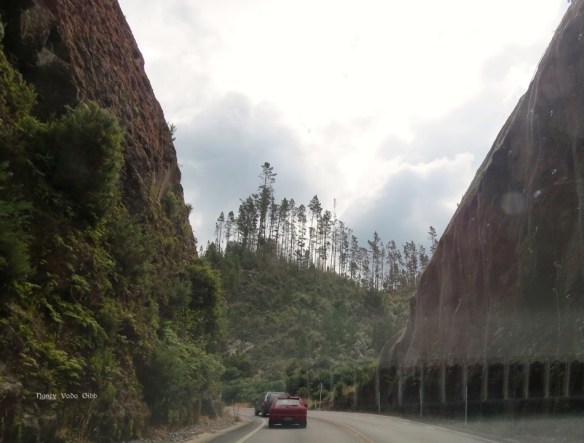
We stopped at a site which commemorated the building of the road. Signs told the story. Imagine a coach in 1873 with 4 horses, all the way from Napier to Rotorua then on to Tauranga. How long did it take? The first motorcar to use the Gorge road was a 6-seater Darracq in 1906. Then early in WW2 it was feared that the Japanese would invade NZ and the Home Guard built over 1200 road blocks to stop the move meant of tanks.

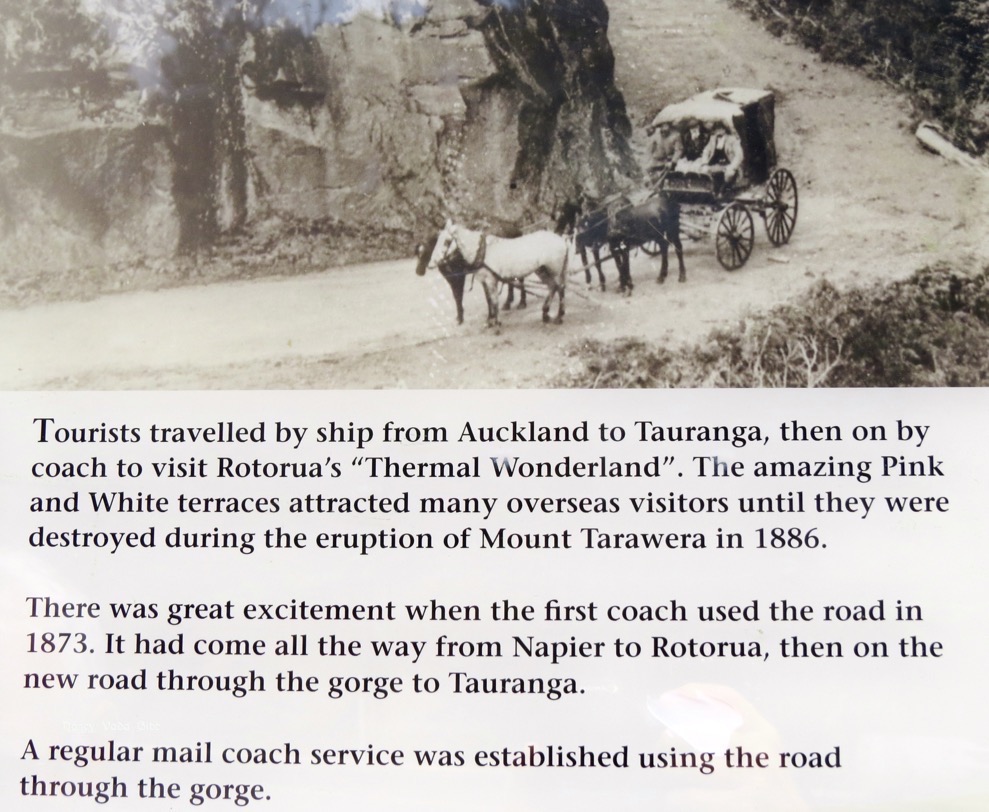
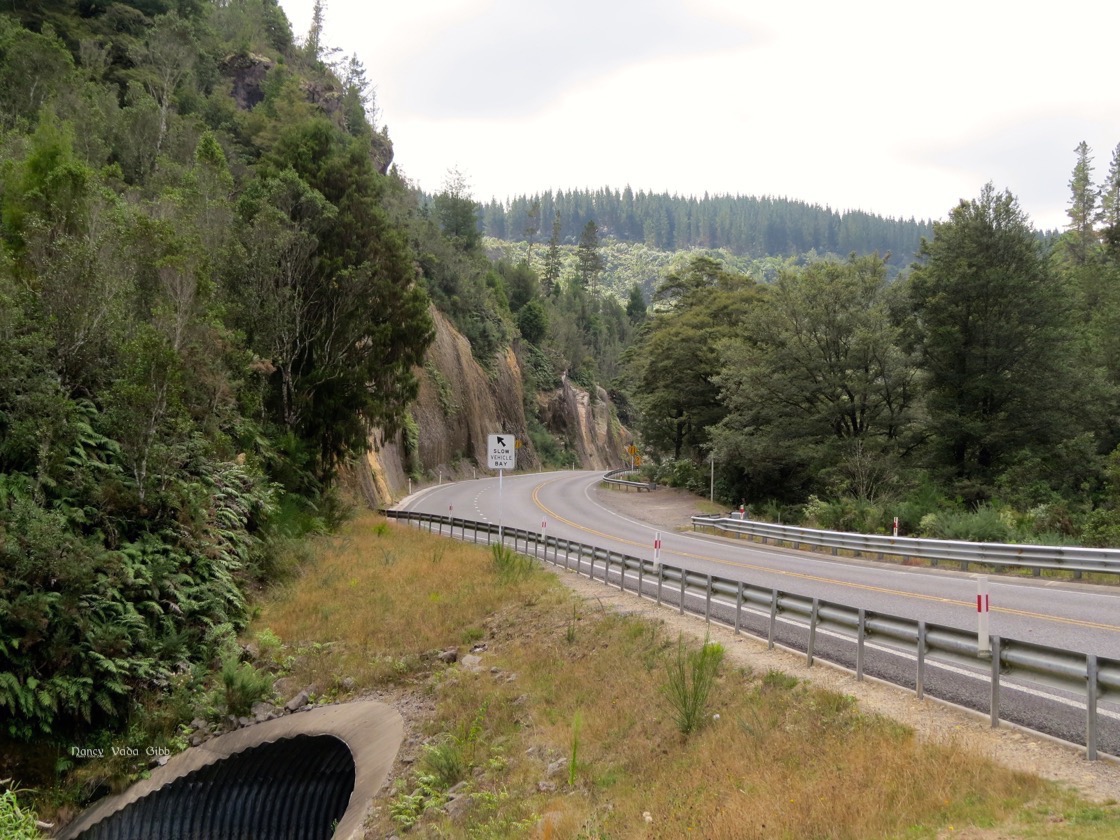

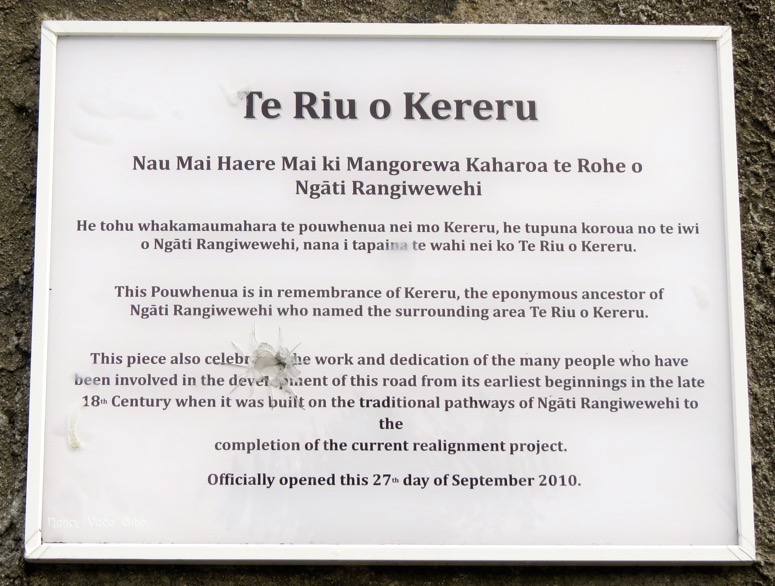


Mangopouri Gorge which followed was much less spectacular but with the same twisty road.
And so finally to the huge Lake that is Rotorua. I thought I could smell the characteristic sulphur smell immediately but it was probably just a passing truck. We had a lovely but far-too-much lunch at the lakeside, Dave and Harry never stopped talking. I left them to it and took Penny for a walk. It seems there’s more than one way to view the lake – from the shore, from a huge ferry serving lunch, from smaller boats, from a helicopter, or from a fixed-wing plane. All available from the same place too.


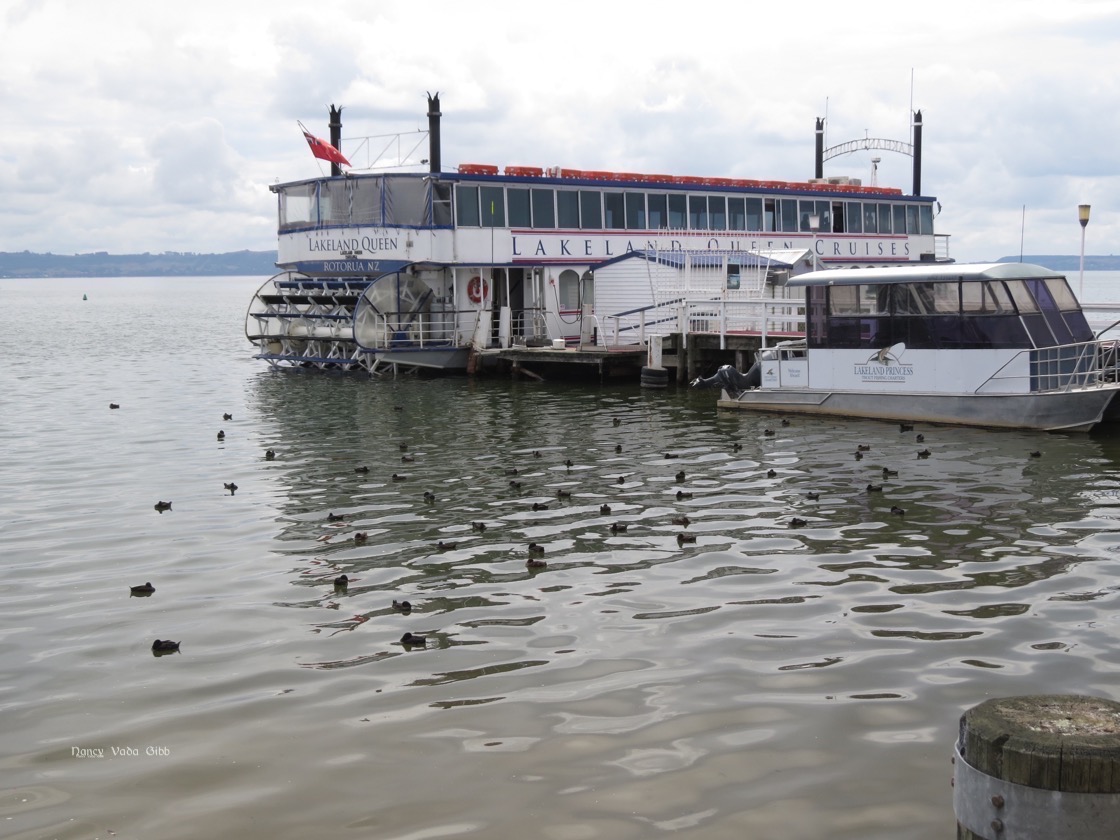
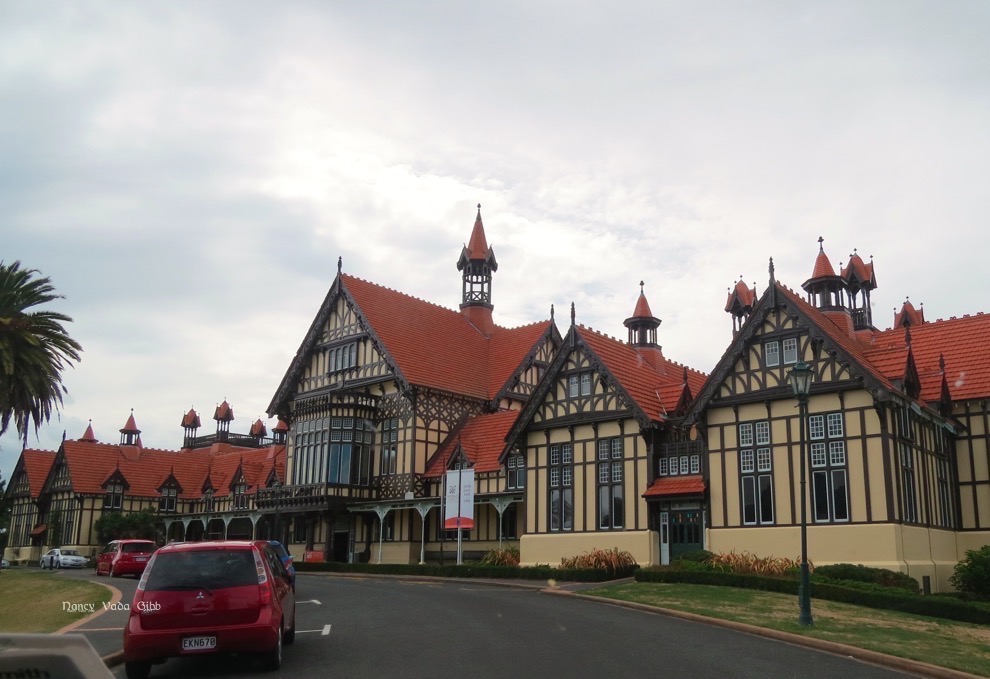
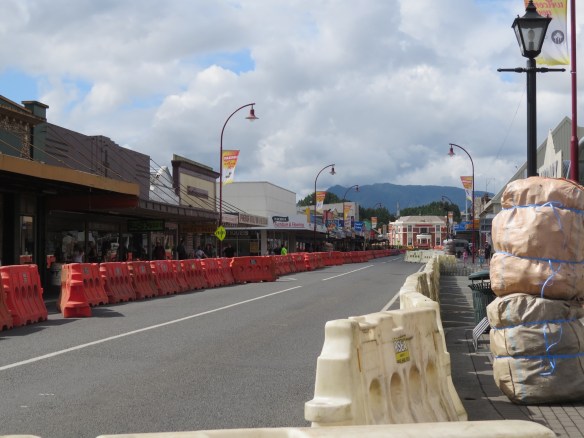
We also saw a part of Rotorua I did not see last time, with some interesting if rather tourist-trap old buildings and a very new one framed by a park entrance.


Back to Tauriko, a restful day, and finally contact with someone who had a large Clan Cochrane sign ready to deliver to us. At the Paeroa games we’d been approached by a past Tauranga Games committee member asking if we knew anyone who would want any of the old Clan signs. After contacting the NZ Clan Cochrane Commissioner I put in a claim for the Cochrane one. It is huge and needs some touching up but we are happy to transport it by degrees down to the Commissioner at Waikanae. When on the road it sits inside the caravan and is put outside at night – the Cochrane Cat?


Next day after a cuppa with Dave’s sister Bev and Bruce……

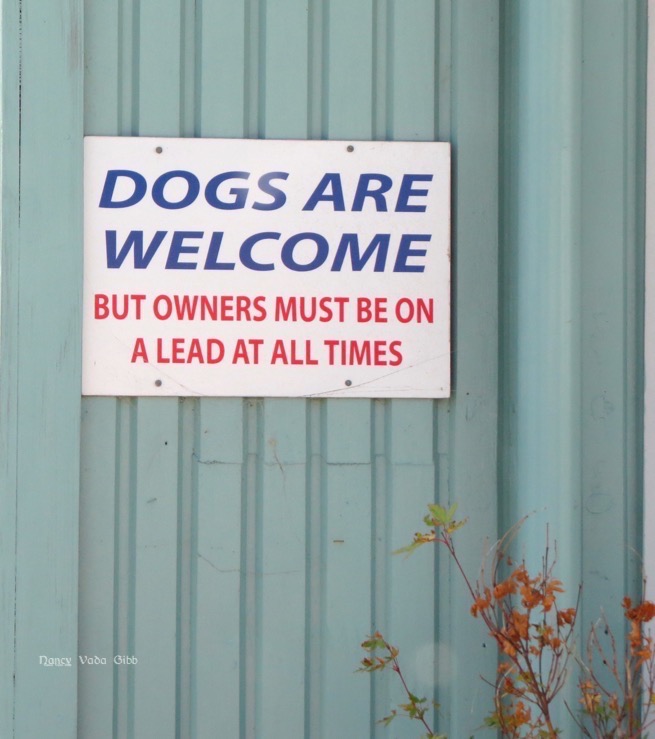
…… we headed back to Paeroa – again! – not a hardship though, I’m really getting to know the pretty Karangahake Gorge Road. One night at the RV park in Paeroa where dogs are welcome, a new cover for Dave’s seat (still under warranty and already been replaced once) and we set off about 3 pm for New Plymouth, arriving some 4 hrs later with a brief stop for the most awful carrot cake I’ve ever had at Te Kuiti (the coffee was OK though).
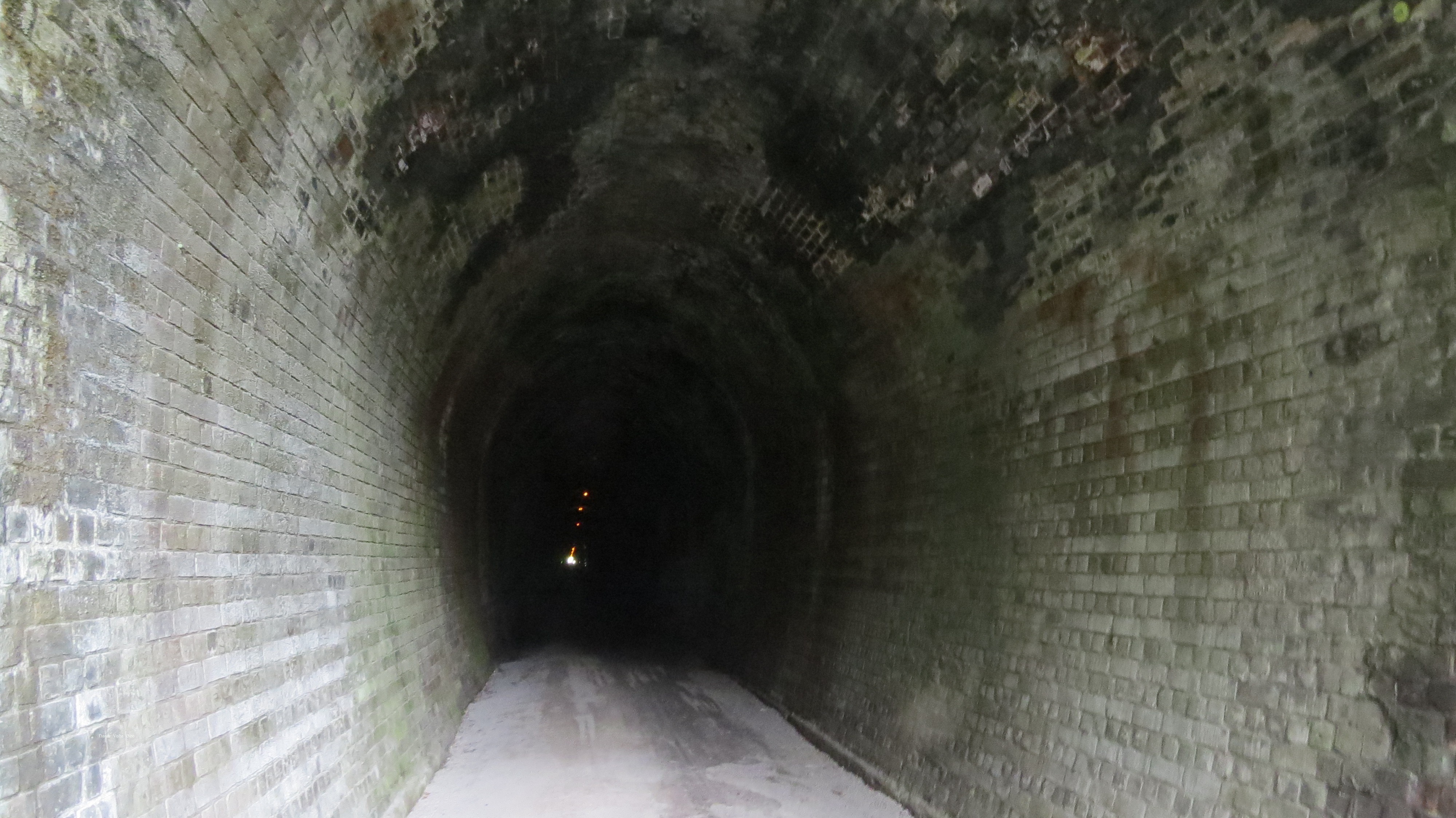
The highway from Te Kuiti to New Plymouth is exciting and exacting, not something you’d like to drive in heavy rain. Two tunnels are involved and as usual I did not have my camera ready for the first one and we could not stop … another wonderful photo that will remain in my mind’s eye.


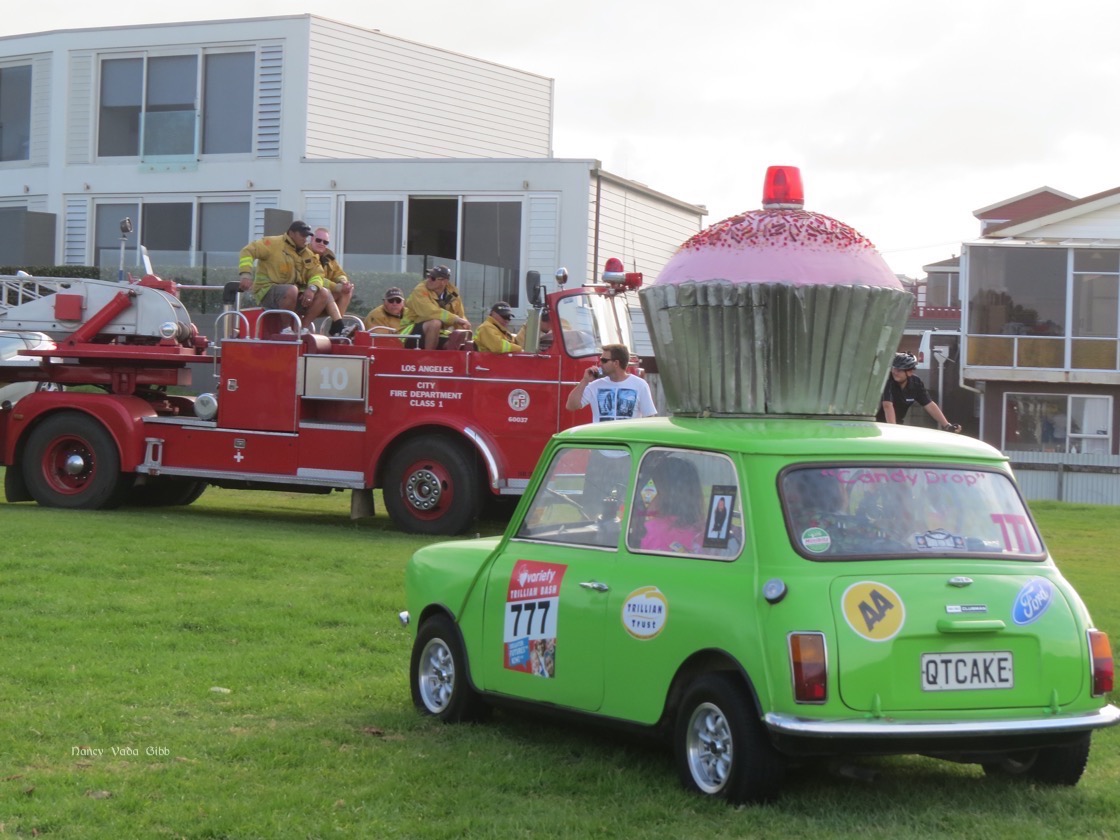
We wanted to catch the start of the Variety Club’s annual Bash (see <bashnz.co.nz> and Facebook page ‘Variety Bash’) in New Plymouth. Dave’s nephew Budgie was in it for the 20th year and up to his usual foamy fire-hose tricks…….
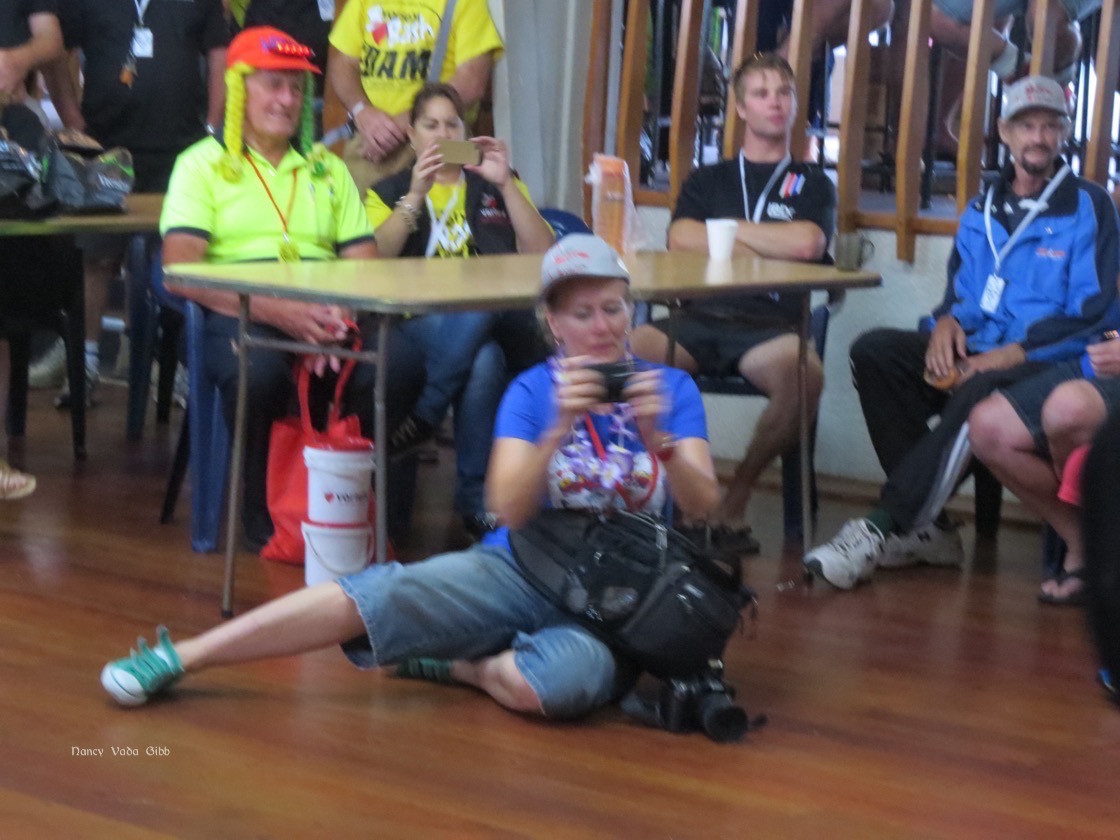

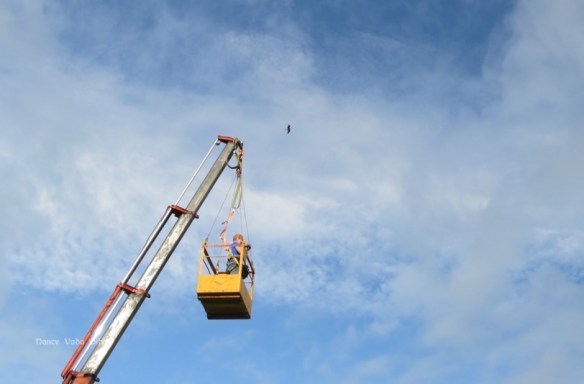
……. and Jacqui was the official photographer – which meant she had the privilege of being hoisted high above the assembled crowd at the official starting venue at the New Plymouth Surf Club.The hoist operator turned out to be an old acquaintance of hers (of course) … NZ being relatively small and RELATIVELY unpopulated I’m now used to Dave or others discovering old acquaintances or at least people who knew them, seemingly every couple of days.




We now have a week to wait until WOMAD, for which we are getting official press passes. I’ve been asked to write a story for the RV Travel magazine. Incidentally my little piece about the Vans & Vines at Martinborough has been published, with photos of Dave and Penny.





 Karekare is a beach just south of the famous Piha. The usual soft black sand, rolling surf and tide rips all guarded by a rock fortress called the Watchman (Kaka Pa) and just out at sea Paratohi Island around which a swimming race is held each year. Every year now for 20 years there has been a Beach Race day to benefit the tiny Lone Kauri School and the Karekare Surf Life Saving Club. It is a brilliant community effort which attracts large crowds.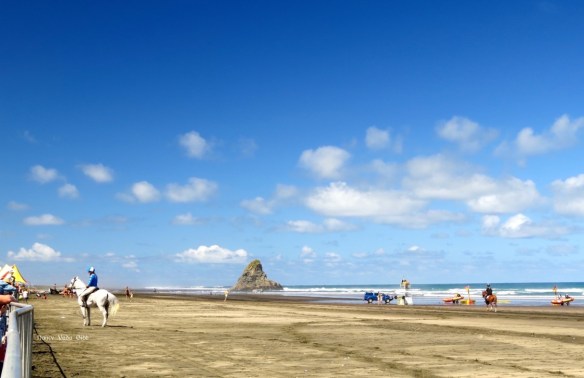


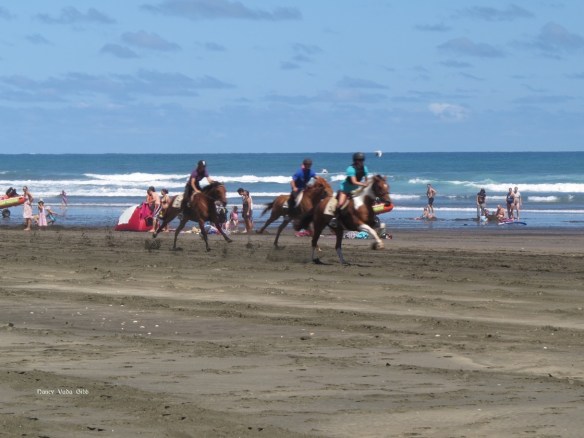


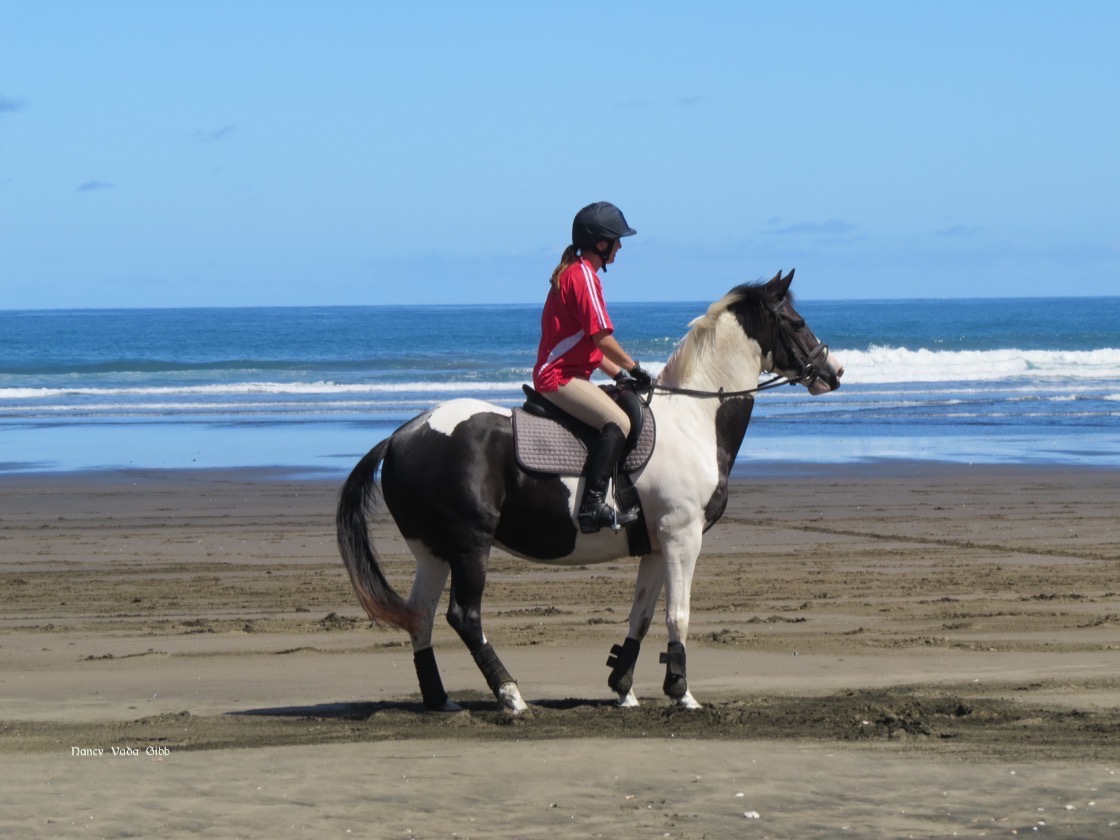
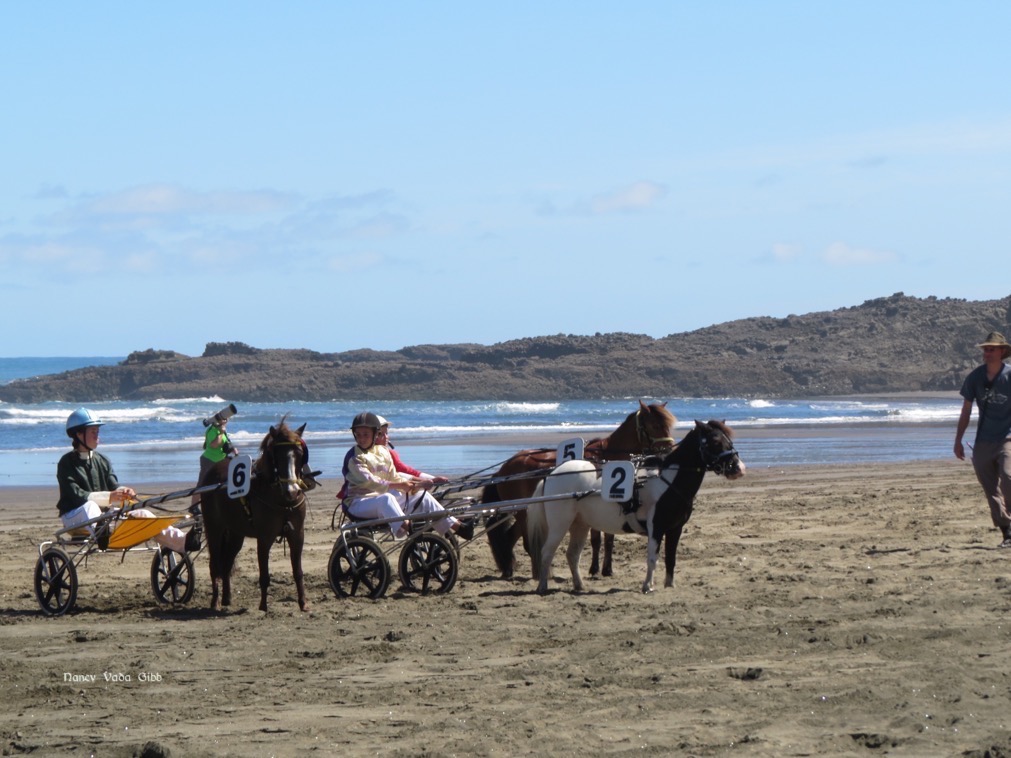


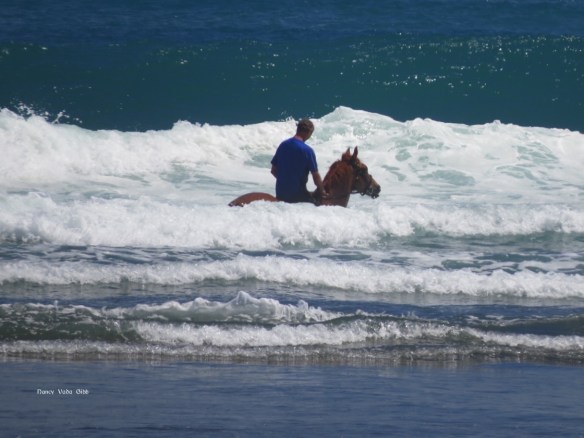


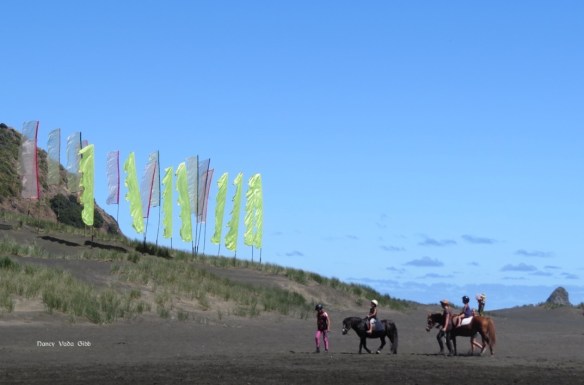
 It was perfect weather for all but dogs and bare feet. The black sand was hot hot hot. Like others we had to carry Penny over seeming kilometres, especially when she wanted to spend a penny but insisted it be over a bit of grass. At the end of the day Dave bravely walked all the way back up the hill while Jacqui, Penny and I rested our feet in the carpark.
 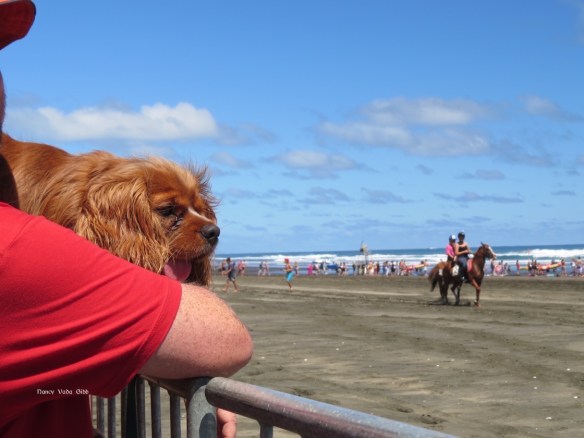 Next time I will wear more covered footwear and also take a small chair!











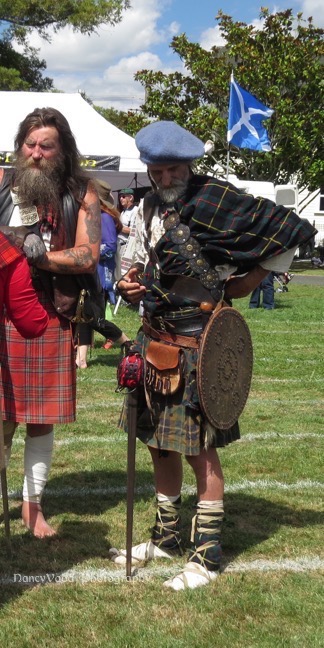


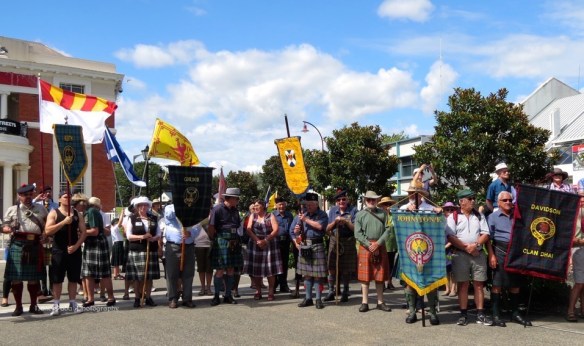
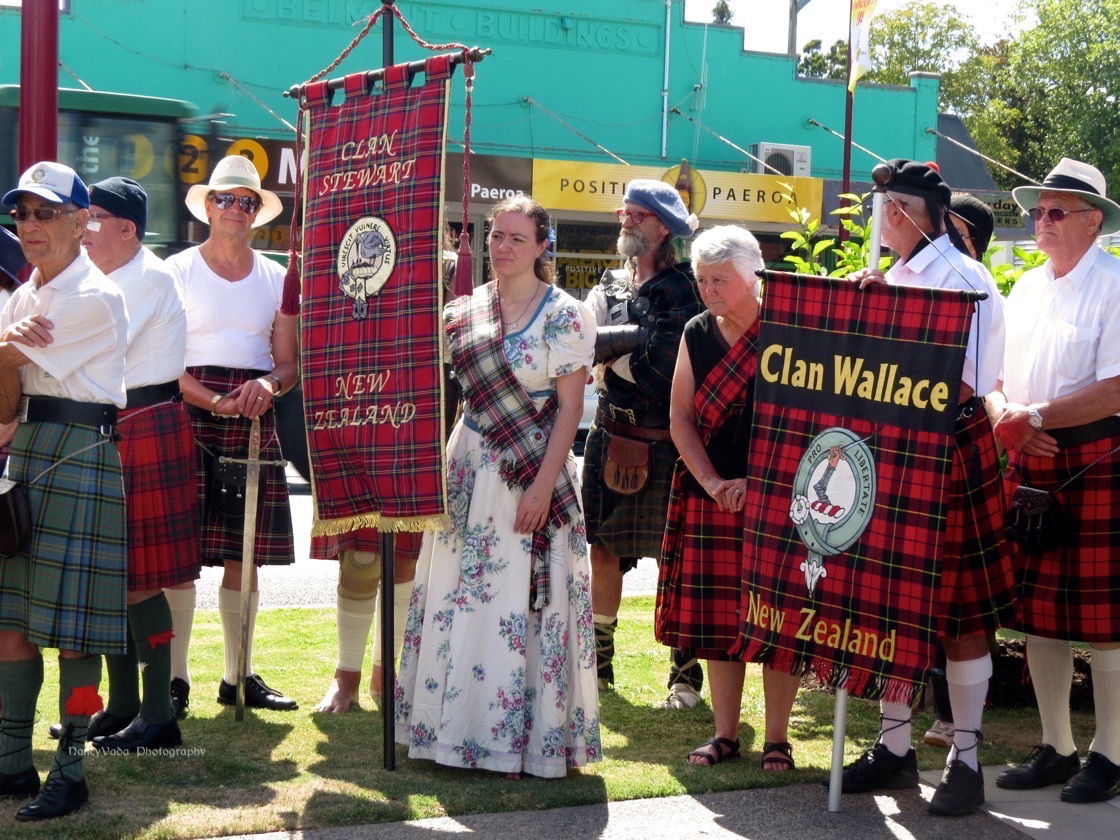

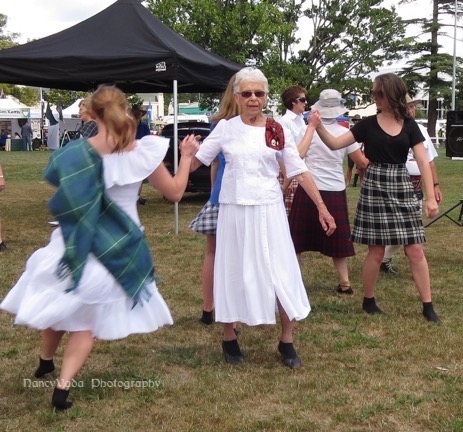
 Clan Johnston only had a few representatives, as did most of the 14 other Clans present. As we have now ‘done’ several Highland Games over the past 15 months we now know this to be the norm, much seems to depend on where the main Clan officials are located. Our other Clans – Cochrane and Lamont for me, Menzies and Buchanan for Dave – were not there alas, although I did take a Cochrane sash just in case. Later we discovered that the Committee President was a Buchanan. Dave wore his Bruce tartan kilt, it’s not one of his clans but some years ago he was offered an excellent deal for a full outfit right down to formal jacket, shoe buckles, silver coat buttons and lace sleeve insets, so didn’t hesitate.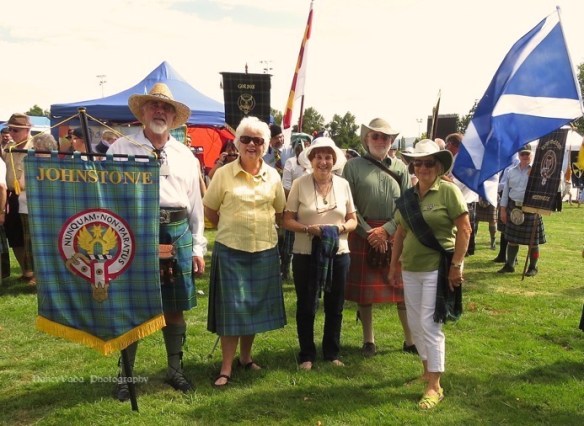


 Clan Johnston gained four new members that day. I spent part of the time sitting at the back of the tent with Penny as it was so hot, and every few minutes a new person would wander by and start asking questions and examining all the books and other things on display. Dave had a wonderful conversation with a man who in days gone by would have been a bitter enemy – a Maxwell! (He disappeared just before I took this photo).
 Neither of us were feeling 100%, while I think our natural immunity has been boosted by all the travelling and people we have met, our French friends passed on an Aussie cold which must have been a new variation! So I gave many of the traditional Scottish events a miss, and also the Tattoo that night although Dave did go for a time.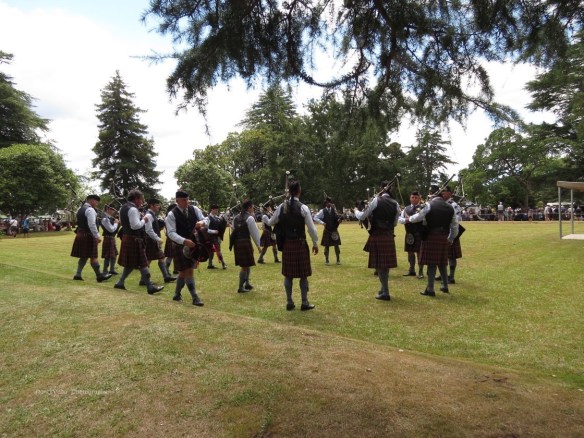

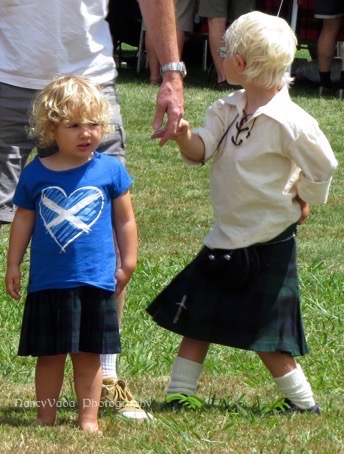
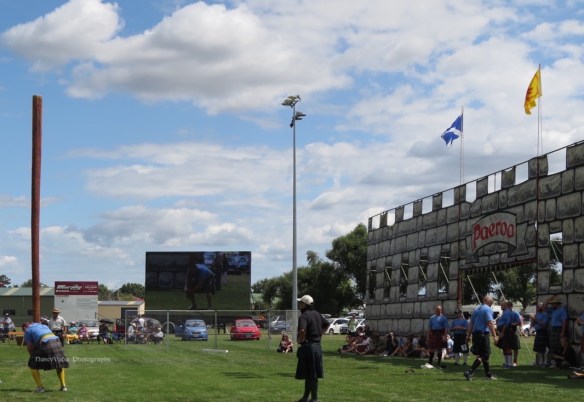 Apart from all the traditional Highland Games events such as tossing the caber, hammer and wheat sheaf, piping contests, axemen, Highland Dancing etc there were several innovative events. A Junior Highland Games was held for the third time, also a fashion show “Tartan in the Park”, the latter judged by local resident and Silver Fern Maria Tutaia. There were Highland cattle, a Highland Bar which served the Paeroa Fling (Drambuie over ice, a dash of lemon and L&P!) and various Scottish shops.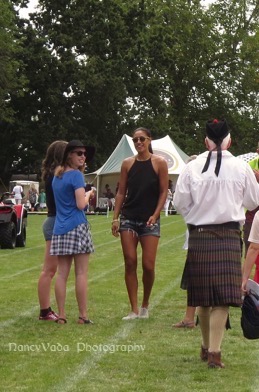

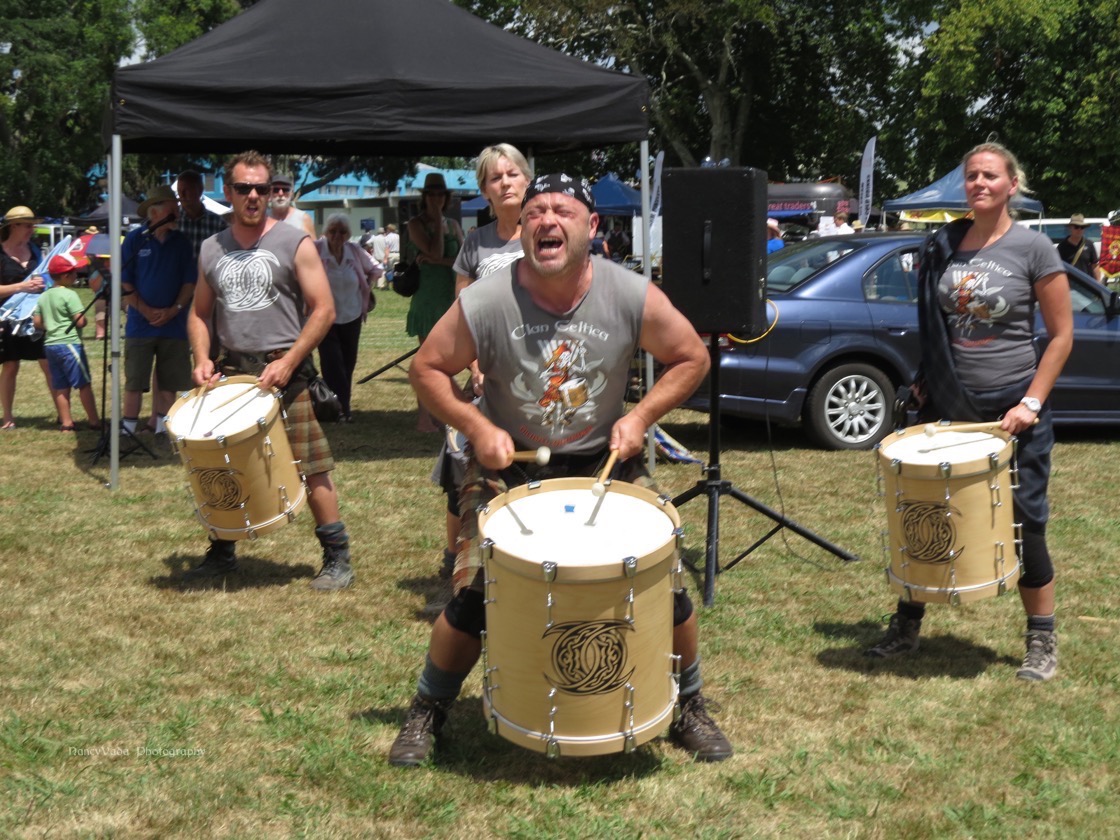

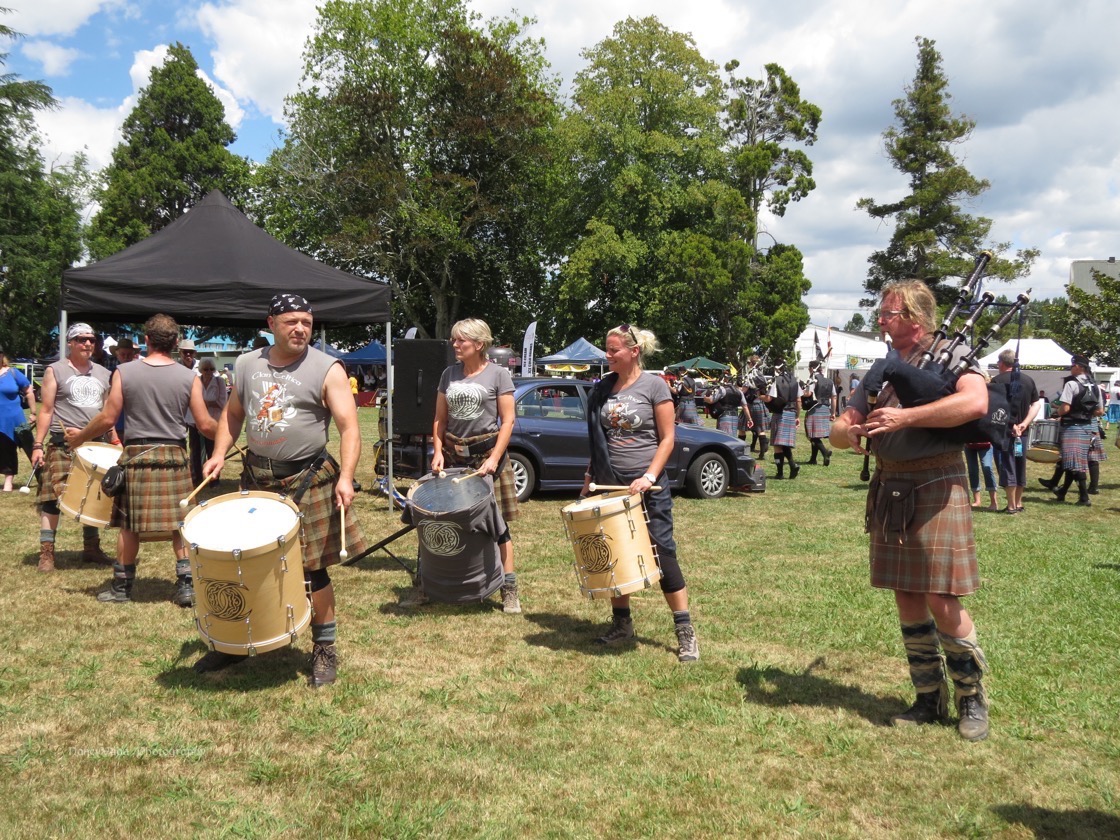












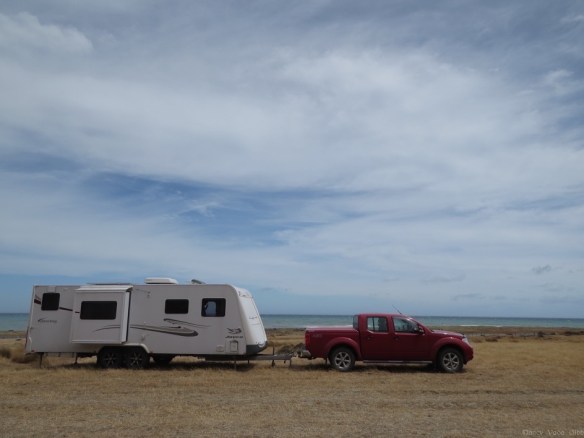
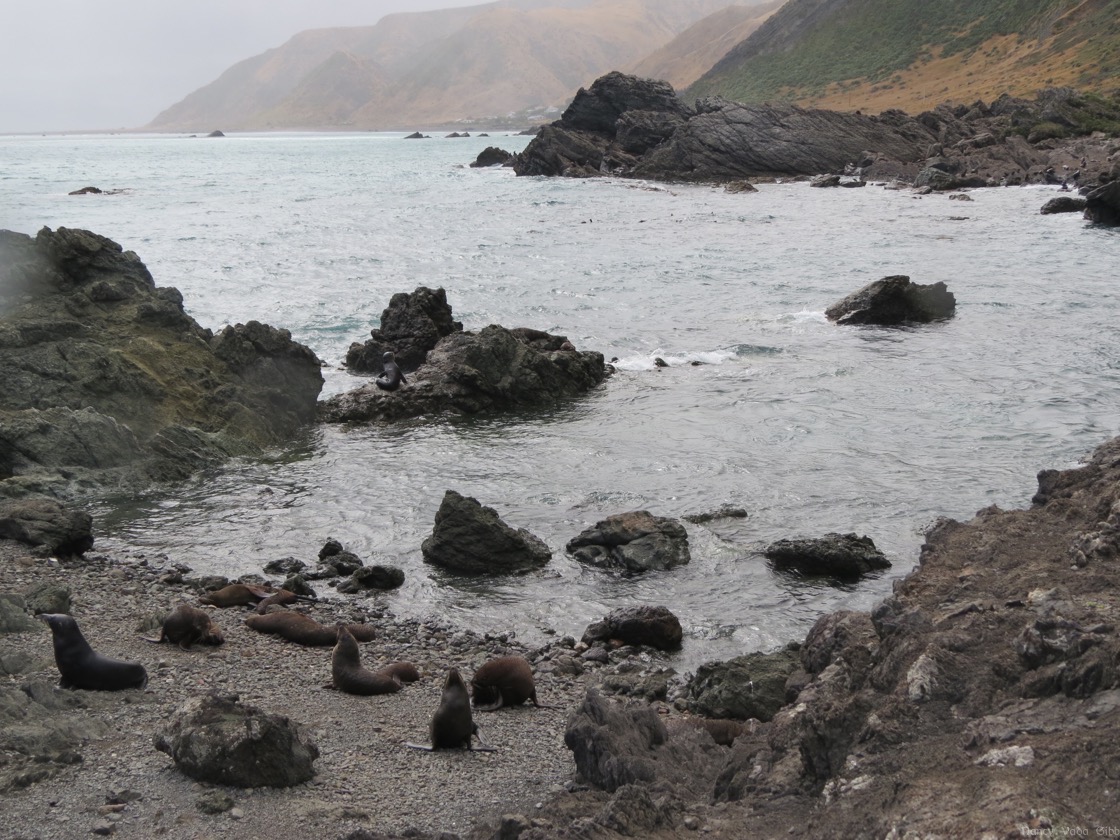
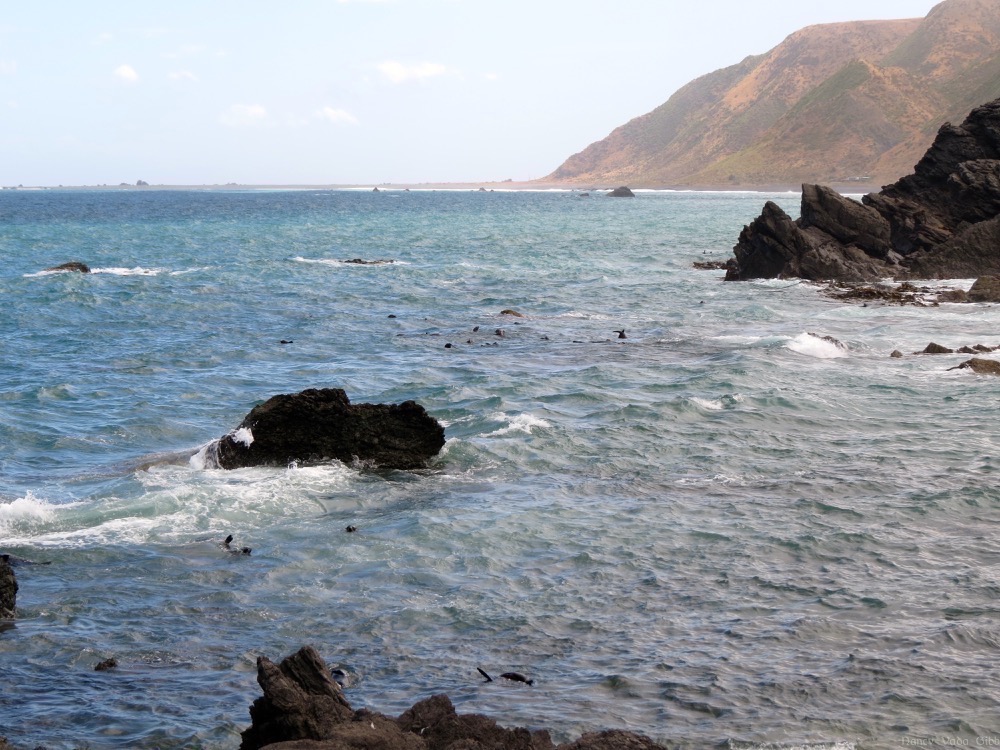
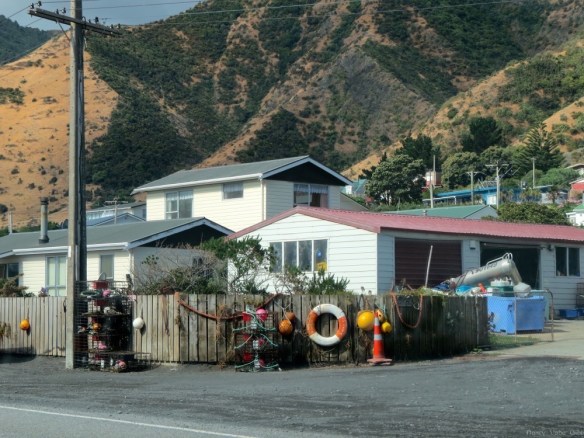
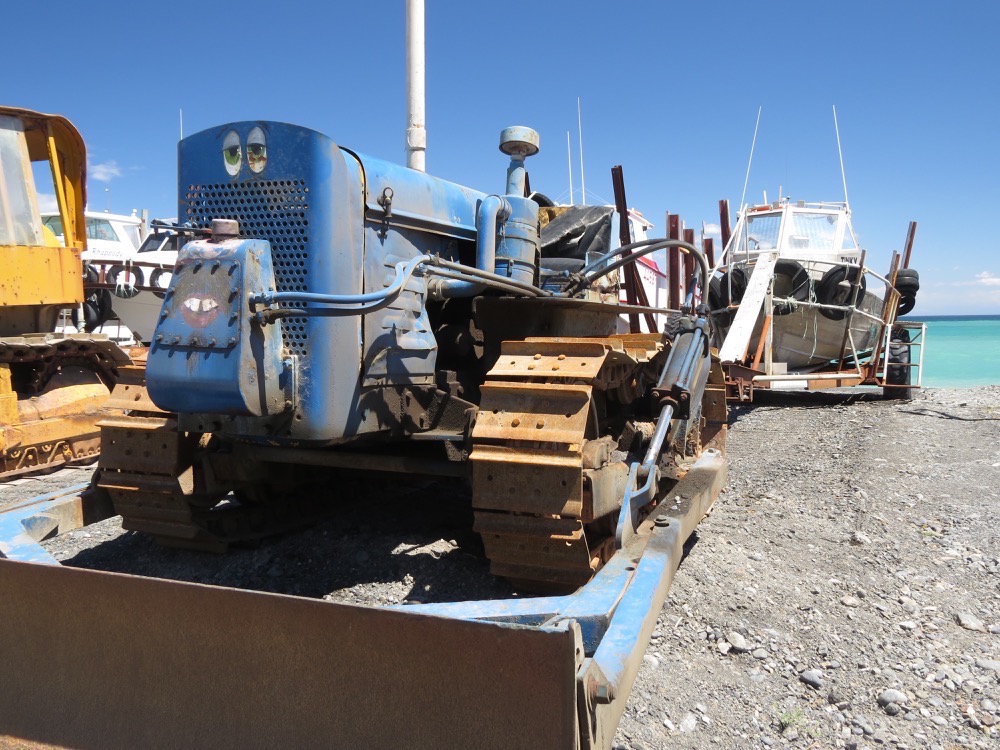
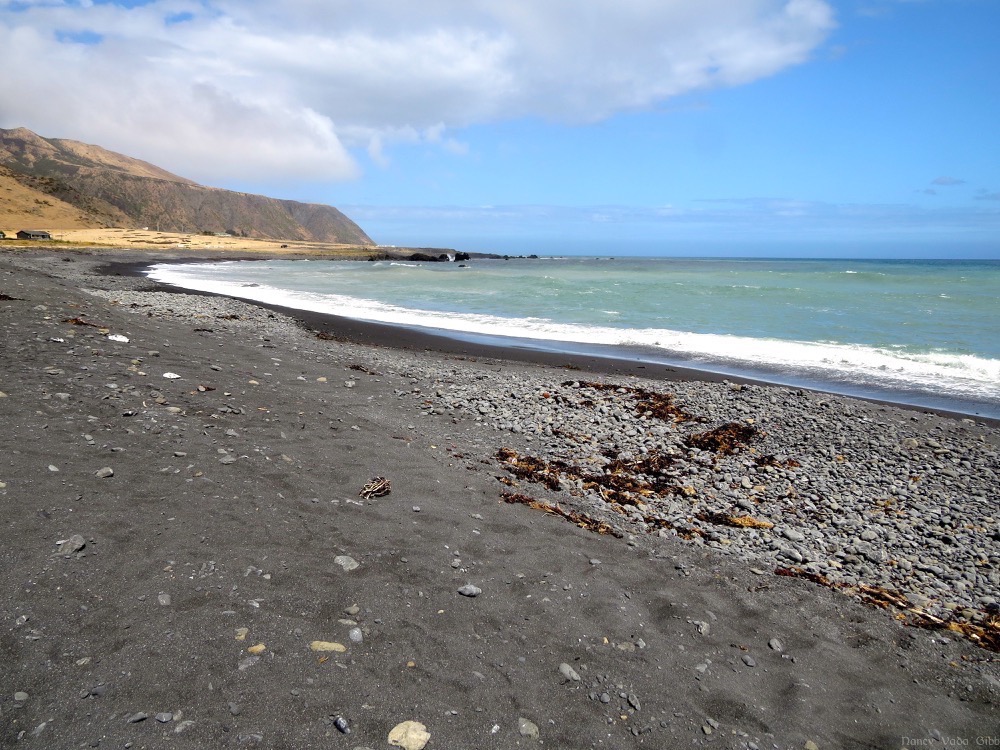
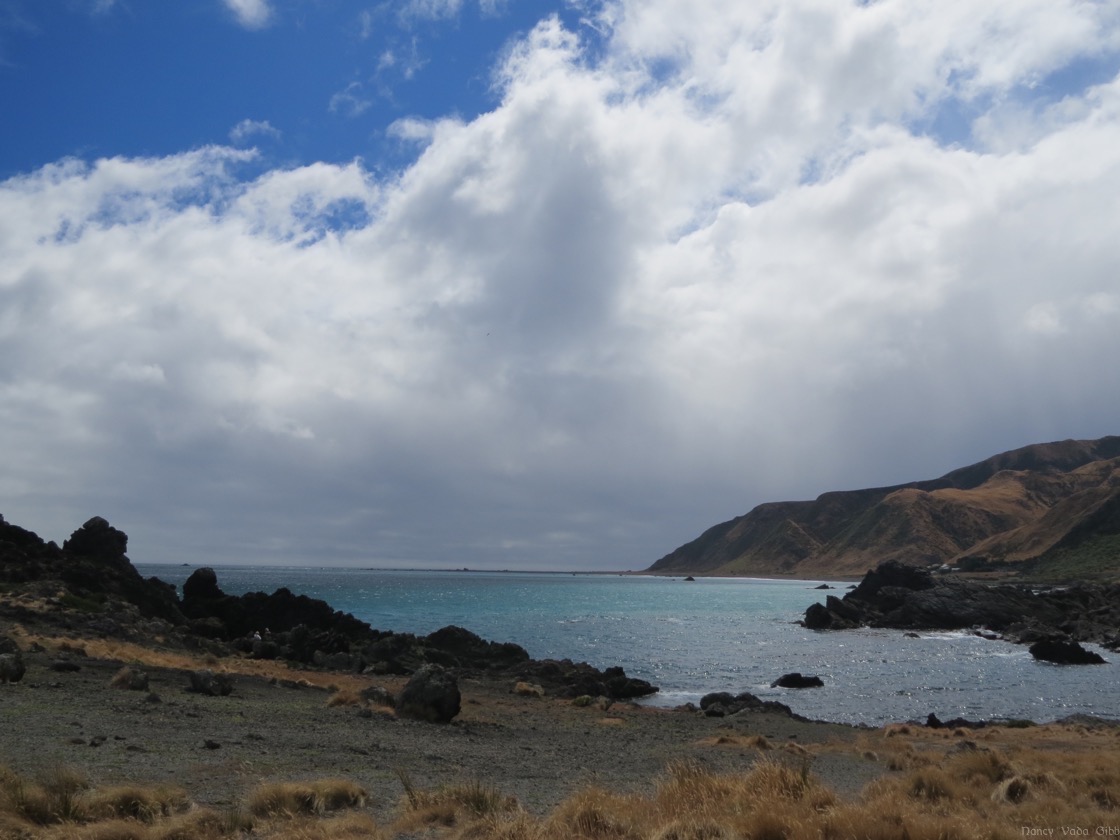
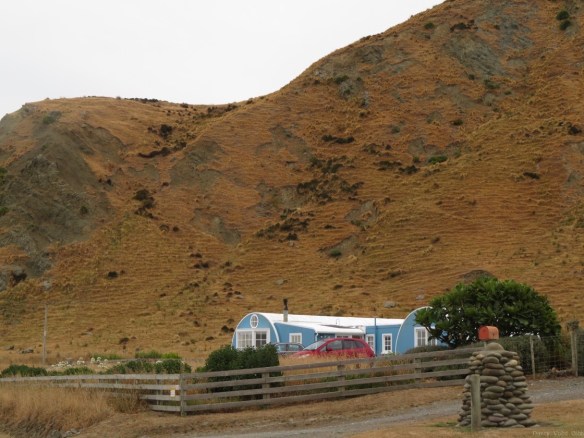
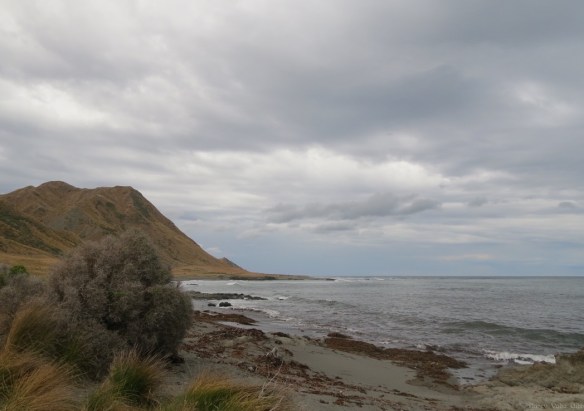
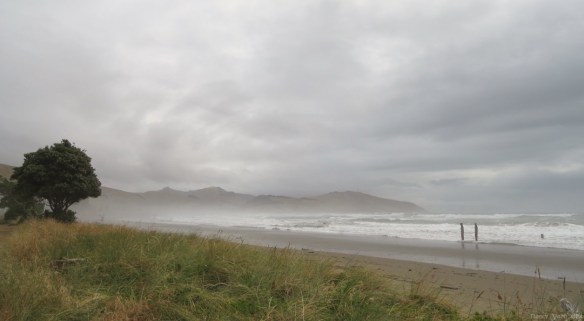
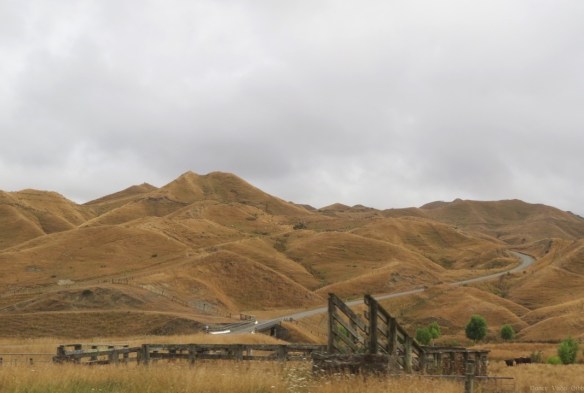
 We too left Ngawi a day early and drove along the shore of wind-whipped Palliser Bay, past eroding cliffs where signs warned us not to stop, then up through the mountains, past the wind farm, and on to the gentler Wairarapa plains.








































 Wisely perhaps we did not revist Carterton’s Schoc chocolate shop (“85 flavours, from classic strawberry and caramel to lime/chilli or smoked tea!”. The heady aroma would have been enough to make us buy and buy …..




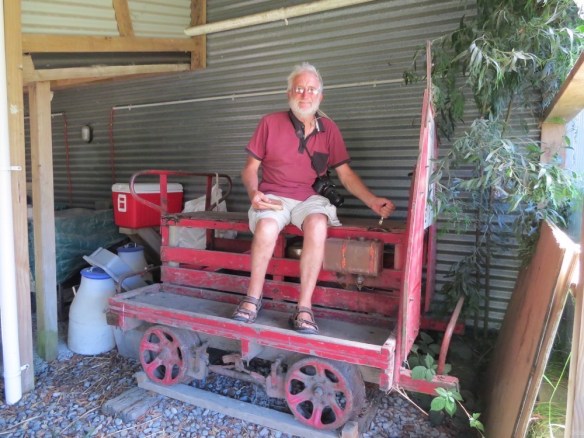
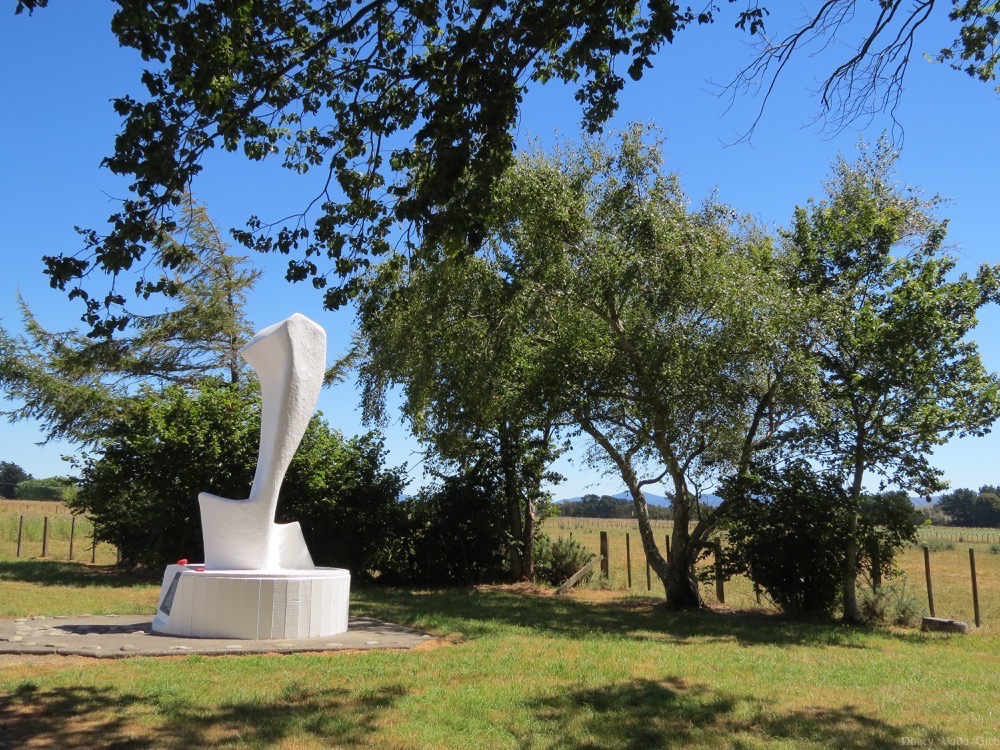
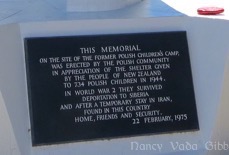
 733 children and an unknown number of displaced persons who had become stateless as a result of boundary changes in Europe after WW2. I wonder how many of them now look back on this place with fond memories. [Dave: Quite a lot because they built the statuary as a reminder of their time at the camp].