Another Blenheim event we attended was a Dog’s Day Out organised by one of the local Vet practices. At least 40 dogs of all shapes, sizes and breeds gathered in a huge dog park which has a river flowing through it, surely the major attraction for at least half the dogs once they had finished their particular type of doggy meet and greet! 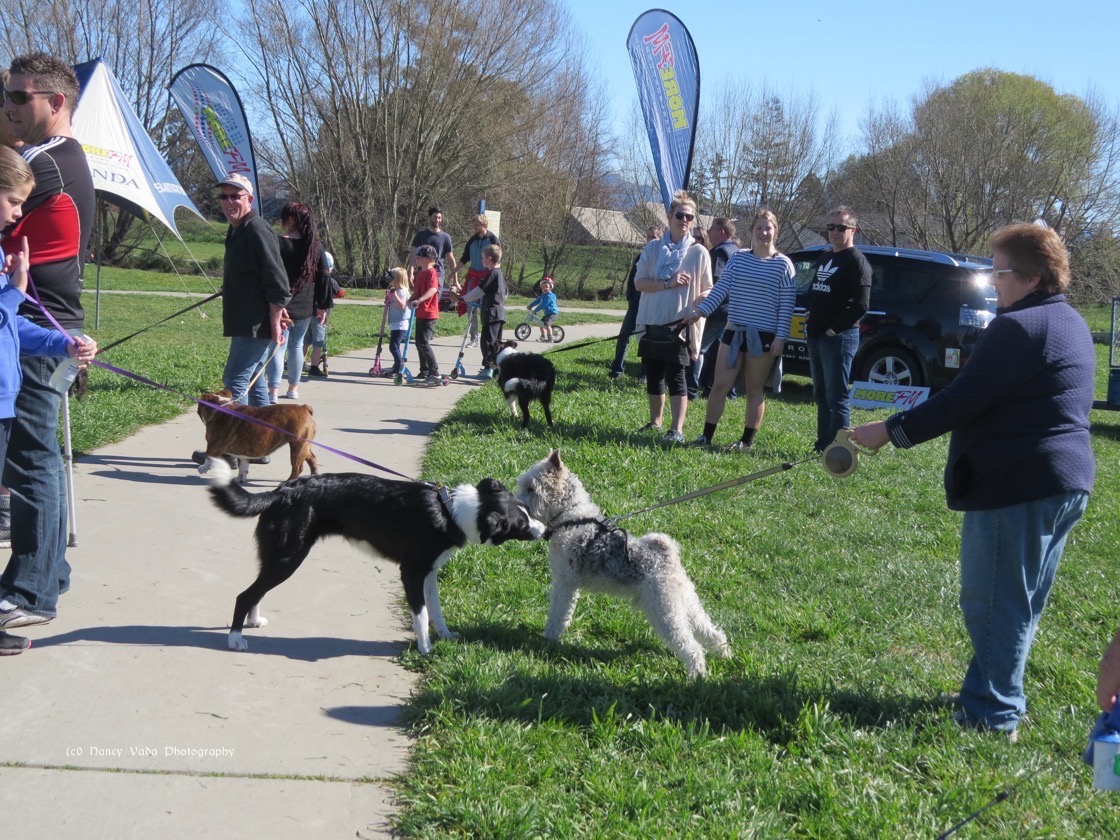

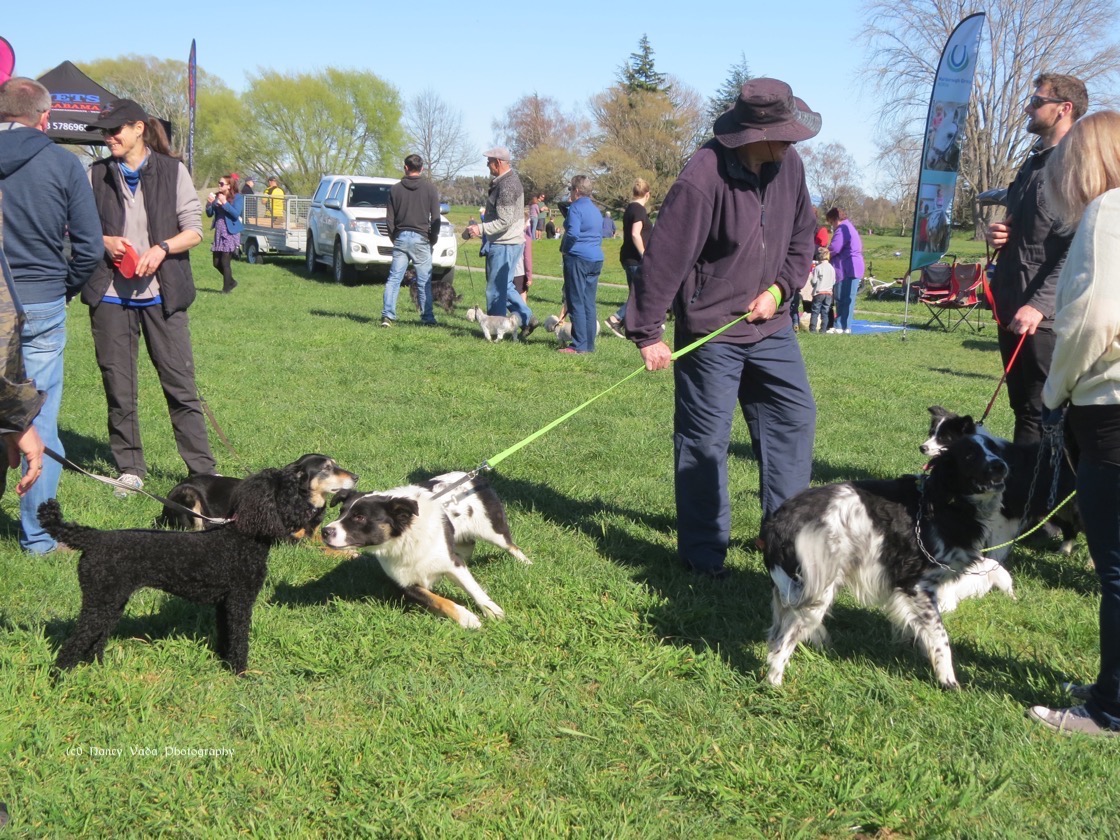

The water may have been cold but when did that ever deter a determined dog?
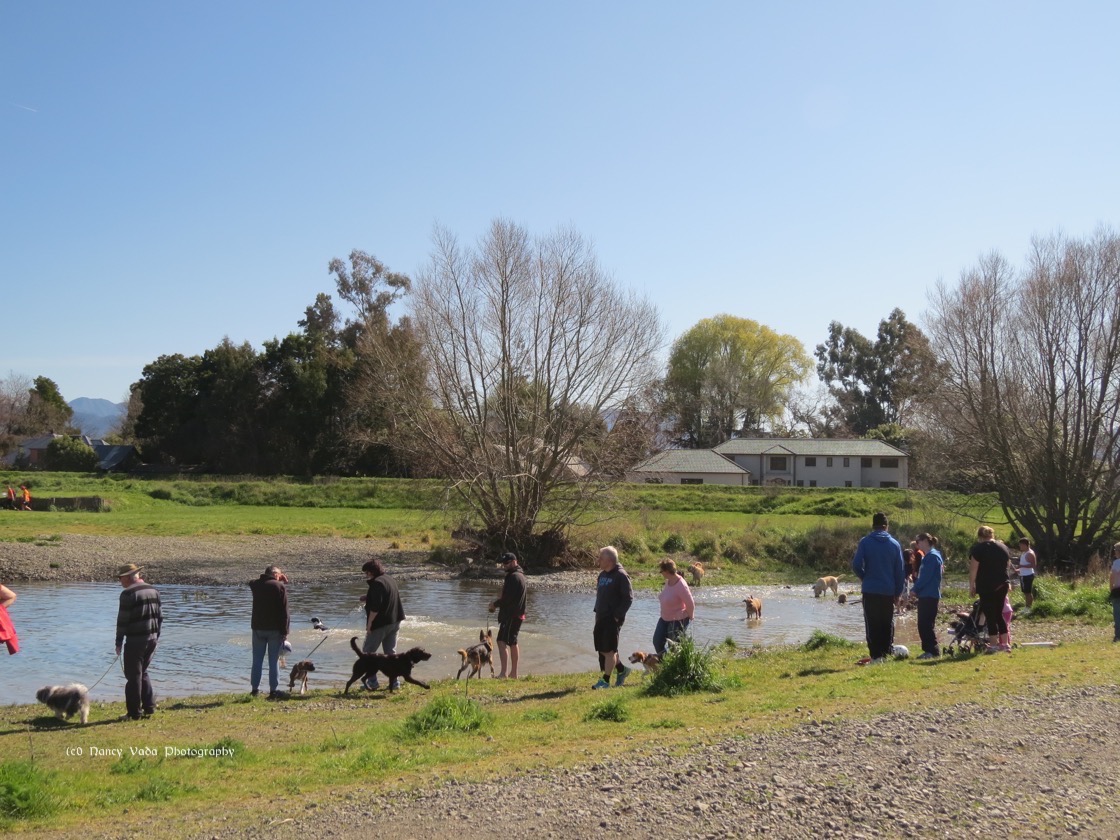
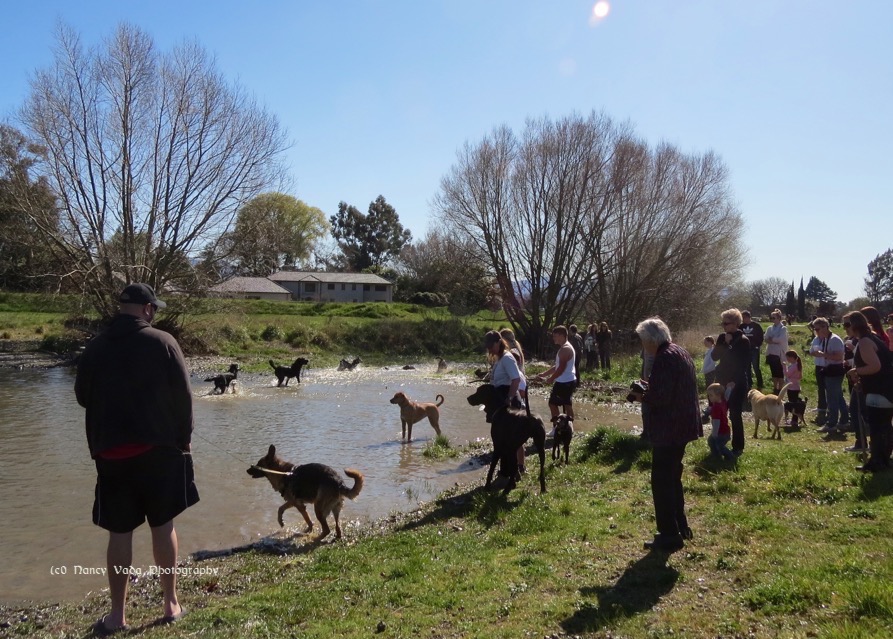


I was struck by the number of small fluffy white dogs and medium sized boxer dogs (plus a few larger ones) but there were also 2 Great Danes, a German Pointer, a Boston Terrier, two elegant Italian Greyhounds, a number of Alsatians (one with the most beguiling blue eyes) and of course any number of Bitzers.


It was a lovely day for both the dogs and their humans, and especially good to see so many joyous dogs off lead and really enjoying themselves.
A third local event was a small Vintage Air show at the Omaka (Blenheim) airport. It was on a sunny but bitterly cold and windy day so of course many of the aircraft could not be flown or even brought out from their hangars. When we arrived the parking lot attendant seemed to be waving us straight into the hold of a huge Bristol Freighter – huge indeed at just over 68 ft long with wing span 108 ft. A sign showed that it had spent some 27,700 hours in the air and made over 33,330 landings.

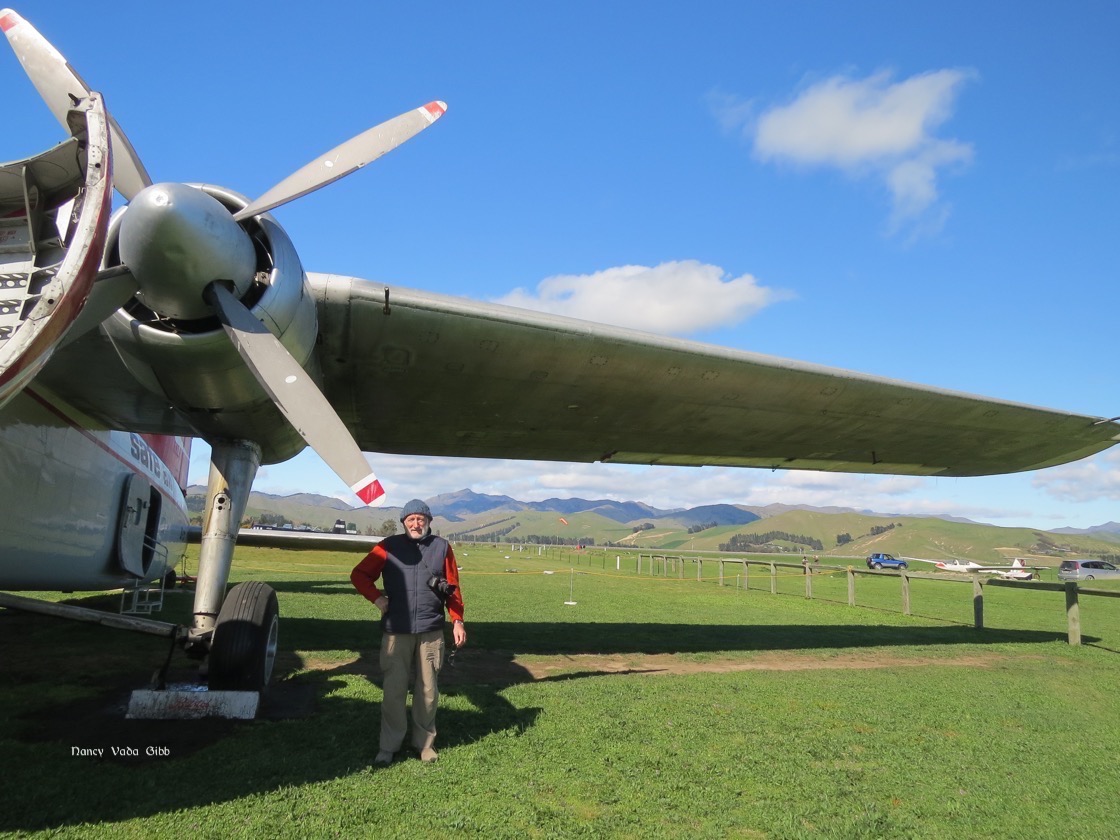
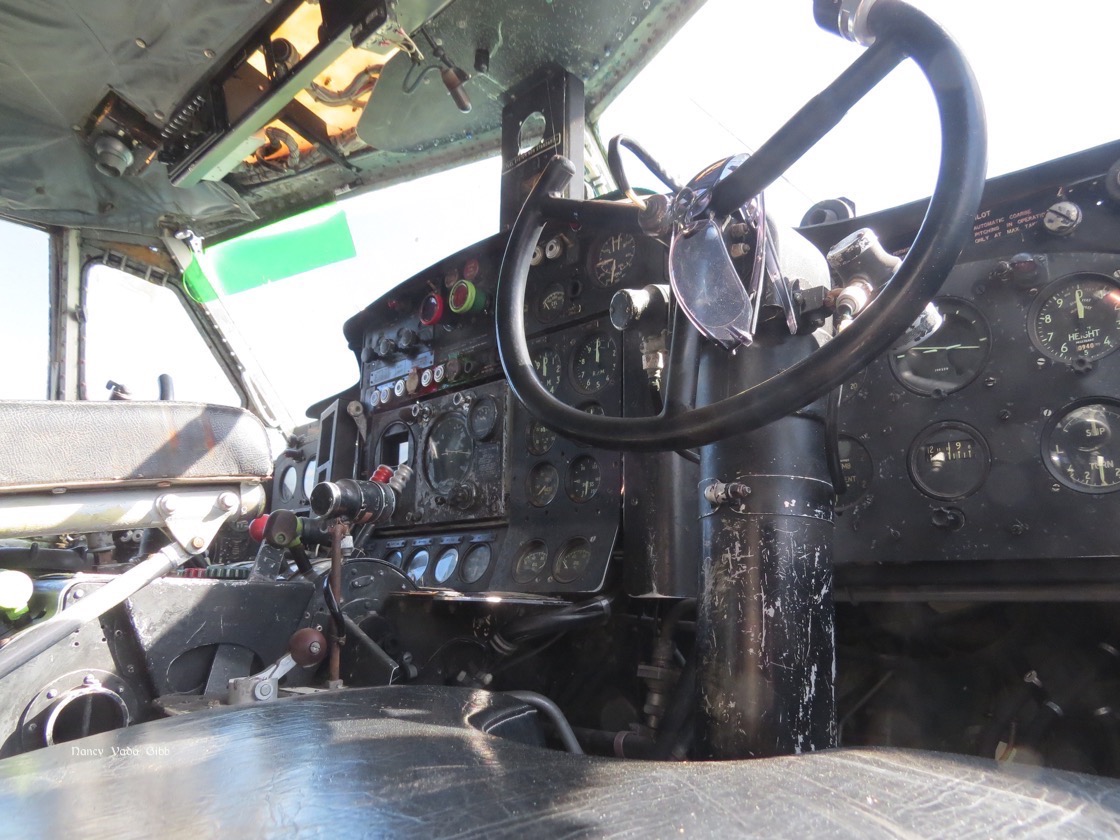


Omaka Aero Club was a training ground for WW2 pilots, and was taken over by the NZ Air Force in 1939. Training was mainly in the Avro Anson Mark 1 maritime patrol and reconnaissance bomber. This plane is now very rare and only is one still flying anywhere in the world – right there at Omaka.

Restoration of other vintage planes is in progress ….. this one has a way to go.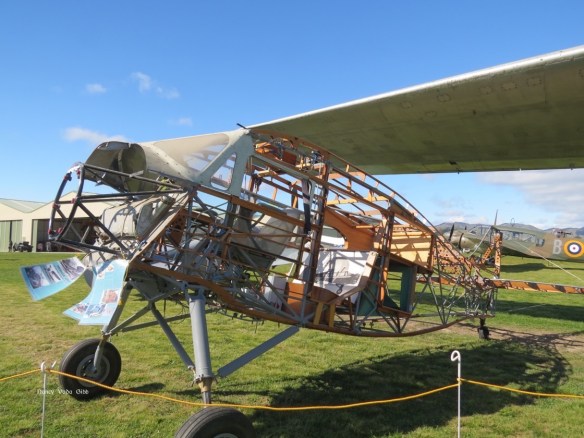
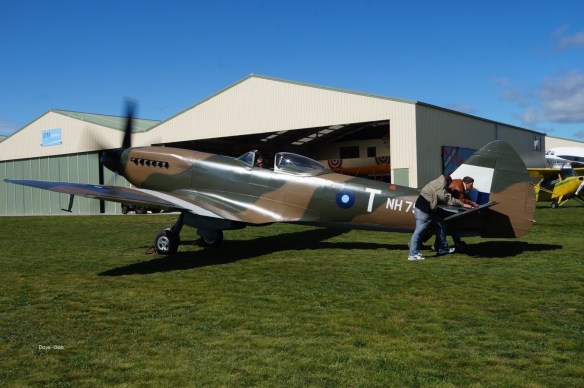
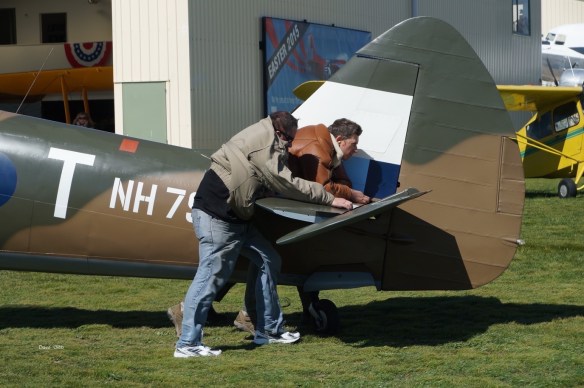
Dave watched while the ground crew did an engine warmup of the Griffon engine in the Mk X!V Spitfire – 3 people were needed to hold down the tail in the strong wind.

Seeking coffee and a bit of warmth we went into the Museum foyer (we have been to the Museum before, definitely worth a prolonged visit) and this time I took photos of an intriguing display, a Russian WW1 plane with a grappling hook (!) The Museum describes it as “one of the most outrageous aerial combat experiments undertaken during the war” by Colonel Aleksandr Kozakov. At that time few aircraft carried any armament. Although the grappling hook method didn’t work, Kozakov did down a German aircraft when his anchor got caught in a German plane’s undercarriage and he decided to strike the upper surface of the enemy plane with his undercarriage, which folded up …. the German plane lost control and fell to earth like a sack but Kozakov’s plane miraculously disentangled and landed safely. 
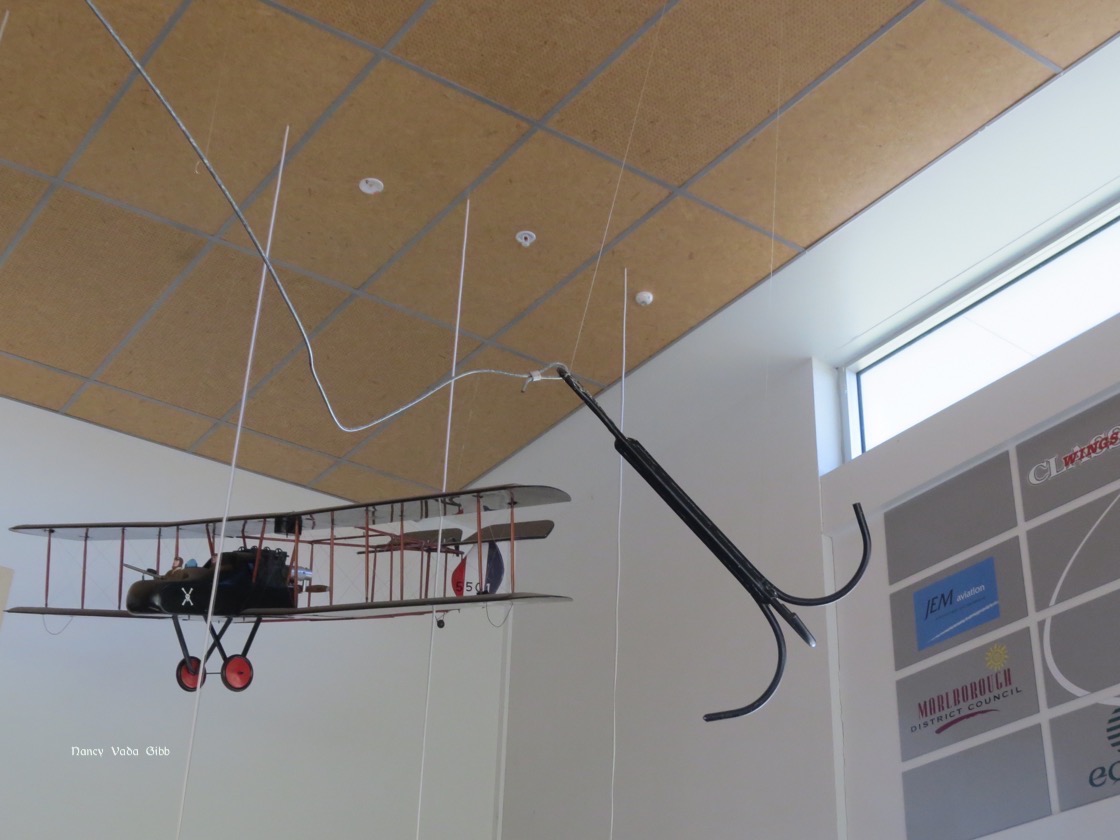
Another foyer sign told of an Imperial Russian Air Force pilot named Vladimir Laskin, who “… flew many different aircraft types including one in which he was required to remove the carburettor in flight, clear the obstruction and then refit it!”. What fun. The phrase “Those intrepid men in their flying machines” took on a new meaning.
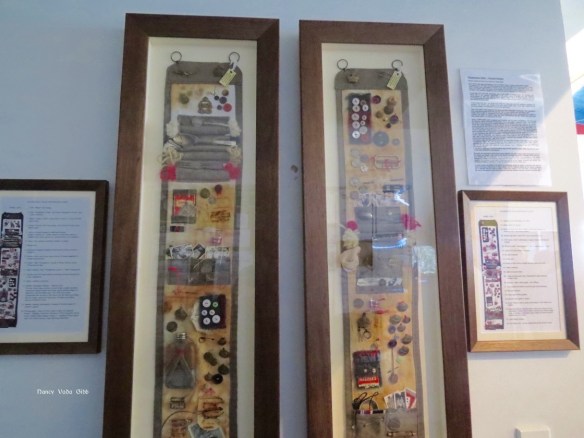
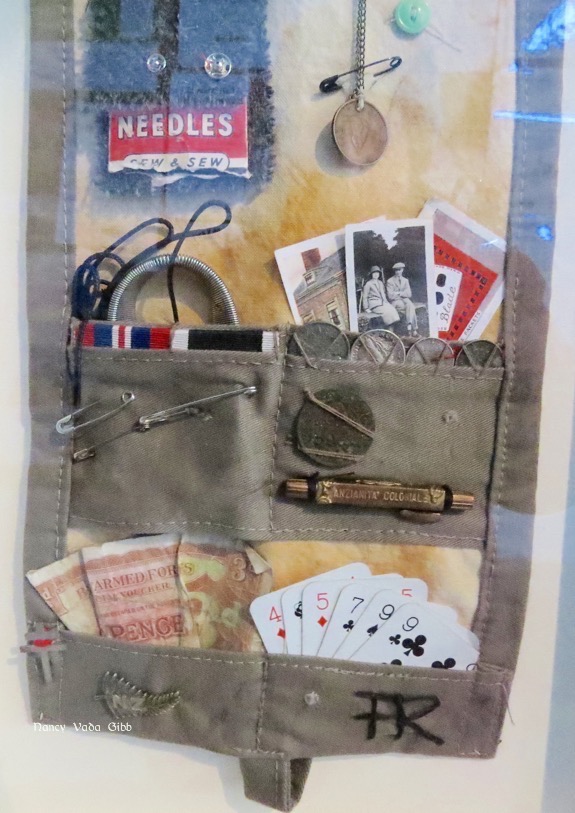
The crafter in me was also attracted by another display, two shadow boxes full of mementoes carefully displayed in little pockets … the photos tell more than I can (unfortunately reflections in the glass made good photos difficult). I have a number of such mementoes belonging to my late father in law Squadron Leader Bill Hoffmann; now at last I have an idea as to what to do with them. But it will have to wait till our caravanning days are if not over at least not continuous and I can access my stored boxes of family history in Christchurch.


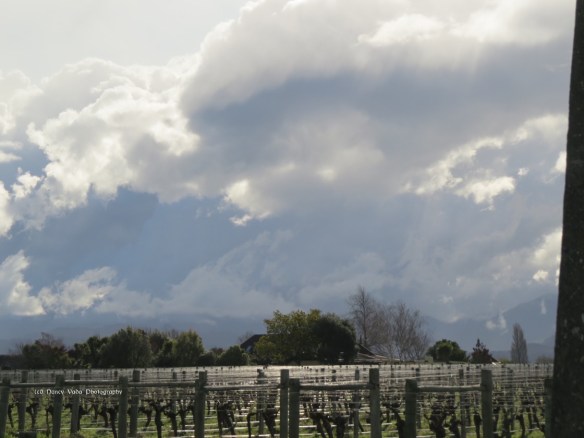
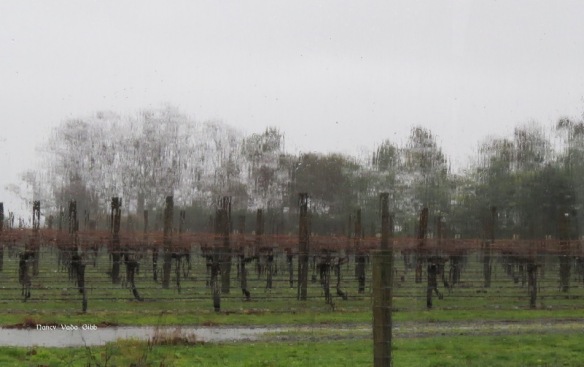
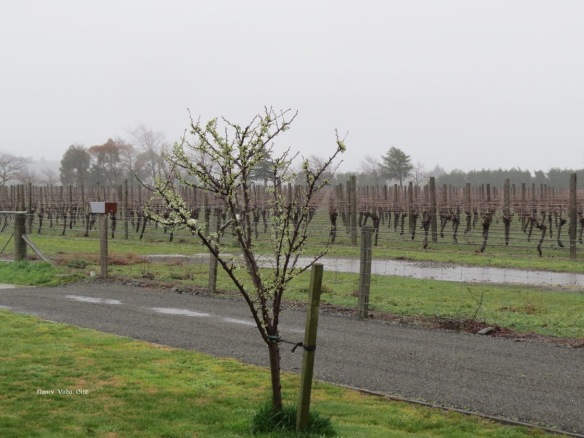
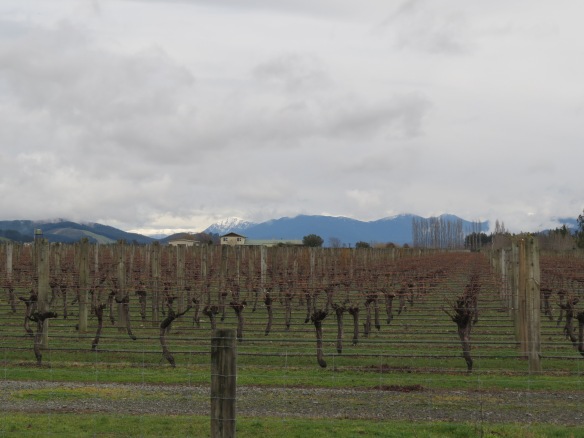
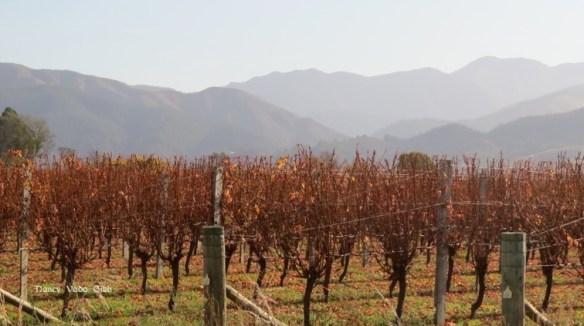
The first buds are finally appearing on the vines.It has been a rather cold Spring so far. This was taken beside the St. Clair restaurant where we had a farewell lunch with Robyn and her friend.

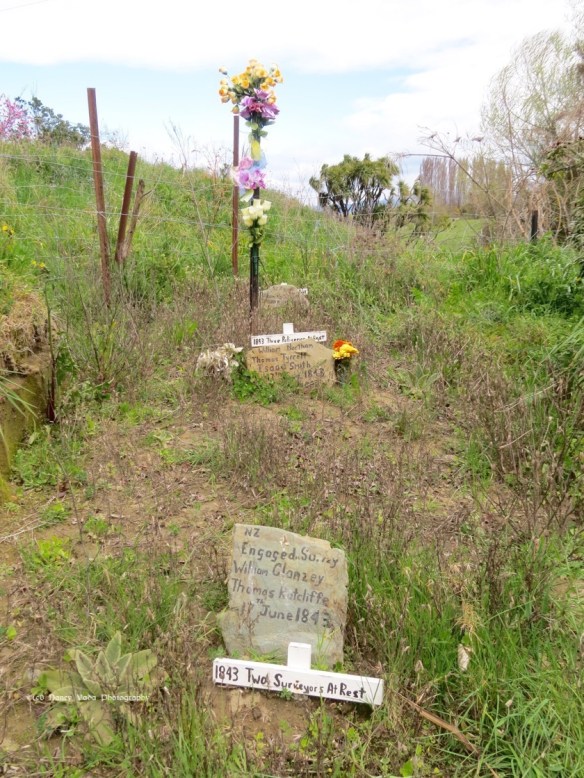
On one last drive before leaving Blenheim we visited the site of the Wairau Affray, just out of Blenheim on the way to Picton. Most people probably miss it. In 1843 there was a confrontation between early settlers and local maori, who objected to their land being surveyed without their permission. According to an official sign, 22 “Nelson men” were buried in a mass grave on the other side of the stream. Intriguingly there is also a small set of graves near the site of the confrontation, obviously tended by local people.



















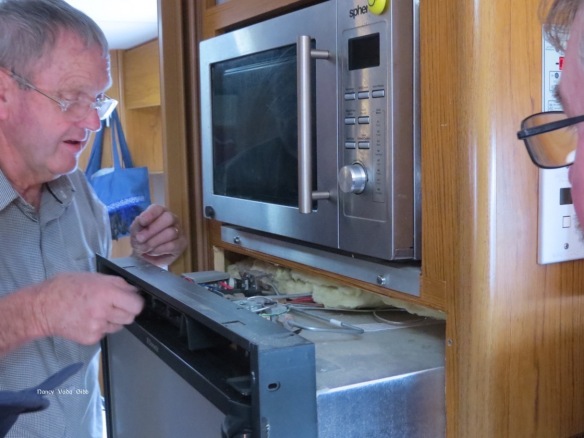

































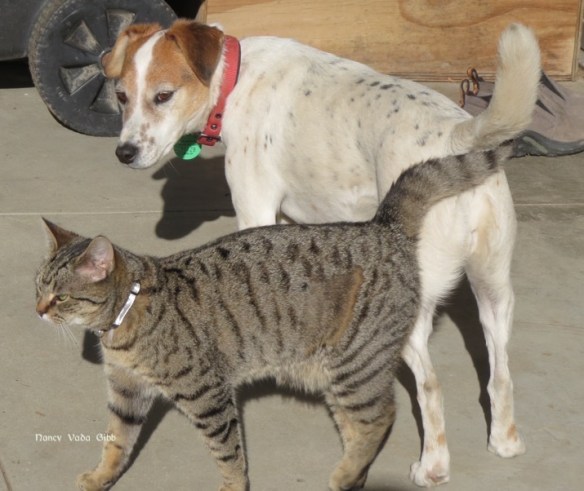


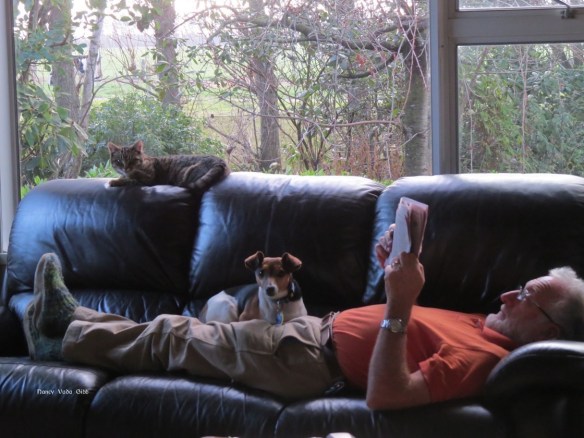


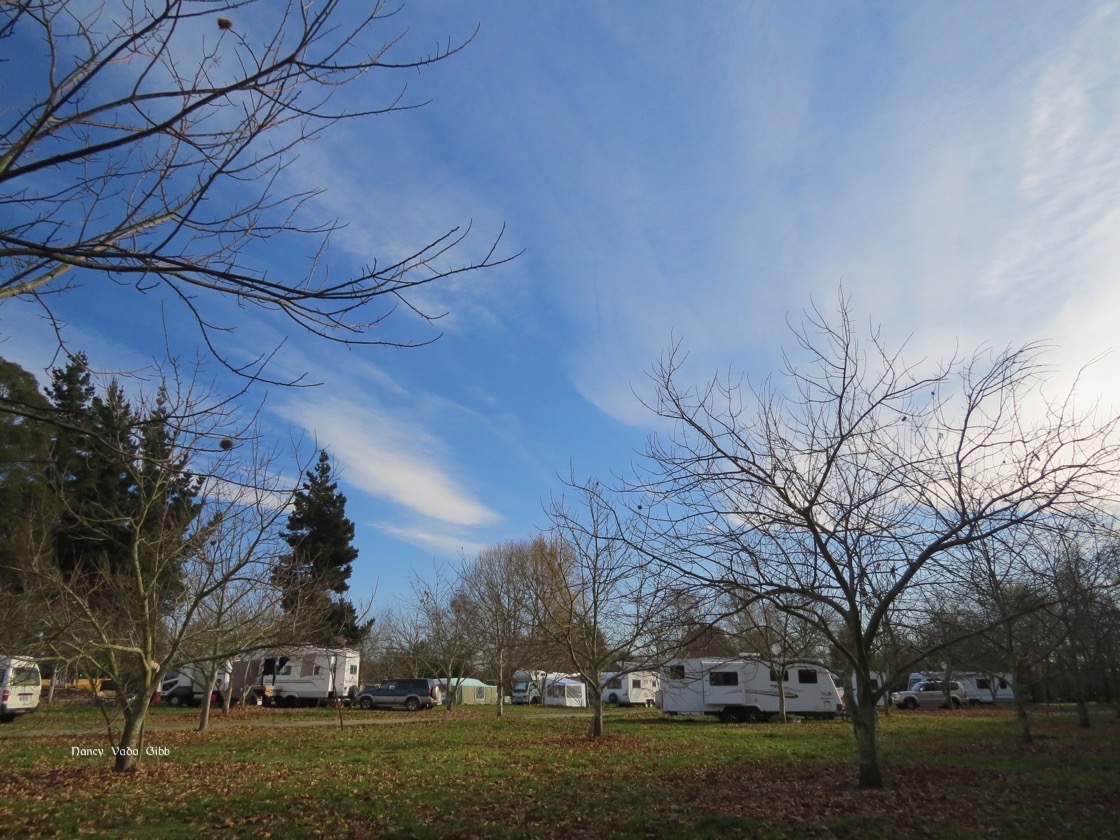



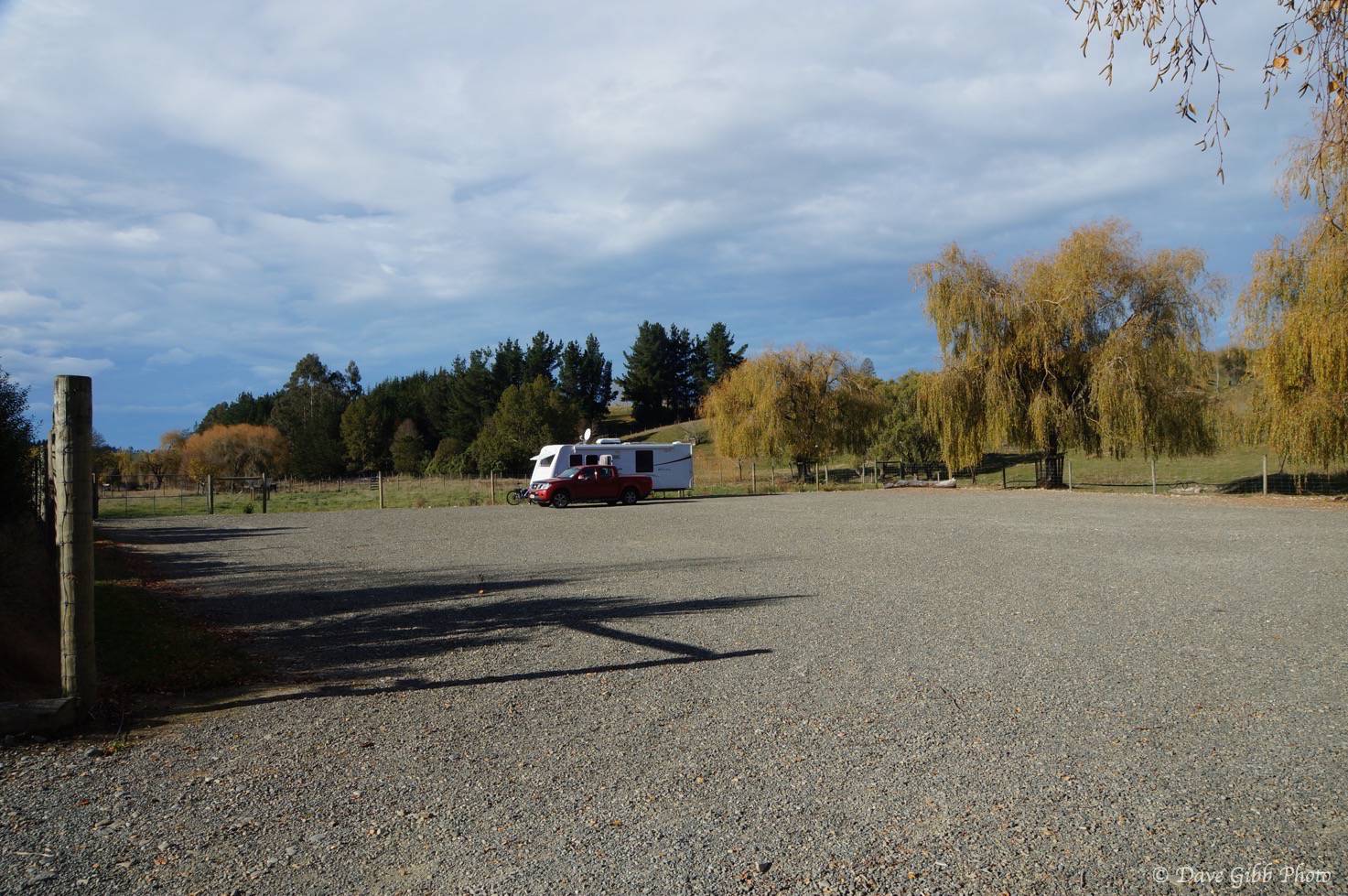

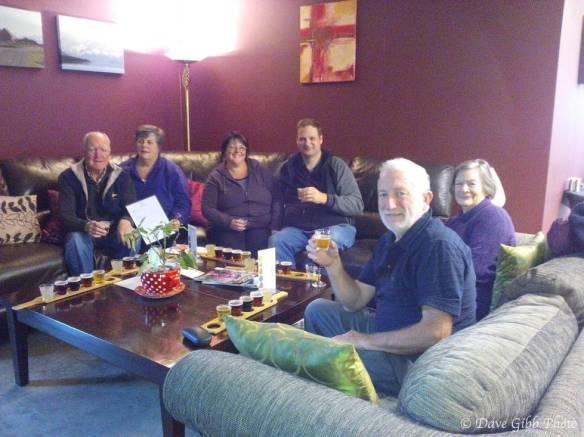 Next morning the endless comparisons and ‘tours’ of the three caravans from both male and female perspectives flowed on and on. In summary it was a very fruitful and enjoyable gathering and even Penny had fun with the miniature schauzer from one of the other caravans. We also met the owners of the brewery and learned something of the history.


 Th
Th































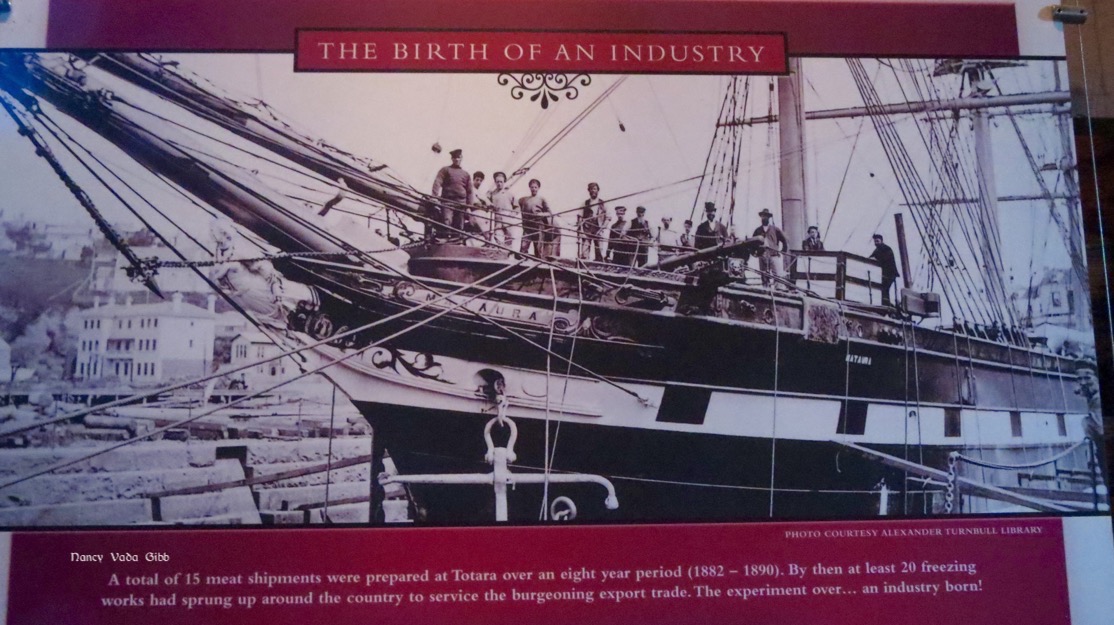
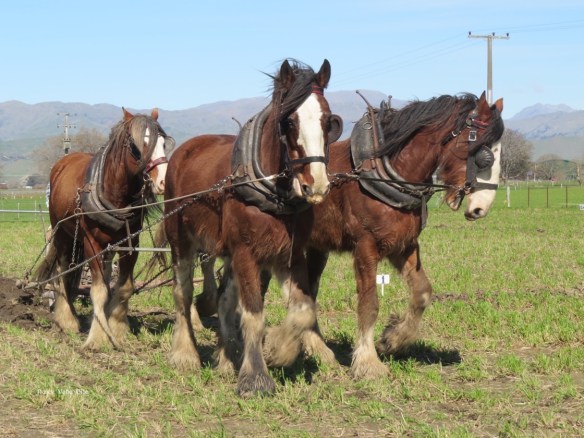
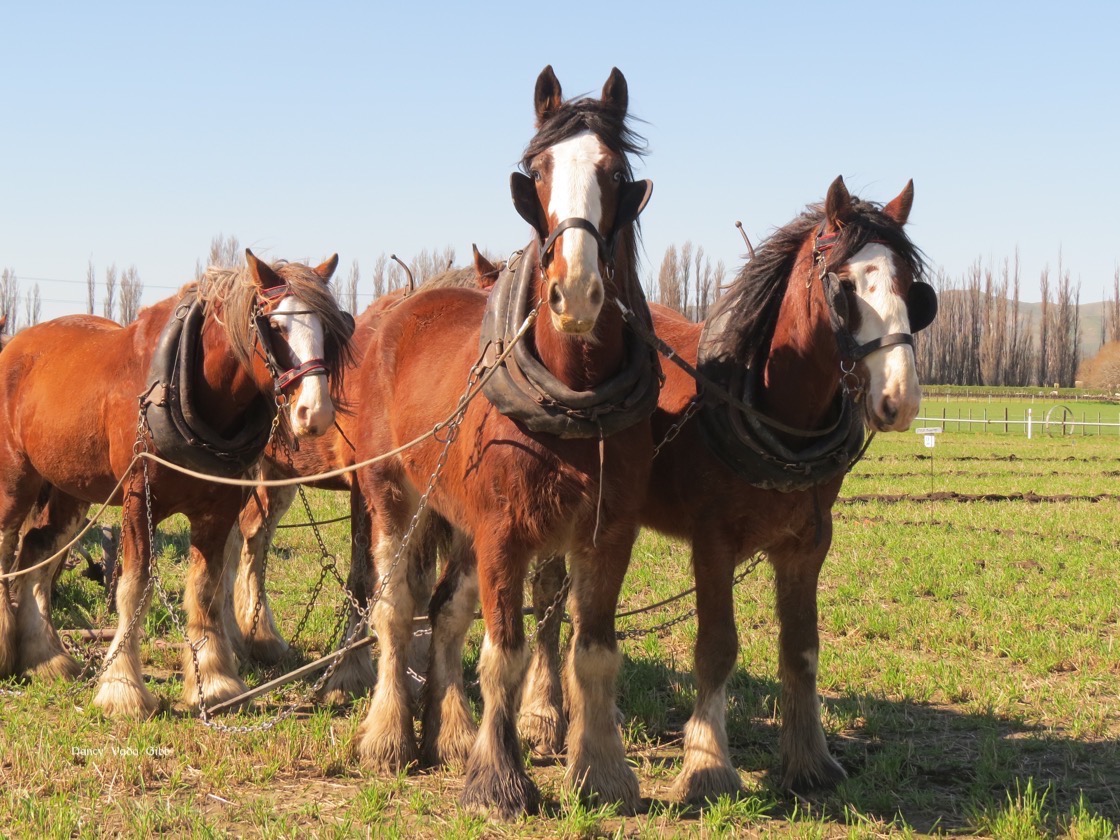
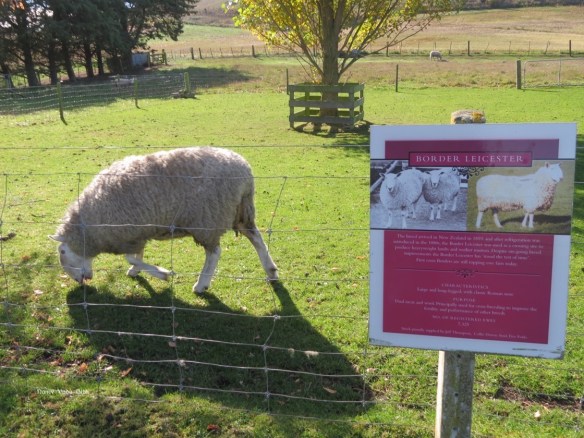 The stables and harness room were interesting, including the flooring of old river stone. There were once 120 working horses on the Estate.


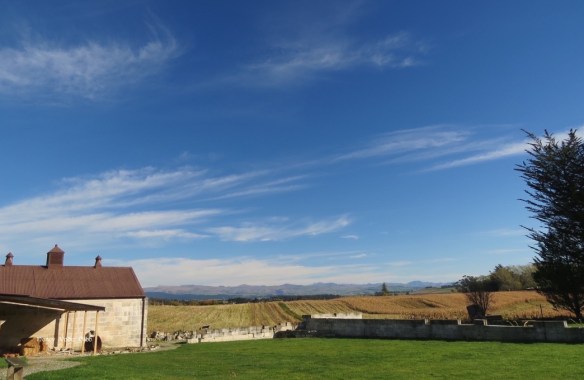 Next door is a recreation o