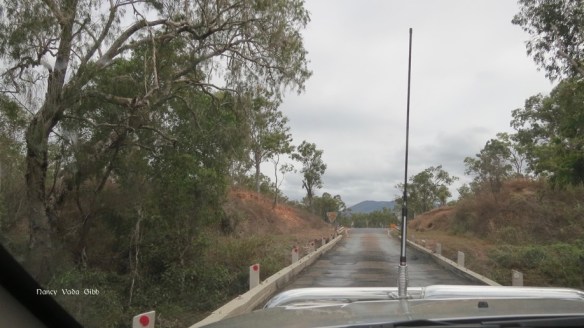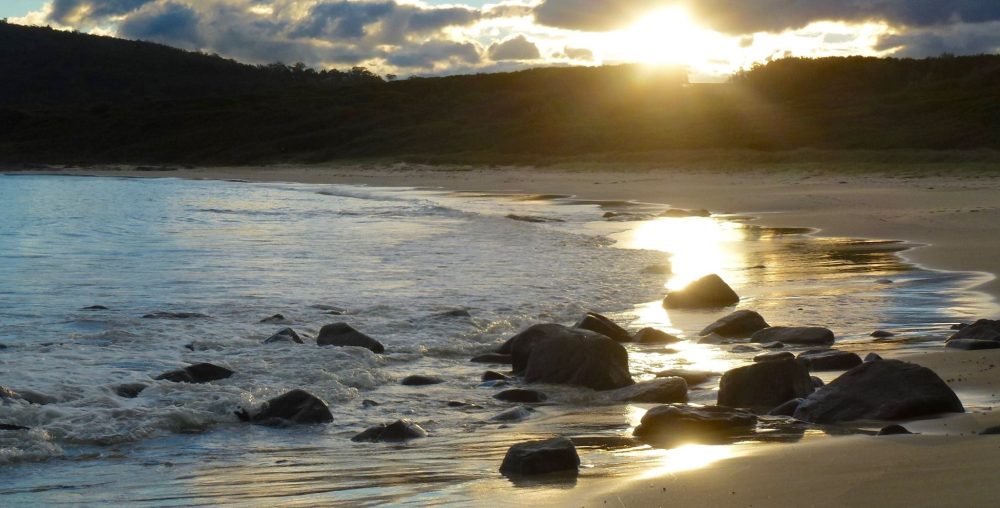
165. Undara Volcanic National Park

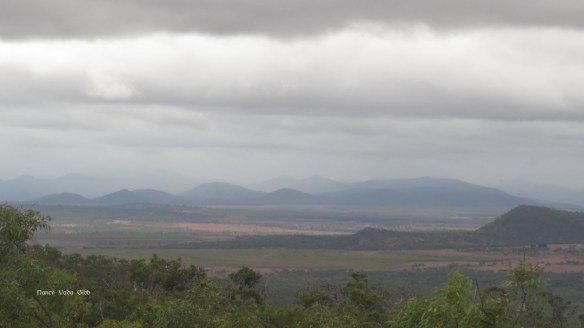
Our destination was the Undara Volcanic National Park and the Undara Lava Caves. The Atherton Tableland was once a very active volcanic area, and the Undara park protects one of the longest lava tube cave systems in the world, created about 190,000 years ago. A massive eruption caused lava to flow more than 90 km to the north and over 160 km to the north-west.  It is estimated that 23 cubic km of lava flowed from the volcano; enough to fill Sydney Harbour in six days.

Undara was a shield volcano producing copious amounts of lava but with unspectacular eruptions – “like boiling a saucepan over on a stove”. The lava flowed along a number of old dry watercourses; the outer crust cooled and insulated the inner lava flow which continued for some way – 160 km in fact, much further than it could have if outside the tubes. The Aboriginal word for Undara means ‘long way’.

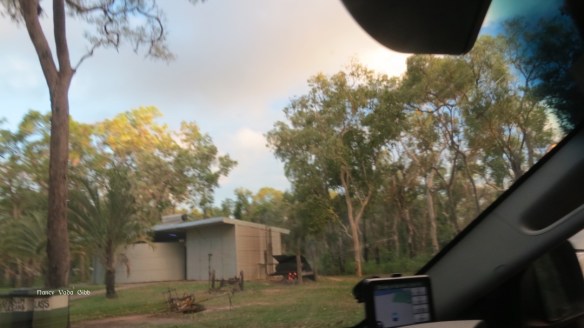
The ‘Undara Experience’ is a well-organised commercial business, originally established by the Collins family who have lived in the area since 1862. They’ve won many awards for excellence including an Australian Tourism award for unique accommodation and a Queensland Environmental Tourism award. The accommodation ranges from ‘pioneer huts’ with all mod cons to turn of the century railway carriages with en suites (set along the original Cobb & Co coach road and blending nicely with the surrounding bushland) ….

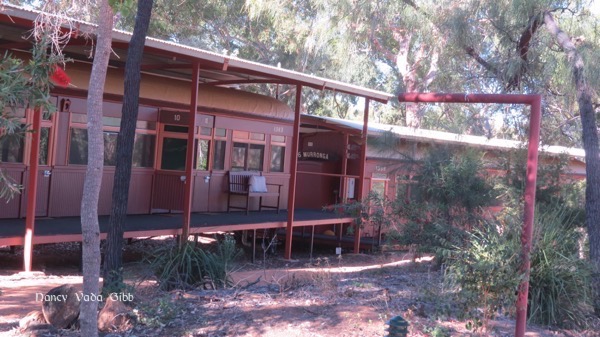
IMG_2341IMG_2356

….. to swag tents of various degrees of luxury.

IMG_2385

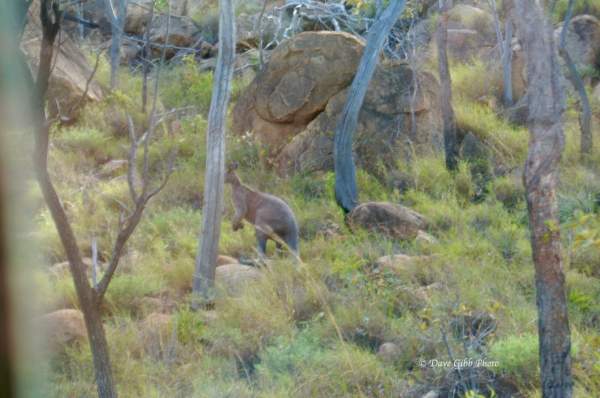
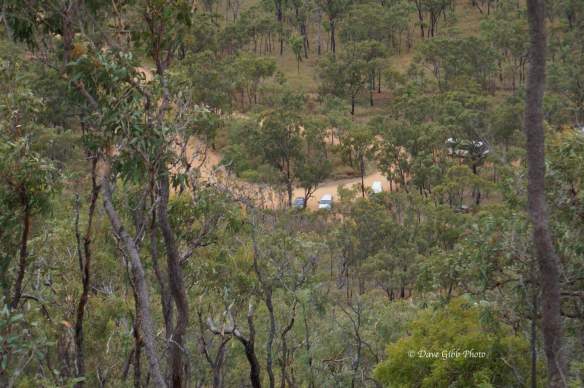
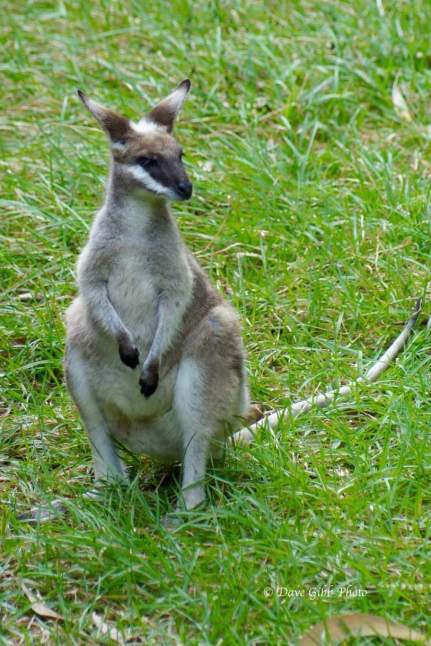
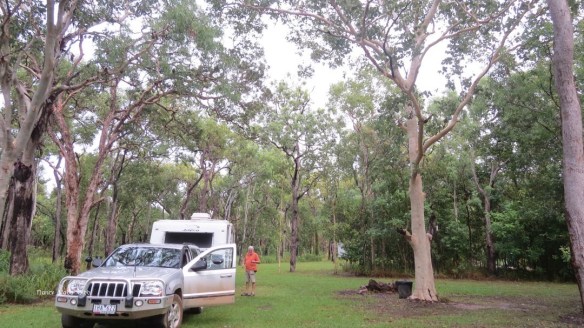
There’s also a motorhome and caravan park of course, and room for ordinary tents. That’s us on the far left. A little wallaby visited us one evening, and there were plenty of cheeky magpies too. But no more apostle birds.
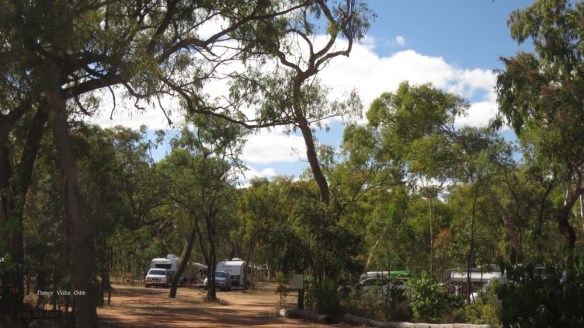
IMG_2386

IMG_2362

There is a bar and bistro and “bush breakfast” and “around the campfire” experiences on offer to the coach loads of tourists. Somehow we managed to avoid most of them.

Access to the National Park is by guided tour only, and as we had not booked beforehand we had to wait two days to join a 2 hour tour of the lava tubes. However, we were free to go on various bush walks and/or drive to the Kalkani Crater.

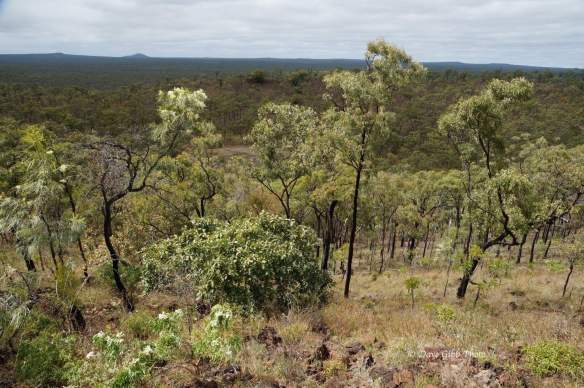
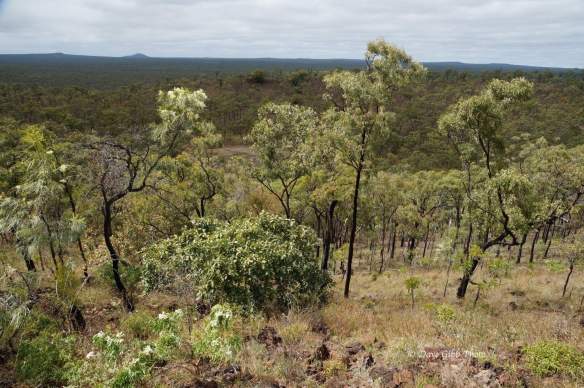
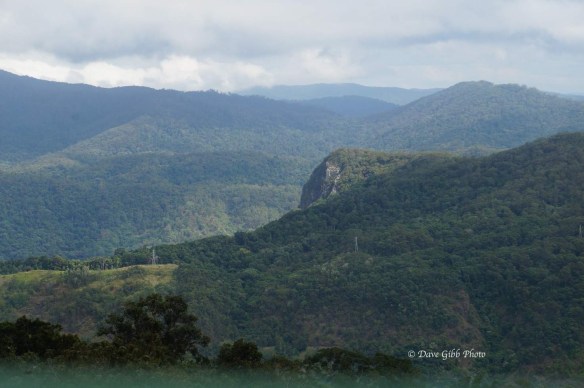
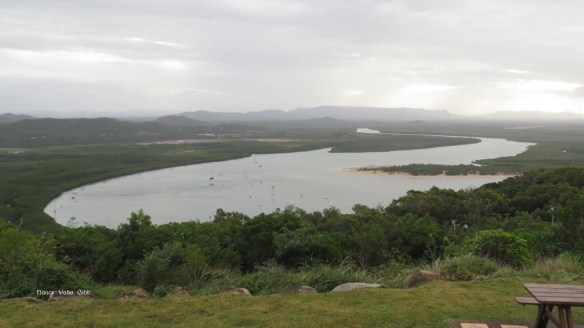
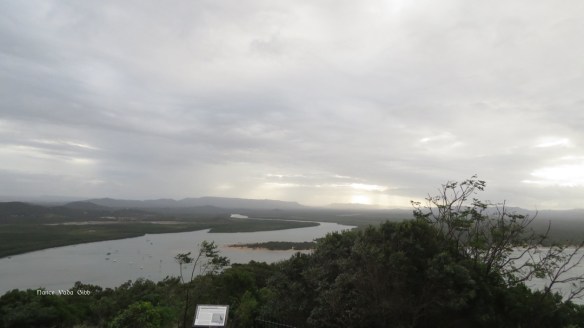
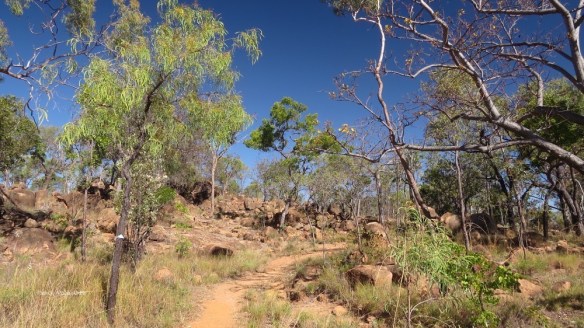
The Bluff Walk took us to the top of the Bluff from which there were extensive views of the wooded lava plains.
IMG_2344IMG_2346Undara Lava Tubes02Undara Lava Tubes04

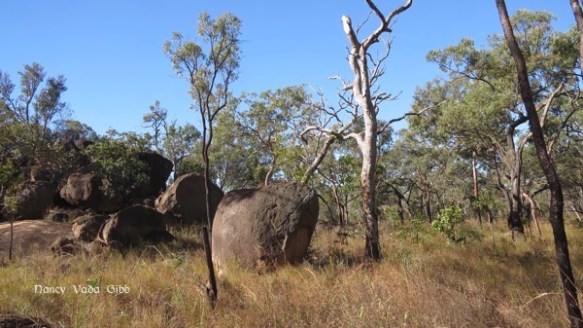
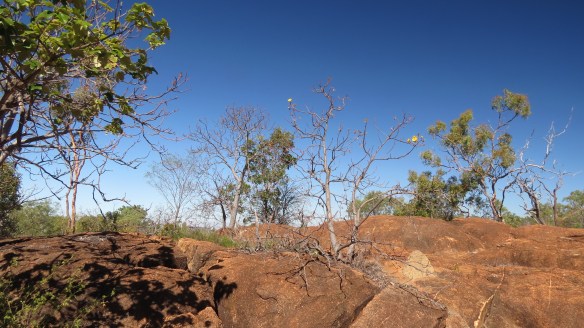
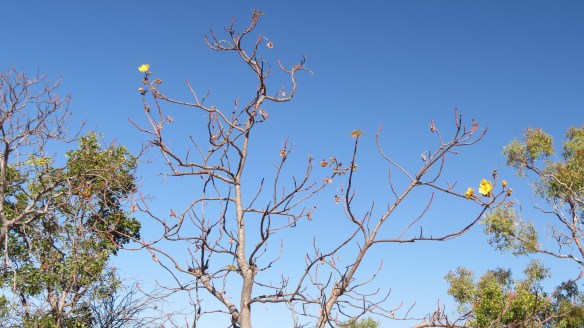
After rather a scramble through the reddish rocks we reached level ground again and returned to camp on the Swamp Track through lightly wooded countryside, spotting a couple of wallabies on the way.
IMG_2343

IMG_2342

IMG_2350IMG_2349Undara Lava Tubes10

IMG_2354

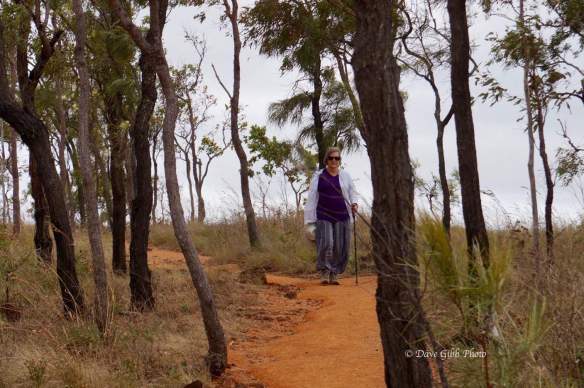
The crater was something else. We drove 16 km then were faced with a 2.5 km walk on what we were told was a “well-graded track to the top and around the rim…”  It started off well but by the time the rim was reached it was definitely rather rough! Dave elected to go right round the rim and I went in the opposite direction and met him about two-thirds of his way around.

IMG_2365

IMG_2375

IMG_2368

Undara Lava Tubes02

Returning to the car park was much easier (!).
Undara Lava Tubes08Undara Lava Tubes07

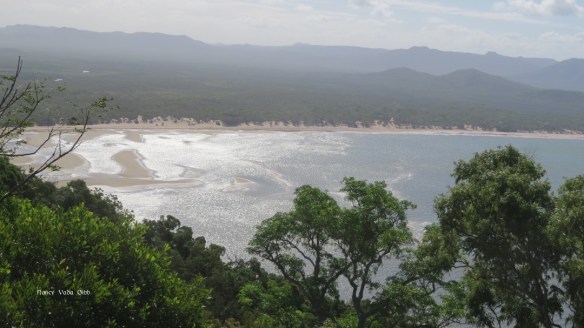
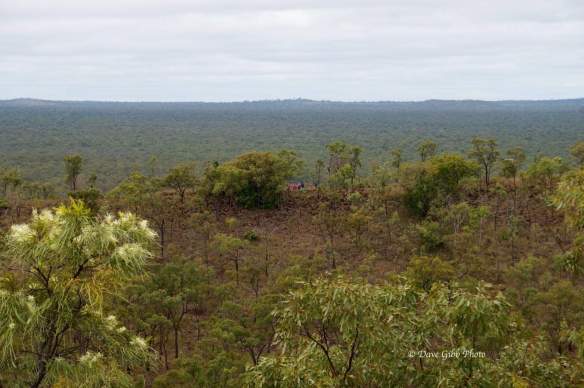
The crater itself is so large that it was hard to make it out properly (spotting a group of walkers on the opposite side of the crater helped), but the various volcanoes on the horizon all around were very clear even on a rather foggy day.
Undara Lava Tubes05Undara Lava Tubes06Undara Lava Tubes09Undara Lava Tubes04

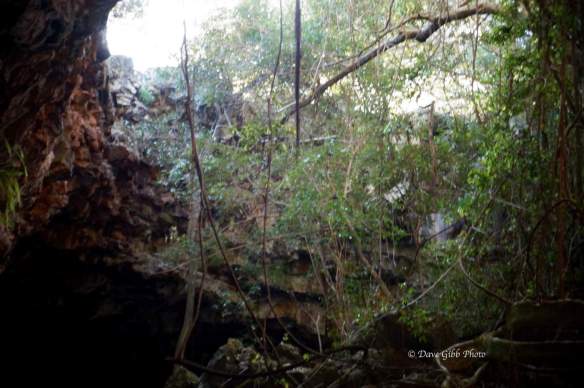
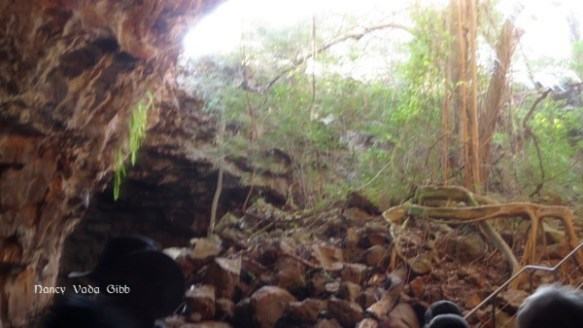
The lava tubes were indeed interesting. Luckily we had asked beforehand if they had a printout of the guide’s spiel, which they did, so I was able to follow everything. We are now far more enlightened about geology in general and that of the Undara region in particular. Far too much to repeat here in the blog- the guide’s notes are 8 pages long. We walked along boardwalks and up and down stairs with handrails. The tubes are very stable, there have been no rock falls since the Lodge started operating.

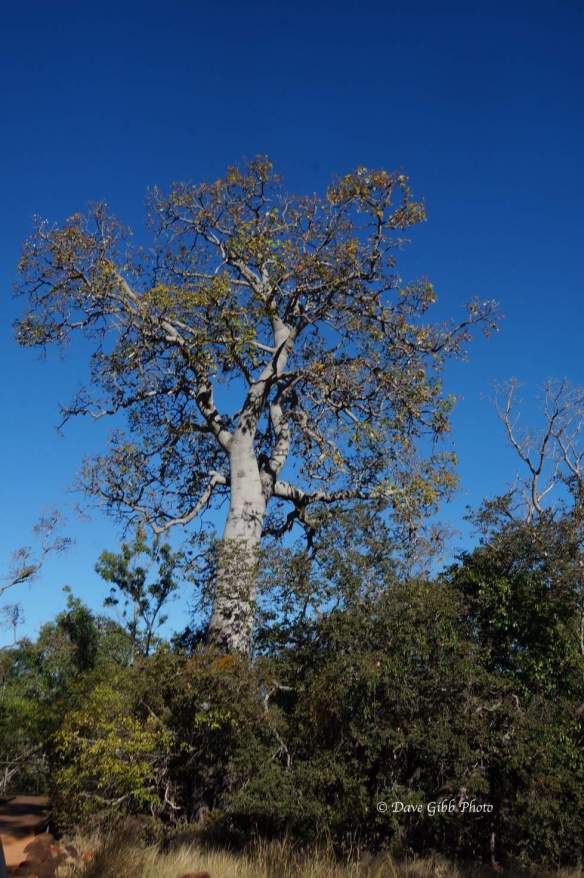
Just before the entrance to the caves we came upon this Queensland Bottle Tree, similar to the Boab trees of Western Australia. Bottle trees were an important food tree for the Aboriginal people who used to harvest the seed pods from the tops of the trees; the horizontal markings on the trunk are the remains of Aboriginal toe holds carved with a stone axe. Many other bottle trees in the Park are similarly marked.Undara Lava Tubes11IMG_2391
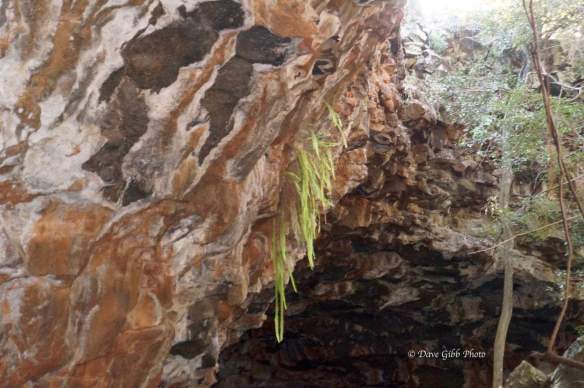
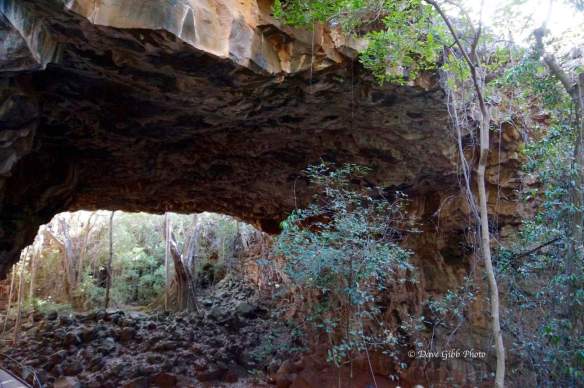
First The Archway. Many of the cornerstones that joined the roof have fallen out … about 190,000 years ago!  The colours are due to a high proportion of silica and iron, also calcium and manganese. Mineral leaching of the calcium gives the white colours.
Undara Lava Tubes12Undara Lava Tubes13IMG_2398

Undara Lava Tubes21

Then the Ewamein tube….

Undara Lava Tubes25

Undara Lava Tubes16

Undara Lava Tubes24

Fish-bone ferns …Undara Lava Tubes17

IMG_2407

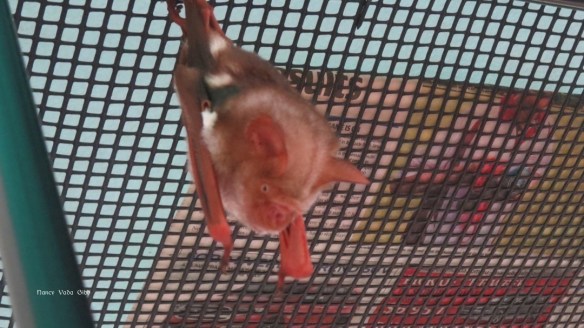
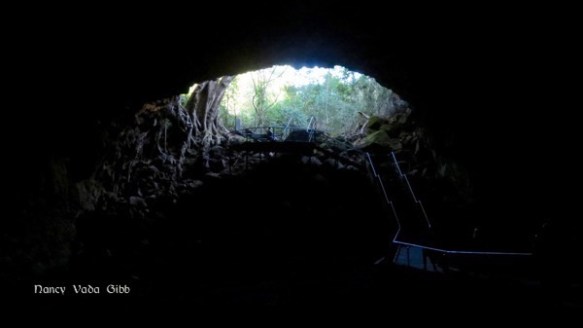
Then Stephenson’s Tube, where we saw a couple of microbats (Eastern Horseshoe Bat) and long fig tree roots extending from the ceiling; they live on the moisture in the air. It was very dark and difficult to take good photos.
IMG_2422

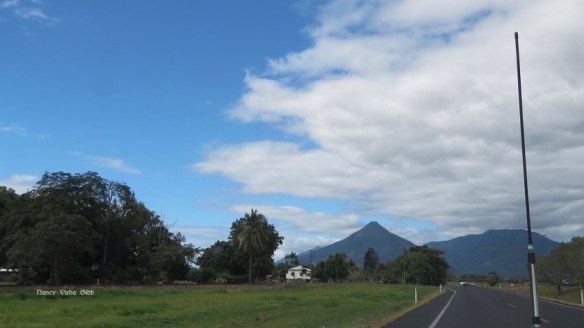
Next day we packed up quickly. A late check-out meant 50% of one night’s accommodation. It was sad to think we were leaving not only the Tableland but the Outback. From now on we will be heading down the coast.

164. Back to the Tablelands

Before starting the long trek south, we decided to make one last visit to the Atherton Tableland and see a few things we missed earlier when we made the dash to Mareeba to get the jeep’s window fixed plus a few other things.

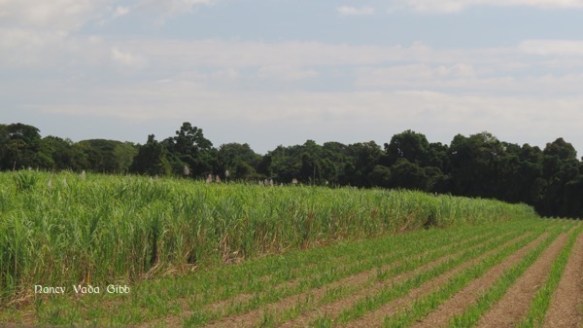
This time we climbed to the tableland via Gordonvale, quite a different experience to the Cairns-Karumba road. Initially we drove through the usual interminable sugar cane fields, inhaling the characteristic sickly-sweet smells coming from the Gordonvale sugar refinery. The mountains loomed ahead.  It is said there are 265 turns in the Gordonvale-Yungaburra road but I lost count.

IMG_2306

IMG_2305

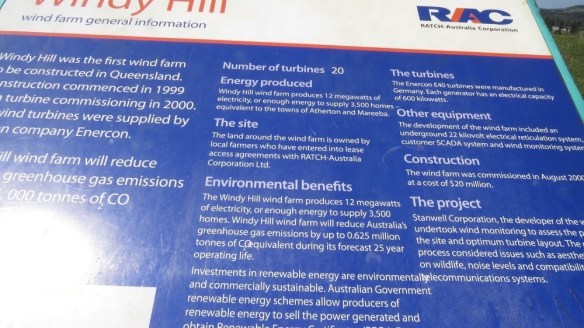
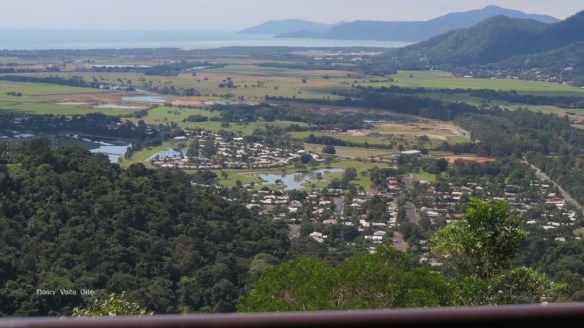
Mostly the the country was more open and there were some splendid views of the coast. Near the top we turned off at Windy Hill to admire all the wind turbines. Yes it was quite windy!  There are 20 turbines altogether.

IMG_2319

IMG_2322

IMG_2321

IMG_2325IMG_2324

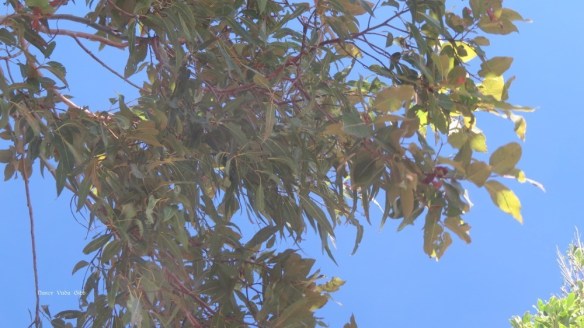
From tropical sugarcane lowland through rainforest to undulating green pastures – yet another startling contrast all within a few hours. We stopped at the Ravenshoe (pronounced -hoe not -shoe) i-Centre where an unusual tree stood guard – a Cadagi tree with two quite different types of leaves ‘due to some climatic abnormality’.

IMG_2329

IMG_2328

IMG_2330

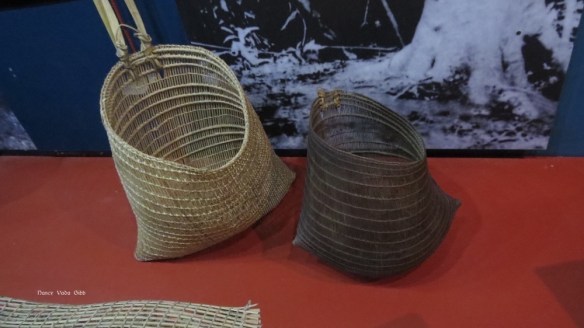
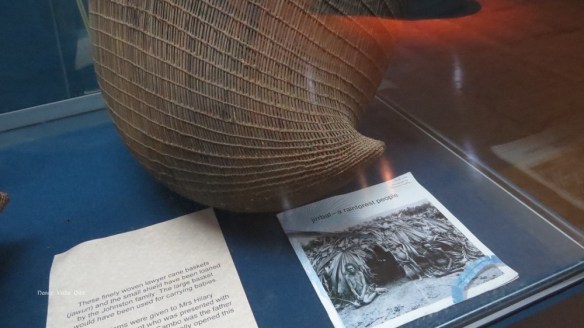
The local Aboriginals had a beautiful large display room. These finely woven cane baskets are made from lawyer vine.

IMG_2333

IMG_2331

Several aboriginal stories are told in detail with beautiful little illustrated panels. Here are the last two in the ‘Fire Story’.

IMG_2337IMG_2336


Yungaburra was essentially a logging township. Together with the usual logging museum photos and instruments, there were a number of folders containing newspaper articles detailing the area’s opposition to new logging laws. Here  is a poignant reminder of how ‘for the greater good’ doesn’t always succeed as well as expected  …

IMG_2338

We didn’t linger as we wanted to make Undara before nightfall.


163. Cairns

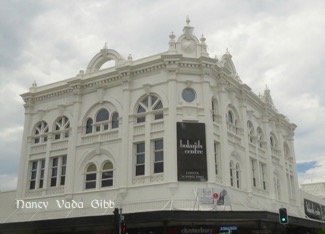
It has been good to relax for a while. Cairns is quite hot and humid so the coolness of shopping malls is welcome.  The town has certainly grown, sadly at the expense of many of the lovely old buildings. However, some remain.

IMG_2078

As usual we were on the hunt for a few replacement bits and pieces for the caravan, this time it was the step which recently decided to crack on top. Dave had heard several horror stories of people getting their foot caught in the hard plastic as it collapsed so we decided to replace it with a sturdier two-step. We also bought me some new sandals, badly needed.

We spent one lovely day with a teacher from my old Sydney school. Now in her 80s, Stella is just the same from when I last saw her over 35 years ago.

IMG_2089

She took us to lunch at an innovative little restaurant called Eato’s, where unemployed people are trained as cooks, waiters, etc and then found proper jobs. The food, though fairly basic, was wonderful and well presented. I had pork belly and it was a true melt-in-the-mouth experience. Then we went for a drive to her old stomping ground, Holloways Beach, where she and I once took her dog for a walk.

IMG_2083IMG_2081

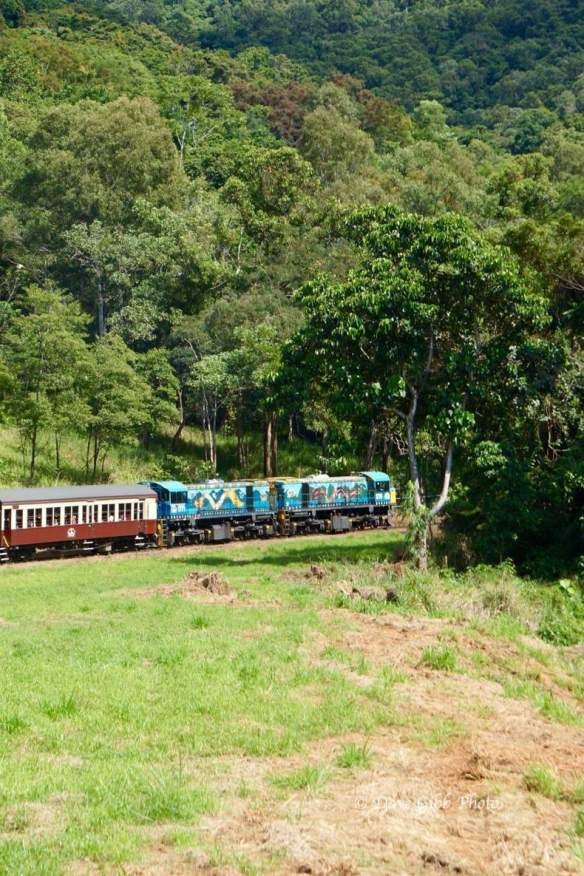
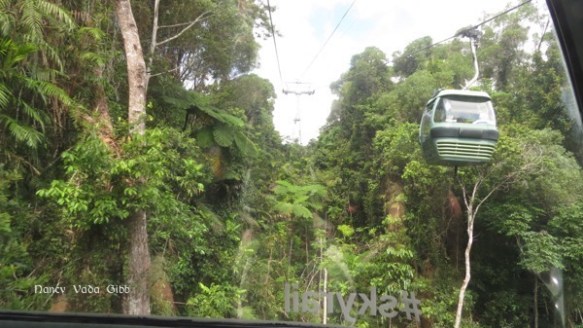
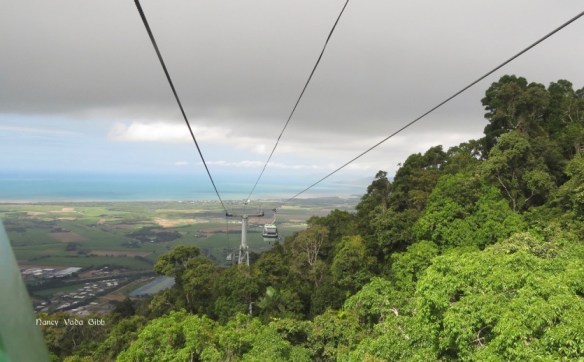
With so many attractions available we couldn’t decide what to do – go to Green Island or the Low Isles or Fitzroy, glass-bottomed boat and/or snorkelling extra, or just a sail. Or just do the Kuranda Train and Skyrail?  The helpful guy at the i-Centre gave us some ideas about the latter so in the end it was decided – join the train at Freshwater Station (close to Lake Placid), train up, Skyrail down, coach from the Skyrail terminal back to Freshwater to collect the jeep.

Pioneer women, from a photo in the Freshwater station museum. Haunting faces.

IMG_2095

At first the train went through sugar cane fields, then started to climb.

IMG_2104

Kuranda Railway06

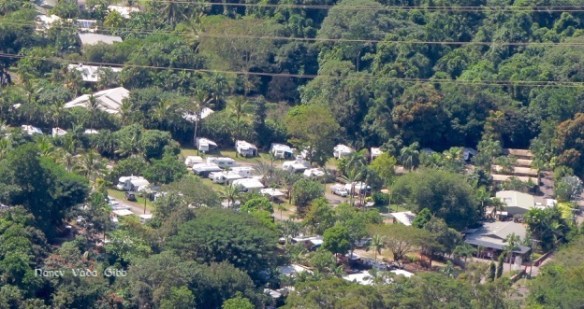
The Lake Placid caravan park was just visible. Our caravan is in front and just to the right of the three in a row at the centre back.

IMG_2115

IMG_2113

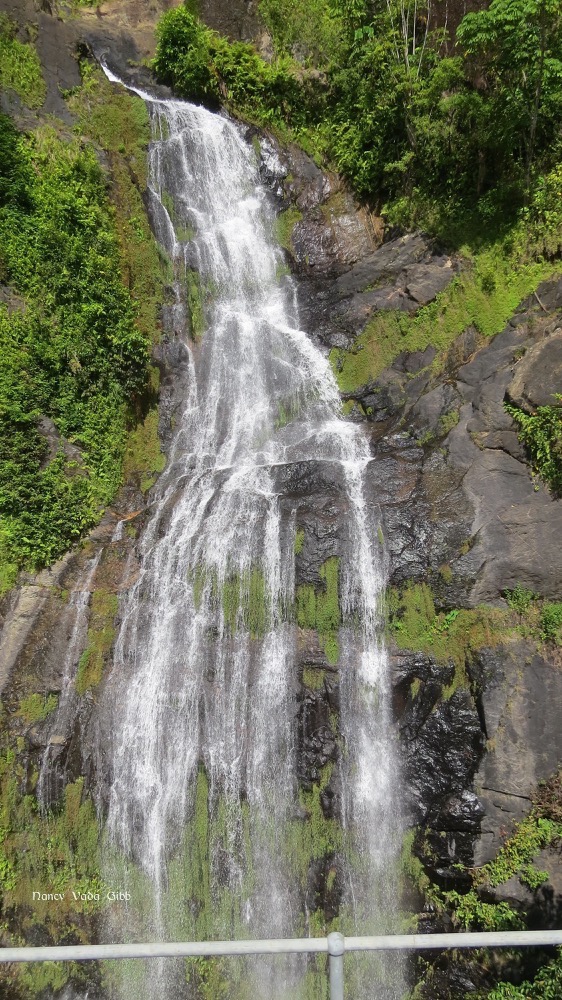
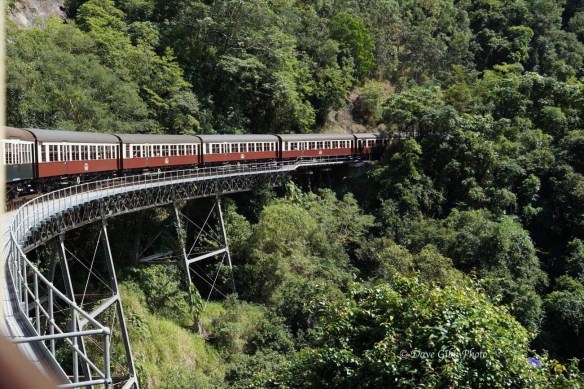
Stony  Creek Falls as seen from the train as it went over this bridge.

IMG_2108

Kurans Railway03

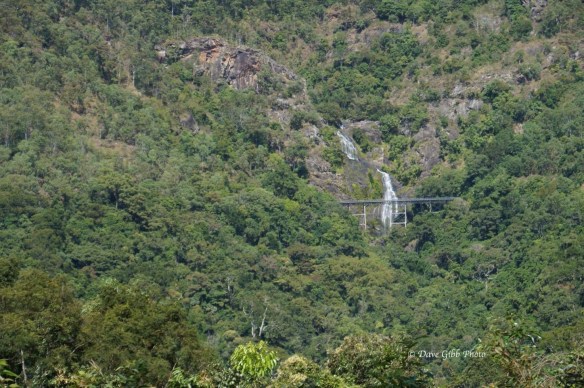
The same falls seen later that day from the SkyTrain.

Kurans Railway01

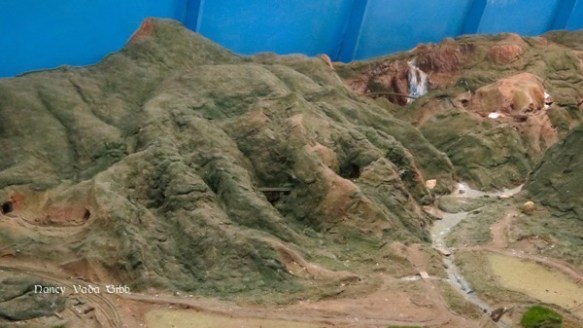
The railway was constructed between 1882 and 1891 “…. and even today is considered an engineering feat of tremendous magnitude”. Heritage wooden carriages take one 328 metres above sea level, through 15 hand-made tunnels and  over 37 bridges through World Heritage-listed rainforest. Here are two scale models to give an idea (the waterfall and bridge in the last photo are visible top right in the first model).

IMG_2091IMG_2094

IMG_2238

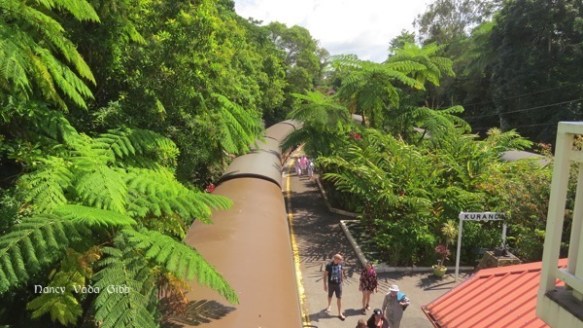
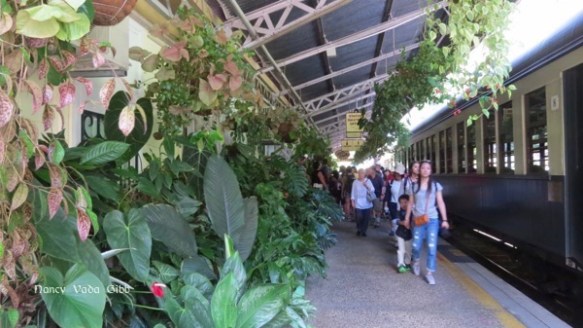
Kuranda has certainly changed from the little township I saw many years ago. The railway station however is still much the same, a sort of elongated fernery.

IMG_2122IMG_2124

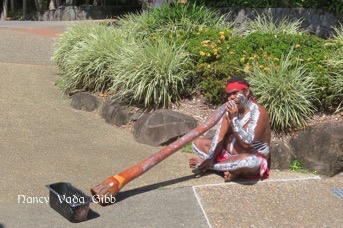
Emerging from the station we were welcomed by a didgeridoo player. He didn’t pause for breath just gave Dave a thumbs-up when he dropped a donation in the tin.

IMG_2125

The town is like one huge market with stalls ranging from the gypsy-tatty to the expensive gold-pearls-and-opal with haughty well-dressed salespersons. Also what seemed like hundreds of food stalls. There were far more Asian faces than anything else. Ah, Tourism with a T (!).

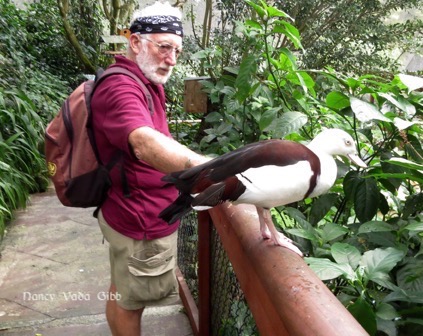
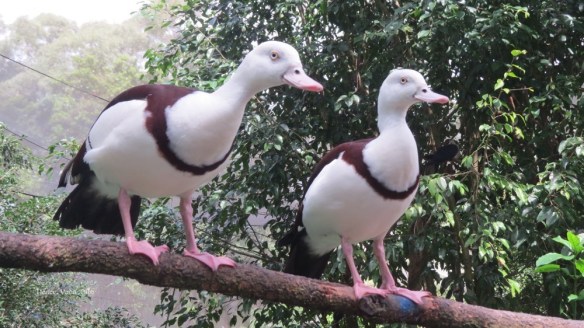
There are several special attractions in the town. We chose BirdWorld. We were warned to remove all jewellery etc which would include Dave’s cochlear implants, but he needed them so a quick search around the nearby stalls and we found a great bandana … doesn’t he look piratical! The Raja Shelducks loved him.

( Dave: All I needed was a Hardly-Drivable to complete the image!)

IMG_2174

IMG_2138

IMG_2139

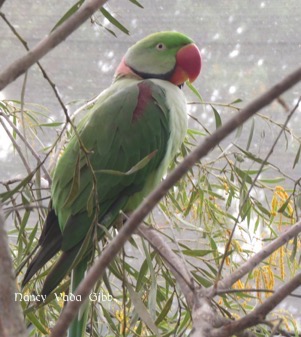
Alexandrine Parrot from India and SE AsiaIMG_2172

Possibly cassowary chicks – not sure.

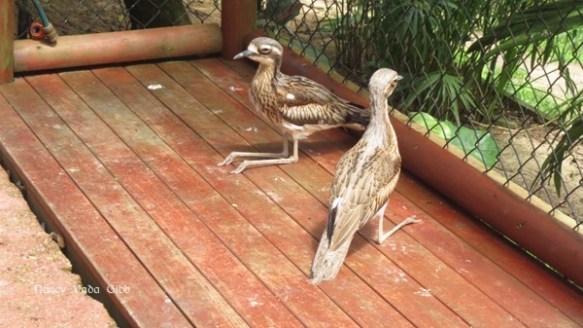
Correction: Bush stone-curlew. Endemic to Australia. Has an unusual courtship dance.

IMG_2150

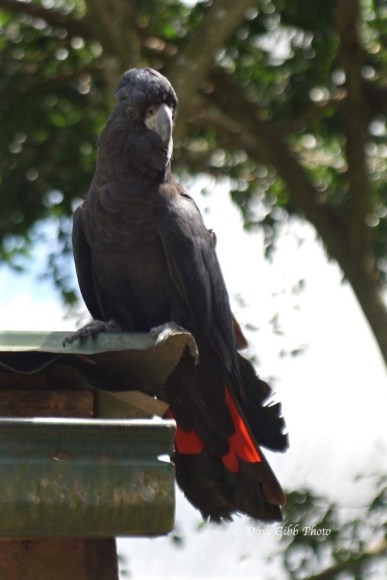
Black cockatooBirdworld16

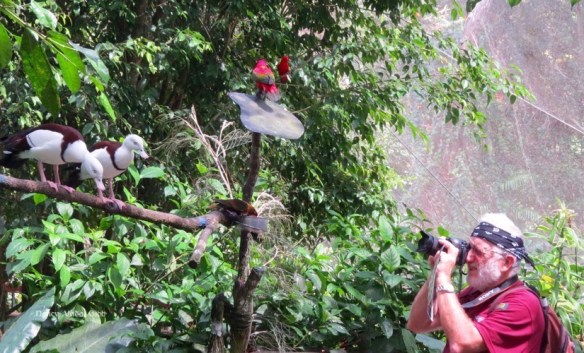
Dave’s bird photos. Not all are Australian.

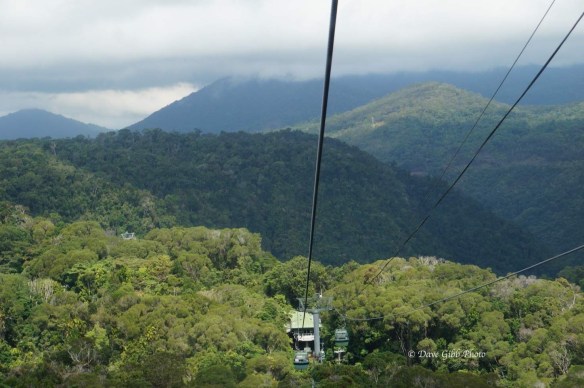
It was a humid cloudy day so our photos of the Skyrail are not the best. There are actually three sections and you get out at each one and transfer to another carriage.

IMG_2195

IMG_2239

IMG_2208

Skyrail01

Skyrail02

At each stop there are short boardwalks to scenic views and sometimes other stuff like an early flying fox, the mechanical people-carrying sort (they probably DID eat mangoes too).

IMG_2234

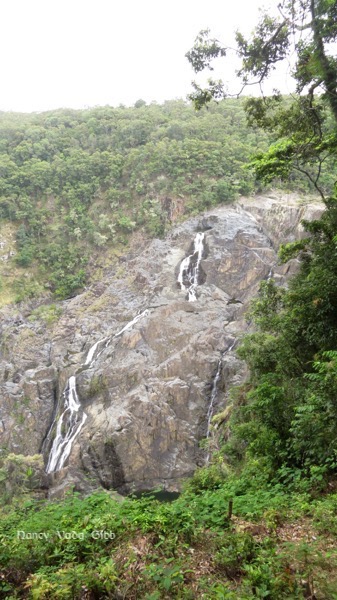
The Barron Falls  as seen from the other side, and the views looking north and south.

IMG_2214             IMG_2229

IMG_2221

Approaching the coast. I badly wanted to stay on board and go up again!
IMG_2283

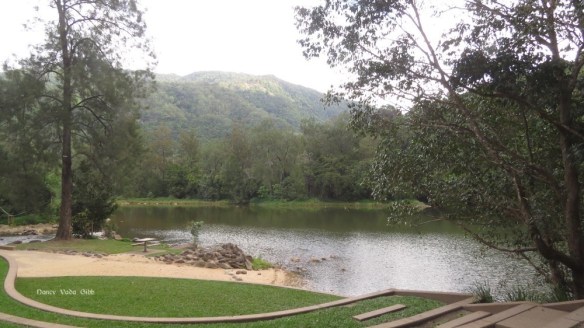
That evening we made a quick trip to Lake Placid just down the road from the camp. Not very large. Signs say it is fine to swim in the lake but the usual crocodile warning signs were at one end where the  lake is joined by a river.

IMG_2301

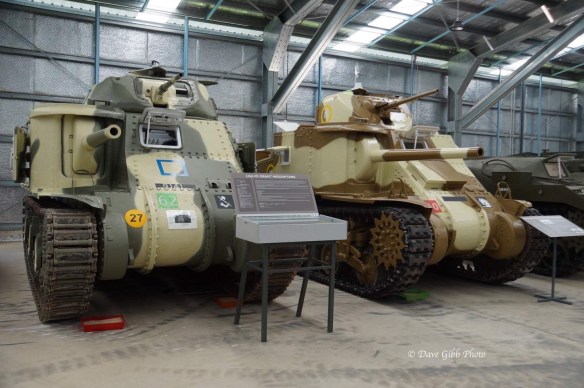
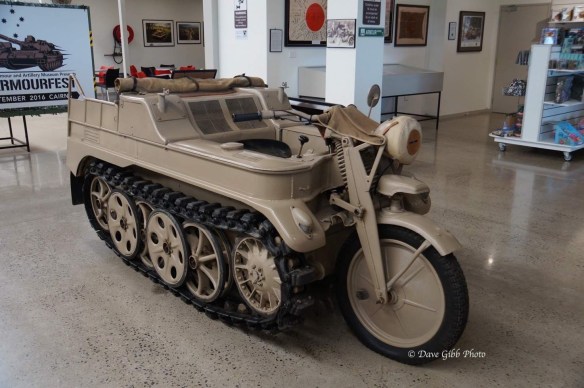
Next day Dave went off to the Military Museum and did not come back until well after lunchtime.

Artillary Museum02Artillary Museum03Artillary Museum04

I stayed ‘home’ and tried to understand the results of my mtDNA test which arrived recently. A whole new world to investigate…!

I had hoped to post this blog just before we left Cairns but the website would not co-operate. We are now back on the tableland at Undarra near Mt. Surprise.


162.Mango Wine & The Barron Falls

IMG_2051

Back to Mareeba the long way with a coffee stop at Mt. Molloy. There are several cafes there so we were lucky not to miss the last one.

Along the way, sugar cane and mango plantations started to appear in ever increasing numbers – sometimes side by side.

IMG_2056

Approaching the town we decided to stop off at a Mango Winery (??) and were so glad we did!

http://www.goldendrop.com.au.  As the only visitors we received full attention from a charming lady wearing an amazing deep orange-coloured T-shirt complimented by orange toenail polish. She knew the products well, spoke entertainingly and after we’d tried about 5 wines and ports we ended up buying two bottles of the medium wine, which we hadn’t intended (!) and also a delicious 22% liqueur (‘Cello’) which we’ve already sampled over ice-cream.

A family-owned business, it was originally a tobacco farm which diversified into mangoes, then in 1992 they started researching mango wine-making (which most people deemed impossible) and launched their products in 1999. (Photo from website). 

about7

They have a huge orchard of 17,500 trees (said to be one of the largest plantations in Australia)  where they grow their own variety of Kensington Red mangoes, derived from Kensington Pride which I knew well from Bowen days and another red-skinned one. I was intrigued to learn they use underripe, ripe and overripe mangoes to produce three different types of wine.

There’s an informative page on their website about mangoes, at http://www.goldendrop.com.au/mangoes.html/  and also some very interesting recipes at http://www.goldendrop.com.au/recipes.html/

We just missed the Mareeba Stockmen’s challenge too, arriving late on Saturday and not noticing the early – and final – Sunday morning activities. At least they had considerably better weather than at Cloncurry.

On the drive from Endeavour River we managed to lose some essential knob from the awning, so we hung around in Mareeba till Monday morning as Dave knew he could get a replacement there. We had lunch at the Coffee/Chocolate House and bought some absolutely delicious Lemon Myrtle dark chocolate – YUM. I was quite sorry to leave Mareeba.

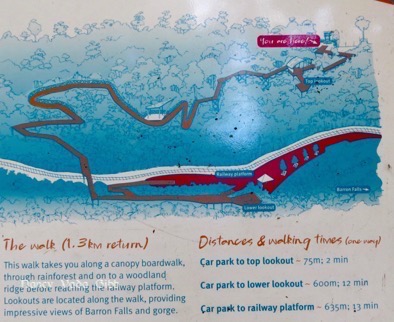
After collecting the essential caravan awning thing, we set off for Cairns but veered off the highway  to visit Kuranda and the Barron Falls. There did not seem to be any provision for caravan parking at the Falls and wisely we did not venture down the last part of the narrow steep road, but parked near the top. It was then a steep walk down to the start of the rainforest walk, which meant another 1 km or so but on a lovely wide well surfaced and gently sloping track which took us from well-defined rainforest to open woodland and so to the main viewing point near the Kuranda railway staton.

IMG_2061IMG_2066IMG_2067IMG_2075

The Barron River near the highway had looked quite large but the falls were definitely not. Last time I saw them about 1982 the water was thundering down full bore.

IMG_2062

IMG_2076

IMG_2070

IMG_2073

The dam at the top- there used to be a power station at the bottom, but it has since been moved to a more downstream location.

IMG_2074

The designated caravan parking in Kuranda, close to a supermarket, was full of cars towing nothing at all, so we gave up hoping for a coffee and the headed back for the highway. A little further on we came to the ‘Rainforest Station Nature Park’ which I vaguely remembered looked “interesting” in a brochure which was not then to hand. So we stopped and headed for what looked like the only restaurant rather than what was labelled the Information and booking centre. It turned out the place is a major coach stop and the restaurant could only offer a buffet or sandwiches. It was chock full of Japanese tourists, their plates laden with fresh fruit. I wandered over to the info Centre only to be confronted by a corridor at the end of which I could see a number of booking booths, no sign of any brochures etc so after a reasonable sandwich we left. Later I found the missing brochure and realised there were two other restaurants and a range of walks ….. however it did look like it was very regimented and tourist-oriented and I doubt we missed anything.

We are now in the Lake Placid caravan park and will stay here for a few days. I can hardly believe I have caught up with the blog at long last!!

161. The Bloomfield Track

The weather wasn’t too bad, a morning drizzle with a promise to clear up, so we decided to leave Westy in the camp and drive south to Bloomfield Waterfall and then to Cape Tribulation along the Bloomfield Track through the Daintree.

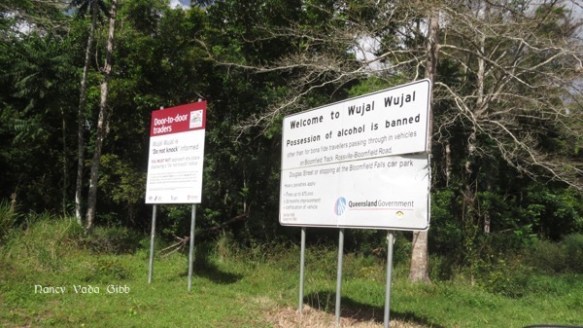
We had to head SW first as far as the intriguing Black Mountain then swing south, pass through the Cedar Bay National Park and some tiny little townships (eg Ayton named for Cook’s birthplace, and Wujal Wujal “so nice you want to say it twice”) mostly on aboriginal land….

IMG_1937

….. and so almost to Bloomfield.

IMG_1934IMG_1936

We turned off at the Black Cockatoo art gallery and cafe to fortify us for what we knew would be a bumpy track ahead. So far it had all been narrow surfaced road.


The Black Cockatoo is basically a private residence set in bushland just off the road, and featured some good bird artwork with strong environmental messages against pesticides, plastics etc and some delicate (watercolour?) paintings of fish and birds. The main doors were a feast of leadlight. With help of some reference books and the friendly owner Dave was able identify some of the birds he has photographed in the last month, particularly the sooty reef heron at Camooweal Lagoon.

IMG_1932

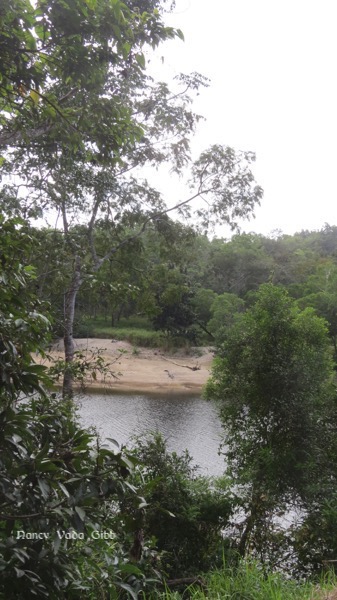
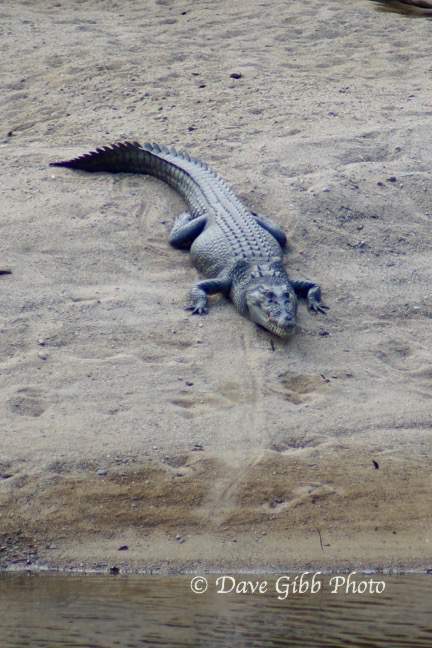
The owner also told us the best place to see crocodiles in the Bloomfield River … and we did catch a big one sun baking on our return trip. There were wonderful views of the wide meandering river from that point.

IMG_1940IMG_2004

IMG_1999

IMG_2000Granite Gorge Cooktown07

On to Bloomfield, the waterfall to be visited on our return trip. The tar soon gave way to very bumpy hardened dirt, with occasional stretches of ribbed concrete where the going was extremely steep and twisty.


IMG_1948

IMG_1994

IMG_1993

IMG_1939

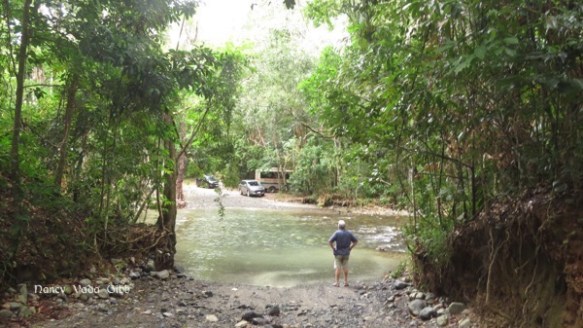
Numerous small water crossings did not give any trouble but then we came to a the much wider, swiftly flowing Emmagen Creek which turned out to be no trouble, less than a foot deep in fact. While we were hesitating a cortege of very dusty outback campers arrived and simply ploughed through.

IMG_1949

IMG_1981IMG_1978

IMG_1952

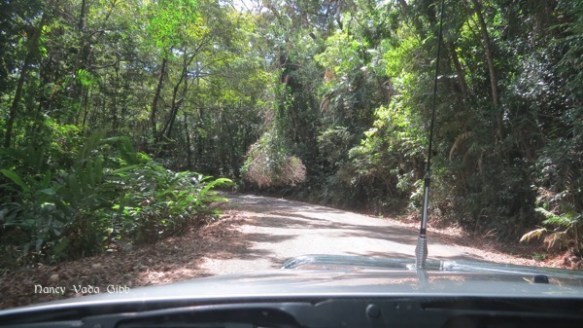
The Daintree was the scene of much environmentalist activity in the eighties. The then Premier of Qld Joh Bjelke Petersen was all for reducing huge swathes to woodchip, but the Prime Minister Bob Hawke pushed through a proposal for World Heritage Status. Protests against a road through the pristine rainforest were long and personal but eventually the protesters lost. But it is still just a track really. Beautiful ferns, lianas and huge trees crowd the roadsides, there is an occasional fallen log or overhead obstruction, and at times we were driving through a tunnel of green. Dave called it “an interesting drive”, he’d love to do it when wet but not with Grandy’s townie tyres!

IMG_1979IMG_1985IMG_1987

IMG_1946

Cape Tribulation, named by Captain Cook with some feeling as it was near there that the “Endeavour” struck a reef, was a disappointment really, overrun by tourists including coaches from Cairns, and as far as we could see there was just a beach with no indication which headland was THE one. However, we do intend to revisit from the Cairns direction later; our focus was to have lunch then head back before any more rain came!

IMG_1958IMG_1964IMG_1967

What Captain Cook probably saw (minus the intrusive tourists)

IMG_1965

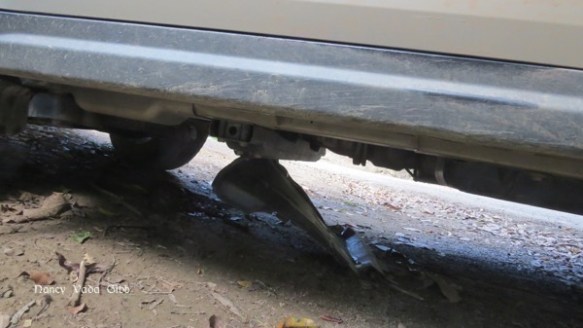
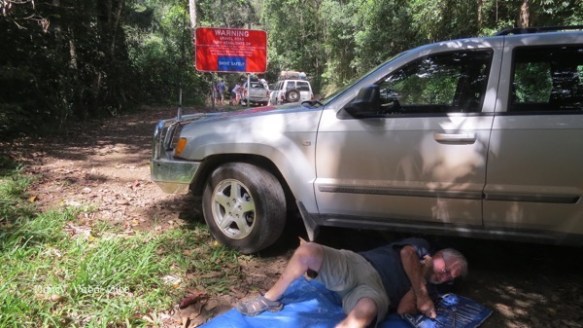
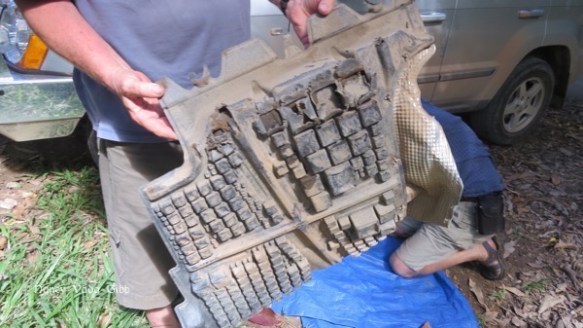
As it  turned out, no rain, but something else. More than halfway back, up a rise and round a corner, we came upon a group of three camper-vans all looking with interest at our underside, then signalling us to stop. They said they could hear a curious flap-flap-flap but we couldn’t through all  the jolting and jerking. By great good fortune there was plenty of room beside the track and even a convenient dip into which Dave could squirm while he removed the damaged protective cover over our gearbox! (Just to reassure, the latter is fine.) One of the campers was very kind in lending not only a tarp to lie on but a full set of wrenches. Normally and particularly in NZ we never travel without a full toolbox but with our current setup the only tools we have are kept in Westy, and we seldom travel without it in tow. Dave reckons he can bash the cover back in to shape and reattach.

IMG_1989IMG_1990IMG_1992

IMG_1991

We made another stop at the Black Cockatoo and this time were rewarded with seeing the two tame wallabies, reared since babies, which are quite free to roam but persist in following the owner round, even hopping up the steps or ramp to the house.


Granite Gorge Cooktown08

Back to Bloomfield township and a small detour to see the Falls.

IMG_2006IMG_2008

Then back on the narrow tarmac to Cooktown, and a quick view to Quarantine Beach nearby. It was by then late afternoon and low tide with interesting patterns in the sand. The crabs however did not seem bothered by any demarkation.

IMG_2011IMG_2015

I felt exhausted that evening from all the shaking; after a shower an early bed beckoned. Grandy would have to wait another day for a wash.

IMG_2016

Next day it was back to Mareeba for two nights and lunch at the Coffee/Chocolate house then down the ‘hill’ to Cairns.


160. Captain Cook’s Cooktown

Cooktown is markedly changed from when I first saw it on the MGTF tour in 1971 and again on “Cornelius” in 1980. I wish I had the relevant old photos with me. This hotel is where we had fish and chips in 1980. It was almost the only eating place then.

IMG_1918IMG_1902

IMG_1903

IMG_2025

IMG_2026

IMG_1909IMG_1908IMG_1907IMG_1905IMG_1901IMG_1899IMG_1892

IMG_1887

The Endeavour River on the edge of the town.

IMG_2035

IMG_2036

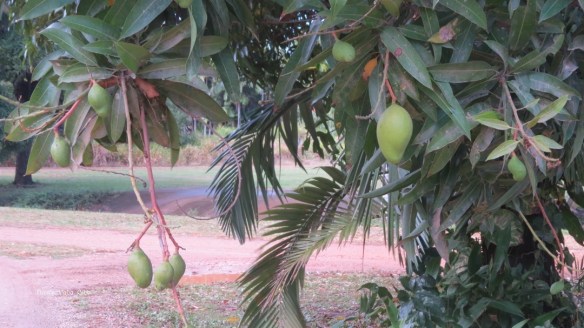
Two beautiful trees nearby, one with unripe mangoes and the other  festooned with tropical plants.

IMG_2034

IMG_2033

We drove to the top of Grassy Hill overlooking the town, the wind was blowing very strongly and it was hard to take good photos; we obtained better ones on a later visit when the tide was out.

IMG_1850

IMG_1853


IMG_2017IMG_2019IMG_2020IMG_2021IMG_1849

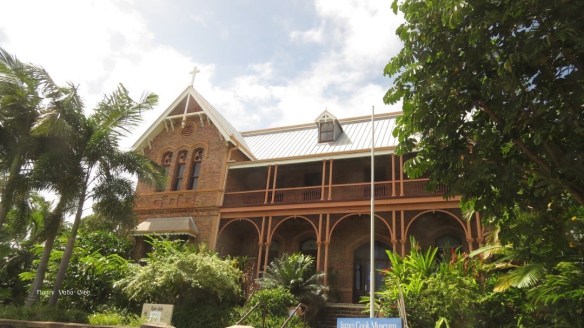
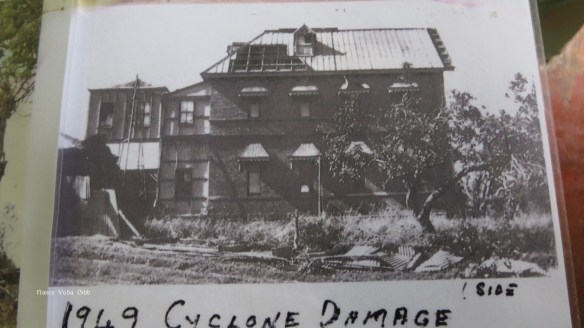
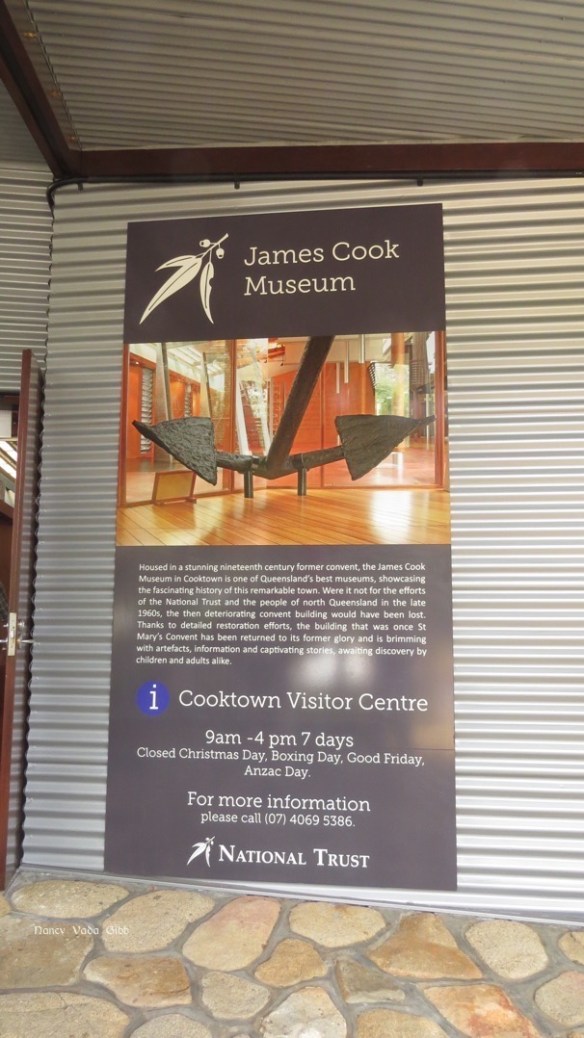
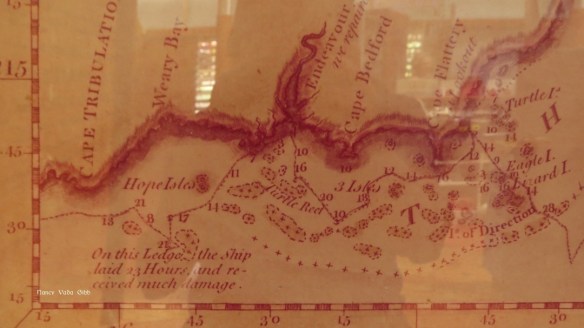
The Captain Cook Museum, now housed in an old restored convent, was wonderful.

IMG_1862

IMG_1863

IMG_1869

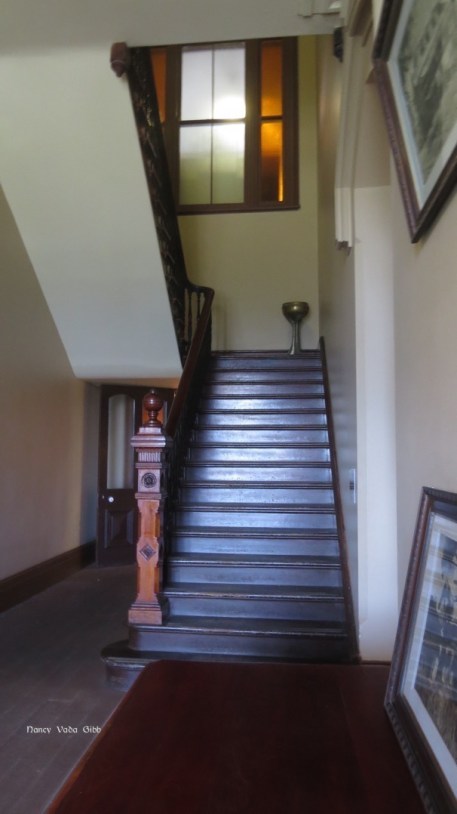
Only the nuns were allowed to use the grand staircase, the students used the other much narrower an d steeper one(their dormitory was upstairs).

IMG_1875

IMG_1873

IMG_1864

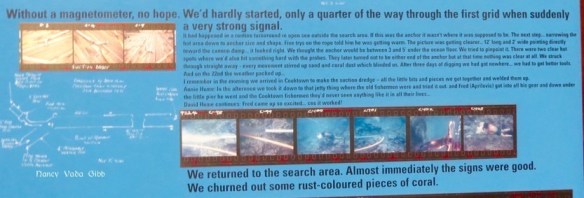
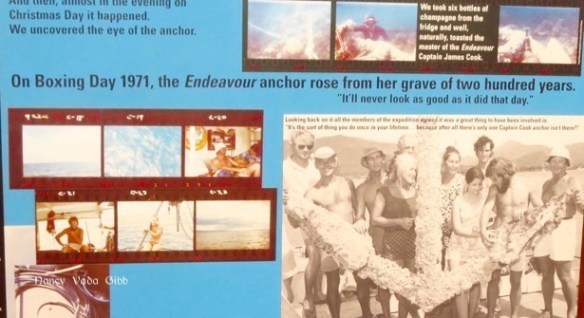
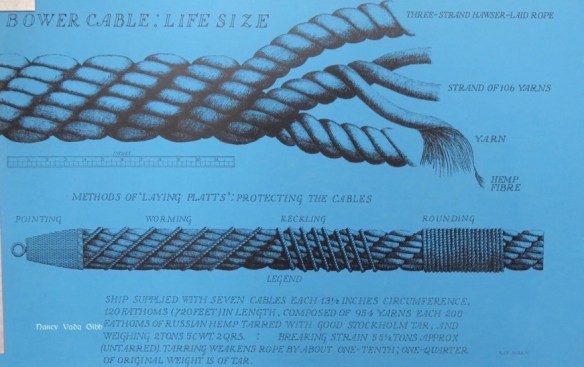
An original cannon and anchor from the “Endeavour’ were on display, having been recovered in the 1970s and carefully restored. The (new) stock on the anchor had to be made by hand as the hardwood used, similar to the original stock, was too hard for modern power tools.

IMG_1867

IMG_1866

IMG_1865

IMG_1886


IMG_1868

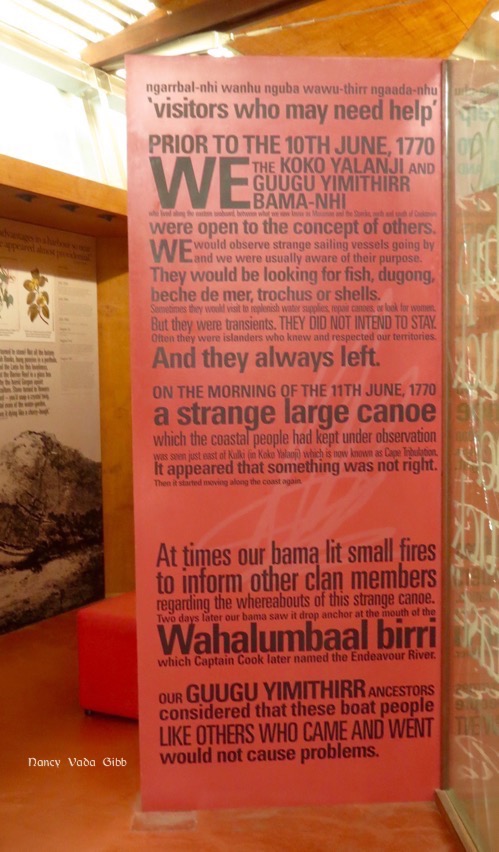
It took ages to read all the extracts from Cook’s and Banks’ journals (not shown in photos)  but sitting there not far from the place it all actually happened made it all more enthralling. An interesting facet of the display were stories handed down to their descendants by the aboriginals who first encountered Cook and his crew, the first white people they’d ever seen.

IMG_1889

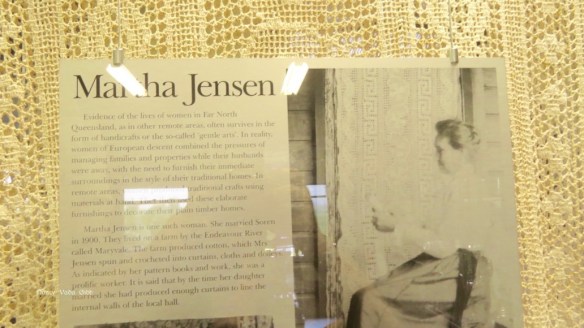
The old Convent had many other historical displays ….  this lady crocheted enough curtains to line a hall! She kept a book full of newspaper crochet patterns.

IMG_1882IMG_1881IMG_1883


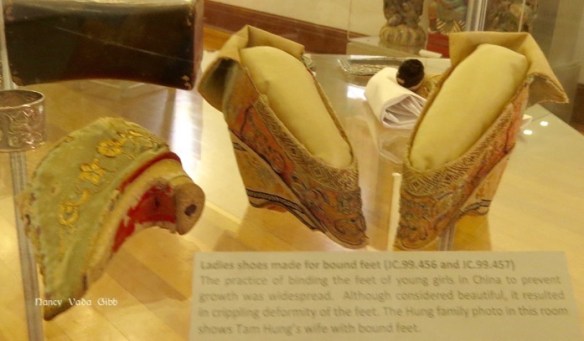
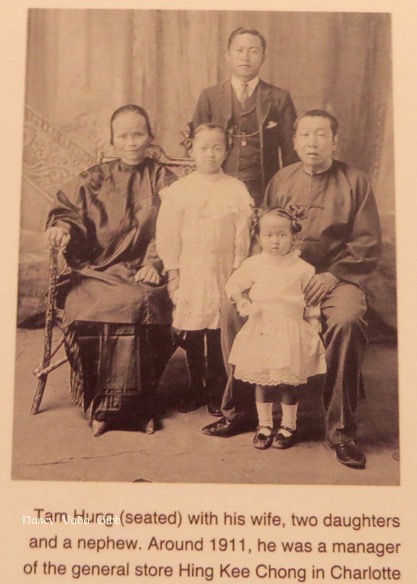
There is an important Chinese section… the shoes were worn by the mother in this photo.

IMG_1871

IMG_1872

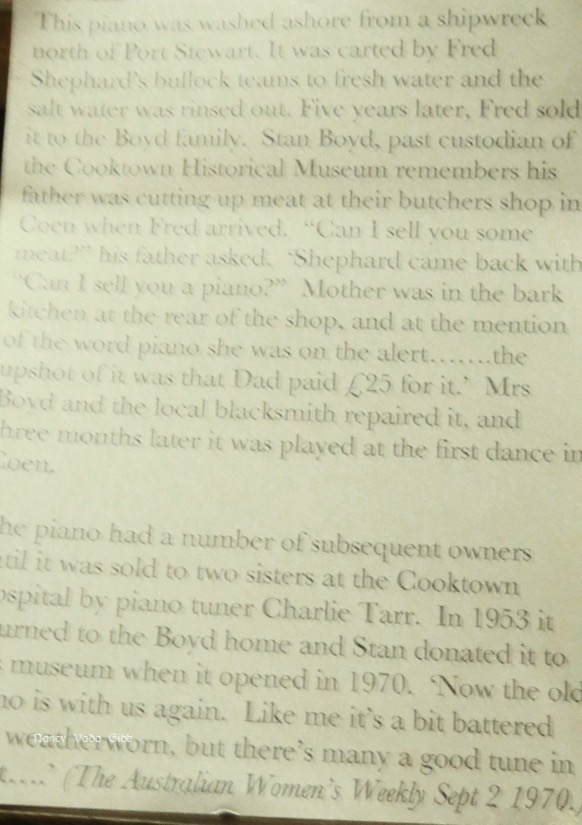
A piano with a history. Very difficult to take photos – apologies for the poor quality but it is such an interesting story!

IMG_1878

IMG_1876IMG_1877


159. The Mulligan Highway to Cooktown

We made it! Cooktown, the most northerly place we hoped to reach on this six month tour of eastern Australia.

Here’s an enlarged piece of the map from the last blog.

IMG_2046 (1)

The white ‘road’ (Burke Developmental Road) from Karumba to Cairns via Dunbar (take note Nic’n’Mick! – it’s at the highest point) and Chillagoe tempted us but it is not all surfaced and there is no diesel available en route. We are sadly not equipped for that sort of outback adventure. It goes close to Mount Mulgrave station where Evelyn Mansell lived in 1912-1918, so graphically described in the wonderful book “S’Pose I Die” by Hector Holthouse. Highly recommended reading.

IMG_1791

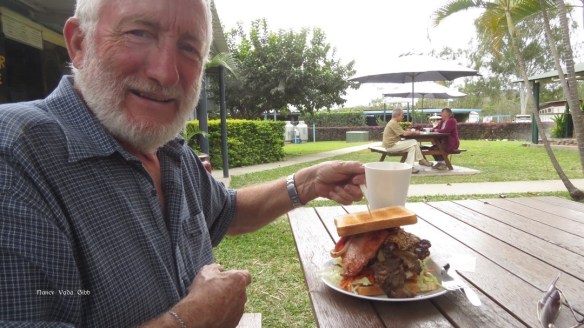
The road from Mareeba to Cooktown, the Mulligan Highway (shown in purple), took us nor’west from the relatively dry savannah grasslands of the Atherton tableland, through the old mining townships of Mt. Molloy (copper and timber) and Mr. Carbine (wolframite; the town was named after the Melbourne Cup winner), and then finally north east to the coast. Along the way we stopped at the Palmer River Roadhouse where Dave ordered the Mighty Palmer River Steak Sandwich which for $15 boasted of containing “steak, bacon, egg, pineapple, onion, cheese, lettuce, cucumber, beetroot, tomato and carrot”. Not the best steak sandwich Dave has ever had. My order was much more modest.
IMG_1802

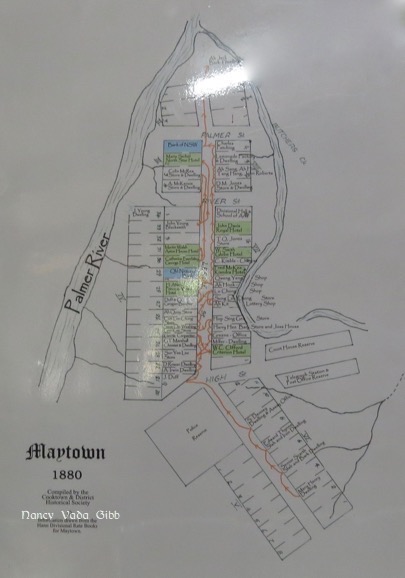
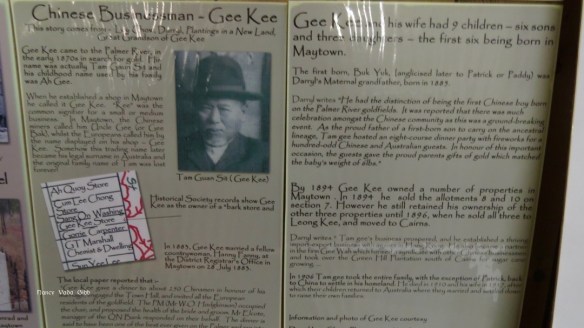
To my surprise there was a little local museum in the roadhouse and it held a genealogist’s unexpected treasure, a rate collector’s record of everyone in the township in 1880. Historical records of many of the families named have been collected and displayed.

IMG_1807IMG_1808IMG_1809IMG_1810

We came to the Byerstown Range, a steep climb with an amazing but too-misty-to-be-fully-appreciated view of the land to the northeast….

IMG_1814IMG_1815

….. and looking back south.

IMG_1799

Grandy and Westie looked so nice and shiny, a state which was not to last much longer.

IMG_1819

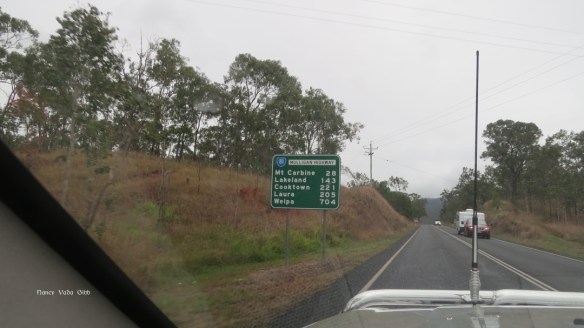
A sign reminded me just how vast the country is ….

IMG_1817

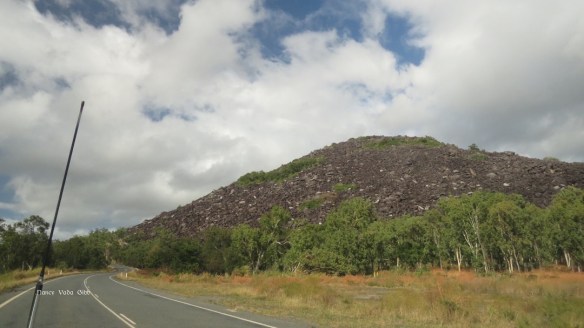
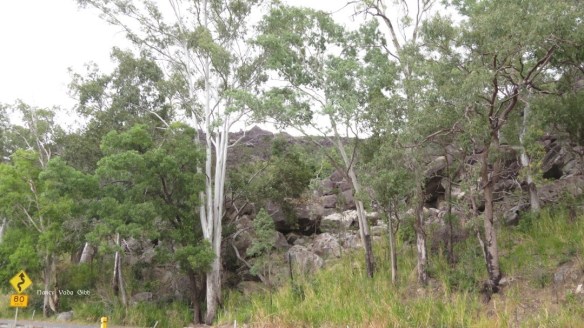
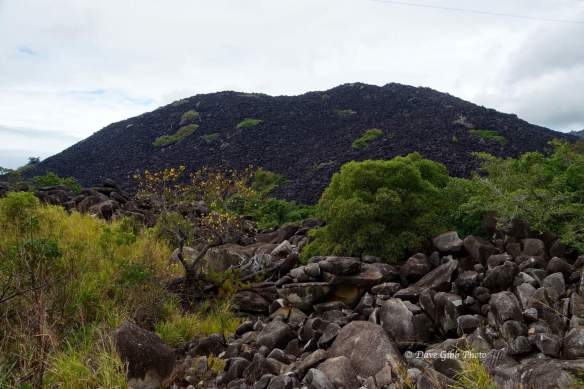
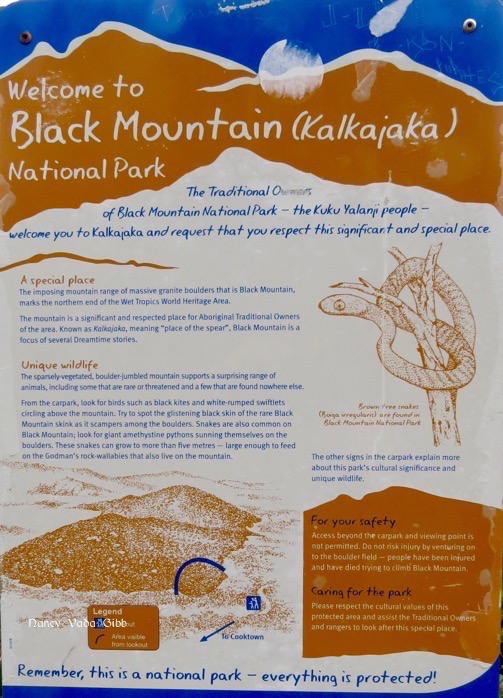
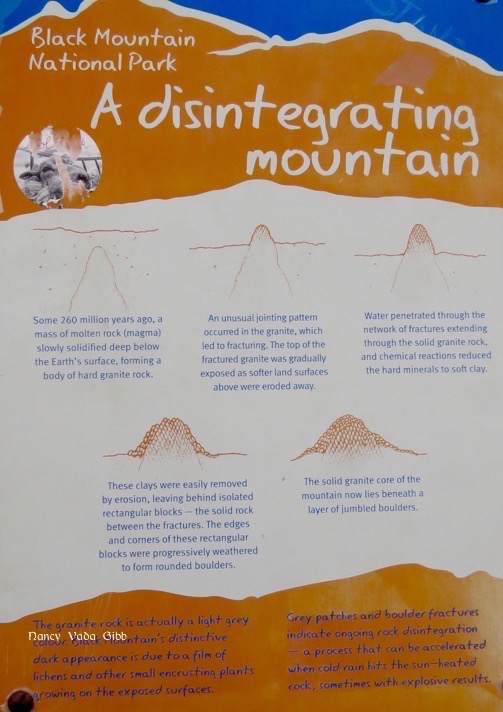
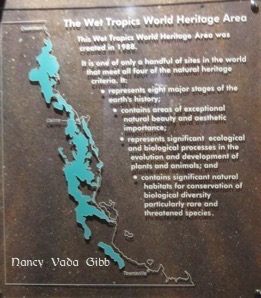
Downhill again, then while still 28 km from Cooktown we came to an astonishing sight – what looked like huge mountains of black mine tailings or rubble, very curious after many kilometres of well-wooded savannah land. It was indeed a special place, which the signs told us marked the northern end of the Wet Tropics World Heritage Area.

IMG_1926

IMG_1835


Black Mountain01

it was like that on both sides of the road.

IMG_1828

IMG_1829

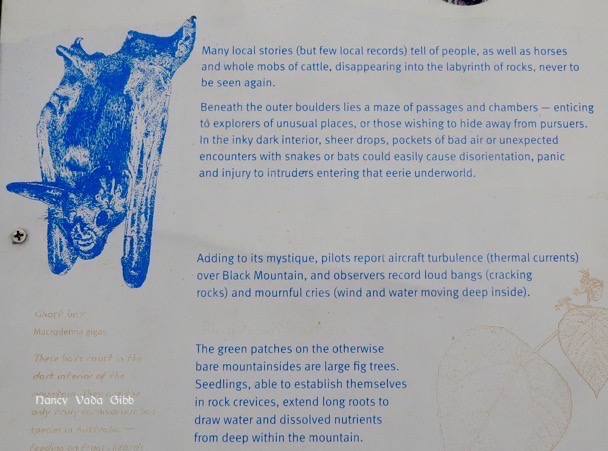
People, horses, whole mobs of cattle have disappeared ….

IMG_1826

IMG_1827

The nearer we drew to the coast the more tropical the scenery became. There were more creeks and rivers to cross.

IMG_1821IMG_1793

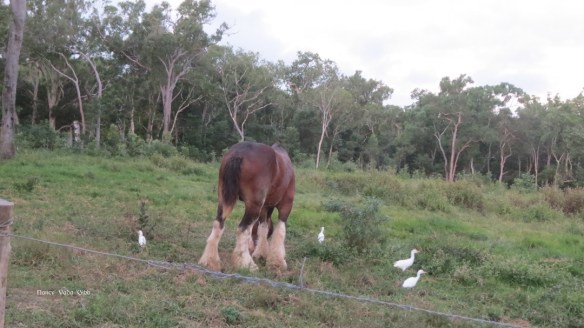
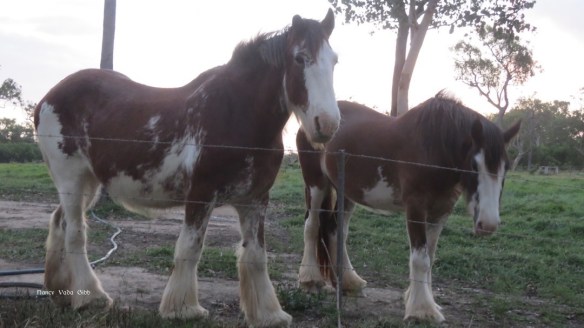
And so to Cooktown. The Endeavour River, where Captain Cook beached the “Endeavour” and made repairs, goes through Cooktown and meanders north. We were camped on a private property, the ‘Endeavour River Escape’ on the banks of the river about 5 km out of town. It is an environmentally certified working farm breeding Clydesdales and growing Red Panama Passionfruit, with good amenities including hot showers, the water being heated by a fire and/or solar. There was no WiFi, no TV reception, not even mobile reception.

IMG_2032IMG_2031IMG_2029IMG_2028IMG_1922IMG_1921

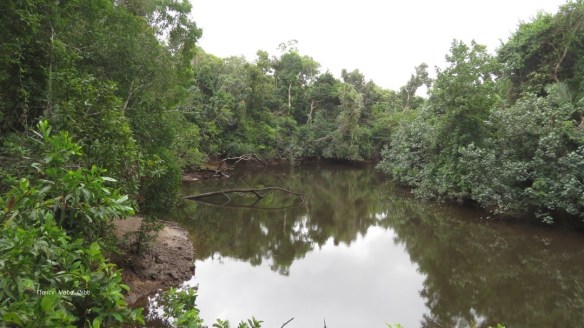
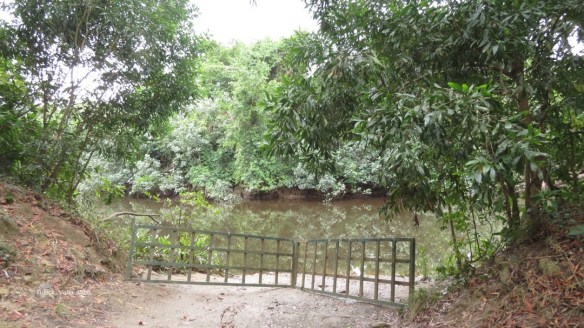
A few minutes’ walk from our campsite took us to the river. We’d been warned not to go beyond the barrier … crocodile country!

IMG_1839IMG_1840IMG_1841IMG_1843

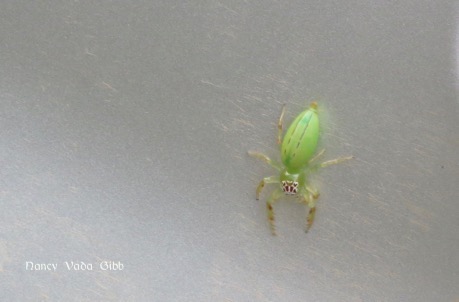
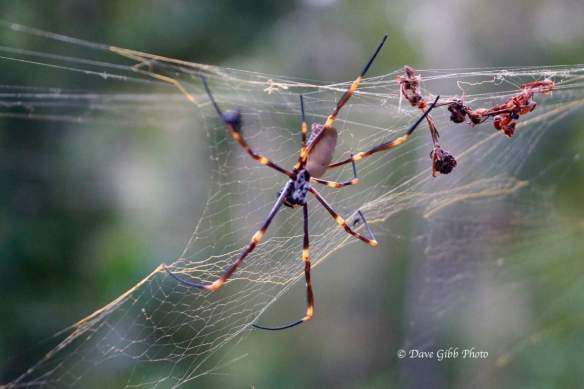
Yes it did rain .. it’s a wet rainforest area (!). Green ants were everywhere but did not give any trouble. This is not a green ant but a cute little bug which tried to hitch a ride on the car. Dave also spotted a few spiders.

IMG_1924

Granite Gorge Cooktown05

More about Cooktown in the next blog. I’m trying to keep the blogs shorter I can post them more quickly.

158. Herberton and the Bat Hospital

When we drove from Mt. Surprise to Mareeba we did not stop to explore any of the tableland towns, but now with the window glass ordered and various caravan parts in hand we had more time to explore. Herberton beckoned. Here’s a map to show where we’ve been recently and where we are going.
IMG_2046

The Herberton Heritage Village is said to be one of the best known living museums in Australia. It was certainly large and beautifully maintained, on a gently sloping grassy site with plenty of walkways between buildings.

IMG_1715

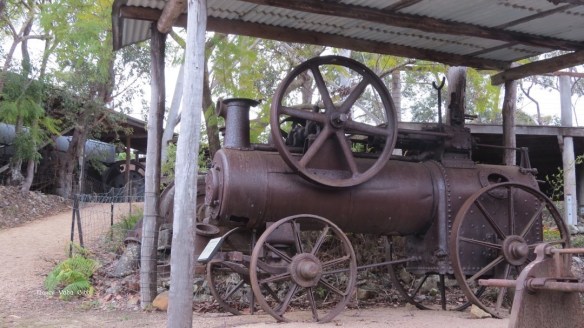
There are over 60 restored period buildings chock full of relevant items, many antique motor vehicles, tractors and other machinery.

IMG_1742

IMG_1721

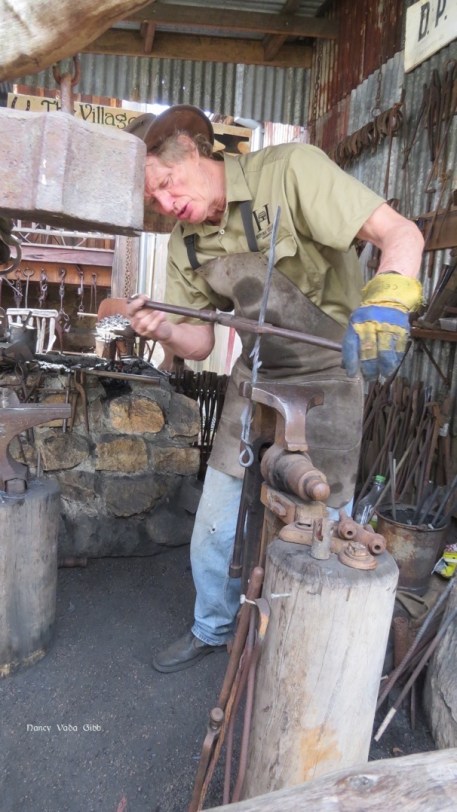
Many are still in working condition; we were lucky to catch the huge old steam engine working but missed the vintage motorcycle (or at least I did).  A modern-day blacksmith worked with made souvenir items while we watched.

IMG_1735

IMG_1723

IMG_1733

The shop had a beautiful collection of golliwogs …

IMG_1707IMG_1756

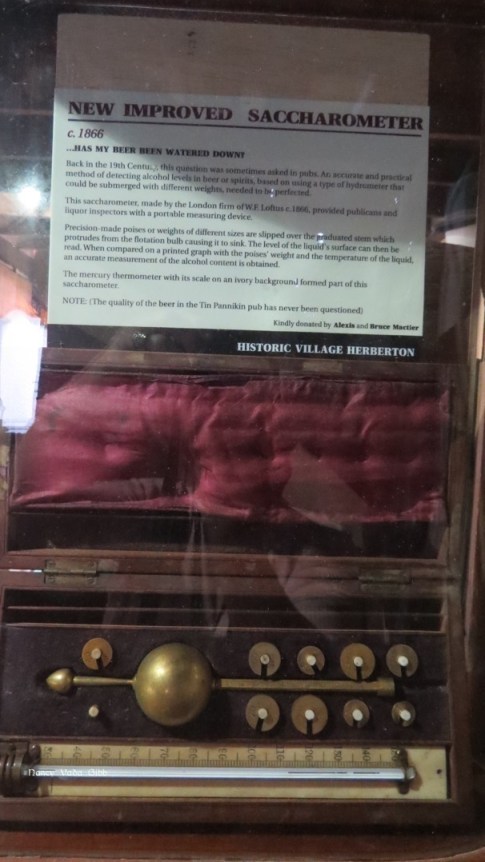
The old pub was well equipped … (it was the only building not an ‘original’)

IMG_1708

IMG_1711

This old wedding photo caught my eye, the couple look so happy and full of anticipation, not like the usual stiff (and probably scared) stony-eyed pair. IMG_1714

Intricate sequin work on an old gown. IMG_1717

IMG_1716A restored hearse complete with plumes. The coffin, although vintage, was “never used”.

IMG_1725

I used to love the coloured  bottles in the local chemist’s shop, in fact all coloured bottles ..IMG_1719

IMG_1720IMG_1737IMG_1738

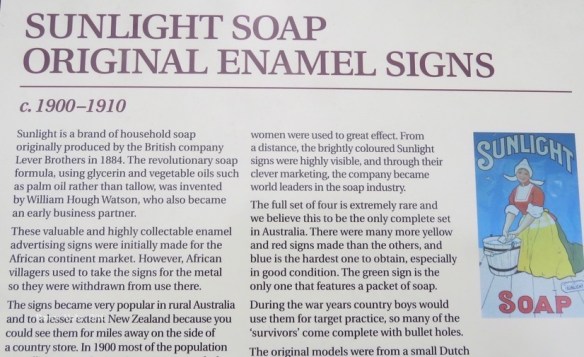
Sunlight soap signs. I will look at them differently from now on!

IMG_1739IMG_1740

The toy shop … with working automaton made in Paris in 1896. The clowns move their heads and the one on top extends his legs and lifts one hand.

IMG_1747

IMG_1749

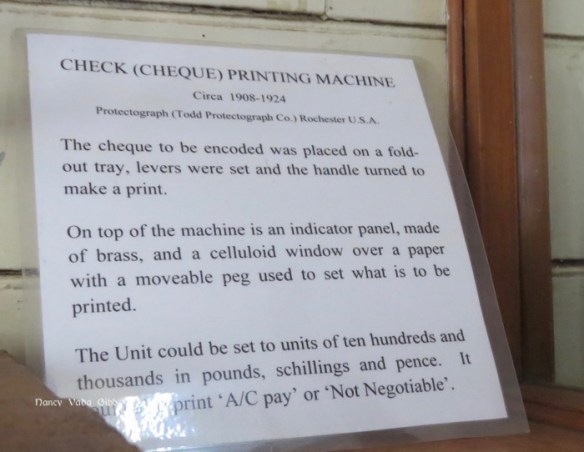
IMG_1743A cheque printing machine in the old bank.

IMG_1753

IMG_1750

IMG_1754On our way ‘home’ we turned off near Tolga to visit the Bat Hospital. When I first arrived in Brisbane in about 1990 I spent time with an old school friend who was an injured wildlife carer – which included bats. I was with her when she took her orphaned flying fox which she had reared since he/she was about ten centimetres long to the bat halfway house, where he had to learn to socialise with other bats and eventually be released. So I was keen to see more bats!

Australia has more than 90 bat species and more than half are found in tropical north Queensland. They are roughly grouped into microbats and megabats (the spellcheck kept on turning that into megabits); the two groups generally have quite different lifestyles, diets and habitats.

The hospital is almost entirely self-funded (“she spent her inheritance”), depending on donations and volunteers during the busy season. On the Atherton tableland, the bat breeding season coincides with the onset of the tick season, consequently there are many tick-paralysed adult bats with babies. When we visited the season had not yet started and there were almost no babies. However we did see a few which had been brought in for other reasons.

IMG_1763

IMG_1759

The yellow dots are camouflage to help them blend in with leaves on trees. This young one was waiting to be fed mango juice, sucking it from a syringe.

IMG_1760

The hospital building had several dedicated rooms, with varying equipment – hanging wire racks, chains, etc – and even an incubator. All very clean and tidy and ready for the onslaught expected in a few weeks’ time. A charming young woman took time to explain everything carefully. There were also lots of informative signs.

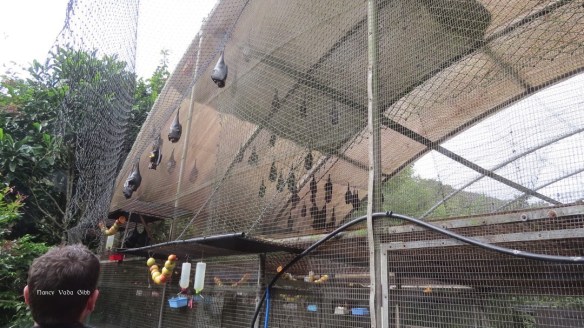
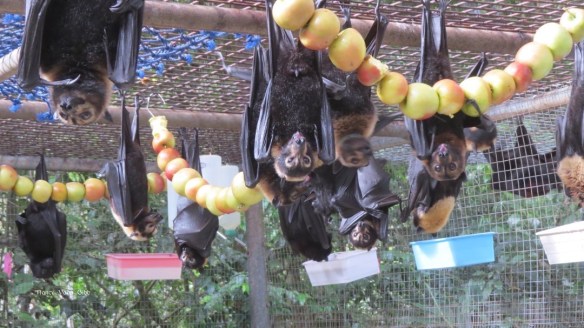
The main attraction was a huge cage full of squeaking flurrying beady-eyed adult flying foxes, all hanging upside down among festoons of apples. This was actually the half-way house; the bats were free to go outside and fly away but preferred to stay where they were. There was provision for ‘outside’ bats too. I don’t know how many exited each night then returned.

IMG_1778

IMG_1777

Although a bat spends most of its life upside down, they right themselves temporarily when they want to have a pee!

IMG_1774

IMG_1780

This is how they get a drink – they dive-bomb the water then swoop up at the last minute, enjoy the ‘shower’ and fly up to lick the moisture off their bodies.

IMG_1765

157. Granite Gorge

We  made a day trip to Cairns, 62 km via a very twisty road down the mountain. We didn’t stop to visit Kuranda, that will be for another day.

IMG_1669

Once in Cairns, noticeably hotter and more humid than Mareeba, full of palm trees and overshadowed by the mountains, the GPSr worked overtime as we sped from one caravan spares place and/or cabinet maker and/or Jaycar electronics shop to another. By good fortune the local Jayco (caravan) dealer had just three of the cupboard drawer hanger/guides – which had been removed from their catalogue a while ago but fortunately still kept! We called in at one of my early schoolteachers’ retirement village but although she was “somewhere around” she wasn’t at home and we had to leave, but now armed with her phone number next time we can give some warning.

IMG_1671

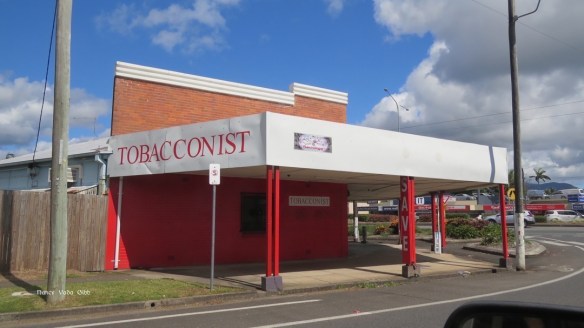
Notable in Cairns, as in Mareeba, was a shop selling just cigarettes.

IMG_1670

The big Mareeba market was scheduled for that Saturday so off we went. It was HUGE. One thing that distinguished it from most other markets seen so far were the large number of plant stalls selling large beautiful bromeliad plants in a huge variety of colours and shapes. Lots of fruit and vegetable stalls featured all the usual stuff plus avocadoes, pineapples and sev real varieties of kale. We disgraced  ourselves with two huge twists of sweet potato (never called kumara here) dredged with salt and cheese; then finished off with ice creams! (Sorry no photos).
The annual Gold Panning competition was under way. We stopped to watch but didn’t see anyone make a big find. Some competitors swirled frantically, probably knocking most of the gold out with the initial sand mix. Dave bought a modern-style ridged plastic gold pan …. we shall see if it works when we get back to NZ.

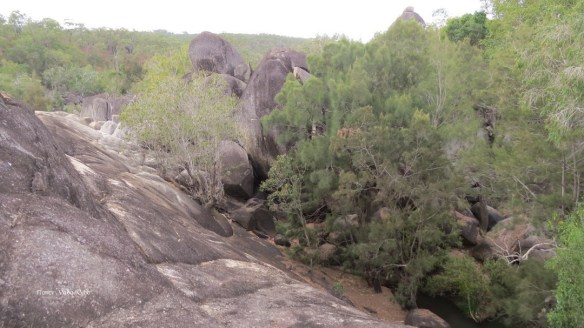
After a morning relaxing, doing some washing and catching up with emails, Dave had cabin fever so we made an afternoon trip to nearby Granite Gorge. A highly regulated area which includes a camp, it still provided an interesting stroll along a well-marked track over huge rocks, with rock wallabies spotted every now and then.

IMG_1702

IMG_1699

IMG_1698IMG_1696

It is apparently a tourist coach stop which provides bags of wallaby food so that everyone is guaranteed to see a couple of wallabies within a very short time!

IMG_1701

IMG_1693IMG_1690IMG_1689IMG_1686Granite Gorge Cooktown01
Granite Gorge Cooktown03

I was talking to this cocky and giving it a scratch, then we went round  to the other side of the cage and a sign said to keep fingers away, they bite (!). I think he enjoyed all the attention. He shouldn’t be in a cage anyway.

Granite Gorge Cooktown04Granite Gorge Cooktown09

156. Mt. Surprise & Mareeba.

After surviving the corrugations back to Georgetown without further mishap, we made good time to Mt. Surprise where we stayed for two nights in a small campground optimistically called “Planet Earth”. It had several large mango trees as well as some flowering trees…..

IMG_1605

IMG_1603

IMG_1606IMG_1607

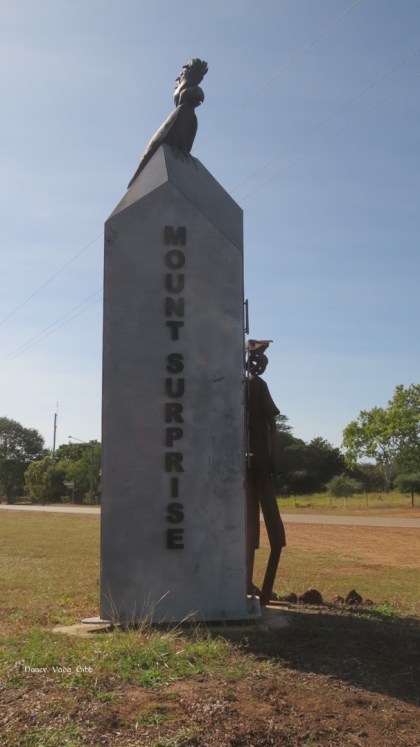
….. and on the second night we enjoyed a plate of barramundi, salad and chips with some of the other residents at the ‘cafe’. Mt. Surprise didn’t have many surprises but it did have an interesting ‘entrance’ and one claim to fame as a radar station during WW2.

IMG_1613

IMG_1609

IMG_1616

IMG_1618

Regarding mangoes – we have been seeing isolated trees and even plantations ever since Croydon. it seems the custom now is to give them crew cuts, doubtless to make harvesting the fruit easier. It is the flowering season and the trees are easy to identify with their wavy reddish flower spikes. Alas we will not be here when the mangoes ripen – bad timing(!).

The road east alternated between one-lane uneven seal and good two-lane marked seal. The distant mountains gradually became closer.

IMG_1599

It was amazing how the scenery changed in less than a day, going from distinctly Outback (red/ochre earth, spiky grass, pointy red anthills and droopy gum trees) to tropical Tableland (mountains, mist, thick green grass, large squat grey-brown anthills and different trees).

IMG_1620

IMG_1639

Here’s an even larger anthill …

IMG_1646

We sped through Herbert and Atherton, intending to return for a more leisurely visit another day, and reached Mareeba in good time. There are a  number of large commercial camps at Mareeba but we had no trouble getting place at the Rodeo show ground. The organisation there is awesome, all caravans in neat rows, plentiful rubbish bins all precisely aligned, good clean facilities, polite notices reminding us that water is precious, etc. A sign over the washing machines says to check the colour of the water first! There were some gorgeous sunsets.

IMG_1675

IMG_1674On the way to the camp we passed the cemetery. A huge number of mausoleums no doubt reflect on the large Italian population which arrived after WW2. I have never seen that number of mausoleums in Australia before.

IMG_1788

First stop after setting up, an automotive glass supplier. After expressing surprise that the jeep’s window was still holding together, thankfully they said they could fix or rather replace it but would have to order the glass from Brisbane, so we stayed in Mareeba five days. There were a number of other things Dave needed for the caravan but few were available in Mareeba so we did a day trip to Cairns (next blog).

IMG_1641

IMG_1680

We also took one of the kitchen drawers to a cabinetmaker. The plastic ‘drawer hanger/guide’ at the back had broken off during the ride to and from Forsayth. We were told that we’d be very lucky to find any more of those plastic stops! West was built in 2001 and styles have moved on since then.

Mareeba has a large visitors’ centre associated with a historical village, well worth a visit.

IMG_1663

IMG_1664

IMG_1645

Realistic school exhibit!

IMG_1644

Old butter churns.

IMG_1651

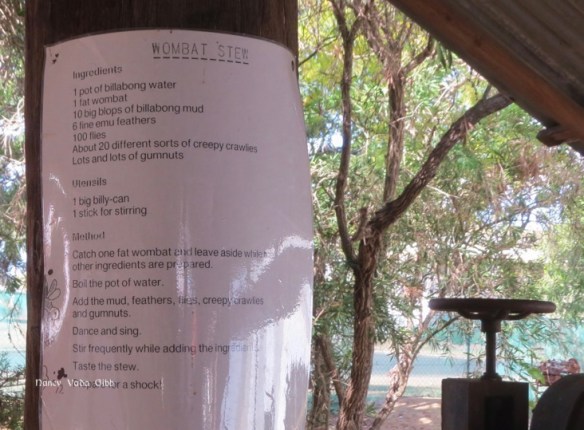
Wombat stew, anyone?

IMG_1649

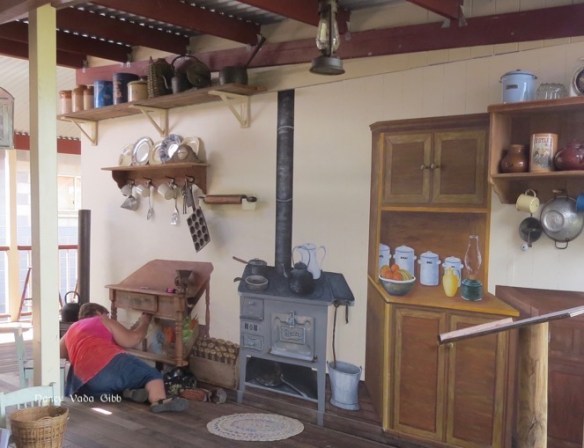
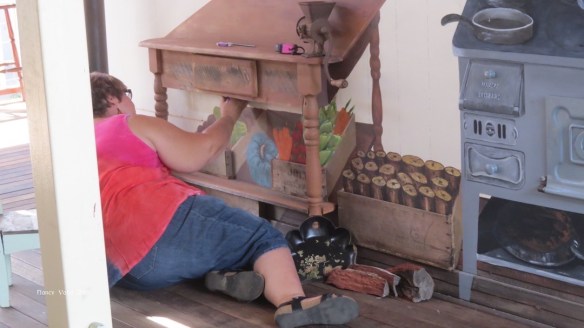
This lady was preparing a new exhibit, part of a restored colonial house. Only the shelves above her are real, including a very short one directly above her hand, plus the one at the top right.

IMG_1647

IMG_1648

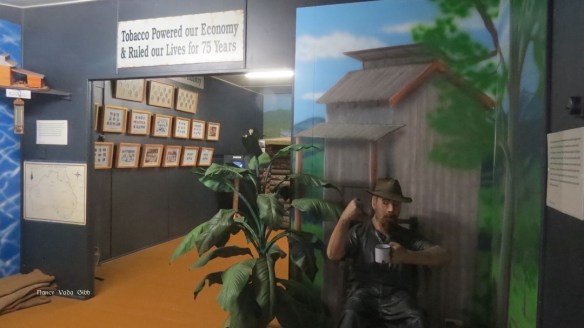
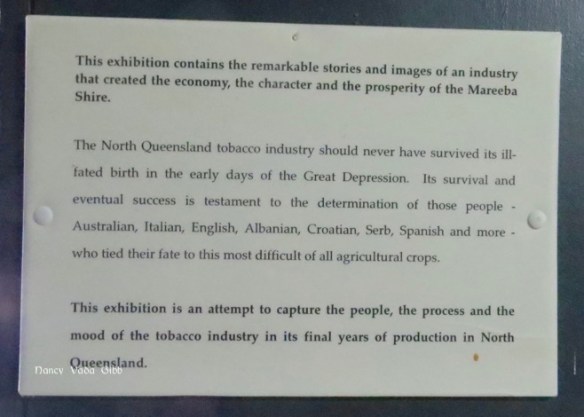
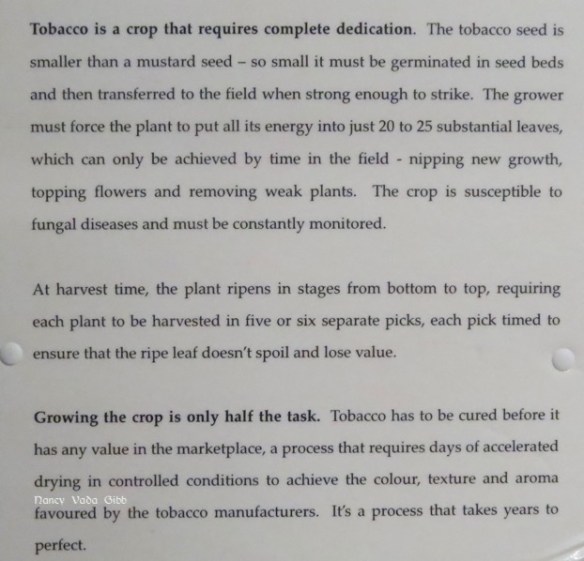
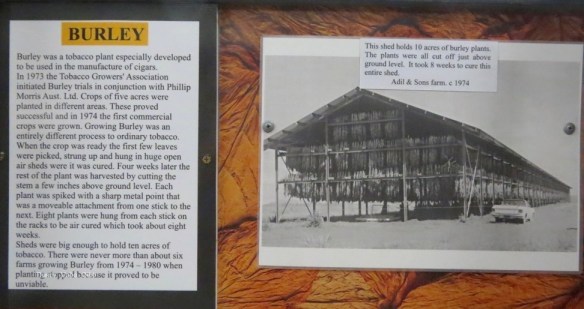
The piece de resistance for me was the Tobacco Exhibition. The North Queensland tobacco industry was centred around Mareeba. I was amazed to learn how labour intensive growing tobacco is/was, and how many different types of product there were. My photos tell the story.  Tobacco seed is the smallest seed in the world!

IMG_1652

IMG_1653

IMG_1656

IMG_1657IMG_1658

IMG_1654

IMG_1659

IMG_1660IMG_1661

IMG_1655

More about Mareeba and surroundings in the next blog.