175. The Best-Laid Plans ….

THE PLAN: Leave the caravan and Jeep at Nic and Mick’s until we return to Australia some time next year.

Tuesday 11th: Caravan and Jeep to Caloundra for servicing. Collect late afternoon. Return to N&M’s.

Wed. 12th: Big clean-up of both including vacuuming etc. Cover both. Final packing.

Thurs 13th: Fly home to NZ.

THE ACTUALITY:

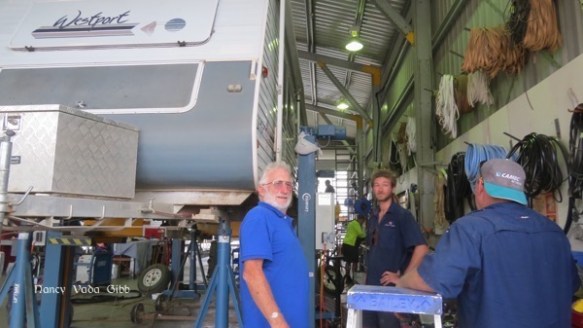
Tues 11th: Drove to Caloundra. A km or so before the caravan servicing place, there was a sort of crunch but we thought it was the road. Dropped off caravan at servicing place, drove to Jeep servicing place. Received a phone call …..


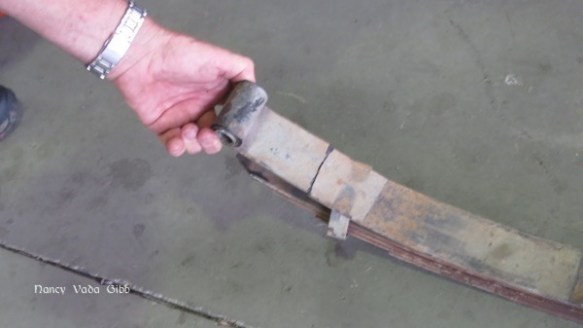
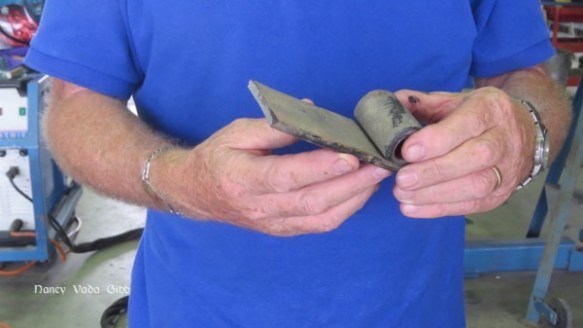
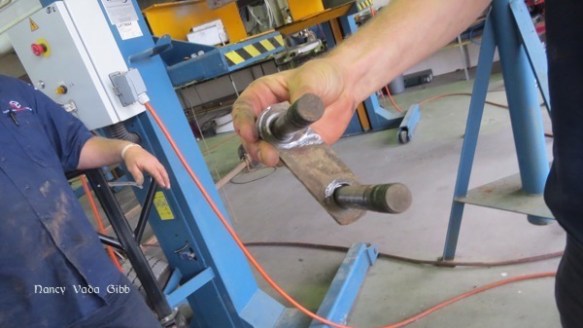
The crunchy bit was the spring which Dave had repaired in Mt. Isa, breaking …

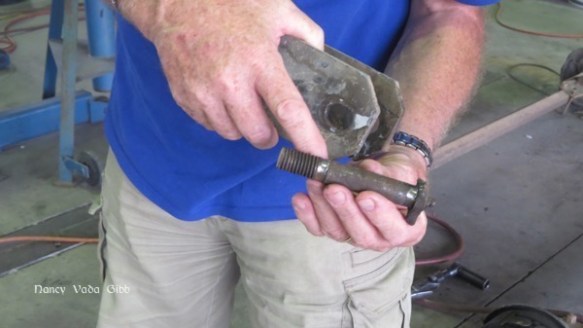
These are the spring pivots supposedly “serviced” when we bought the van in Melbourne, they did a great job on them.. not.

img_3407img_3409

img_3411

This is the spring leaf that was bent when the locating pin sheared on the road to Gregory Downs, I am amazed that it lasted so long but this was the main reason for taking it to a service place to be checked out, very lucky it was so close when it finally broke and we were able to limp the rest of the way.

img_3410

img_3413img_3417

SO the caravan will have to stay on the hoist for a week or so until they can get a new spring/springs. By which time we will be in NZ.

SO we were not able to access the caravan to retrieve my favourite NZ kitchen knife, empty the rubbish bin (including some sugar), do final cleaning, vacuum, insect spraying etc etc. Thank goodness all linen, the duvet, spare clothes, towels and so on are already washed and stored in plastic bags.

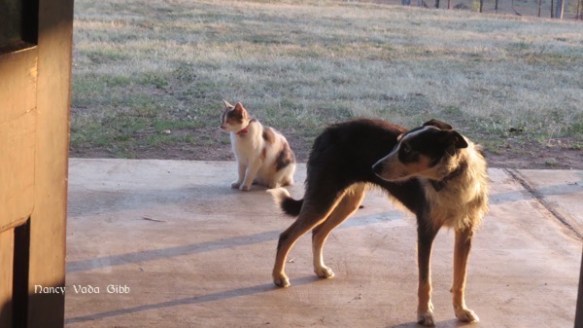
Apart from the above we have been enjoying the ambience at Toogoolawah, and caring for the dogs/cats/horses since we arrived last week.

img_3403img_3398img_3387img_3379img_3374img_3359img_3346

We made an earlier trip to Caloundra, with wonderful views of the Glasshouse Mountains on the way, but unfortunately we could not stop on the very narrow twisty road to take good photos.

img_3344

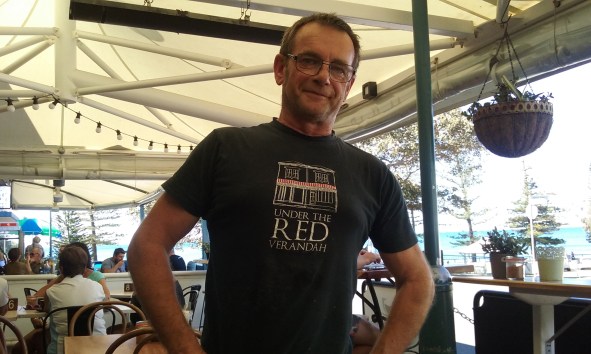
We had lunch at Moffat Beach, where the waiter just happened to be wearing a T-shirt featuring a Christchurch cafe! He said it was the first time he’d worn it for months, and couldn’t get over the coincidence…  (Photo by Dave)

20161005_140011

Dave managed to find time to have a snooze…

img_3333

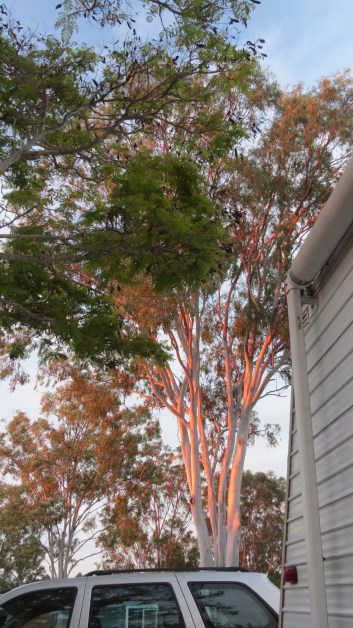
…and I investigated the flowering trees – a sign of Spring in Queensland, where daffodils and jonquils are sadly lacking …

img_3372img_3350img_3353

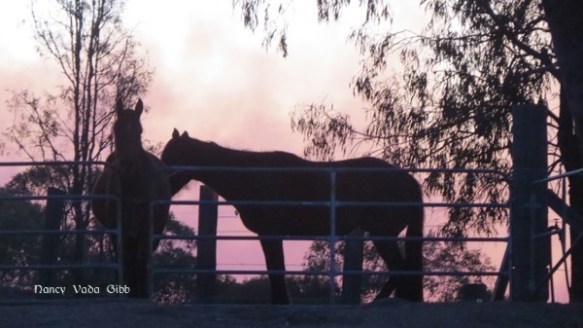
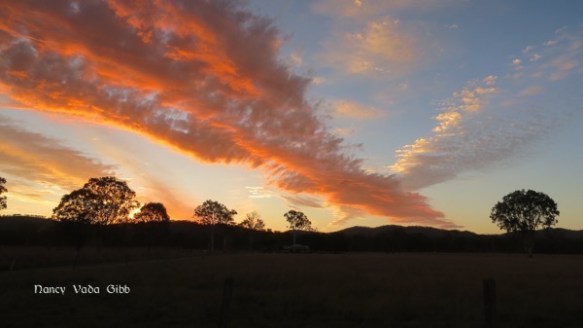
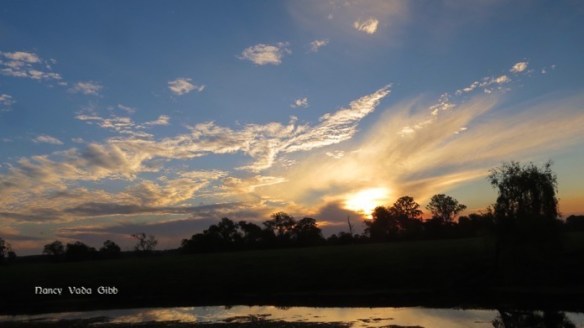
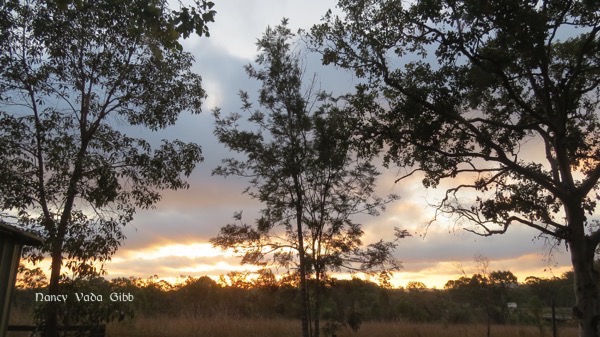
Sunrises and sunsets are always awesome around here.

img_3367img_3431

174. Last Australian Camp!

We had one more night before being due at Nic and Mick’s where we will be on house/horse/dog/cat/cattle-sitting duties until it is time to fly home two weeks later.

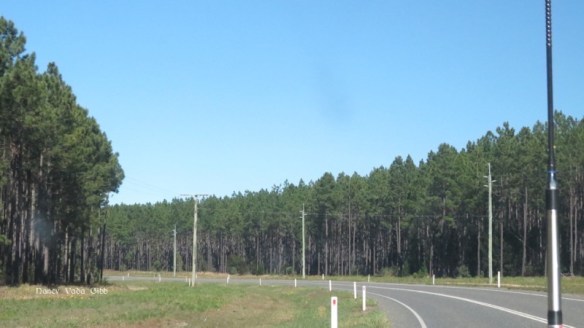
Leaving Tin Can Bay we drove through more hectares of pine forest ….

img_3229img_3226…. until finally we reached Gympie where we stopped for lunch and Dave explored the Gympie Gold Mining and Historical Museum. I decided some sudoku was more attractive. No photos from Dave – he had the wrong lens on his camera. No photos of the town either, I was too busy trying to navigate up and down the steep streets especially when we strayed off the highway.

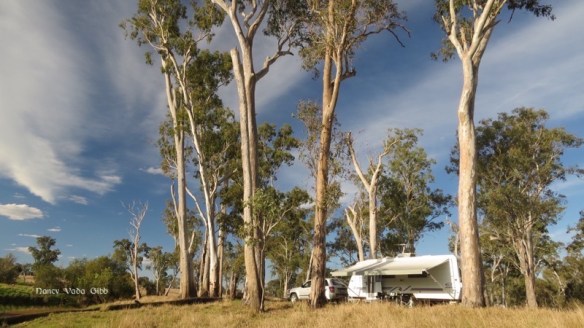
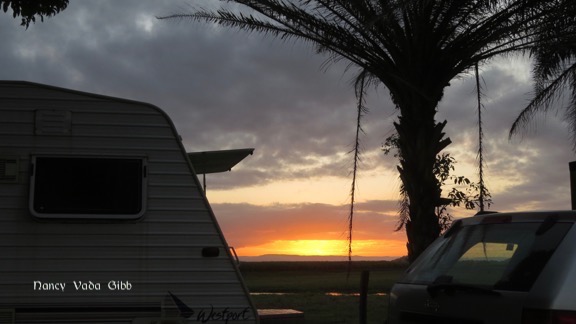
Our last night we spent in a remote bush camp somewhere on the road between Gympie and Nanango, in the South Burnett region of Queensland. Rather optimistically called Broadwater, there is a narrow creek beside which we camped and enjoyed a reasonable but not remarkable sunset, surrounded by bush noises and with only one other known camper well out of sight on the other side of the reserve.

img_3255img_3253img_3247

img_3245

img_3257img_3259

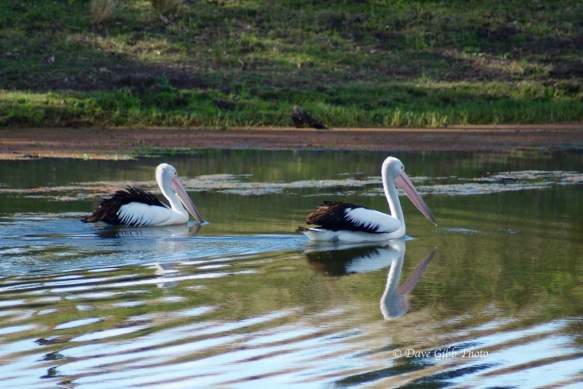
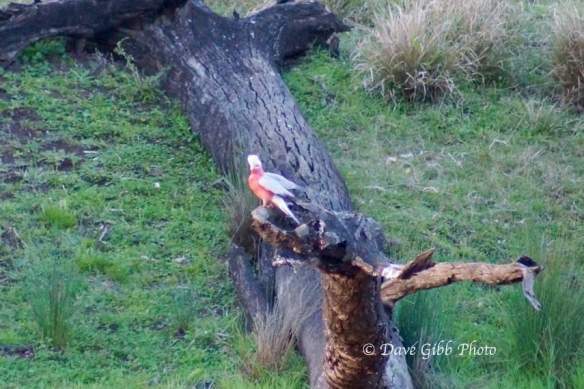
Dave went bird hunting ….

broadwater02broadwater01broadwater03broadwater04broadwater06broadwater08broadwater10

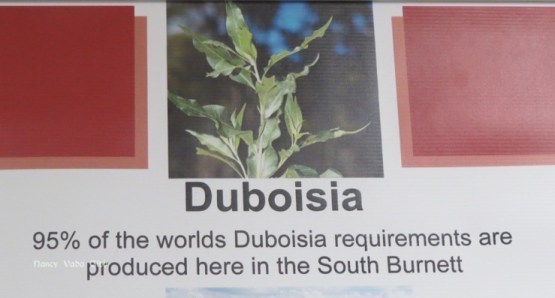
On the way to our final destination we stopped at Murgon and visited the Information Centre just in case there was something interesting in the vicinity. It was there I spotted this sign about Duboisia (the native Australian corkwood tree) with its useful medicinal properties.

img_3233

img_3234

The first commercial crop of about 5 acres was grown in the area in the 1940s. There are now approximately 1000 acres sown. The plant is propagated by cuttings grown in pots in a hothouse. It has a high water requirement. Up to two crops can be harvested per year.

Duboisia grown in the South Burnett region of Australia has a particularly high concentration of the tropane alkaloids scopolamine and hyoscyamine. The plant’s properties were known to the early aboriginals.

I think this is a Duboisia plantation, spotted a few days later.

img_3322img_3324

Also these are examples of Bunya nuts which I haven’t seen elsewhere. Dave charmed the information ladies with his Kiwi accent!img_3237

Next morning, we reached Nanango in good time for morning tea with Elaine and Frank, then on to Toogoolawah in light rain. Finally our destination came into sight:

img_3269-1

We are now camped in the same position as four months ago. We have done 19,650 km, seen many beautiful sights and had some wonderful adventures.

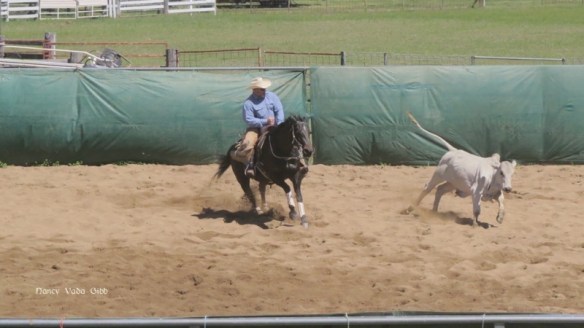
This was supposed to be the last blog for a while but seeing we are here for 2 weeks before flying home we do expect to see/do a few more things. As for example driving all the way back to Gomeri three days after passing through that small country town, to watch Nic and Mick doing some ‘cutting’ with their quarterhorses (we actually got there too late to see them). It was a huge weekend event with people – and horses – coming from near and very far judging by the size of some of the motorhome-horse floats.

img_3272

img_3278img_3280

Very loose reins, hold the pommel, guide with spurred heels … The horses were amazing, wheeling, backing, feinting …ears pricked, coats gleaming….

img_3291

img_3286

It was a fine day but very windy, therefore rather cool, and after some hours sitting in a grandstand watching the cutting it started to pall and the thought of some nearby wineries became increasingly attractive. So off we went for lunch at one of the  Barambah/Moffatdale wineries, which shall remain nameless. Nothing wrong with it, a reasonable atmosphere, pleasant wines, a small but adequate menu, nice scenery …. but not a patch on NZ wineries in my opinion. Still, we left with one of their champagnes and a Verdelho (the same wine in which my salmon was expertly cooked – but why was it Atlantic salmon and not NZ?  Think air miles, global warming, etc etc.  I asked the waitress but she had no idea).

img_3296img_3298img_3300img_3304

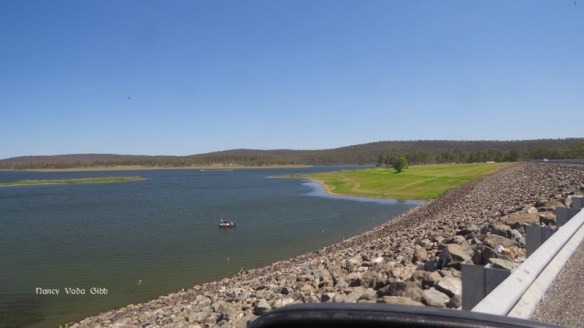
We also had a look at the Bjelke-Petersen dam (Lake Barambah). The huge camping site was chockers. People, kids and boats were everywhere. Not our idea of a peaceful camp, but there WAS plenty of water to play on and in.

img_3308img_3309

The water skiers were all just out of sight. Apparently the fishing here is very good.

img_3310

“What are those people doing in our pool?”

img_3317

img_3316

We have over a week left so will probably do some more exploring of the region; plus the caravan and Jeep should both have a service in Toowoomba before they get wrapped up and stored until we return some time next year. So, maybe one more Aussie Blog is to come??

173. Bundaberg

While in Gladstone we realised it was almost our last chance to visit a Great Barrier Reef island. Previously we’d turned down Green Island out of Cairns in favour of the Kuranda Railway. At Bowen we decided not to visit touristy Airlie with its numerous sightseeing boats around the Whitsundays. We skirted Mackay so missed the boats to the Northumberlands and Percy Isles. From Rockhampton we could have visited the Keppels but preferred to see family. Then at Gladstone we learned the only business with boats to Lady Musgrave Island (operating out of the Town of Seventeen Seventy) had two boats but one had sunk and the other was in Brisbane for servicing! That left Lady Elliot island at the very bottom of the Great Barrier Reef but it is now a high-priced eco-tourist resort and we only wanted a day trip.

I was particularly disappointed about Lady Musgrave island. Twice in the late seventies-early eighties I visited it on board “Cornelius”. Both times it took great care to negotiate the narrow dog-leg channel through the coral and into a large lagoon where we anchored and snorkelled and dived to our hearts’ content. It is still uninhabited although camping is permitted.

Oh well – onwards. Approaching Bundaberg we stopped at Lake Monduran for a cuppa and met a lovely couple heading in the opposite direction. (So sorry, if you are reading this, we didn’t even catch your names). Too often we meet like-minded people but plans to meet up again somewhere else seldom seem to materialise.

img_3000

img_3002

We didn’t have any plans for Bundaberg but on the drive there one of the roadside ‘fatigue zone’ quiz signs was about Bert Hinkler the famous aviator from Bundaberg so we determined to visit the Museum. It turned out to be an interesting treasure-trove located within the Bundaberg Botanical Gardens, where we had a reasonable cafe lunch and then set off to explore.

img_3005

img_3004

I thought I was museumed-out but this last one was good, particularly because it had several hands-on flight simulators. Here I am piloting one of Bert’s early gliders (this is the way he “sat” in the cockpit) …

img_3021

… a model of it on the beach … (you can see the pilot’s position)….

img_3015

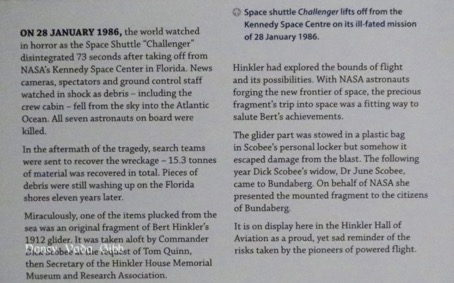
.. plus an amazing story about a fragment from that glider ……

img_3036

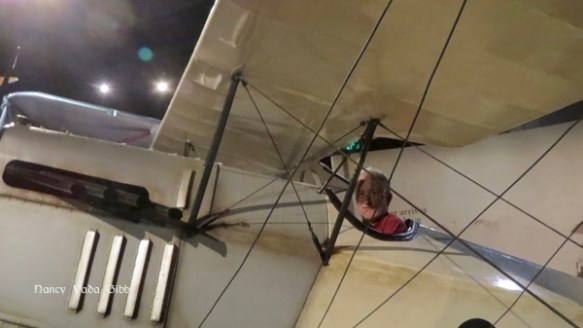
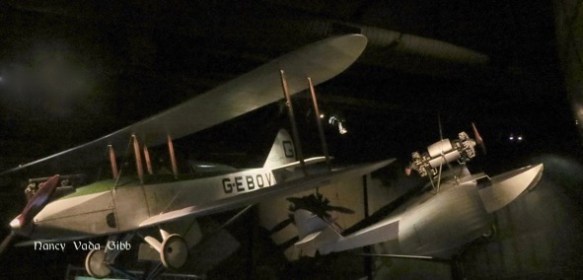
…. us taking turns in the cockpit of another very early plane ….

img_3025img_3031

…. and Dave piloting a Cessna Cub (?) which I also loved. Luckily there were few other visitors so I had several goes. I  ALMOST made it to the next airfield before running out of fuel and crashing. I now have a much better understanding of flying small planes!

img_3032

More planes … (hard to see in the dim light).

img_3039

Another unusual sign …. (what has happened to Cathy Freeman? – https://www.wyza.com.au/entertainment/where-are-they-now-cathy-freeman.aspx)

img_3035

Bert flew from Sydney to Bundaberg in 1921 in a Baby Avro. There was much excitement when he arrived ….

img_3011

img_3012

Bert lived in England for many years at a house in Southampton called Mon Repos.  In 1982 the house was listed for demolition but a long-time Bundaberg resident and Hinkler admirer organised the relocation of the house to Bundaberg as part of the Australian Bicentenary celebrations. A three-man dismantling team from Bundaberg pulled down the house brick by brick and shipped it to Australia in two 20 tonne containers. It was successfully rebuilt and furnished with some of Bert’s furniture which had been saved plus other from the same time period. 

img_3044

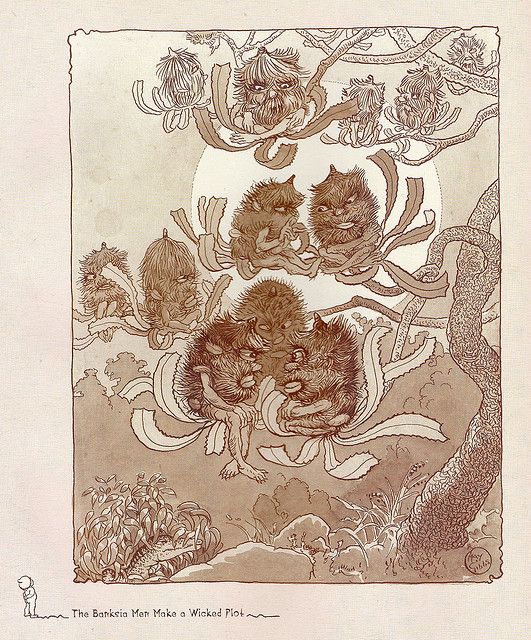
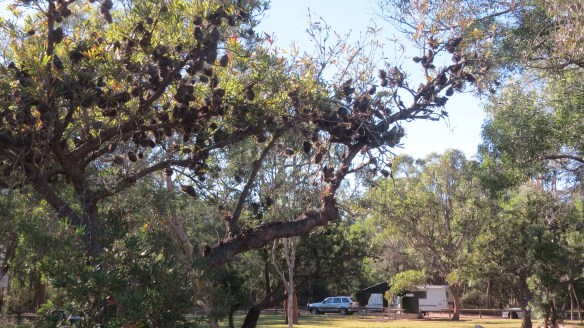
We did not stay in Bundaberg but continued towards Maryborough, spending the night at a free camp well guarded by Wicked Banksia-Men. Anyone who read the Snugglepot and Cuddlepie books when young will know what I mean! The dried seed pods used to fascinate me as a child.

img_3049

img_3059

img_3063

banksia-men-3

img_3050img_3059img_3060

img_3051

Wallum (Banksia) obviously has strong powers of regeneration.

img_3061

About to leave next morning, we noticed someone must have bashed into our rear bumper bar some time the previous few days. So disappointing – we have come this far without a scratch and now this. Fortunately all the lights still work.

img_3064

172. Heading Downhill – Rockhampton/Yeppoon & Gladstone

We chose a camp at Yeppoon rather than Rockhampton, to be closer to family. First – a burst hot water pipe had to be fixed. After visiting various caravan supply stores and plumbing supplies Dave finally found what he needed; then it was a fairly simple matter to make repairs although it did involve dismantling part of the shower.

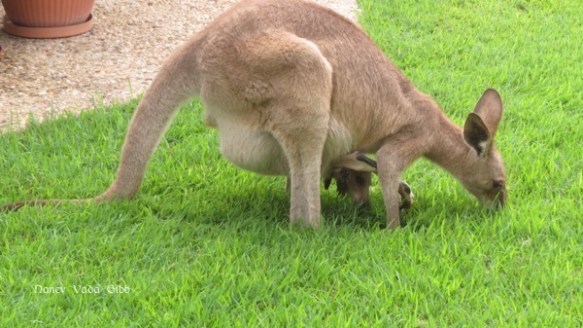
We didn’t stay very long, just a couple of visits and some lovely meals with two separate families This roo and baby were at the Yeppoon Adventist Retirement village, which I blogged about at some length last year ….

img_2949

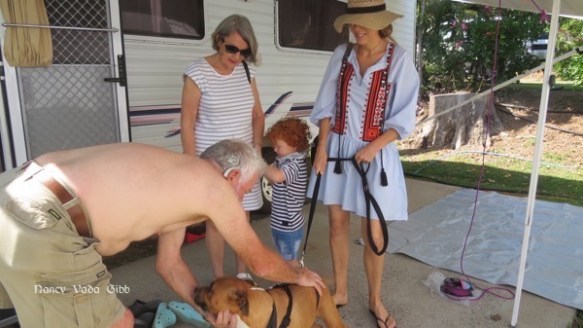
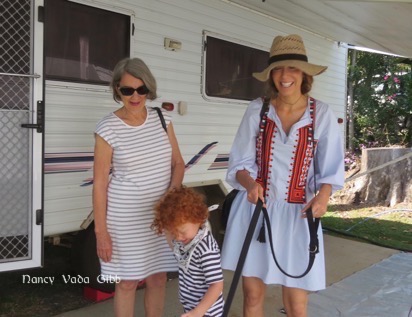
… and my other family, when  some of them visited the caravan….

img_2967img_2970

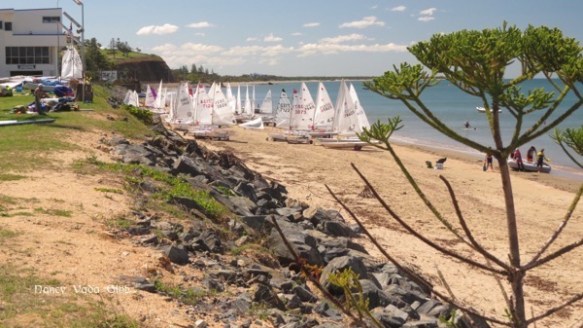
…… a quick drive along the waterfront where a flotilla of little boats were getting ready for a regatta ….

img_2954

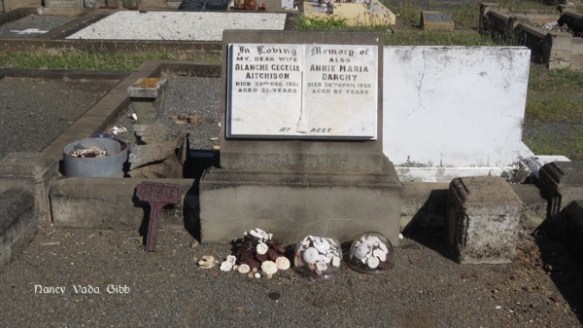
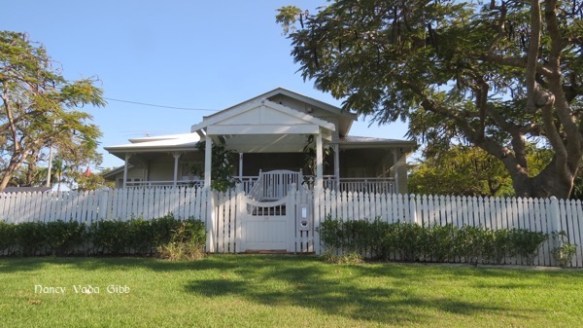
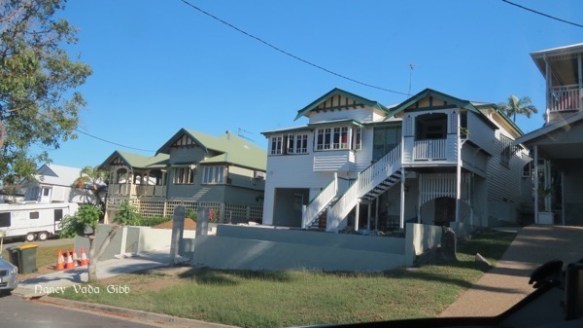
…… and a cemetery search to locate a couple of Darchys. For once the search was fast, aided by an excellent locator provided by the Rockhampton Council. My mother and aunt knew Blanche. We also looked for the house where they once lived, but it has been rebuilt. These are the houses on either side .. lovely old Queenslanders.

img_2958img_2963img_2962

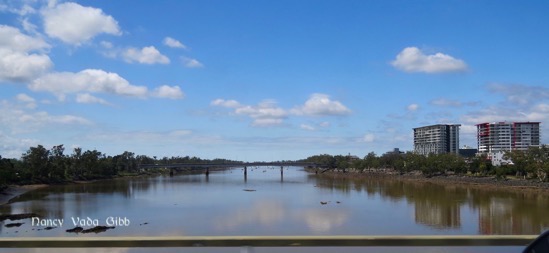
Then it was over one of the two bridges and down the coast to Gladstone.

img_2972

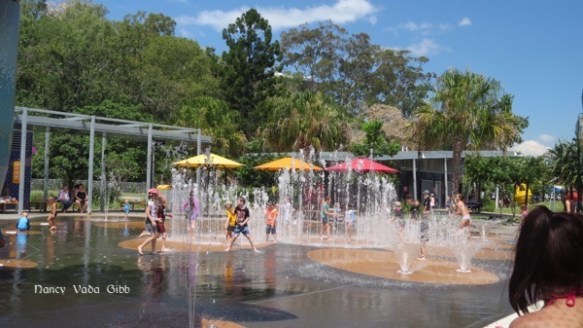
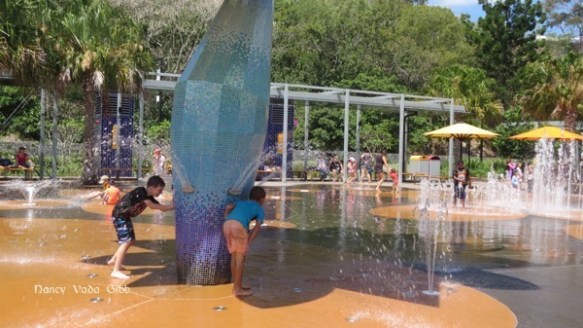
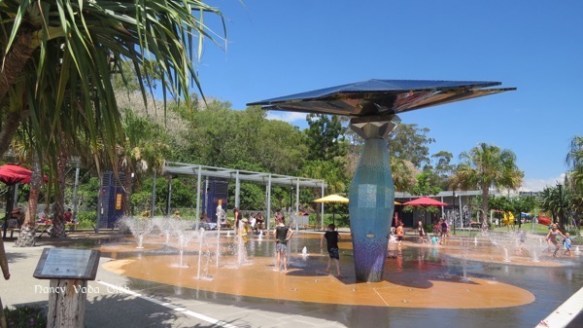
I wanted to visit Gladstone port, where we had tied up Cornelius all those years ago in early 1977 and where I first realised I was pregnant when the “seasickness’ which had mysteriously appeared on the sail from Sydney to  Lord Howe Island onwards refused to disappear. There is now a large children’s playground/park in the area, complete with a wonderful water feature which almost had me wishing I was five years old again!

img_2979img_2980img_2981

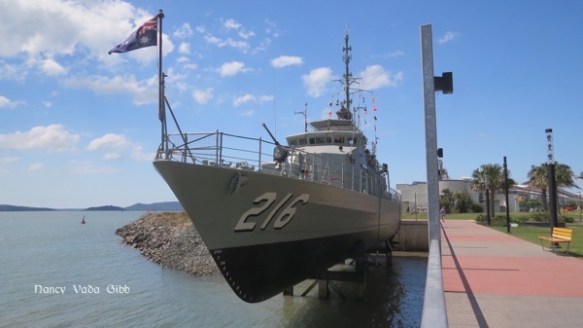
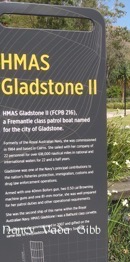
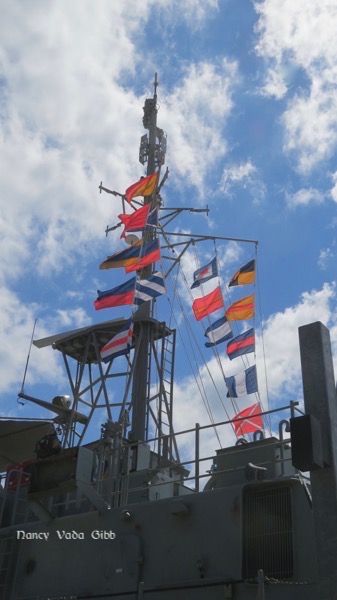
HMAS Gladstone II was also on display, somewhat incongruously hoisted a little way above the water.

img_2983img_2984           img_2986

I loved the signal flags, they reminded me that I once sewed a whole set for Cornelius. They were kept in a multiple-pigeonhole cabinet above the gimballed saloon table, and a couple of times we “dressed ship’ for special occasions such as when we towed the engineless Ahodori II down Sydney harbour and out to sea, at the start of the second (or third?) leg of Yoh Aoki’s single-handed voyage around the world.

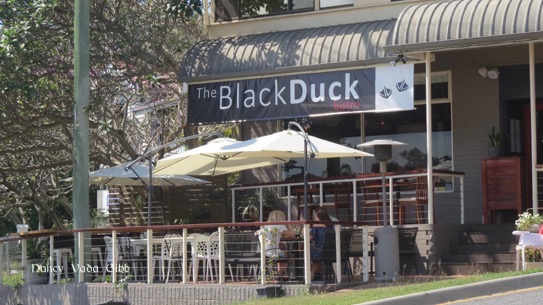
Feeling famished we stopped at the Black Duck cafe near the waterfront and both had an eyewateringly spicy calamari and prawn salad – wonderful.

img_2988

Then back to the caravan. About 50 km south when we stopped for diesel I realised I had left my handbag at the Black Duck. Readers may remember that Dave left his keys behind when we were at Eungella and we had to retrace our steps up and down the range and  then north for 80 km. So when I went up to Dave at the bowser and said “My Turn” he knew immediately what I meant …!!

A phone call ascertained that the bag was indeed there, and off we went. About two thirds of the way to Gladstone we stopped at a roadside caravan park and left Westy there, so the rest of the journey was accomplished quickly. Collected the bag, back to Westy, and another conversation with Johnny Walker while admiring the sunset.

img_2990

img_2995

img_2994

That caravan park was more semi-permanent caravan-cabins than travelling caravans/motorhomes. Here’s one that looks like getting an upper floor.

img_2996

We left next morning heading south for Bundaberg.

171. Eungella & the Broken River

We decided not to wait any longer in Bowen for the parcel, which of course arrived the Monday after we left and has now been redirected to Nic’s to arrive hopefully about the same time we do (!). Australia Post said it would take up to five working days to arrive from Melbourne. It took over two weeks.

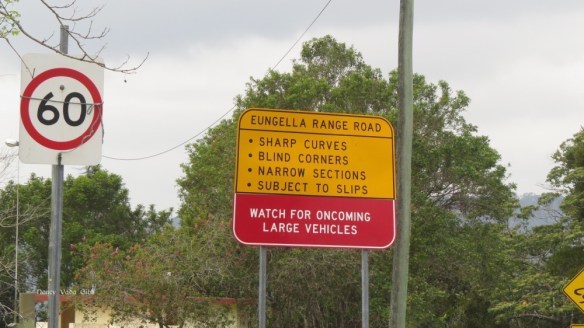
Leaving Bowen we decided to avoid the tourist trap called Airlie Beach and instead visit the platypus at Eungella National Park west of Mackay. One of the caravan forums Dave subscribes to said the Broken River free camp was a great place so we headed that way, eventually to be confronted by several warning signs about a VERY steep climb up the Range.

img_2863

img_2914

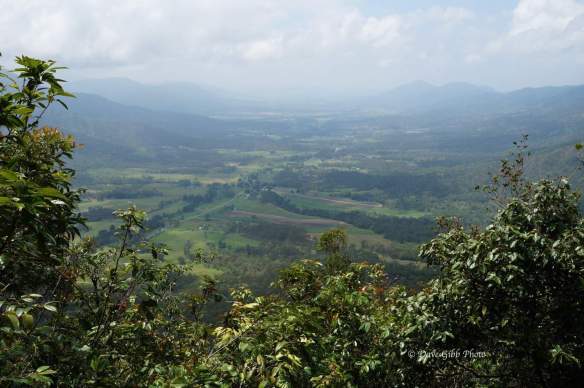
Foolhardy or not, we ventured up – and up. These are the views from the ‘Sky View’ area at the top.

finch-hatton11

finch-hatton12

At Eungella we decided not to go further on the narrow twisty road to Broken River but instead sought a caravan park in the Eungella township. The GPS directed us up a steep narrow road. At the bottom we passed a large sign covered over with canvas. We should have known! At the very top instead of the expected caravan park there was a dead end with no place to turn around, so Dave reversed down the whole hillside; luckily it was in a very quiet part of the town. Near the bottom we saw the reverse side of the canvas-covered board, it was facing away from the road and was the sign for the caravan park with a large CLOSED at the bottom.

So back down the Range we went with its 20 kph hairpin bends …..

img_2792

…. and back towards Mackay, through Netherdale with its purple house …..

img_2916

…..until we came to the Finch Hatton Showgrounds, a lovely flat safe haven.

I trotted off to inspect the amenities and returned to find Dave with an odd look on his face – his caravan keys were missing. On the same keyring was a controller device for his cochlear implants and a near-irreplaceable battery holder for the same. Nothing for it but to retrace our steps. The possibilities were:

  1. At the information sign at Eungella, ie at the top of the Range, a mere near-vertical 25 km or so away.

2. At the BP service station at Kolijo some 80 km north.

3. At the Bowen dump site, 185 or so km north.

Leaving Westie to enjoy the Showgrounds, and hoping the contents of the fridge would stay cool, we headed back up to Eungella. No luck so down again and north to Kolijo. Success!! The keys must have fallen out of Dave’s back pocket at the pump. Oh the relief. The return 80 km flew by and we were back in Westie as the sun went down, enjoying a much-needed close encounter with Johnnie Walker.

Next morning (Sunday)  it was up the Range again sans Westie, to try and see the elusive platypus (plural – opinion is divided on the correct term – platypi, platypuses, or just platypus). But we got there too late, a sign told us the best viewing times are before 8 am and after 3 pm.

We had a look around anyway – these are the two main viewing habitats, with good viewing platforms.  Upriver from the bridge…..

img_2814img_2805

… and downriver. There’s also often good viewing from the bridge itself.

img_2819

img_2813

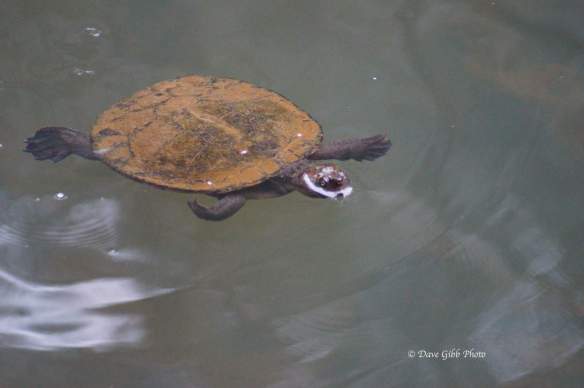
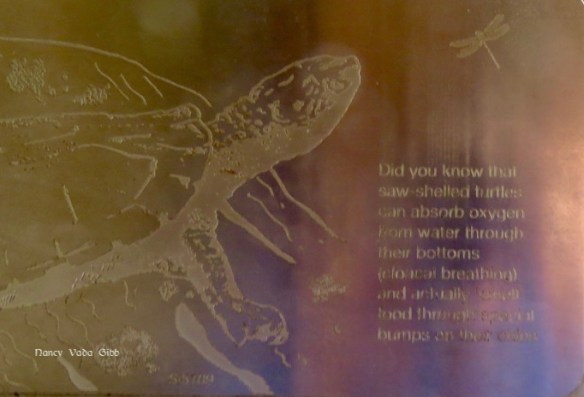
A large number of little turtles were visible; apparently they can breathe through their bottoms! 

finch-hatton01

img_2897img_2898

We noted that the Broken River cafe served what sounded like an excellent breakfast, so planned to go there again much earlier next morning, see some platypus and  breakfast in style.

Which we did, the very first part that is – but no platypus and the cafe was closed! Luckily the Platypus Cafe nearby was not, and served an excellent Eggs Benedict. Highly recommended.

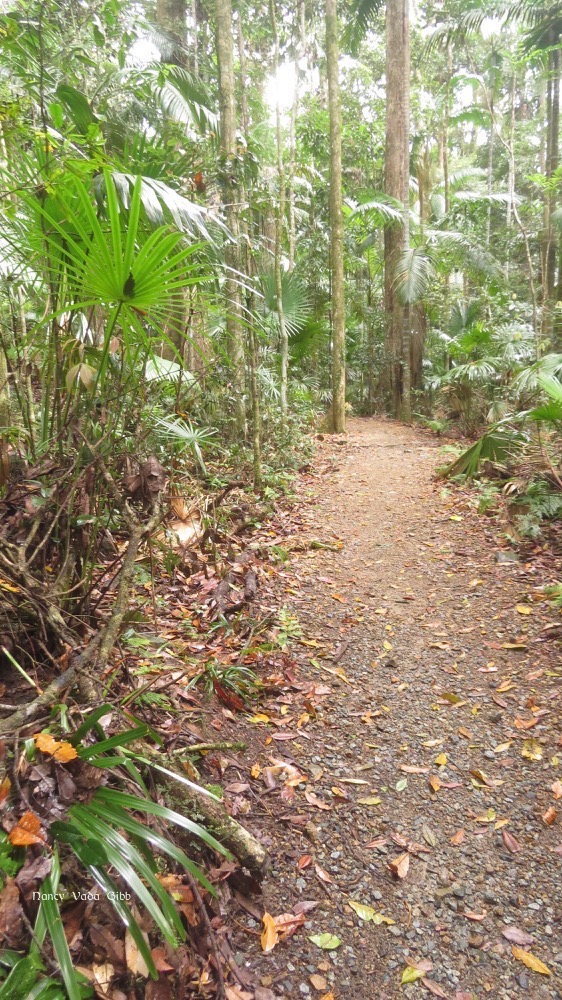
The walks around the Broken River area are delightful and also well signposted, with illustrations by local schoolchildren who are obviously proud of and care for their environment (and have an excellent teacher). 

img_2844

img_2845

img_2840

An artist’s palette ..

img_2815

img_2846

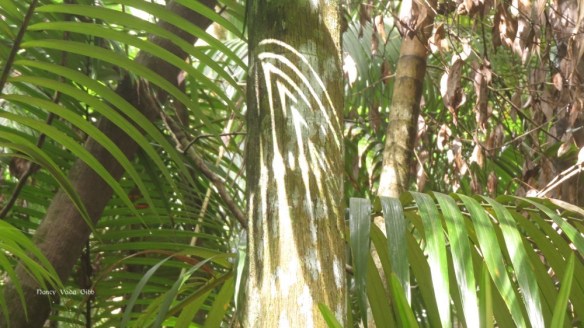
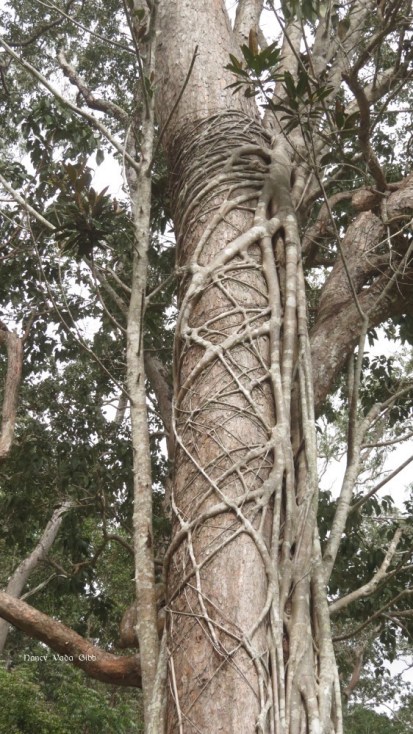
There were quite a number of trees adorned with fig lacework.

finch-hatton04finch-hatton09

img_2848img_2817

And lots of enchanting little birds.

Down the Range again (that was the fourth return trip, we were beginning to know the Range very well!) …..

img_2792

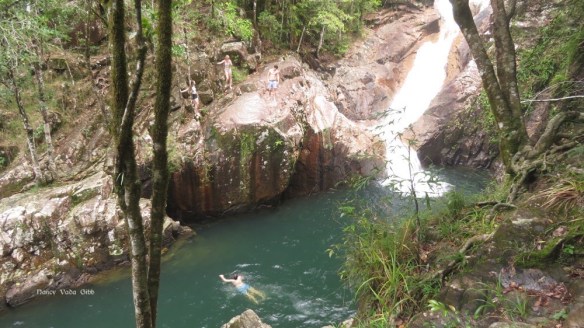
….  we stopped off at Westie for lunch then feeling adventurous we headed for the Finch Hatton Gorge. We knew there was a waterfall, the Araluen Cascades, but not the amount of up-and-down walking involved to reach it. Lizards and fungi watched us go by.

finch-hatton14

finch-hatton13

finch-hatton05Eventually we reached ground zero to find a couple of teenagers daring each other to jump into the pool below. Further on were some popular swimming holes judging by the number of people we passed on the track wearing togs and carrying towels.

img_2876

img_2880

finch-hatton16finch-hatton20finch-hatton22finch-hatton17

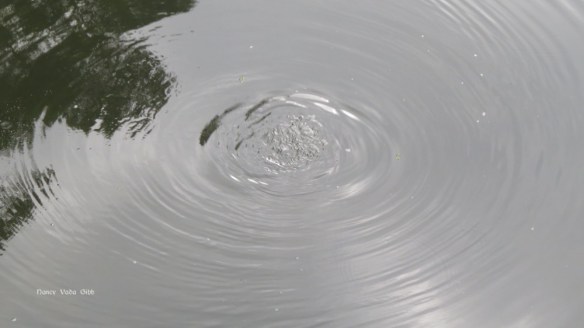
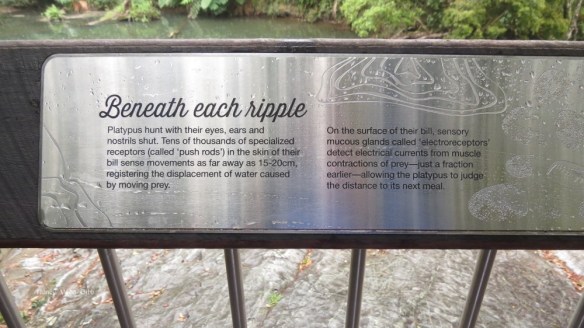
Back up the range again that evening on our fifth return trip, to arrive about 4 pm. At long last the platypus made their appearance. The first one I spotted was just a splash but after that we could see from a track of bubbles which way they were heading underwater, then a surge indicated they were about to surface.

img_2919

img_2931

img_2812img_2803

They only stayed on the surface for about ten seconds while masticating their food, then it was another duck dive … We never tired of watching them. There are several viewing points from the bridge and along tracks on either side. It was an awesome, privileged time and the faces of other people watching told the same story.

img_2937

Next morning we packed up and headed for outer Mackay where there was a Jayco dealer, but no luck there so we continued towards Rockhampton, finally arriving late afternoon. It was just as well we decided not to stop for the night at a roadside free camp as the hot water pipe burst that evening. 

170. Bowen

I blogged about Bowen at some length  last year, or was it the year before – time goes so quickly these days. I lived here on board “Cornelius” between 1977 and 1985 and found the town much changed when we last visited. This time it has been mainly catching up with old friends and trying to stay cool! It’s only early Spring but already the days are very humid.

Just before reaching Bowen we passed over the Burdekin River again … rather nearer the sea this time.

img_2746


With a rather large Westie in tow, we elected to stay at the Rose Bay caravan park, right on the beach, well almost.

img_2749 There is a rather intriguing “outside bathroom”  in one corner for those who are a little far from the main amenities.  I wonder if they provide an umbrella during the Wet.

img_2756

img_2757

Patrick and Sylvie gave us a wonderful welcome which included a scrumptious meal of Bouillabaise; it was so good to be back at their beautiful  little home with its strong French atmosphere.


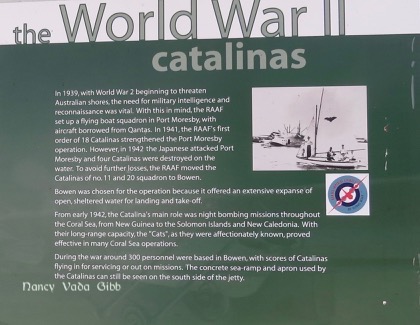
We paid a visit to the Harbour (Port Denison), the tide was well out, and this time we noticed the old Catalina flying boat base, or what’s left of it, just a large concrete apron and wide ramp. I don’t recall seeing this ever before – it must have been very overgrown and neglected back in the eighties. There is a new  monument which incorporates a war memorial (which I forgot to photograph in its entirety).

img_2762

img_2765

img_2766

The Cruising Yacht Club which gave Geoff so much angst is still the same as ever – and the same size. Not modernised at all apart from a small marina rather than a hard standing. The harbour itself seemed to be very full of all sorts of boats from small fishing cruisers to large ocean-going yachts….. and a converted Thursday Island lugger, easily recognisable by its rigging.

bowen03

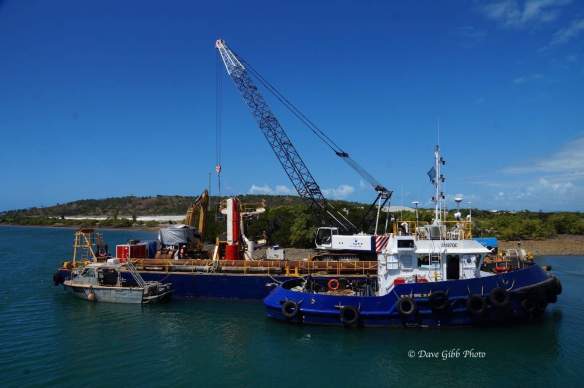
The Boat Harbour is much the same, the entrance just as narrow as ever. There was what looked like a dredge working there.

bowen04

bowen02

img_2761

img_2769

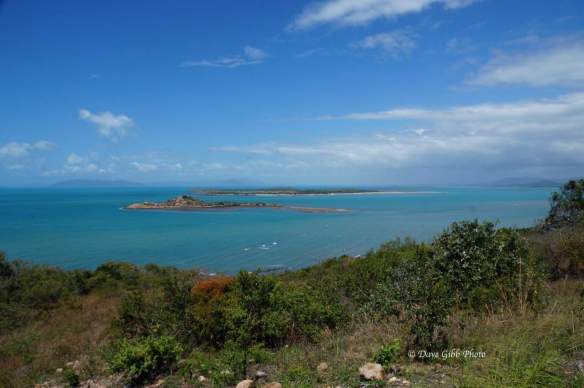
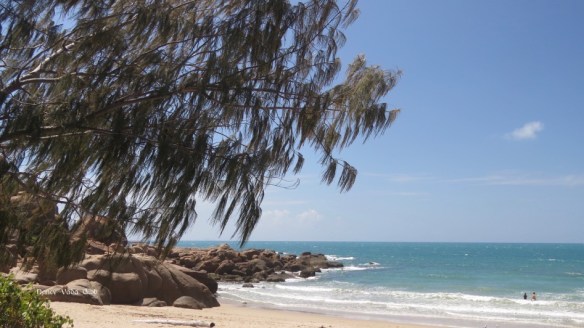
We are stuck here actually until a parcel arrives from Melbourne, it should have arrived two days ago. In the meantime, here is Horseshoe Bay, a beautiful little beach. this is actually a good time for a swim, it’s hot but the marine stingers have not yet put in an appearance and I doubt a crocodile would venture  near this popular bay. Actually I haven’t seen any of the usual croc signs (Achtung!!) since Townsville. Have we really left croc territory?

img_2758img_2759

169. Charters Towers

We’ve now been in Townsville almost a week and have done little of interest from a photographic point of view. We did drive up to the top of Castle Hill from which we could see hazy views of the coastline, Magnetic island and the city.

townsville02

townsville03

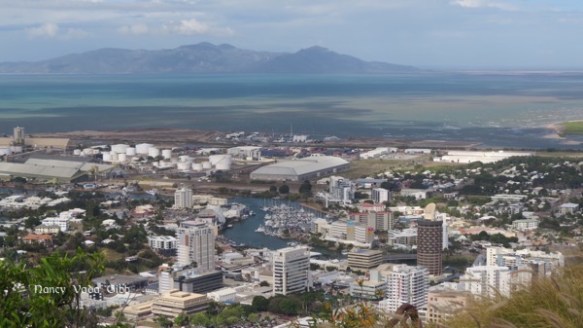
The only other photo of interest is this one, showing the river and inner harbour. In 1973 we tied up “Cornelius” against the north (left) side wall, and during the night the rat which had accompanied us all the way from Bowen finally deserted ship.  We used to see it taking moonlight strolls on the deck when all was quiet, and it avoided all attempts at capture all the way around the top of Australia. I have often wondered what effect it had on the Townsville rat population.
img_2647

We attended the local Caravan and Motorhome show but could not find any car and caravan covers which we need when they go into storage for some months.  Later Dave did locate a cover for the Jeep at least.

There was more emphasis at this show on outback touring, with a variety of fold-away trailers and slide-on campers and the like. Also some rather nice new outback caravans, all minimalist black and white, I wouldn’t mind one. Our current Westie is comfortable but furnished in a very different, older style.

Dave went off to explore several museums, notably the Maritime Museum, while museum-sated me enjoyed some down time. We are in a camp in an industrial part of Townsville but the facilities are clean and the cost moderate.

We caught up with Dave’s cousin Sarah,  a doctor with Ywam medical ships which go to remote parts of Papua New Guinea giving free and much-needed medical and dental care. This website and video tells more:  https://ywamships.org.au/   Sarah is in it briefly at  3.25 and 3.54. One afternoon we were given a fascinating tour of her ship which is in port at the moment for  repairs and renovations. The organisation has other ships too.

townsville04

Charters Towers beckoned. I have been there before, may years ago when it was much smaller and dustier although even then the importance of the heritage buildings was recognised.

I thought we had left the outback with its ant hills behind, but once out of Townsville it was like we’d never been in the tropical wetlands.
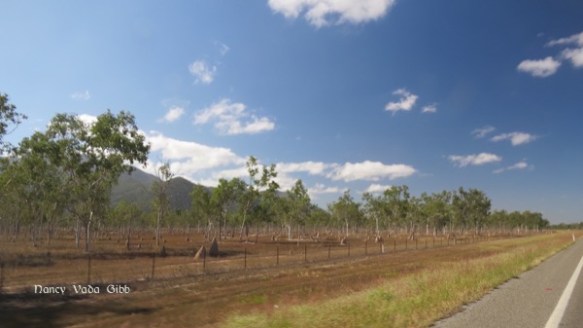
 

img_2658img_2660

The surfaced road to Charters Towers is very good. Part of it is a lovely tan colour instead of the usual grey – it goes better with the countryside (!).
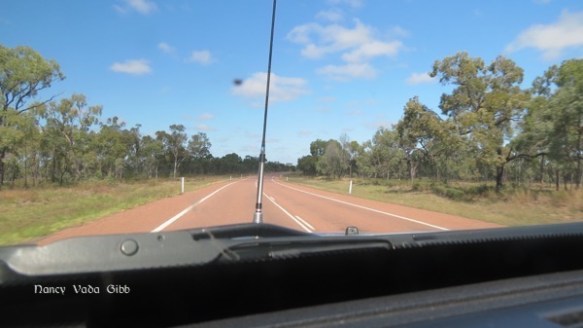
img_2662

We came to the Burdekin River. Years ago I saw this river in full flood, brown frothy water as far as the eye could see with small waves on the surface. That must have been soon after a cyclone. This time the river was rather smaller and slower. That’s the railway bridge in the distance, it’s a little higher than the road bridge.
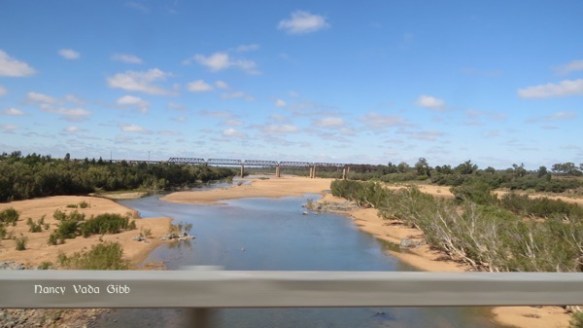
img_2663img_2664

All the way from Townsville the signs had at least two towns on them – Charters Towers and Mt. Isa. Not far really – only 900 km plus from Townsville. By the time we got to Charters Towers it was much closer (!).

img_2665

The main street is full of lovely old buildings from gold-rush days.

img_2668img_2670

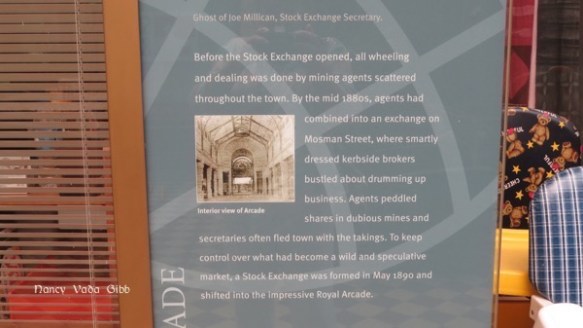
A must-see – the old Stock Exchange building. last time it was dark and dusty but still beautiful. The restoration is wonderful.  Apparently some old timers remembered the ceiling glass being coloured at intervals but it was not in the original plans so the restorers have kept to clear glass except at one end. Note the delicate wrought-iron trusses.
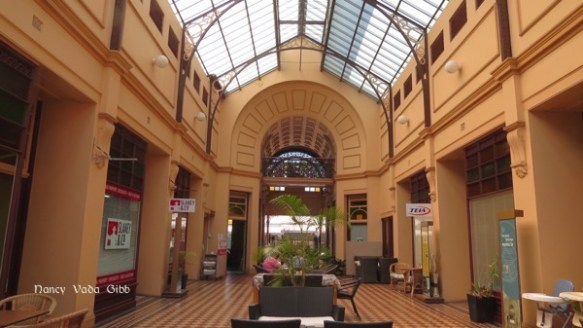
img_2671img_2672img_2673img_2675img_2676img_2677

Another building, once a bank, now a theatre. Beautiful ceiling restoration in soft colours.

img_2681img_2682img_2683

Apparently goats were a very important part of Charters Towers life.

img_2684img_2685

Later I found this sign in a museum:

img_2701

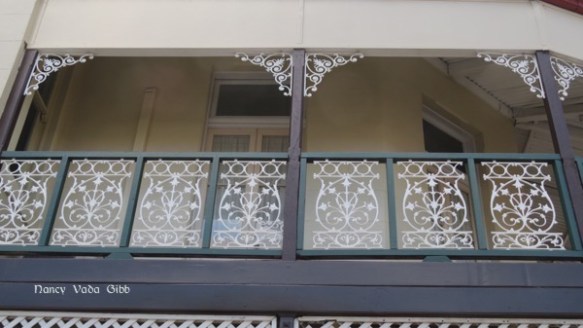
Lacework:

img_2688img_2690

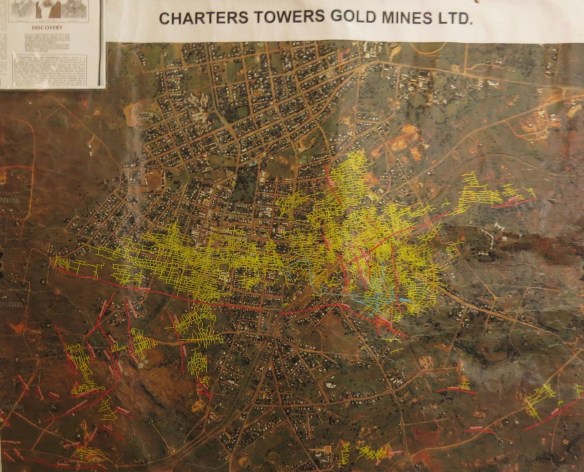
At the museum: The number of gold mines is mind-boggling. Each gold line is a mine shaft!
img_2691

Two early gambling machines.

img_2692

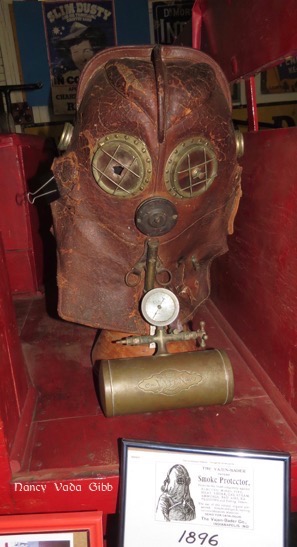
A gas mask for use in the mines. Looks like a deep sea diving helmet.
img_2693

How many spelling mistakes can you spot in this notice??

img_2694img_2695

Then round a corner in a display about the early hospital on a back wall I came upon THIS… I know that surname.

img_2696img_2699

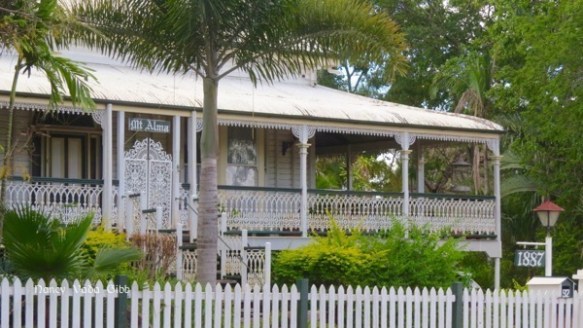
Hoping to find out more about Dr. Robert Huxtable after leaving the museum we went to the Library where there is a Family History association (Correction – Archives) and were lucky to meet the historian (Correction – Archivist) Michael Brumby who knew about Dr. Huxtable and gave me this photo. He also told us where the private hospital Mt. Alma is located – it is now a private home.

img_2710

img_2723

Later I was able to confirm that Dr. Robert Huxtable was the brother of the man who married my grandfather’s sister. Better still, not much is known about him among the various Huxtables who I have contacted in the past and who have been very generous in sharing their family history. Now I can really give something in return.

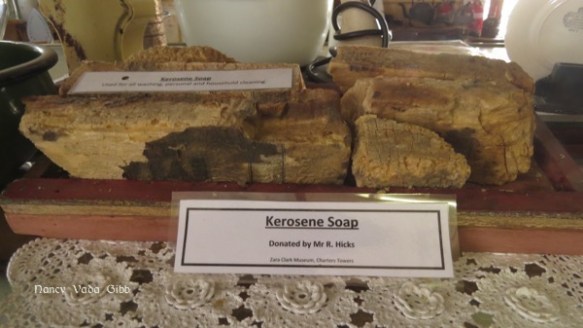
More stuff in the museum. Kerosene soap??
img_2702

Someone wanted to make sure the importance of horses in early times is recognised.

img_2703img_2704

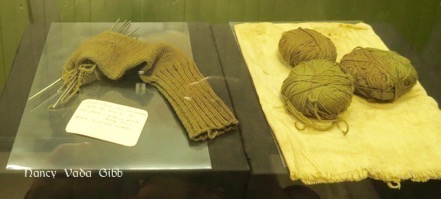
A very poignant display in the War section – a young man wrote home asking his mother to knit him some socks because his feet were so cold and wet in the trenches. But before they could be finished the news came that he had perished. The socks were never finished.
img_2705

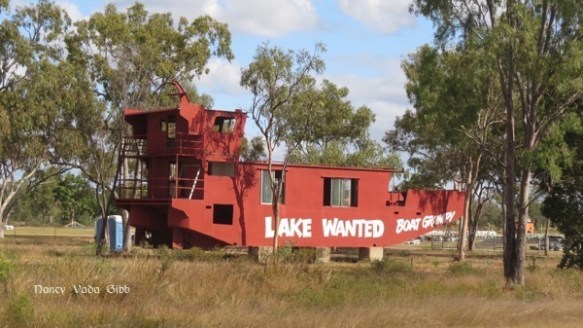
Driving back to Charters Towers we spotted this sad sight ….
img_2729

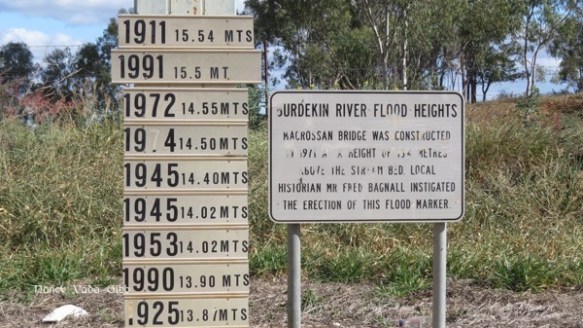
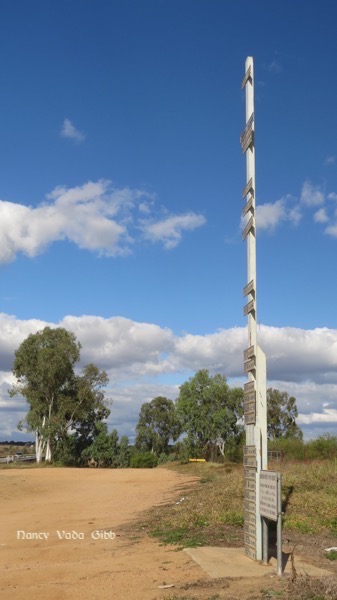
This time we stopped at the Burdekin River to inspect the famous flood  sign.  21.7 metres!

img_2735  img_2735

img_2736

The start of the new bridge can just be seen to the far left
img_2737

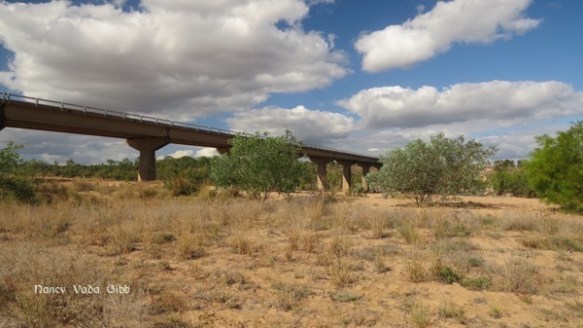
We drove down to the river bed. Compare the height with the previous photo.
img_2732

Back on the bridge again.


img_2739

We will be leaving  for Bowen tomorrow.
 

168. Ingham

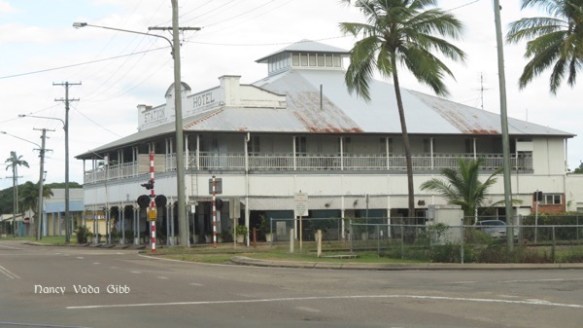
Ingham like Innisfail is very much a sugar-cane town, with the usual refinery emitting clouds of steam and a sickly sweet smell, but Ingham is mostly flat with wide streets whereas Innisfail seemed to be all up and down with narrow streets and parking problems. Also Ingham is some kilometres inland. Both have a number of old buildings as well as many new.

undara-lava-tubes05

img_2616

We were heading for Mungalla Station near Forrest Beach, a working property run by the Nywaigi people, who have occupied the lands for thousands of years. It has a proud history with both European and indigenous aspects.

img_2634

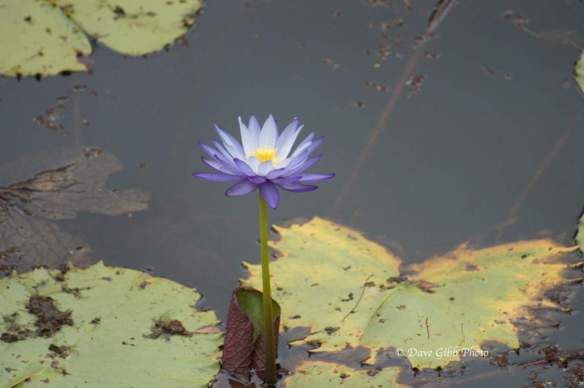
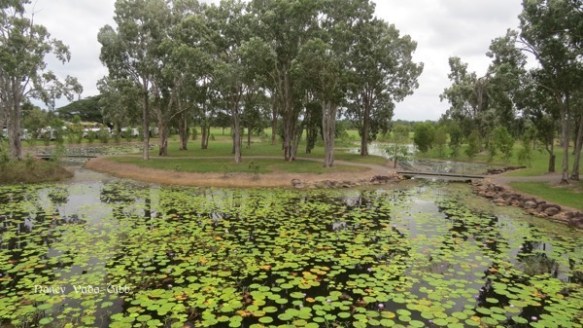
The entrance to the property is marked by a grove of huge mango trees, then the road twists and turns alongside a waterway full of waterlilies, paddocks of horses, Droughtmaster cattle and geese, and finally to the homestead.

img_2583

undara-lava-tubes12

undara-lava-tubes08

img_2637

We were warmly welcomed and directed to camp anywhere alongside the  fence with views over the surrounding land all the way to the mountains. Curious cattle walked along the fence line several times. Below was a waterway but we were cautioned not to go fishing or swimming – crocodiles!

img_2636

img_2625img_2630

img_2579

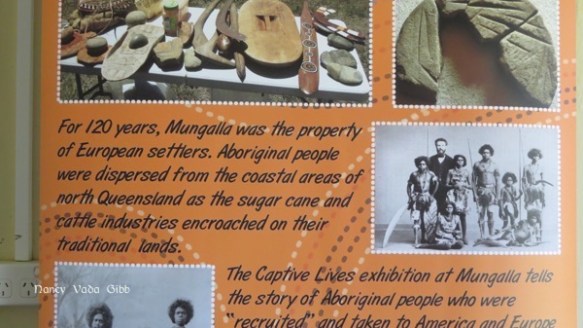
Mungalla has an interesting history. At one time it was one of the most famous in north Queensland, particularly for its thoroughbred horses bred by the Cassady family. There were formal gardens and tennis courts. James Cassady gave refuge to and actively tried to protect the Aboriginal and Islander people, allowed a number of camps on the property and actively campaigned for better  treatment for these people.

The property was bought by Mont Atkinson in 1944 and he relocated the house to the only spot which had remained above water in the great 1927 floods. The Atkinsons continued the Cassady tradition of breeding racehorses. They also established the famous Droughtmaster breed of cattle, a cross between British breeds and Brahman cattle which proved much more suited to the climate and tick problems of northern Australia.

I’m not sure how it became an Aboriginal property. “Today, the Mungalla Aboriginal Business Corporation and its parent body the Nywaigi Aboriginal Land Corporation which holds title to Mungalla Station have a  mandate to improve the economic and social position of our people.  We have chosen to achieve these aims by sharing the rich history and culture of Mungalla Station with you through our tours.”

Unfortunately we just missed one of these tours.

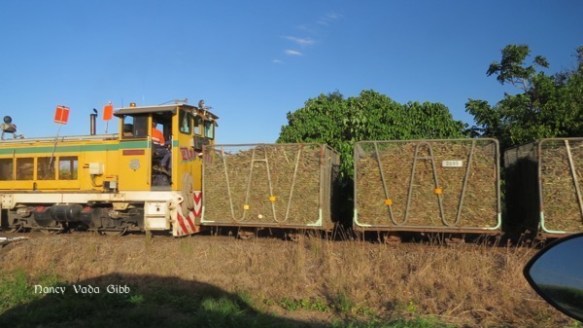
We went for a short drive to the coast, criss-crossing numerous sugar cane tramway tracks. They even go right through the town. Forrest Beach and Taylors Beach were pleasant places.

img_2584  img_2585

img_2617

img_2565img_2566

img_2561img_2557

img_2567img_2576

A river near Lucinda……

img_2540

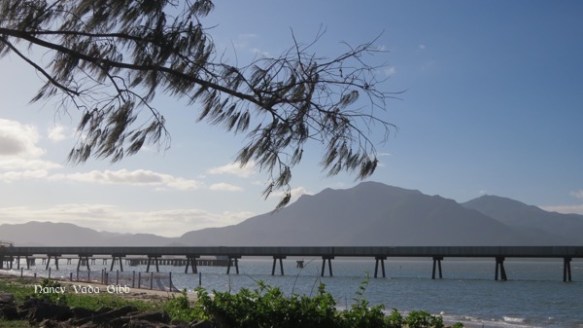
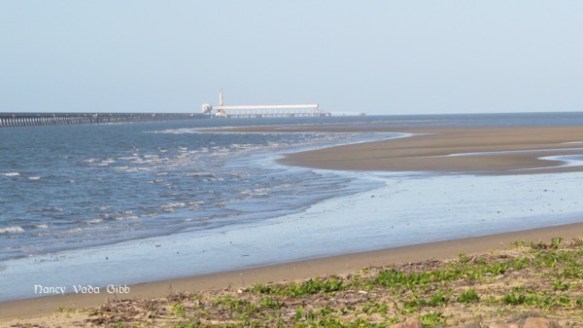
… .the port which has the longest sugar loading jetty in the world, 5.7 kms!

img_2550

undara-lava-tubes04

 We could see Hinchinbrook Island clearly despite the haze. Apparently the area is notorious for marine stingers, certainly this sign is the largest we have seen so far.

img_2554img_2551img_2545

img_2553

That’s the stinger net in the foreground.

undara-lava-tubes03

Another day we visited the Tyto Wetlands which form part of the Ingham information Centre, with its extensive interactive displays. There were a number of walking tracks and boardwalks.

img_2589

There is special emphasis on the local birds and Dave was able to pick up a very useful booklet so now we will be able to identify all the birds he photographs.

A rainbow bee-eater….

undara-lava-tubes07

Masked lapwing…

undara-lava-tubes06

Female and male crimson  finch.

undara-lava-tubes10

undara-lava-tubes09

We went for a drive up the range to the Wallaman Waterfall, taking our lunch as it was quite a way. There were a couple of traffic hazards – the cattle on this stretch are obvisouly used to cars and also used to getting their own way!

img_2591

The road became very steep, narrow and winding and there were notices about not only straying stock but about wandering cassowaries.

img_2601

We were astonished to encounter a large white Brahman-cross bull contentedly munching at the roadside grass. How on earth did he get up so far? It was at least 15 km to the nearest flattish ground, and the road was bordered on both sides by impenetrable bush.

 Half way up we stopped for lunch and to admire the view.  The first photo shows the straight stretch of road with cattle in the previous photo.

img_2594

 img_2595img_2596

img_2614

img_2599

And so finally to the waterfall, the highest single drop waterfall in Australia- 268 metres. Quite impressive.

img_2605img_2604img_2602

Returning on the narrow mountain road we passed the same white bull – and again I ddn’t have my camera ready. Bother bother!

167. Hinchinbrook

The highway from Innisfail to Ingham goes inland to Tully then back to the coast at Cardwell, at the northernmost end of the Hinchinbrook Channel. Cardwell is a small quiet town.

img_2506img_2508

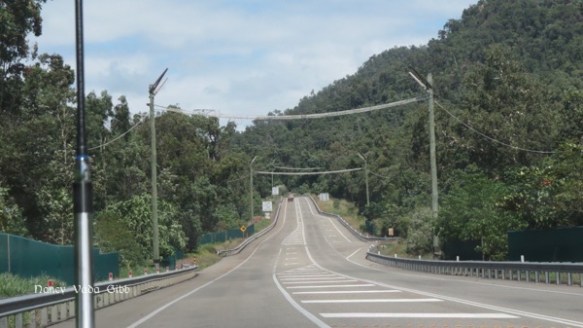
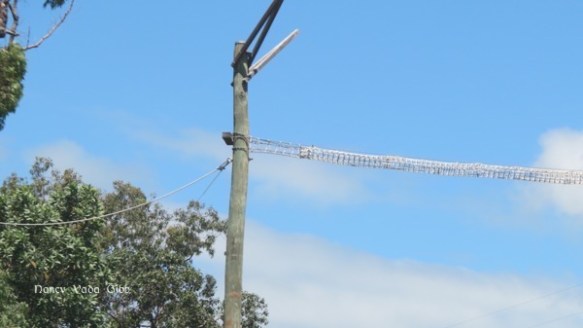
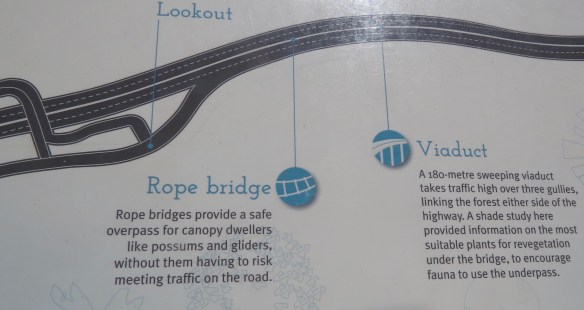
A little further on we began noticing strange structures straddling the highway. they are overbridges for possums and gliders.

img_2512img_2514img_2515

img_2520

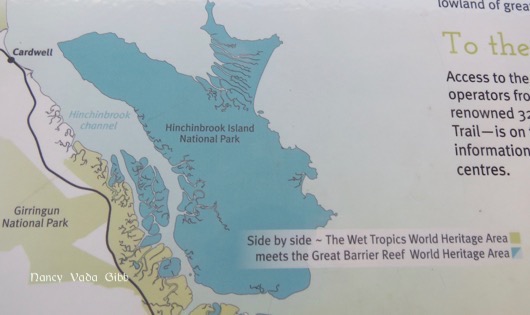
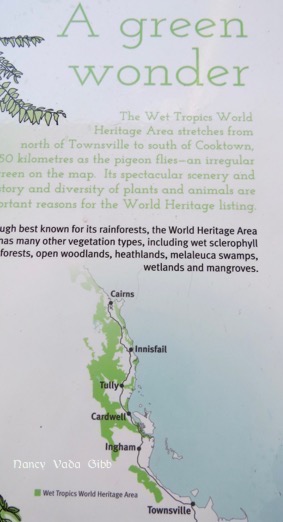
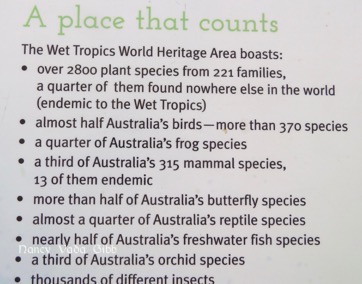
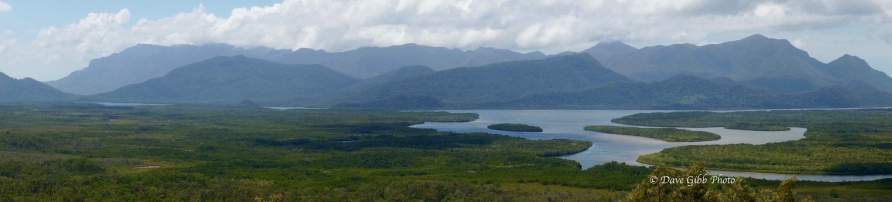
The highway started to climb. At the top there is a great new viewing platform slightly spoilt by intrusive power lines, and many informative signs. TWO World Heritage areas side by side.

img_2521

img_2524  img_2526

We took lots of photos, then noticed a pathway ….

img_2537

… which led to absolutely glorious non-powerline impeded views.

img_2522img_2528

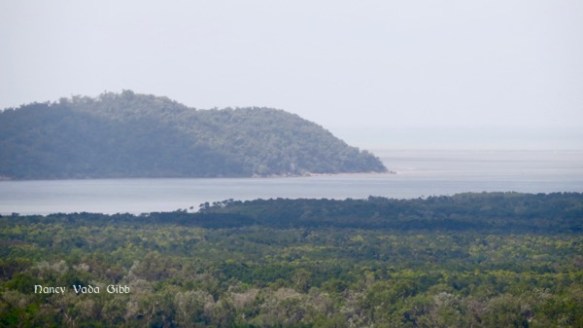
It was a hazy day so this is the best magnification I could get of the entrance passage. “Cornelius” came this way in 1980, heading north. There is only a narrow entrance channel which shifts constantly. Heart in mouth, Geoff steered the boat in according to the navigation signs on shore; we were in a relatively calm channel of water with waves breaking on either side. Half way in a huge wave appeared out of nowhere directly behind, overtook us and drenched the helmsman and half the boat. Geoff struggled to hold us straight on course not to mention upright as the boat veered madly; then we were into calmer waters and the worst was over. I have a photo of the event but of course it isn’t on this computer. Bother, bother.
img_2533

Dave took some wonderful panoramic shots:

hinchinbrook01

undara-lava-tubes01Undara Lava Tubes02.jpgThen down again and on to Ingham and a bush camp we’d been hearing about, on a private cattle property now owned by Aborginals.

166. Innisfail

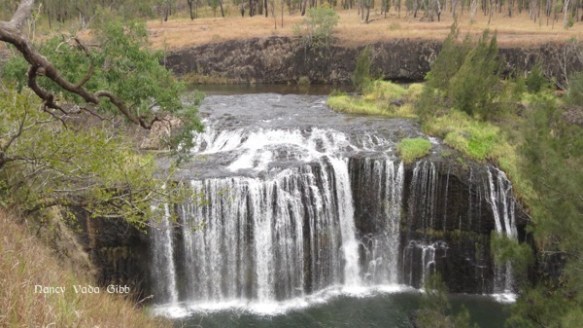
En route back to the coast from Undara, we turned off to investigate the Millsteam Falls near Ravenshoe, reputedly the widest single-drop falls in Australia. Not very large, but rather pretty.

IMG_2425IMG_2427

The area around the Falls is notable for another reason, it was where a large Army camp was set up during WW2.  We did not walk the track but no doubt it was an interesting well-sign-posted site.

IMG_2429

We stopped off in Ravenshoe for lunch and also a roadside stall selling fresh local produce. A whole bag of smallish avocadoes, about 15 and all absolutely perfect, were just $3!

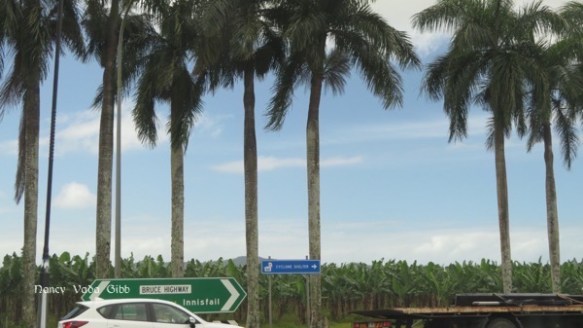
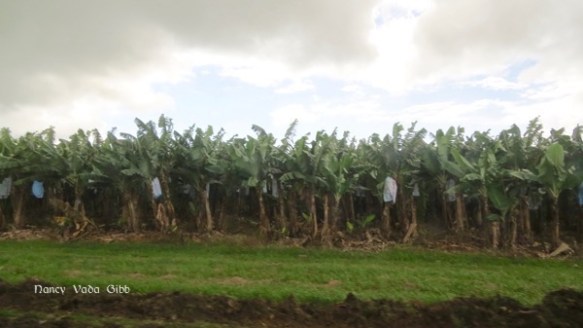
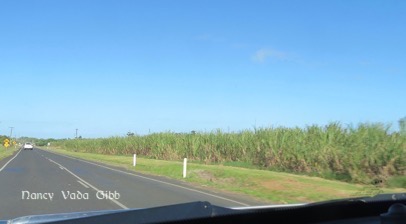
After the usual downhill slalom drive we knew when we were approaching Innisfail, there were banana plantations everywhere. Also sugar cane.

IMG_2430IMG_2495IMG_2493

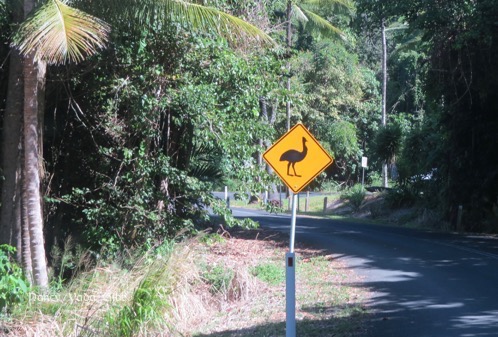
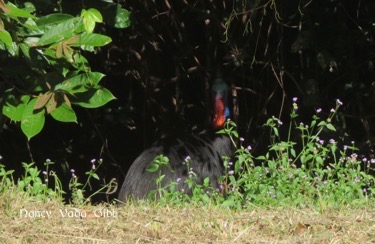
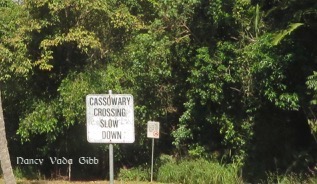
We headed for a camp on Flying Fish Point, through the town of innisfail and then a stretch of bush where signs warned us to watch out for cassowaries. And indeed we did spot one, although it was a bit shy.

IMG_2465

IMG_2468

IMG_2471

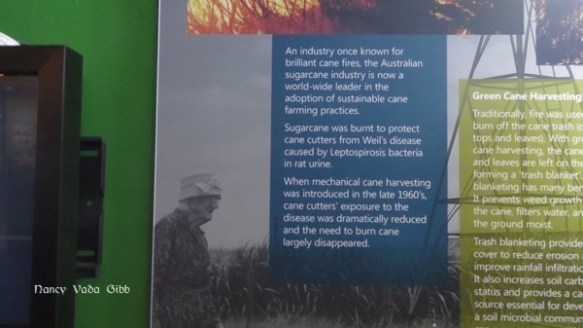
When I was living in Lismore in northern coastal NSW in the early 1960s , sugar-cane territory, I got used to the sickly sweet smell coming from the sugar refineries and also the frequent cane burn-offs. The defining smell is still the same but nowadays the cane is harvested green. The green tops and leaves are left on the ground to form a “trash blanket” which prevents weed growth, filters water, keeps the soil moist and increases soil carbon status.

IMG_2443

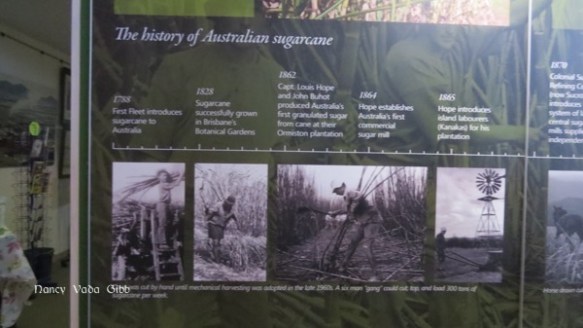
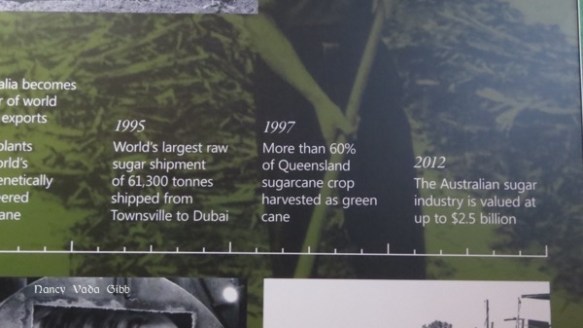
I got this information at the Sugar Museum. They were very keen for us to accept several samples of raw sugar and jelly beans, and to promote sugar in general – a losing battle I think.

IMG_2440IMG_2442

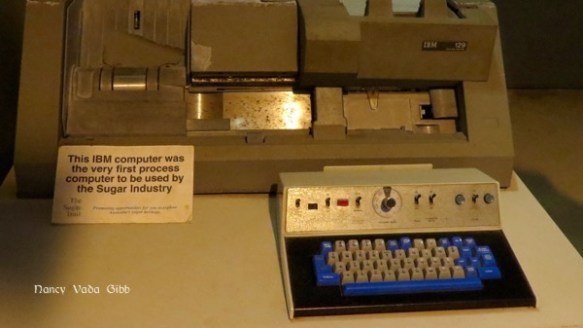
Here’s an example of an early IBM computer. Yes, I remember them. So does Dave.

IMG_2448

After an indifferent lunch we headed for nearby Etty Beach, with more warning signs about cassowaries, which apparently use the beach nonchalantly and frequently.

IMG_2449

We didn’t see any but we did enjoy watching the descent of a number of skydivers who all landed precisely on the beach in front of us, although one had to twist and descend very smartly and probably gave the joy-rider an extra possibly unwanted thrill.

IMG_2458IMG_2463IMG_2464IMG_2450

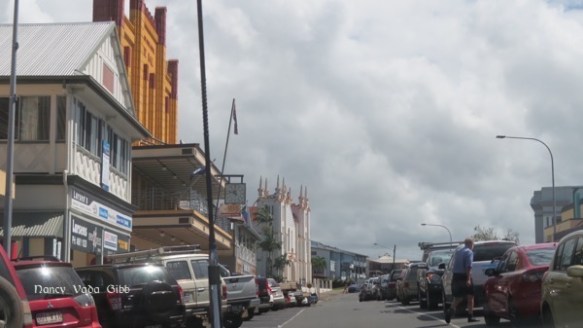
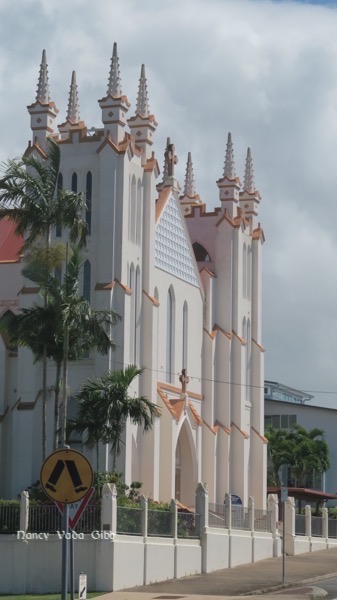
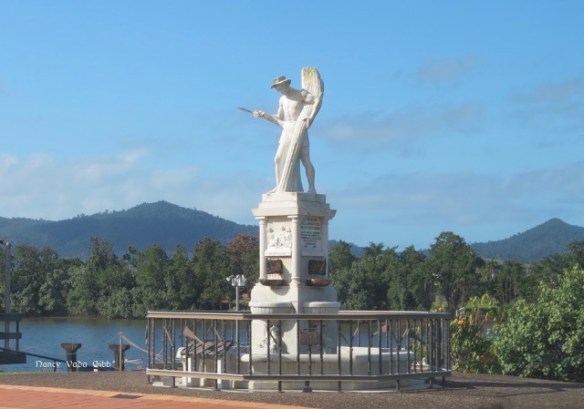
The town of Innisfail is built on hilly ground beside a river, with some unusual old buildings and a statue of a cane-cutter.

IMG_2437IMG_2439

IMG_2485

IMG_2480

The Innisfail harbour entrance is quite narrow.

IMG_2474

IMG_2472IMG_2476IMG_2477

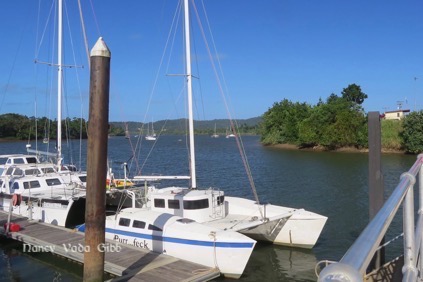
An inventive name for a boat – “Purr-feck”.

Version 2

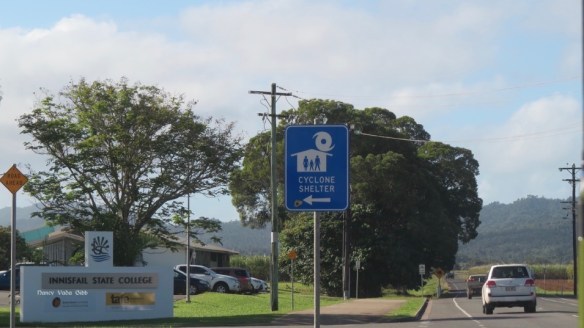
Here are some more local ‘Signs’…..

IMG_2490

… and a partridge in a pear tree (?!)

IMG_2492

After two nights there we headed south for Ingham through more sugar cane country.